
Many think cancer leads to unintentional weight loss. But, some cancers cause weight gain. Obesity-related cancers, like breast cancer and endometrial cancer, are often linked to weight gain. We’ll look into how these cancers and weight gain are connected, and the health risks they pose.
The International Agency for Research on Cancer has found several cancers tied to obesity. These include post-menopausal breast cancer, endometrial cancer, ovarian cancer, thyroid cancer, and meningioma. Knowing how these cancers and weight gain are connected is key to finding better ways to prevent and treat them.
Can weight gain be a scary cancer sign? Learn amazing truths and find powerful, vital ways to manage your essential health and body mass.
Key Takeaways
- Cancer can cause weight gain, mainly in obesity-related cancers.
- Breast cancer and endometrial cancer are linked to weight gain.
- The International Agency for Research on Cancer has identified several cancers associated with obesity.
- Understanding the connection between cancer and weight gain is critical for prevention and treatment.
- Obesity-related cancers need a full care and support plan.
The Relationship Between Cancer and Body Weight Changes

Weight changes are common in cancer patients. These changes depend on the cancer type and treatment. They can greatly affect a patient’s life quality and health.
Statistics on Weight Fluctuations in Cancer Patients
Studies show many cancer patients experience weight changes. For example, 18.9–33% of breast cancer patients gain more than 5% during chemotherapy. Up to 18.3% of lung cancer patients also see similar weight gains. These numbers highlight the need to understand why weight changes happen in cancer patients.
Why Some Cancers Cause Weight Gain While Others Cause Loss
The type of cancer and its treatment play big roles in weight changes. For instance, breast and ovarian cancers often lead to weight gain due to hormonal changes and treatment side effects. On the other hand, cancers like pancreatic cancer usually cause weight loss because of malabsorption and metabolic changes. Knowing these differences is key to managing weight changes effectively.
|
Cancer Type |
Prevalence of Weight Gain |
Prevalence of Weight Loss |
|---|---|---|
|
Breast Cancer |
18.9–33% |
Less common |
|
Lung Cancer |
Up to 18.3% |
Variable |
|
Pancreatic Cancer |
Rare |
Common |
|
Ovarian Cancer |
Moderate |
Less common |
For more details on cancer and weight changes, check out studies in scientific journals. A good resource is available on. It offers insights into how cancer, treatments, and patient outcomes are connected.
Understanding Cancer-Related Weight Gain Mechanisms

Cancer-related weight gain comes from many factors. These include changes in how the body uses nutrients, inflammation, and fluid buildup. Weight gain in cancer patients is not just about fat. It’s also about changes in the body due to cancer and treatment.
Metabolic Changes During Cancer Development
Cancer changes how the body uses nutrients and energy. Metabolic alterations can make cancer cells use more glucose. This can change how the body is made up.
Some key changes include:
- Increased glycolysis, even with oxygen, known as the “Warburg effect”
- Changes in lipid metabolism, leading to more fat storage
- Changes in protein metabolism, affecting muscle mass
Inflammatory Responses and Their Effect on Weight
Inflammation is a big part of cancer. Inflammatory responses can greatly affect weight. Chronic inflammation can change how the body uses nutrients and its shape.
The effects of inflammation on weight are:
- Increased production of pro-inflammatory cytokines, changing metabolic pathways
- Changes in appetite regulation, leading to more calories
- Changes in hormone levels, like insulin and cortisol, affecting fat storage
|
Inflammatory Marker |
Effect on Weight |
|---|---|
|
C-reactive protein (CRP) |
Higher CRP levels are linked to weight gain and body composition changes |
|
Interleukin-6 (IL-6) |
More IL-6 can cause more fat storage and metabolic changes |
|
Tumor necrosis factor-alpha (TNF-alpha) |
TNF-alpha can change lipid metabolism and insulin resistance |
Fluid Retention and Edema in Cancer Patients
Fluid retention and edema are common in cancer patients. They can be due to the cancer or its treatment. These conditions can make patients gain weight.
Factors that cause fluid retention include:
- Hormonal changes and imbalances
- Impaired lymphatic drainage from surgery or radiation
- Certain medications, like corticosteroids and some chemotherapy
Understanding these mechanisms is key to managing weight gain in cancer patients. By tackling metabolic changes, inflammation, and fluid retention, healthcare providers can offer better care. This includes managing weight-related issues in cancer patients.
Hormone-Sensitive Cancers and Weight Gain
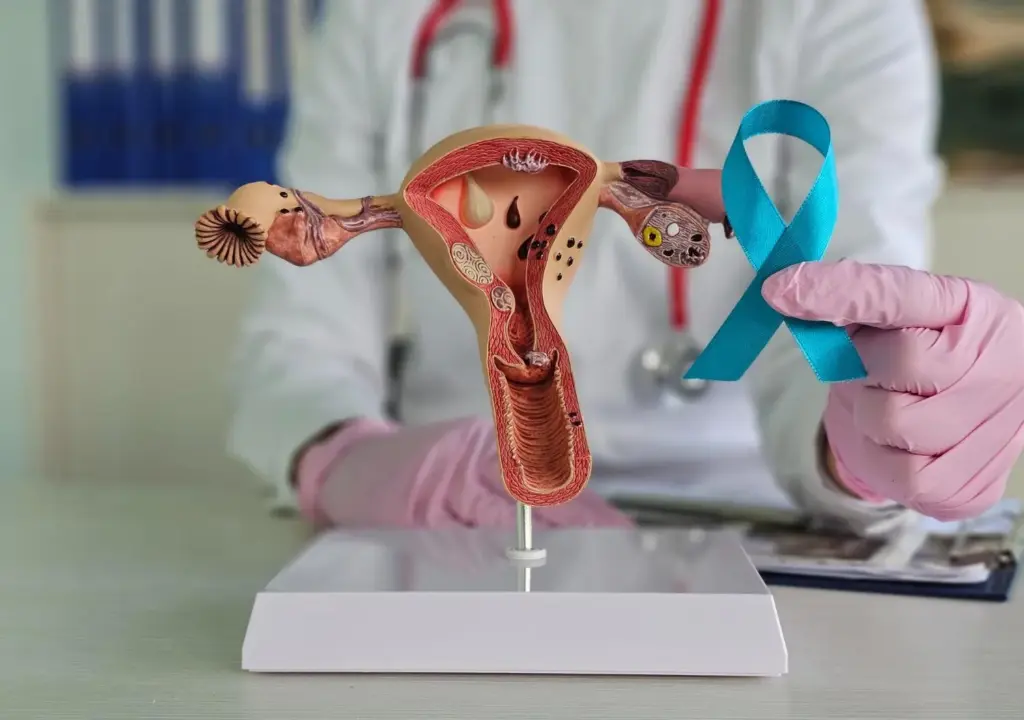
Hormonal imbalances are key in weight gain for some cancers. These include breast, ovarian, and endometrial cancers. Hormonal changes can greatly affect how our bodies look and feel.
How Hormonal Imbalances Affect Body Composition
Treatments for these cancers can change how our bodies look. This can lead to weight gain. This gain is not just about looks; it affects health and how well a patient does.
Hormonal changes, like in estrogen and progesterone, impact body shape. Estrogen, for example, affects where fat is stored. Changes in estrogen can cause more fat to build up, often around the belly.
Estrogen, Progesterone, and Their Impact on Weight
Estrogen and progesterone are key in keeping a healthy weight. Estrogen helps control fat, while progesterone can cause water retention, leading to weight gain.
In hormone-sensitive cancers, these hormones are often out of balance. For instance, treatments that lower estrogen, like for breast cancer, can change body fat.
|
Hormone |
Effect on Body Composition |
Impact on Weight |
|---|---|---|
|
Estrogen |
Influences fat distribution |
Changes in levels can lead to increased abdominal fat |
|
Progesterone |
Causes water retention |
Can lead to weight gain due to fluid retention |
It’s important to understand how hormones affect weight in cancer patients. Knowing this helps doctors find ways to manage weight gain. This can improve health and quality of life for patients.
Breast Cancer: A Leading Cause of Treatment-Related Weight Gain
Breast cancer treatment saves lives but often leads to weight gain. This can harm patients’ health and happiness. Post-menopausal women face extra challenges because of hormonal changes.
Post-Menopausal Breast Cancer and Weight Gain Statistics
Post-menopausal women with breast cancer are more likely to gain weight. Many patients gain weight during and after treatment. This can affect their health and life quality.
Weight gain after menopause can lead to health problems. For breast cancer patients, it can also impact treatment success.
The 11% Increased Risk Per 5kg Gained in Adulthood
Every 5kg gained in adulthood raises the risk of breast cancer by 11% in post-menopausal women. This shows why managing weight is key during and after treatment.
Healthcare providers now focus on weight management in breast cancer care. They offer dietary advice, exercise plans, and watch for weight-related issues.
Chemotherapy-Induced Weight Changes in Breast Cancer Patients
Chemotherapy often causes weight changes in breast cancer patients. Some lose weight, but many gain due to changes in metabolism and body composition.
Chemotherapy-induced weight gain comes from increased appetite, water retention, and hormonal shifts. A balanced approach is needed, including nutrition, exercise, and sometimes treatment adjustments.
Every patient reacts differently to chemotherapy. So, weight management plans must be personalized. By tackling weight gain early, healthcare providers can lessen long-term treatment effects.
Endometrial and Ovarian Cancers: Understanding the Weight Connection
It’s important to understand how weight affects endometrial and ovarian cancers. These cancers impact the female reproductive system. They can change body weight directly or as a treatment side effect.
Uterine Cancer’s Bidirectional Relationship with Weight
Uterine or endometrial cancer has a complex link with body weight. Excess weight can raise the risk of getting endometrial cancer. This is because fat tissue can turn androgens into estrogens, which can grow tumors.
But, endometrial cancer and its treatment can also change body weight. Some patients might gain weight due to hormonal changes or treatment side effects. We’ll dive deeper into these effects to better understand their impact on care and outcomes.
Ovarian Cancer Symptoms That Mimic Weight Gain
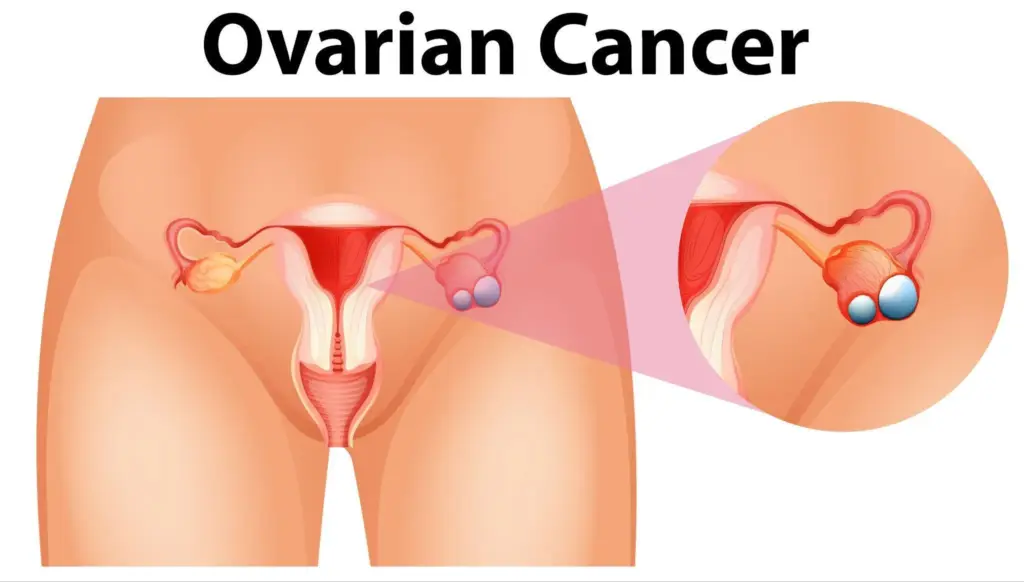
Ovarian cancer symptoms can be mistaken for weight gain or other minor issues. Symptoms like bloating, swelling, and bowel changes can seem like simple weight gain or digestive problems.
It’s vital for patients and doctors to know these symptoms. They should think of ovarian cancer when evaluating women, even with risk factors or family history.
Early detection and accurate diagnosis are critical for ovarian cancer. Recognizing how it can be mistaken for weight gain is a big step towards better outcomes.
Thyroid Cancer and Its Effect on Metabolism and Weight
Thyroid dysfunction, often linked to thyroid cancer, can change how fast we burn calories. The thyroid gland controls our metabolism. Any problem with it can cause big changes in our weight.
Metabolic Rate Alterations
Thyroid cancer can mess with the thyroid gland’s hormone production. These hormones are key for a healthy metabolism. Changes in hormone levels can make our body burn energy differently, leading to weight gain or loss.
Key factors influencing metabolic rate changes include:
- The extent of thyroid gland removal or damage during surgery
- The effectiveness of hormone replacement therapy
- Individual variations in metabolic response to thyroid hormone levels
Post-Thyroidectomy Weight Management Challenges
After a thyroidectomy, managing weight can be tough. Removing or damaging the thyroid gland can cause hypothyroidism. This is when the gland doesn’t make enough hormones, slowing down metabolism and leading to weight gain.
Effective weight management strategies post-thyroidectomy may include:
- Personalized hormone replacement therapy to normalize thyroid hormone levels
- Dietary adjustments to compensate for metabolic changes
- Regular physical activity to enhance metabolism and overall health
Hormone Replacement Therapy and Weight Stabilization
Hormone replacement therapy (HRT) is key in managing thyroid cancer after surgery. It helps restore normal hormone levels, stabilizing metabolism and aiding in weight management.
It’s essential for patients to work closely with their healthcare providers to:
- Monitor thyroid hormone levels regularly
- Adjust HRT dosages as needed to maintain optimal thyroid hormone levels
- Implement lifestyle changes that support metabolic health and weight stability
Brain Tumors That Affect Weight Regulation
Certain brain tumors can change how we regulate our weight. They do this by affecting parts of the brain that control hunger, fullness, and how our body uses energy. These tumors can cause big changes in our weight, either by messing with our hormones or by changing how we eat and move.
Meningiomas and Their Impact on Hormonal Balance
Meningiomas are usually not cancerous and grow from the meninges. These are the protective layers around our brain and spinal cord. Even though they’re often not a problem, some meningiomas can mess with our hormones. This is because they can press on or grow into nearby brain areas, like those that control our weight.
Effects of Meningiomas on Hormones:
- Compression of the pituitary gland affecting hormone secretion
- Influence on hypothalamic function, altering hunger and satiety signals
- Potential for causing hormonal deficiencies or excesses
Hypothalamic Tumors and Appetite Control Centers
The hypothalamus is key in controlling how hungry or full we feel and how our body uses energy. Tumors in this area, like gliomas or craniopharyngiomas, can mess with these functions. This can lead to eating more or feeling less full, causing weight gain.
|
Tumor Location |
Effect on Weight Regulation |
|---|---|
|
Hypothalamus |
Alters appetite control, potentially causing hyperphagia |
|
Pituitary Gland |
Affects hormone secretion related to metabolism and growth |
Pituitary Tumors and Weight Regulation
Pituitary tumors, and those that make hormones, can really affect our weight. For example, a tumor that makes too much prolactin can make us gain weight. Cushing’s disease, caused by a tumor that makes too much ACTH, leads to too much cortisol. This can cause a lot of weight gain, mostly in the belly.
Managing weight changes due to pituitary tumors often involves addressing the hormonal imbalance caused by the tumor.
Dealing with weight changes from brain tumors needs a full plan. This includes treating the tumor, managing hormone imbalances, and making lifestyle changes to help with weight.
Cancer Treatments Known to Cause Weight Gain
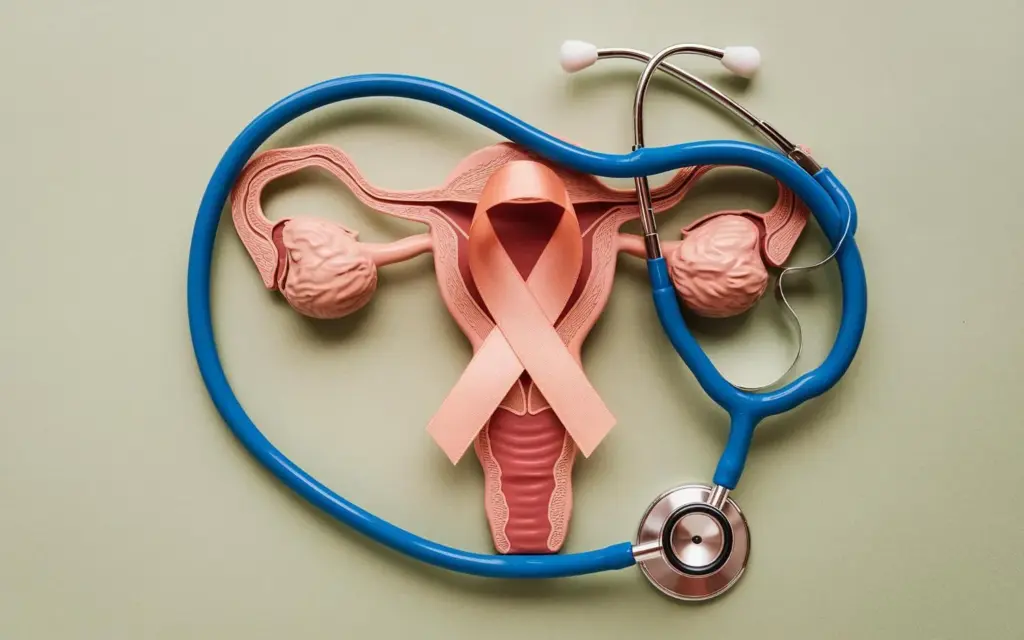
Certain cancer therapies can cause significant weight changes in patients. Understanding the mechanisms behind these changes is key. These treatments, while lifesaving, can have complex side effects, including changes in body composition. We will look at the treatments that lead to weight gain, helping patients and healthcare providers manage these effects better.
Chemotherapy Regimens Most Associated with Weight Gain
Chemotherapy is a mainstay in cancer treatment, but some regimens lead to weight gain. Treatments with corticosteroids can increase appetite and cause weight gain. Some chemotherapy agents also cause fatigue, leading to less physical activity and more weight changes.
A study found that “the use of corticosteroids in chemotherapy regimens can have a profound effect on a patient’s weight.” Managing these side effects requires a detailed approach. This includes dietary changes and exercise plans tailored to the patient’s condition.
Hormonal Therapies and Their Effect on Body Composition
Hormonal therapies, used in hormone-sensitive cancers like breast and prostate cancer, can greatly affect body composition. For example, therapies that lower estrogen or testosterone can change fat distribution and muscle mass. This often results in weight gain.
A study on hormonal therapies showed that patients undergoing these treatments experienced notable changes in body composition. This highlights the need for monitoring and managing these effects.
Steroid Medications in Cancer Treatment
Steroid medications are used in cancer treatment to manage symptoms like inflammation and nausea. But long-term use can lead to significant weight gain due to increased appetite and water retention. It’s important to manage steroid use carefully to minimize these side effects.
“Long-term steroid use can have profound effects on body weight and composition, necessitating careful management strategies.”
A Clinical Study on Steroid Use
Prostate Cancer: Weight Changes Throughout Disease Progression
Prostate cancer and weight changes are closely linked. The disease’s progress and treatment methods impact body weight differently. The stage of the disease and the treatment type are key factors.
Weight Loss with Early Prostate Cancer
In the early stages, weight loss is common. This can happen due to changes in appetite, metabolism, or the body’s reaction to cancer. It’s vital for patients to eat healthily during this time. Talking to a healthcare provider or nutritionist about a personalized diet plan is recommended.
Weight Gain During Hormonal Therapy for Advanced Disease
When prostate cancer gets worse, hormonal therapy is often used. But, this therapy can cause weight gain. Hormonal treatments, like those that lower testosterone, can change body composition. We’ll look at how these changes affect patients and how to manage them.
- Increased fat mass, mainly around the belly
- Changes in muscle mass and strength
- Potential for increased risk of metabolic syndrome
Androgen Deprivation Therapy and Body Composition Changes
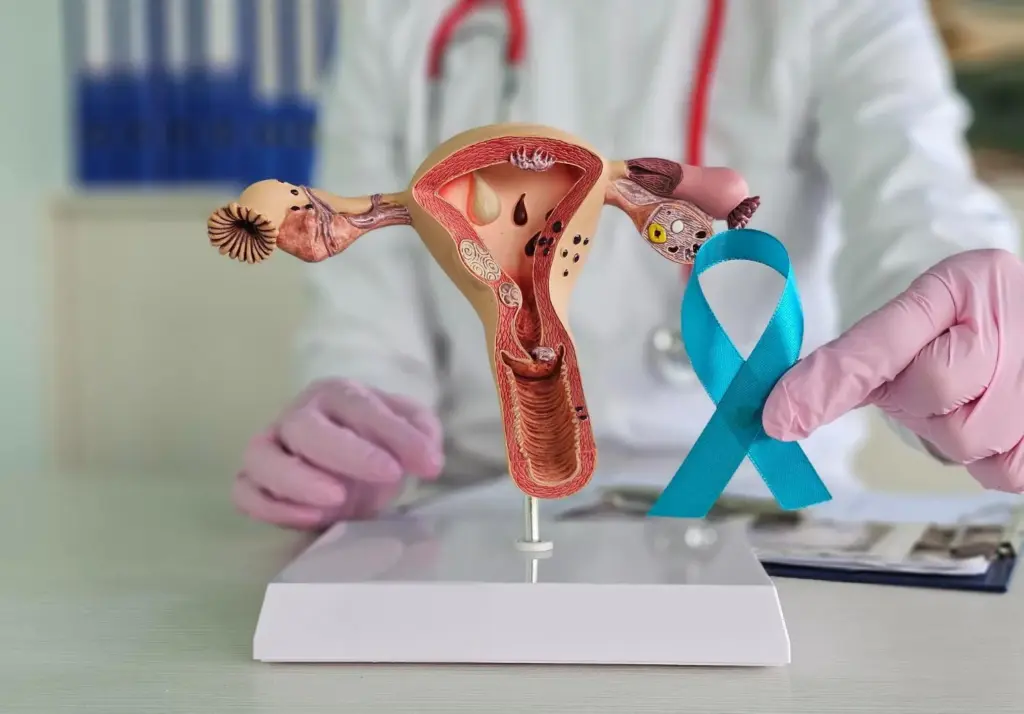
Androgen deprivation therapy (ADT) is used for advanced prostate cancer. It lowers testosterone levels. ADT can cause significant body composition changes, like more body fat and less muscle. These changes can impact a patient’s quality of life and raise the risk of other health problems. It’s important to consider these effects when treating prostate cancer.
“The impact of androgen deprivation therapy on body composition and metabolic health is a critical consideration in the management of advanced prostate cancer.”
— Expert Opinion
It’s key to understand how prostate cancer and its treatments affect weight. By addressing these changes, healthcare providers can help patients manage symptoms and enhance their quality of life.
What Causes Rapid Weight Gain in Cancer Patients
It’s key to understand why cancer patients gain weight quickly. This weight gain can harm their health and mood.
Defining Rapid Weight Gain
Rapid weight gain means gaining a lot of weight in a short time. For cancer patients, this can happen due to changes in body composition, fluid buildup, or metabolic changes.
For these patients, gaining 2-3 pounds a week or 5-6 pounds a month is too fast. But how fast is too fast can vary. It depends on the cancer type, treatment, and overall health.
Distinguishing Between Fat Gain and Fluid Retention
It’s important to tell the difference between fat gain and fluid retention. Fluid retention, also known as edema, is common in cancer patients, often during chemotherapy or with liver or kidney cancer.
|
Characteristics |
Fat Gain |
Fluid Retention |
|---|---|---|
|
Onset |
Gradual |
Rapid |
|
Distribution |
Generally distributed |
Often localized (e.g., limbs, abdomen) |
|
Associated Symptoms |
May be accompanied by increased appetite |
Often accompanied by swelling, discomfort |
When Sudden Weight Gain Requires Immediate Medical Attention
Sudden weight gain can be a sign of a serious problem. Cancer patients should get medical help if they have severe swelling, trouble breathing, chest pain, or a fast heartbeat.
It’s vital to watch weight changes closely and tell doctors about any big or quick gains. Quick action can help manage symptoms, improve life quality, and fix any problems fast.
The Obesity-Cancer Connection: 13 Cancer Types Linked to Weight Gain
Recent studies have shown a strong link between obesity and cancer. A big part of cancer cases in the U.S. are linked to being overweight. This shows how important it is to understand how extra weight can increase cancer risk.
Obesity affects many body processes, which can lead to a higher risk of cancer. About 40% of U.S. cancer diagnoses are associated with obesity. This highlights the need for effective weight management in preventing cancer.
Significant Cancer Risks Associated with Obesity
Being overweight increases the risk of many cancers. For example, biliary tract cancer has a 56% increased risk with obesity. Excess weight causes chronic inflammation and metabolic changes that can lead to cancer.
- Cancer Types Linked to Obesity:Biliary tract cancer
- Breast cancer
- Colorectal cancer
- Endometrial cancer
- Esophageal cancer
- Kidney cancer
- Liver cancer
- Ovarian cancer
- Pancreatic cancer
- Prostate cancer
- Thyroid cancer
- Gastric cardia cancer
- Meningioma
Mechanisms Linking Excess Weight to Cancer Development
Excess weight can lead to cancer through several ways. It causes chronic inflammation, insulin resistance, and hormonal changes. For example, obesity can increase insulin and insulin-like growth factors, which can help tumors grow. Also, fat cells produce hormones like estrogen, which can make some cancers grow faster.
It’s important to understand these mechanisms to prevent cancer. A recent press release by the Endocrine Society talks about, and cancer are.
By fighting obesity through lifestyle changes and treatments, we can lower cancer risk. This can also improve our overall health.
Gender-Specific Patterns in Cancer-Related Weight Gain
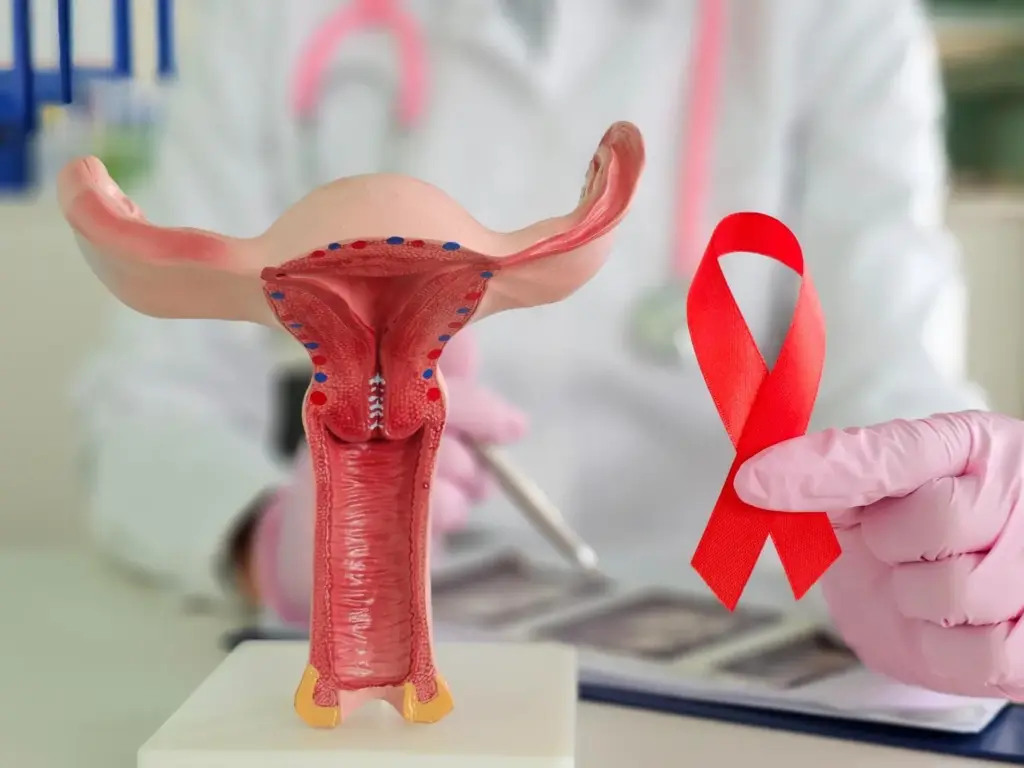
Studies show that weight gain from cancer varies by gender. This is due to hormonal and metabolic factors. Knowing these differences helps in creating better weight management plans for cancer patients.
What Causes Rapid Weight Gain in Females with Cancer
Women with cancer, like those with breast cancer, often see big weight changes. Hormonal changes, like changes in estrogen, play a big role. These changes affect how fat is stored and how fast the body burns calories.
Chemotherapy and hormone therapies can make women gain fat, mainly around the belly. Some treatments can also cause early menopause. This lowers estrogen levels, making weight control harder.
Oncologist
Male-Specific Weight Changes During Cancer Treatment
Men with cancer also see weight changes, but in different ways than women. For example, men on androgen deprivation therapy for prostate cancer might gain weight. This is because testosterone levels drop, changing body composition and increasing disease risks.
|
Treatment Type |
Common Weight Change |
Hormonal Influence |
|---|---|---|
|
Chemotherapy |
Weight gain |
Hormonal fluctuations |
|
Hormonal Therapy (Women) |
Weight gain, fat redistribution |
Estrogen level changes |
|
Androgen Deprivation Therapy (Men) |
Weight gain, increased fat mass |
Testosterone level reduction |
Hormonal Differences That Affect Weight Regulation
The main reason for weight change differences in men and women with cancer is hormonal differences. Sex hormones like estrogen and testosterone affect metabolism and body shape. Knowing this helps in managing weight during cancer treatment.
For both men and women, managing weight during cancer treatment needs a full approach. This includes watching hormonal changes, eating right, and staying active. By understanding and addressing these gender-specific patterns, healthcare can provide better care.
Nutritional Strategies for Managing Cancer-Related Weight Changes
Weight changes during cancer treatment can be tough. But, there are ways to manage them. Cancer patients often see their weight go up and down. This can happen for many reasons, like the type of cancer and the treatment.
Evidence-Based Dietary Approaches During Treatment
Keeping a balanced diet is key during cancer treatment. Evidence-based dietary approaches suggest:
- Eat more calorie-rich foods that are also nutrient-dense
- Have smaller meals more often
- Avoid foods high in sugar, salt, and unhealthy fats
- Drink plenty of fluids
These changes can help manage weight and support health during treatment.
Working with Oncology Nutritionists
Oncology nutritionists are very important for cancer patients. They help create personalized dietary plans to meet specific needs. Working with them can offer:
- Custom advice on handling treatment side effects
- Ways to keep or gain weight
- Advice on nutritional supplements if needed
Supplements and Pills to Increase Weight When Needed
Some cancer patients might need extra nutrition to gain or keep weight. Nutritional supplements can be suggested by doctors. It’s important to:
- Always talk to a doctor before starting supplements
- Pick supplements that are full of nutrients and safe for cancer patients
- Keep an eye on weight and nutrition levels
By using these nutritional strategies, cancer patients can handle weight changes better.
Physical Activity Guidelines for Cancer Patients Experiencing Weight Gain

For cancer patients gaining weight, adding physical activity to their care plan is very helpful. It not only helps control weight but also boosts health and happiness during and after treatment.
Safe Exercise Protocols During Different Treatment Phases
Cancer treatment varies, so does the approach to exercise. We suggest patients talk to their healthcare team to create a custom exercise plan. Moderate-intensity aerobic exercises, like brisk walking or cycling, are usually safe and good during treatment.
- During chemotherapy, adjust exercises based on how you feel. You might do less on days with more side effects.
- After surgery, start with gentle exercises to build strength and mobility. Your doctor will guide you.
- For those getting radiation, staying active can help with fatigue and other side effects.
How Physical Activity Helps Regulate Treatment-Related Weight Gain
Physical activity is key in managing weight gain from treatment. It burns calories and improves metabolic health. It can also lessen some metabolic side effects from cancer treatments.
- Regular exercise boosts insulin sensitivity, lowering the risk of metabolic syndrome.
- It helps improve body composition by increasing muscle and decreasing fat.
- Exercise also manages stress and improves mood, which is vital during treatment.
Adapting Exercise to Individual Limitations
It’s important to make exercise plans fit each patient’s abilities and limits. This might mean modifying exercises or finding alternative activities that are easier to do.
For example, those with mobility issues might do chair-based exercises or water-based therapies. Others might start with very low-intensity activities and gradually increase as they get stronger.
With help from healthcare professionals, like physical therapists or oncology specialists, patients can create a safe and effective exercise plan. This plan will address their unique needs and help manage weight gain from treatment.
Psychological Impact of Cancer-Related Weight Changes
The psychological effects of weight changes due to cancer are very important. Cancer and its treatment can lead to significant weight changes, impacting both the physical and mental well-being of patients.
Body Image Concerns During and After Treatment
Cancer-related weight changes can deeply affect a patient’s body image. Changes in how they look can make them feel insecure and anxious about what others think.
During treatment, patients might gain or lose weight quickly. This can be very upsetting. Even after treatment, they may struggle with how they see themselves and how others see them.
Mental Health Support for Dealing with Physical Changes
Mental health support is key for patients facing these challenges. This support can be in many forms, like counseling, support groups, and therapy. These help with body image and self-esteem.
A study on the shows how important it is to meet the psychological needs of cancer patients. This is for their overall well-being.
“The psychological impact of cancer diagnosis and treatment should not be underestimated. It is essential to provide complete care that includes mental health support.”
Communication Strategies with Healthcare Providers
Talking openly with healthcare providers is important. Patients should share their body image concerns and mental health needs. This helps them get the right support.
Healthcare providers can help manage weight changes and their effects on the mind. They can suggest mental health resources and offer support and reassurance during treatment.
|
Support Strategies |
Description |
Benefits |
|---|---|---|
|
Counseling |
One-on-one or group therapy sessions |
Addresses body image concerns and improves mental health |
|
Support Groups |
Group meetings for patients to share experiences |
Fosters a sense of community and reduces feelings of isolation |
|
Therapy Sessions |
Targeted therapy for body image and self-esteem |
Enhances self-esteem and coping mechanisms |
In conclusion, the psychological impact of cancer-related weight changes is a big concern. We need to address body image issues, offer mental health support, and encourage open communication with healthcare providers. This way, we can better support cancer patients through their treatment.
Conclusion
We’ve looked into how cancer and weight gain are linked. We’ve seen many reasons why cancer patients might gain weight. This weight gain can really affect their life and how well they do with treatment.
It’s key to find ways to manage weight gain in cancer patients. We talked about the need for a full plan. This plan should include good food choices, staying active, and mental health care. With the help of doctors, patients can make a plan that works for them.
We’ve learned that knowing about weight gain in cancer is important. Understanding why it happens helps us support patients better. Plans that include healthy eating, exercise, and mental support can really help patients do well.
FAQ
What types of cancer are most commonly associated with weight gain?
Cancers like breast, endometrial, and ovarian are often linked to weight gain. This is due to hormonal changes and treatment side effects.
How does chemotherapy contribute to weight gain in cancer patients?
Some chemotherapy can cause weight gain. It does this by increasing appetite, causing fluid retention, or changing how the body uses energy.
What is considered rapid weight gain in cancer patients, and when should it be a concern?
Rapid weight gain is more than 2-3 pounds a week or 5-7% of body weight quickly. It’s urgent if you also have swelling, shortness of breath, or stomach pain.
Can hormonal therapies for cancer cause weight gain?
Yes, hormonal therapies for breast and prostate cancer can cause weight gain. They change hormone levels, affecting how the body uses energy and its composition.
How can cancer patients manage weight gain during treatment?
Managing weight gain needs a mix of nutrition and physical activity. Work with oncology nutritionists and follow safe exercise plans tailored to your needs.
Are there any supplements or pills that can help with weight gain in cancer patients?
Some supplements might help with weight gain. But, always talk to your doctor before taking them to make sure they’re safe and right for you.
How does obesity relate to the risk of developing certain cancers?
Obesity increases the risk of many cancers, including biliary tract cancer. A lot of U.S. cancer cases are linked to being overweight.
Can brain tumors affect weight regulation?
Yes, some brain tumors can affect weight by changing hormone levels and appetite.
What role does physical activity play in managing cancer-related weight gain?
Exercise helps control weight gain from treatment, improves health, and should fit your abilities and treatment stage.
How can cancer patients address body image concerns related to weight changes?
To deal with body image issues, seek mental health support, talk openly with doctors, and find ways to cope with physical changes.
What causes rapid weight gain in females with cancer?
Rapid weight gain in women with cancer can come from hormonal changes, fluid retention, or treatments. It’s important to tell the difference between fat gain and fluid retention.
How does thyroid cancer affect metabolism and weight?
Thyroid cancer and its treatment can change how fast you metabolize, affecting weight. Careful management, like hormone therapy, is needed to keep weight stable.
Reference
Washington University School of Medicine. Excess Weight Linked to 8 Types of Cancer. https://medicine.washu.edu/news/excess-weight-linked-8-types-cancer/
NCBI. PMC article. https://pmc.ncbi.nlm.nih.gov/articles/PMC11839733/
Endocrine Society. ENDO 2025 Press Release. https://www.endocrine.org/news-and-advocacy/news-room/endo-annual-meeting/endo-2025-press-releases/ahmed-press-release
NCBI. PMC article. https://pmc.ncbi.nlm.nih.gov/articles/PMC9857053/
ScienceDaily. Research Release. https://www.sciencedaily.com/releases/2025/07/250714052235.htm