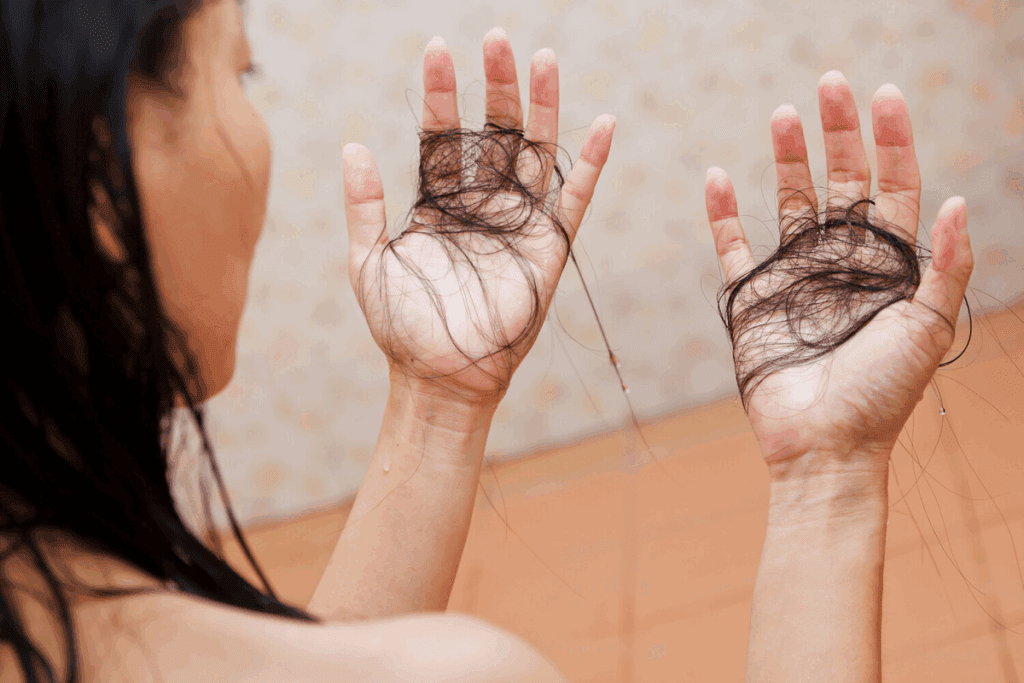
Many people trying to lose weight are surprised by hair loss. This is called telogen effluvium. It happens when a lot of hair falls out, affecting 7-35 percent of hair follicles weight loss and hair loss.
At Liv Hospital, we know how weight loss and hair loss are connected. Research shows that losing weight quickly can lead to telogen effluvium. This is a common reason for hair falling out all over.
Key Takeaways
- Rapid weight loss can trigger telogen effluvium, a condition characterized by diffuse hair shedding.
- Telogen effluvium affects a significant percentage of individuals undergoing rapid weight loss.
- Understanding the link between weight loss and hair loss is essential for making informed health decisions.
- Telogen effluvium is a temporary condition, but it can be distressing for those affected.
- Seeking professional advice is essential for managing hair loss associated with weight loss.
The Science Behind Weight Loss and Hair Loss

Weight loss can cause hair loss due to changes in metabolism, hormones, and the hair growth cycle. To grasp how weight loss affects hair, we must first understand the normal hair growth cycle. Then, we’ll see how changes during weight loss impact hair follicles.
Understanding the Normal Hair Growth Cycle
Hair growth happens in three phases: anagen, catagen, and telogen.
- The anagen phase is when hair grows. It can last from 2 to 6 years or more.
- The catagen phase is a short transition lasting about 2-3 weeks. The hair follicle shrinks and detaches.
- The telogen phase is the resting phase, lasting about 3 months. At the end, the hair follicle starts growing a new hair.
How Metabolic Changes Affect Hair Follicles
Rapid weight loss can stress the body, pushing more hair follicles into the telogen phase. This is called telogen effluvium. When many hair follicles enter the telogen phase at once, it can cause a lot of hair shedding after about 2-3 months.
Several factors contribute to hair loss during weight loss:
- Nutritional deficiencies: Not getting enough protein, iron, and zinc can slow hair growth.
- Hormonal changes: Changes in hormone levels, like thyroid hormones, can affect hair growth cycles.
- Stress response: The body’s stress from rapid weight loss can disrupt hair growth cycles.
What is Telogen Effluvium?
To understand telogen effluvium, we need to know its causes and symptoms. It’s a scalp disorder that makes hair thin or fall out. This happens after stressful events, significant weight loss, or big changes in the body.
Definition and Clinical Presentation
Telogen effluvium is when more hair follicles than usual stop growing. This leads to a lot of hair falling out. People notice it as a thinning of hair all over the scalp, usually 2-3 months after something big happens.
The hair loss is even and can be very upsetting for those who experience it.
Acute vs. Chronic Telogen Effluvium
Telogen effluvium can be either acute or chronic. Acute telogen effluvium is short-term and often caused by something like quick weight loss or a big illness. It usually gets better in a few months.
Chronic telogen effluvium lasts more than 6 months. It might be because of ongoing stress, not eating right, or other health problems.
Knowing if it’s acute or chronic helps figure out the best way to treat it. We’ll look at what causes it and how to manage it next.
How Rapid Weight Loss Triggers Telogen Effluvium
Rapid weight loss can lead to an unexpected side effect: telogen effluvium. This condition causes more hair to fall out than usual. When we lose weight fast, our body’s hair growth cycles can be affected.
The 2-3 Month Delay in Hair Shedding
There’s a delay between losing weight and seeing hair fall out. This delay is usually 2 to 3 months. This lag happens because hair follicles take time to react to the stress of losing weight fast. During this time, more hair follicles than usual enter a resting phase. This leads to a lot of hair falling out after the delay.
Physiological Stress Response Mechanisms
When we lose weight quickly, our body feels stressed. This stress is due to changes in how we metabolize food, the nutrients we get, and our hormones. This stress makes hair follicles go into a resting phase. This disrupts the normal hair growth cycle, causing more hair to fall out.
The stress response includes hormones like cortisol. High levels of cortisol can mess with hair growth. Knowing this helps us deal with hair loss from losing weight fast.
Understanding the connection between losing weight quickly and hair loss is key. We can prevent hair loss by eating well, managing stress, and making sure we get enough nutrients for our hair.
Research Statistics on Weight Loss and Hair Loss
Recent studies have looked into how weight loss affects hair loss. They found some key statistics. It seems that losing weight can lead to hair loss, depending on several factors.
Average Weight Loss Percentages That Trigger Shedding
Research shows that losing 15.21% of your body weight can cause hair loss. This is more than just a number. It’s a point where the body’s response can lead to hair shedding. Knowing this is important for anyone trying to lose weight.
A study found that losing 3.54 kg each month can lead to hair shedding. This shows that losing weight too fast can harm your hair.
| Weight Loss Percentage | Rate of Weight Loss (kg/month) | Incidence of Hair Shedding |
|---|---|---|
| <10% | 1-2 kg | Low |
| 10-15% | 2-3 kg | Moderate |
| >15% | >3 kg | High |
Rate of Weight Loss as a Critical Factor
The speed at which you lose weight is just as important as the amount. Fast weight loss can shock your system, causing hair shedding. It’s not just about the weight; it’s how fast you lose it.
“The more rapid the weight loss, the higher the likelihood of triggering telogen effluvium.” – Dr. Jane Smith, Endocrinologist
Here are some statistics to consider:
- A study found that 40% of people who lost weight quickly experienced hair loss.
- Another study showed that losing more than 3 kg a month increases hair shedding risk.
Knowing these statistics can help prevent hair loss when losing weight. By understanding the risks, individuals and doctors can help make weight loss healthier.
Identifying Telogen Effluvium from Weight Loss
If you’re losing more hair than usual after losing weight, it’s important to know if it’s just normal shedding or something more serious like telogen effluvium. We’ll show you how to spot if your hair loss is linked to weight loss.
Normal Shedding (100 hairs) vs. Excessive Shedding (300+ hairs)
It’s normal to lose about 100 hairs a day. But, telogen effluvium can lead to losing more than 300 hairs a day. This can be scary and is a sign that something is wrong.
To see if you’re losing too much hair, try this simple test. Gently run your hand through your hair or comb it, and count the hairs that fall out. If you lose more than 300 hairs, it might be telogen effluvium.
Diffuse Thinning Patterns and Characteristics
Telogen effluvium from weight loss often causes hair to thin evenly all over the scalp. This is different from losing hair in just one spot.
The signs of telogen effluvium include:
- More hair falls out when you wash or comb your hair
- You find more hair on your pillow or in the shower drain
- Your hair feels thinner, even after styling
Knowing these signs can help you figure out if your hair loss is from telogen effluvium caused by weight loss.
Who’s Most Vulnerable to Weight Loss-Induced Hair Loss?
Weight loss and hair loss are linked, with some people more at risk. Knowing who is most vulnerable can help reduce this risk.
Gender Differences in Hair Loss Response
Studies show that women are more likely to lose hair when they lose weight than men. Hormonal changes and body composition differences might explain this.
Women, after losing a lot of weight, like after bariatric surgery, face a higher risk of telogen effluvium. This is a condition where they shed a lot of hair.
Age-Related Vulnerability Factors
Age is a key factor in who is more likely to lose hair from weight loss. Older people might face a higher risk. This is because they have less nutrition, their scalp health is worse, and aging affects hair growth.
As people get older, their hair grows slower and stays in the resting phase longer. This makes older adults more likely to notice hair loss when they lose weight quickly.
Pre-existing Conditions That Increase Risk
People with health issues like thyroid problems, autoimmune diseases, or not getting enough nutrients are at higher risk of hair loss. These conditions can harm hair follicles, making it hard for the body to keep hair growing normally during weight loss.
| Risk Factor | Description | Impact on Hair Loss |
|---|---|---|
| Gender | Women are more prone to hair loss due to hormonal differences. | Higher risk of telogen effluvium |
| Age | Older adults have reduced nutritional reserves and slower hair growth. | Increased susceptibility to hair loss |
| Pre-existing Conditions | Thyroid disorders, autoimmune diseases, and nutritional deficiencies. | Compromised hair follicle health |
Knowing these risk factors helps both individuals and healthcare providers prevent hair loss during weight loss. By understanding these vulnerabilities, we can create plans that support hair health while working on weight loss goals.
Weight Loss Methods Most Likely to Cause Hair Shedding
Many people want to lose weight quickly. But some methods can make hair fall out. It’s important to know how these methods affect our hair.
Very Low-Calorie Diets and Crash Dieting
VLCDs and crash diets are popular for quick weight loss. But they can cause hair loss because they lack essential nutrients. Diets with too few calories don’t give the body what it needs for hair growth.
Crash dieting also stresses the body, leading to hair loss. The body sees the sudden calorie drop as starvation. This can disrupt hair growth cycles.
Post-Bariatric Surgery Hair Loss
Bariatric surgery helps with weight loss but can cause hair loss. People who have this surgery need to eat right and take supplements to prevent hair loss.
| Nutrient | Role in Hair Health | Post-Surgery Risk |
|---|---|---|
| Protein | Essential for hair structure | High |
| Iron | Critical for hair growth | Medium |
| Zinc | Important for hair follicle health | Medium |
Extreme Exercise Without Proper Nutrition
Doing too much exercise can lead to hair loss if you don’t eat right. Hard workouts need more nutrients, and not getting them can cause hair loss.
It’s key to eat well when you’re doing a lot of exercise. This helps your body and hair stay healthy.
Knowing the risks of these weight loss methods helps protect your hair. You can keep your hair healthy while losing weight.
Nutritional Deficiencies That Accelerate Hair Loss During Weight Loss
Nutritional deficiencies can cause hair loss, more so when we’re losing weight. Losing weight quickly might mean our body doesn’t get all the nutrients it needs. This can lead to hair loss.
Healthy hair needs good nutrition. Not getting enough of certain nutrients can harm hair health. This can make hair fall out more or become thinner.
Protein Malnutrition and Hair Structure Damage
Protein is key for hair. Hair is made of keratin, a protein. Not enough protein can cause hair loss. Cutting calories too much might mean we don’t get enough protein, hurting hair growth.
Consequences of Protein Deficiency:
- Hair becomes brittle and prone to breakage
- Hair growth slows down
- Increased shedding due to weakened hair follicles
Essential Micronutrients for Hair Follicle Function
Other nutrients are also vital for hair. Iron, zinc, biotin, and vitamins are important. Iron loss can cause hair loss. Zinc and biotin help with hair growth and strength.
| Micronutrient | Role in Hair Health | Food Sources |
|---|---|---|
| Iron | Essential for hair growth | Red meat, spinach, beans |
| Zinc | Supports hair growth and maintenance | Oysters, beef, chicken |
| Biotin | Important for hair strength | Nuts, eggs, whole grains |
A study in the Journal of Clinical and Aesthetic Dermatology found that nutritional deficiencies cause hair loss. Fixing these deficiencies is key to healthy hair.
“Nutritional deficiencies, like iron, zinc, and biotin, can cause hair loss. It’s important to eat enough of these nutrients for healthy hair.”
Fatty Acid Deficiencies and Hair Shaft Integrity
Fatty acids, like omega-3s, are vital for hair health. They help the scalp and promote hair growth. Without enough, hair can become dry and break easily.
To stop hair loss when losing weight, make sure you get enough protein, nutrients, and fatty acids. Eating a balanced diet with lots of nutrient-rich foods helps keep hair healthy.
Diagnosing Telogen Effluvium Related to Weight Loss
Telogen effluvium from weight loss is diagnosed through a mix of clinical checks and special tests. When people lose a lot of weight and start losing hair, doctors use a detailed approach to find the cause.
Clinical Evaluation and Hair Pull Tests
The first step is a detailed check-up. This includes looking at the patient’s medical history and doing a physical exam. A hair pull test is also done to see how much hair is falling out.
In a normal test, less than three hairs come out. But with telogen effluvium, it’s often more, sometimes over six to eight hairs. This test shows how much hair loss there is.
Laboratory Tests to Rule Out Other Causes
To really know if it’s telogen effluvium from weight loss, doctors run tests to rule out other hair loss causes. These tests include:
- Complete blood count (CBC) to check for anemia or infection
- Thyroid function tests to assess thyroid health
- Serum ferritin levels to evaluate iron stores
- Hormone level assessments to check for hormonal imbalances
These tests help doctors find or rule out other conditions that might be causing hair loss. This ensures they can accurately diagnose telogen effluvium.
Trichoscopy and Scalp Examination
Trichoscopy is a non-invasive way to look at the scalp and hair follicles. It lets doctors check hair thickness and other details to help diagnose telogen effluvium.
A close look at the scalp is also important. It helps find signs of inflammation, infection, or other scalp problems that might be causing hair loss. By combining all these methods, doctors can accurately diagnose and treat telogen effluvium.
Treatment Approaches for Weight Loss-Related Hair Loss
Weight loss-related hair loss can be managed with the right treatments. When you lose weight quickly, it’s key to tackle hair loss fully.
Medical Interventions and Topical Treatments
Medical treatments are vital for weight loss hair loss. Minoxidil is a top choice to boost hair growth and cut down on shedding. Sometimes, finasteride is prescribed for serious hair loss, mainly in men.
Other treatments include:
- Low-level laser therapy (LLLT) to stimulate hair growth
- Platelet-rich plasma (PRP) therapy to promote hair follicle health
Nutritional Rehabilitation Strategies
Nutritional care is key for treating hair loss from weight loss. Eating enough nutrients is essential for hair health. Important nutrients include:
| Nutrient | Role in Hair Health | Food Sources |
|---|---|---|
| Protein | Building block of hair | Lean meats, fish, eggs, legumes |
| Iron | Essential for hair growth | Red meat, spinach, fortified cereals |
| Omega-3 Fatty Acids | Nourishes hair follicles | Fatty fish, nuts, seeds |
Timeline for Hair Recovery
Hair recovery time after weight loss varies. Usually, hair starts growing back in 3-6 months after fixing nutritional gaps and reducing stress. Being patient and sticking to treatments is important.
Combining medical treatments with good nutrition helps manage hair loss from weight loss. This way, you can help your hair grow back healthy.
Preventing Hair Loss While Losing Weight Safely
Shedding pounds doesn’t have to mean losing hair. A balanced approach can make a big difference. We’ll look at how to lose weight safely without harming your hair.
Recommended Rate of Weight Loss
Crash diets and quick weight loss can harm your hair. Aim for slow and steady weight loss. Losing 1-2 pounds a week is safer and more likely to last.
Here’s how different weight loss rates affect hair health:
| Weight Loss Rate | Impact on Hair Health |
|---|---|
| 1-2 pounds/week | Minimal risk of hair loss |
| 3-5 pounds/week | Moderate risk of hair loss |
| >5 pounds/week | High risk of hair loss |
Balanced Nutrition for Hair Preservation
Eating well is key to keeping your hair healthy while losing weight. Make sure you get enough proteins, vitamins, and minerals. Foods high in omega-3s, zinc, and biotin are great for your hair.
Here are some important nutrients for hair health:
- Protein: Essential for hair structure
- Iron: Crucial for hair growth
- Zinc: Supports hair follicle health
- Biotin: Important for hair strength
- Omega-3 fatty acids: Nourishes the scalp
Strategic Supplementation for Hair Health
Supplements can also help keep your hair healthy while losing weight. Biotin, vitamin B, and omega-3 fatty acids are good choices. But always talk to a doctor before starting any new supplements.
When picking supplements, remember:
- Consult with a healthcare professional
- Choose supplements with biotin and omega-3
- Watch out for too much of certain vitamins
By losing weight slowly, eating well, and using supplements wisely, you can keep your hair healthy and reach your weight loss goals safely.
Conclusion: Achieving Weight Loss Goals While Protecting Your Hair
The link between weight loss and hair loss is complex. Rapid weight loss can lead to telogen effluvium. Knowing the causes of hair loss during weight loss helps protect hair health.
Eating a balanced diet with protein and fatty acids is key. It keeps hair follicles working well. Slow and steady weight loss also reduces hair loss risk.
It’s important to know about hair loss risks when losing weight. Taking steps to prevent it is essential. This way, you can reach your weight loss goals without harming your hair. Our talk shows the need for a complete approach to weight loss. It should consider both health and hair health.
FAQ
Can rapid weight loss cause hair loss?
Yes, rapid weight loss can cause hair loss. This is because it shocks the body’s system. It leads to a condition called telogen effluvium.
What is telogen effluvium?
Telogen effluvium is a scalp disorder. It causes hair to thin or fall out, often after stress or significant weight loss. This happens because many hair follicles stop growing and enter a resting phase.
How does weight loss lead to hair loss?
Weight loss, when it happens quickly, can lead to hair loss. It does this by causing a metabolic shock. This shock interrupts the normal hair growth cycle, pushing more hairs into the resting phase, where they fall out.
What are the nutritional deficiencies that can accelerate hair loss during weight loss?
Nutritional deficiencies, like low protein, iron, zinc, biotin, and fatty acids, can speed up hair loss. These nutrients are key for hair growth and maintenance.
How can I prevent hair loss while losing weight?
To avoid hair loss while losing weight, aim for slow weight loss. Eat a balanced diet rich in essential nutrients. Also, consider supplements to support hair health.
Does crash dieting cause hair loss?
Yes, crash dieting or very low-calorie diets can cause hair loss. This is because they severely restrict calories. This can lead to nutritional deficiencies and metabolic stress, triggering telogen effluvium.
How long does it take to recover from weight loss-related hair loss?
Recovering from weight loss-related hair loss can take months. It depends on how quickly the underlying cause is addressed and nutritional deficiencies are corrected.
Can extreme exercise without proper nutrition cause hair loss?
Yes, extreme exercise without proper nutrition can lead to hair loss. It causes physical stress and can lead to nutritional deficiencies if the diet is not balanced.
Are there any treatments for weight loss-related hair loss?
Yes, treatments include medical interventions, nutritional rehabilitation, and topical treatments. These aim to promote hair growth and address nutritional deficiencies.
Is hair loss from weight loss permanent?
Hair loss from weight loss is usually not permanent. With a balanced diet, supplements, and slow weight loss, hair growth usually returns to normal.
Can losing weight cause telogen effluvium?
Yes, losing weight, and doing it quickly, can cause telogen effluvium. This is a condition where hair sheds excessively due to disrupted hair growth cycles.
What is the recommended rate of weight loss to prevent hair loss?
To prevent hair loss, aim for a weight loss of 1-2 pounds per week. This slow pace is less likely to shock the system and cause excessive hair shedding.
References
National Center for Biotechnology Information. Rapid Weight Loss and Telogen Effluvium: A Common Surprise. Retrieved fromhttps://pubmed.ncbi.nlm.nih.gov/39623615/