


Achieve weight loss women over 60 desire. This complete guide explains the specific diet and metabolism hacks for older women.
Losing weight after 60 can be tough because of slower metabolism and hormonal shifts. But, studies show that older adults can lose a lot of weight with the right approach.
Keeping a moderate weight is key for staying healthy as we age. Our metabolism drops about 0.7 percent each year after 60. This makes it harder to shed pounds. Staying active and eating well can help a lot.
At Liv Hospital, we get the special challenges faced by those over 60. Our detailed guide will show you how to reach your weight loss goals. We focus on the body changes that happen during this life stage.
Key Takeaways
- Evidence-based approaches can lead to significant weight loss after 60.
- A balanced diet and regular physical activity are key for healthy aging.
- Metabolic decline and hormonal changes make weight management harder.
- Targeted strategies can help achieve weight loss goals.
- A complete guide can support individuals in this stage of life.
Understanding Age-Related Changes That Affect Weight
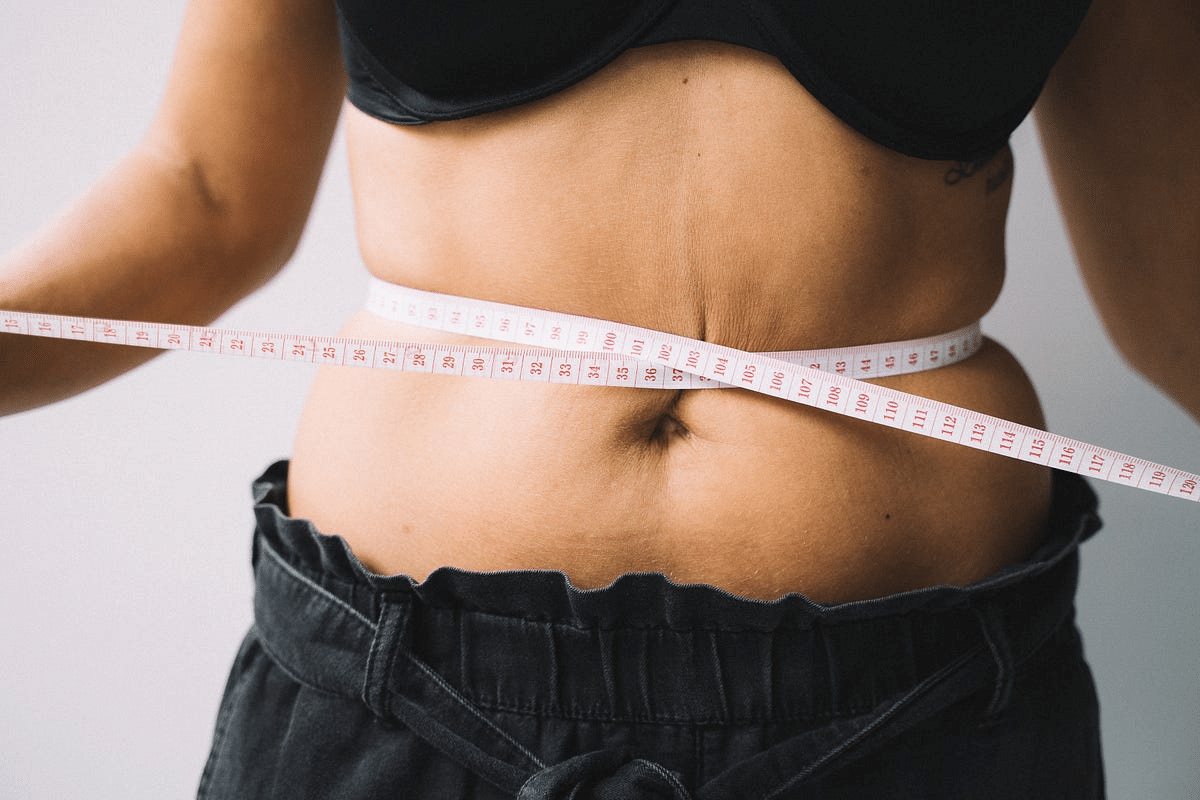
Aging brings changes in how our bodies handle fat. These changes can make it harder to manage our weight. Knowing about these changes helps us find better ways to lose weight after 60.
Metabolic Slowdown: The 0.7% Annual Decline
After 60, our metabolism slows down by about 0.7 percent each year. This makes it tougher to keep our weight in check. Experts say our metabolic rate drops by 2% to 3% every decade after 20. This means we need to eat right and stay active to stay healthy.
The metabolic slowdown is a big reason for weight gain after 60. It’s not just about eating less. It’s also about eating the right kinds of calories.
Hormonal Changes and Their Impact on Fat Storage
Hormonal changes with age can affect how we store fat. For example, some hormones decrease, leading to more belly fat. A study found that these changes can increase visceral fat, which is bad for our health. Knowing about these hormonal shifts helps us manage our weight better.
Age-Related Muscle Loss and Metabolic Consequences
As we age, we lose muscle mass, which slows down our metabolism. The less muscle we have, the harder it is to lose weight. It’s important to do strength training to keep our muscles strong. Fitness experts say keeping muscle through strength training is key to staying metabolically healthy as we age.
By understanding why we gain weight after 60, we can find ways to manage it better.
Why Weight Loss Becomes More Challenging After 60

Weight loss after 60 is tough due to several reasons. Our metabolism and body composition change with age. These changes make it harder to lose weight and keep it off.
Decreased Caloric Needs vs. Nutritional Requirements
Older adults need fewer calories but more nutrients like protein and vitamin B12. This makes it hard to get enough nutrients without eating too many calories. Nutritional needs must be balanced for good health.
To meet these needs, older adults should eat nutrient-rich foods. Foods like lean meats, fish, eggs, beans, and whole grains are good choices. They provide protein and fiber without too many calories.
Changes in Fat Distribution and Visceral Fat Increase
After 60, fat tends to build up around the belly, known as visceral fat. Visceral fat is a big health risk, linked to heart disease and diabetes. Women, after menopause, can have up to 20% of their body fat as visceral fat.
Hormonal changes, like those in menopause, play a role in this fat buildup. These changes can make it harder to lose belly fat.
Medication Side Effects That Influence Weight
Many older adults take several medications, some of which can affect weight. Some meds can make you hungrier, slow down your metabolism, or cause water retention. It’s important to talk to a doctor about these effects.
Managing weight after 60 needs a careful plan. Understanding these challenges and making smart choices can help older adults lose weight successfully.
The Obesity Epidemic Among Seniors: Understanding the Statistics
The Centers for Disease Control and Prevention (CDC) has found a worrying trend in obesity among older Americans. Studies show that 71 percent of those 60 and older are overweight or obese. This includes 41.5 percent who are obese. This highlights the urgent need to tackle obesity in seniors.
CDC Data on Overweight and Obesity After 60
The CDC has detailed data on overweight and obesity in older adults. Their reports show obesity rates among seniors have been rising. This trend is not just in the U.S. but worldwide as well.
Key Statistics:
- 71% of Americans aged 60 and older are overweight or obese.
- 41.5% of Americans aged 60 and older are classified as obese.
- The prevalence of obesity increases with age until around 70, then it begins to decline slightly.
Health Implications of Excess Weight in Older Adults
Excess weight in older adults leads to many health problems. It raises the risk of diseases like diabetes, heart disease, and some cancers. It also worsens joint pain and mobility issues, affecting seniors’ health and well-being.
|
Health Condition |
Impact of Excess Weight |
|---|---|
|
Diabetes |
Increased risk due to insulin resistance |
|
Heart Disease |
Higher risk of cardiovascular events |
|
Certain Cancers |
Increased risk, particular for hormone-related cancers |
|
Joint Pain and Mobility |
Exacerbated joint pain and reduced mobility |
Economic and Quality of Life Impact
The economic cost of obesity in seniors is huge. It includes higher healthcare costs for obesity-related conditions. Obesity also greatly affects seniors’ quality of life, limiting their independence and overall well-being.
The societal burden of obesity among seniors is not just financial; it also encompasses the emotional and social challenges faced by individuals and their families.
Health Benefits of Weight Loss After 60
Losing weight after 60 can greatly improve your life. As we get older, our bodies change, affecting our weight and health. But, losing weight at this age can bring many health benefits.
Reducing Chronic Disease Risk and Management
Weight loss after 60 can lower the risk of diseases like diabetes and heart disease. The Centers for Disease Control and Prevention (CDC) says a healthy weight can manage and prevent these conditions.
Losing weight can help in:
- Improving insulin sensitivity
- Lowering blood pressure
- Reducing the risk of heart disease
“Weight loss in older adults is associated with a reduced risk of developing type 2 diabetes and cardiovascular disease.”
JAMA
Improving Mobility, Balance, and Independence
Weight loss can also boost mobility, balance, and independence in older adults. By losing weight, people can reduce joint strain, making daily activities easier.
Some benefits include:
- Enhanced mobility
- Better balance
- Increased ability to perform daily tasks without assistance
|
Benefits |
Description |
|---|---|
|
Enhanced Mobility |
Easier movement and less strain on joints |
|
Better Balance |
Reduced risk of falls and related injuries |
Enhancing Mental Health and Cognitive Function
Weight loss after 60 can also boost mental health and cognitive function. Exercise and a balanced diet can lower depression and dementia risks.
Key advantages include:
- Reduced symptoms of depression
- Improved cognitive function
- Lower risk of dementia
Setting Realistic Weight Loss Goals for Seniors
Seniors starting their weight loss journey need to set realistic goals. As we age, our bodies change, affecting our weight and health. It’s key to aim for achievable weight loss goals after 60.
Determining a Healthy Weight Range for Your Age
Finding a healthy weight range is the first step. It depends on age, height, body type, and health. We use the Body Mass Index (BMI) calculator, but it’s not perfect for older adults.
A healthy weight for seniors is more than a number. It’s about finding a balance that supports health and lowers disease risk. For most adults, a BMI of 18.5 to 24.9 is normal. But for seniors, it might be different due to muscle loss.
Creating Achievable Milestones and Timelines
After finding a healthy weight range, set achievable goals. These should be specific, measurable, attainable, relevant, and time-bound (SMART). Losing 1-2 pounds a week is a good goal for most seniors.
Breaking down weight loss into smaller goals keeps motivation up. Celebrating these small wins is important for success.
|
Milestone |
Target |
Timeline |
|---|---|---|
|
Initial Weight Loss |
5% of current weight |
3 months |
|
Progress Check |
Review progress, adjust plan |
6 months |
|
Long-term Goal |
Reach healthy weight range |
1 year |
Focusing on Health Improvements Beyond the Scale
While the scale is important, don’t forget about overall health. Increase physical activity, eat better, and improve well-being. These changes can greatly improve health, even if the scale doesn’t show it.
Seniors should aim for a healthier lifestyle, not just weight loss. This positive mindset helps make lasting changes.
By focusing on health, seniors can live better, move more easily, and lower disease risk.
Weight Loss Women Over 60: Special Considerations
Women over 60 face unique challenges in losing weight. Menopause and postmenopausal changes play a big role. These changes can make it hard to lose weight and stay healthy.
Navigating Menopause and Postmenopausal Changes
Menopause brings hormonal changes that affect metabolism and body shape. Women often gain visceral fat around the belly. This fat is linked to health risks.
After menopause, fat distribution changes. Fat tends to gather around the waist. This is not just about looks. It also raises the risk of diseases like diabetes and heart disease.
Addressing Female-Specific Visceral Fat Accumulation
Visceral fat is a big worry for women over 60. This fat is active and can cause inflammation and insulin resistance. To fight it, women should eat better, move more, and manage stress.
|
Strategy |
Description |
Benefits |
|---|---|---|
|
Dietary Changes |
Eat whole, unprocessed foods like veggies, fruits, and lean proteins. |
Reduces calories, increases nutrients. |
|
Increased Physical Activity |
Do regular aerobic exercise and strength training. |
Increases metabolism, builds muscle. |
|
Stress Management |
Try yoga, meditation, or deep breathing. |
Lowers cortisol, boosts well-being. |
Hormone-Balancing Strategies for Weight Management
Hormone balancing is key for weight control in women over 60. This includes diet, lifestyle changes, and sometimes hormone therapy under a doctor’s watch.
- Dietary Interventions: Eat foods high in omega-3s and antioxidants for hormonal support.
- Lifestyle Modifications: Exercise regularly, get enough sleep, and manage stress to balance hormones.
- Hormone Replacement Therapy (HRT): Talk to a doctor about HRT’s benefits and risks for weight management.
Understanding these special needs helps women over 60 find effective weight loss plans. These plans can improve their health and life quality.
Nutrition Strategies for Seniors Trying to Lose Weight
For seniors looking to lose weight, knowing the right nutrition is key. As we age, our bodies change in ways that affect how we eat. This includes our metabolism, body composition, and nutritional needs.
Protein Requirements for Preserving Muscle Mass
Older adults need more protein to keep their muscles strong. This is important for health and staying mobile. Aim for 1.0 to 1.2 grams of protein per kilogram of body weight each day. Good protein sources are lean meats, fish, eggs, dairy, and plant-based options like legumes and nuts.
Example of High-Protein Foods:
|
Food |
Protein Content per Serving |
|---|---|
|
Chicken Breast |
31g per 3 oz serving |
|
Salmon |
20g per 3 oz serving |
|
Lentils |
18g per 1 cup cooked |
Anti-Inflammatory Foods to Combat Age-Related Inflammation
Chronic inflammation is common in older adults and can lead to health issues. Eating anti-inflammatory foods can help. These include fatty fish, berries, and leafy greens.
“The incorporation of anti-inflammatory foods into one’s diet can significantly reduce the risk of chronic diseases associated with aging.” – Nutrition Expert
Nutrient-Dense Eating on a Reduced Calorie Budget
Seniors often need to eat fewer calories but keep nutrient intake high. Focus on whole grains, lean proteins, and colorful vegetables. It’s important to avoid processed and high-sugar foods.
Nutrient-dense eating means every calorie counts for health.
Hydration Importance and Appetite Regulation
Drinking enough water is key for appetite control and health. Sometimes, thirst can feel like hunger, leading to extra calories. Drink at least 8 cups (64 oz) of water daily, adjusting based on activity and individual needs.
By following these nutrition tips, seniors can reach their weight loss goals. They will also improve their health and well-being.
Effective Exercise Approaches for Weight Loss After 60
Exercise is key for losing weight after 60. It helps fight off age-related changes. As we get older, our bodies change in ways that can affect our weight and health. A balanced exercise plan is vital for keeping weight off and feeling good.
Strength Training to Combat Sarcopenia
Strength training is important for keeping muscle mass, which decreases with age. This is called sarcopenia. By doing strength training, you can keep your muscles strong and boost your metabolism. Resistance exercises, like weightlifting or bodyweight exercises, work best. Try to do strength training two times a week, focusing on all major muscles.
Low-Impact Cardio Options for Joint Health
Low-impact cardio is great for seniors because it’s easy on the joints but good for the heart. Brisk walking, swimming, cycling, or using an elliptical machine are good choices. These activities help with weight loss and improve heart health. Aim for 150 minutes of moderate-intensity cardio each week.
Flexibility and Balance Exercises to Prevent Injury
Flexibility and balance exercises are key for avoiding injuries and staying mobile. Yoga, Pilates, or tai chi can improve flexibility, balance, and fitness. Adding these to your routine can lower the chance of falls and make daily activities easier.
Creating a Safe and Progressive Workout Routine
When planning your exercise, think about your current fitness and health. Start slow and gradually make your workouts harder. Talking to a healthcare provider or fitness expert can help create a routine that fits your needs. A well-planned workout routine helps you reach your weight loss goals safely.
|
Exercise Type |
Benefits |
Examples |
|---|---|---|
|
Strength Training |
Preserves muscle mass, boosts metabolism |
Weightlifting, bodyweight exercises |
|
Low-Impact Cardio |
Improves heart health, aids in weight loss |
Brisk walking, swimming, cycling |
|
Flexibility and Balance Exercises |
Enhances flexibility, reduces fall risk |
Yoga, Pilates, tai chi |
Managing Age-Related Obstacles to Weight Loss
Weight loss after 60 comes with its own set of challenges. Our bodies change with age, affecting our metabolism, mobility, and health.
Addressing Joint Pain and Mobility Limitations
Joint pain and mobility issues are common after 60. They can make losing weight harder. Low-impact exercises like swimming, cycling, or yoga help keep you moving without hurting your joints.
Adding gentle stretching and flexibility exercises can also help. They improve your range of motion and reduce stiffness.
Working Around Chronic Health Conditions
After 60, chronic health issues like diabetes, hypertension, and heart disease become more common. It’s important to manage these conditions through medication adherence and lifestyle changes. This is key for successful weight loss.
“By working closely with healthcare providers, individuals can develop a personalized plan that accommodates their health conditions while promoting weight loss.”
Overcoming Fatigue and Energy Conservation Strategies
Fatigue is a big obstacle to weight loss after 60. Pacing activities and taking regular rest periods can help save energy.
- Prioritize tasks to avoid overexertion
- Take regular breaks to rest and recharge
- Engage in gentle exercise to boost energy levels
Adapting to Changing Body Capabilities
Our bodies change with age, affecting our composition and abilities. Resistance training helps keep muscle mass. Balance exercises reduce fall risks.
We need to adjust our workouts to fit our changing bodies. Focus on functional fitness that supports daily life and overall health.
Success Stories: Real-Life Weight Loss After 60
Many people over 60 have found success in losing weight. These stories show that age doesn’t stop you from living a healthier life. With hard work and the right plan, you can lose weight and feel better.
Women Who Transformed Their Health After Menopause
Women have lost weight after menopause, despite hormonal changes. Jane Doe, a 65-year-old retired teacher, lost 30 pounds in six months. She did this by adding strength training and eating well to her daily life.
- Focused on nutrient-dense foods
- Incorporated strength training to combat muscle loss
- Managed stress through meditation and yoga
Men Who Reclaimed Their Vitality in Retirement
Men have also lost weight after 60. John Smith, a 68-year-old retiree, lost 40 pounds in a year. He did this by exercising regularly and eating a diet full of lean proteins and veggies.
- Started with low-impact cardio exercises like walking and swimming
- Increased protein intake to preserve muscle mass
- Monitored his calorie intake to ensure a deficit
Key Lessons from Successful Senior Weight Loss Journeys
Seniors who lost weight share important lessons. A balanced diet, regular exercise, and a supportive community are key. These help create a lasting weight loss plan.
“The journey to weight loss is not just about the number on the scale; it’s about improving your overall health and quality of life.”
By focusing on these areas, seniors can reach their weight loss goals. They can also keep a healthier lifestyle.
Conclusion
As we wrap up our guide on weight loss after 60, it’s clear that success comes from many angles. Understanding how age affects us, setting realistic goals, and using the best nutrition and exercise are key. These steps help people see big health improvements and better their lives.
Eating a balanced diet, full of protein and anti-inflammatory foods, is vital. It helps keep muscle mass and fights off age-related inflammation. Regular exercise, like strength training and low-impact cardio, keeps you mobile and independent. It’s also important to set reachable goals and timelines for a lasting weight loss journey.
Our last tips include staying hydrated, overcoming age-related hurdles, and adjusting to body changes. By sticking to these tips and choosing a healthy lifestyle, you can beat the challenges of losing weight after 60. This way, you can enjoy better health overall.
We urge you to begin your weight loss journey now. Armed with the right knowledge and strategies, you can reach your goals. With dedication and the right approach, you can live a healthier, more vibrant life after 60.
FAQ
Why is it harder to lose weight after 60?
Losing weight after 60 is tough. This is because our metabolism slows down, hormones change, and we lose muscle. These factors affect how we store fat and our metabolic rate.
What are the best weight loss strategies for women over 60?
Women over 60 need to consider how menopause affects their weight. They should focus on reducing belly fat and balance their hormones. This helps with weight loss.
How can seniors meet their protein requirements for preserving muscle mass?
Seniors should eat a diet rich in protein. Foods like lean meats, fish, eggs, dairy, and legumes help keep muscle mass. This is key for staying strong.
What type of exercise is best for weight loss after 60?
For weight loss after 60, focus on strength training. This fights muscle loss. Also, do low-impact cardio and exercises that improve flexibility and balance. This keeps joints healthy and prevents injuries.
How can I manage joint pain and mobility limitations while trying to lose weight?
To handle joint pain and mobility issues, do exercises that improve flexibility and balance. Work with a healthcare professional to create a safe workout plan. This helps you progress safely.
What are the health benefits of weight loss after 60?
Losing weight after 60 brings many health benefits. It lowers the risk of chronic diseases and improves mobility and mental health. It also enhances your overall quality of life.
How can I stay hydrated and regulate my appetite while trying to lose weight?
Drinking plenty of water is key for appetite control and health. Seniors should drink water all day to help manage hunger and support weight loss.
What are some effective nutrition strategies for seniors trying to lose weight?
Seniors should eat anti-inflammatory foods and focus on nutrient-dense foods while keeping calories low. Meeting protein needs is also important for health and weight loss.
How can I overcome fatigue and conserve energy while trying to lose weight?
To beat fatigue and save energy, seniors should do low-intensity exercises. Prioritize rest and recovery. Work with a healthcare professional to manage energy levels effectively.
What are some key lessons from successful senior weight loss journeys?
Successful weight loss for seniors involves setting realistic goals and using the right nutrition and exercise. It’s important to be patient, persistent, and seek support from healthcare professionals.
References
World Health Organization. Evidence-Based Medical Guidance. Retrieved from https://www.who.int/health-topics/healthy-ageing

























