When you get medical imaging tests like X-rays, CT scans, or MRIs, you might wonder who will tell you if something is wrong with the results. Usually, a radiologist looks at the images and writes a detailed report for your doctor. In some cases, a wet read radiology process may be used for quicker preliminary interpretation.
Waiting for test results can make you anxious. It’s important for radiologists to communicate clearly and quickly. This helps make patients happy and improves their health.
While radiologists mostly talk to doctors, how much they talk to patients can differ. It depends on the situation.
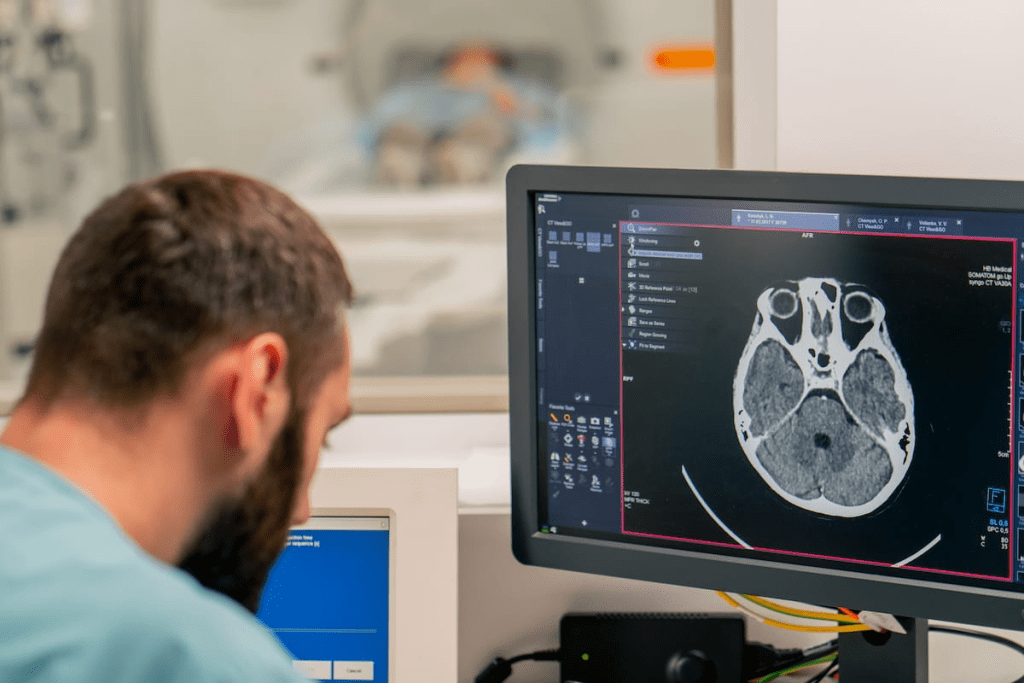
Understanding the process of radiologists sharing findings is key for patients. It helps set realistic expectations and lowers anxiety about test results.
Key Takeaways
- Radiologists usually share findings through detailed reports to the doctor who referred you.
- How much radiologists talk directly to patients can vary.
- Clear and quick communication is key to patient happiness and health.
- Knowing what radiologists do helps manage what you expect.
- Good communication lessens worry about medical imaging test results.
The Communication Chain in Radiology
In radiology, how findings are shared greatly affects patient care. It’s not just about telling patients what the tests show. It’s also about making sure they get the right treatment.
How Radiologists Typically Communicate Findings
Radiologists share their findings through detailed reports to the doctor who ordered the test. These reports include results from tests like X-rays and MRIs. They are key to deciding what to do next for the patient.
After the radiologist writes the report, it goes to the patient’s regular doctor. This doctor looks at the test results and decides what to do next. It’s all about making sure the patient gets the best care possible.
The Role of Your Referring Physician
The doctor who ordered the test is very important in this process. They talk to the patient about the test results and what to do next. This is key because it helps the patient understand their health situation.
It’s true that radiologists don’t usually talk directly to patients. This is because their reports are complex. Doctors need to understand them in the context of the patient’s health.
Why Direct Patient Communication is Limited
Radiologists are experts at giving doctors the information they need. But they don’t usually talk to patients directly. This is because their reports are technical and need a doctor’s interpretation.
But patients aren’t left in the dark. Their doctors can explain the findings and what they mean. This way, patients are well-informed and supported in their care.
Understanding Wet Read Radiology and Its Importance
Radiologists often give quick interpretations of imaging studies, called ‘wet reads.’ This helps doctors make fast decisions for patient care. It’s very important in emergencies where a quick diagnosis can change treatment plans.
What is a “wet read” in radiology?
A “wet read” is a quick look at an imaging study, like an X-ray or MRI. It’s given by a radiologist before a full report. This early look helps doctors make quick decisions for patient care.
In emergencies, fast diagnosis is key. A “wet read” lets doctors act fast. For example, it can show if a patient needs immediate surgery.
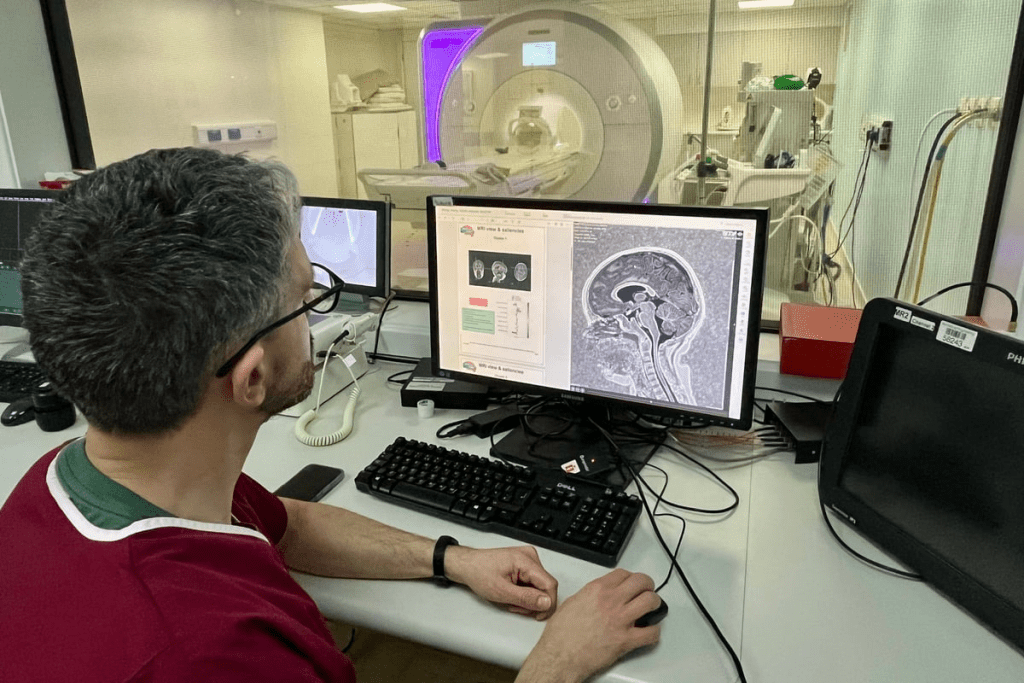
When preliminary readings are necessary
Preliminary readings are most important when quick decisions are needed. Emergency rooms and intensive care units often ask for them. For example, a radiologist’s quick look can guide surgeons in trauma cases.
Also, in urgent stroke cases, a fast CT scan reading is vital. It helps decide if a patient should get special stroke treatment. Quick imaging findings can save lives.
The difference between preliminary and final reports
A “wet read” is a quick look, while the final report is a detailed analysis. The final report comes after the radiologist has reviewed the images carefully. It’s used for long-term patient care and is part of the medical record.
Even though “wet reads” are preliminary, they’re key in urgent care. They help doctors make quick decisions. Understanding “wet reads” helps everyone see the importance of fast imaging in emergencies.
Who Actually Interprets Your Medical Images?
Medical images are key in diagnosing and treating health issues. When you get an X-ray or CT scan, the images are more than just pictures. They are detailed data that need a specialist to understand correctly.
Radiologists vs. Technologists: Key Differences
It’s important to know the difference between radiologists and technologists. Radiologists are doctors who specialize in reading images. They look for signs of problems like tumors. Technologists, on the other hand, run the imaging machines and make sure the pictures are clear. But they don’t interpret the images.
We count on radiologists to make the important diagnoses. Their skill is key in spotting problems early and accurately. This helps in planning the best treatment.
Who Reads X-Rays and CT Scans?
Radiologists are the ones who read X-rays, CT scans, and other images. For example, after a CT scan, a radiologist checks the images for signs of disease. Sometimes, a body imaging radiologist is called in. They specialize in the chest, abdomen, and pelvis, helping spot complex issues.
A study by the Radiological Society of North America shows the need for follow-up care after emergency imaging. Sadly, only 17% of patients get the care they need. This highlights the importance of clear communication and teamwork in healthcare.
Subspecialty Expertise in Radiology
Radiology has many special areas of focus. A body imaging radiologist, for example, gets extra training in diseases of internal organs. This specialized knowledge is critical for accurate diagnoses and treatment plans.
The role of radiologists, including their special areas, is vital. They help figure out if cancer is present during a biopsy or who looks at your CT scan. Their expertise is essential.
Timeframes: How Long Radiology Results Take
The time to get radiology results varies. It depends on the imaging type, urgency, and the imaging center’s policies.
Reporting Times for Different Imaging Studies
Each imaging study has its own reporting time. For example, screening mammogram results can take from a few hours to 10 days. But diagnostic mammogram results are usually ready during or right after the appointment.
X-rays and CT scans also have different times for results. Emergency imaging gets results faster than routine imaging. A global report shows results can range from hours for emergencies to days for non-urgent ones.
Factors That Delay Result Delivery
Several things can slow down getting radiology results. These include:
- The complexity of the imaging study
- The availability of radiologists to interpret the images
- The need for more imaging or consultations
- Technical issues with image transfer or storage
Knowing these factors helps patients and doctors plan better. It helps manage when to expect results.
Emergency vs. Routine Readings
Emergency and routine readings have different times for results. Emergency readings are fast, often in hours or minutes. But routine readings can take longer, sometimes up to days, based on the radiology department’s workload.
Patient advocacy groups push for better communication in radiology. They stress the need for timely and clear results to patients.
Special Considerations: Cancer Detection and Critical Findings
Radiologists are key in finding cancer through imaging and biopsies. Places like Liv Hospital focus on top-notch care and support for international patients. Radiologists are vital in making diagnoses.
Can Radiologists Tell if It’s Cancer During a Biopsy?
Radiologists use imaging to guide biopsies and spot cancer. They can see odd masses or lesions. But only a lab test can confirm cancer.
Studies show that getting a second opinion from a specialist can change diagnosis or treatment plans in up to 30% of cases. This shows how critical expert radiology is.
How Critical or Unexpected Findings Are Handled
When radiologists find something serious, they tell the doctor right away. The doctor then talks to the patient. Sometimes, radiologists talk directly to patients if the news is urgent.
The steps for dealing with serious findings include:
- Telling the doctor right away
- Writing it down in the report
- Checking in to make sure the patient gets the right care
The Concerning Statistics on Missed Follow-Ups
Not following up on abnormal findings can delay treatment. This can harm patient outcomes. It’s a big problem that needs fixing.
To avoid missed follow-ups, healthcare is using new methods. These include:
- Systems to track appointments
- Good communication between doctors and patients
- Telling patients why follow-ups are important
By tackling these issues and using radiologists’ skills, we can make care better and safer for everyone.
Conclusion: Ensuring You Get Your Radiology Results
It’s important for patients to know how radiology results are delivered. We’ve talked about how radiologists share findings and the role of wet read radiology. Now, let’s focus on how patients can get their results quickly.
Patients should talk to their healthcare provider about when they’ll get their results. This helps improve communication and patient satisfaction. Knowing that a radiologist, not a technologist, reads your X-rays can be reassuring.
Being informed and asking the right questions is key. Patients should understand who interprets their images and what to expect. Good communication is vital for getting the care you need.
FAQ
Will a radiologist tell you if something is wrong?
Radiologists usually share their findings with the doctor who ordered the test. This doctor then talks to the patient about the results. Even though patients might not hear directly from radiologists, these experts are key in reading medical images and writing detailed reports.
Who reads X-rays and CT scans?
Radiologists, who are doctors, are trained to read X-rays and CT scans. They write detailed reports for the doctor who ordered the test. This doctor then uses the results to understand the patient’s health better.
What is a “wet read” in radiology?
A “wet read” is when a radiologist quickly looks at imaging studies, often in emergencies. This helps the healthcare team make quick decisions about the patient’s care.
Can radiologists tell if it’s cancer during a biopsy?
Radiologists are important in finding cancer through imaging and biopsies. But diagnosing cancer usually takes more than just imaging. It also involves a biopsy and the doctor’s overall evaluation of the patient.
How long does it take to receive radiology results?
Getting radiology results can take anywhere from a few hours to several days. It depends on the type of test, how urgent it is, and the imaging center’s policies.
What factors influence the speed of radiology result delivery?
Several things can slow down getting results. These include how complex the test is, how busy the radiology team is, and if more tests or consultations are needed.
How are critical or unexpected findings handled?
If something serious or unexpected is found, the radiologist tells the doctor right away. The doctor then talks to the patient and plans the next steps in their care.
What is the difference between a preliminary and a final report?
A preliminary report, or “wet read,” is an initial look at imaging studies by a radiologist, often in emergencies. A final report is a more detailed analysis of the study, given after the preliminary report.
Who interprets medical images?
Radiologists, who are doctors, interpret medical images like X-rays and CT scans. Technologists, on the other hand, are healthcare workers who do the imaging tests.
References
- Centers for Medicare & Medicaid Services. (2020). Communication of Radiology Results to Patients. Retrieved fromhttps://www.cms.gov/medicare-coverage-database/view/lcd.aspx?lcdid=38438