
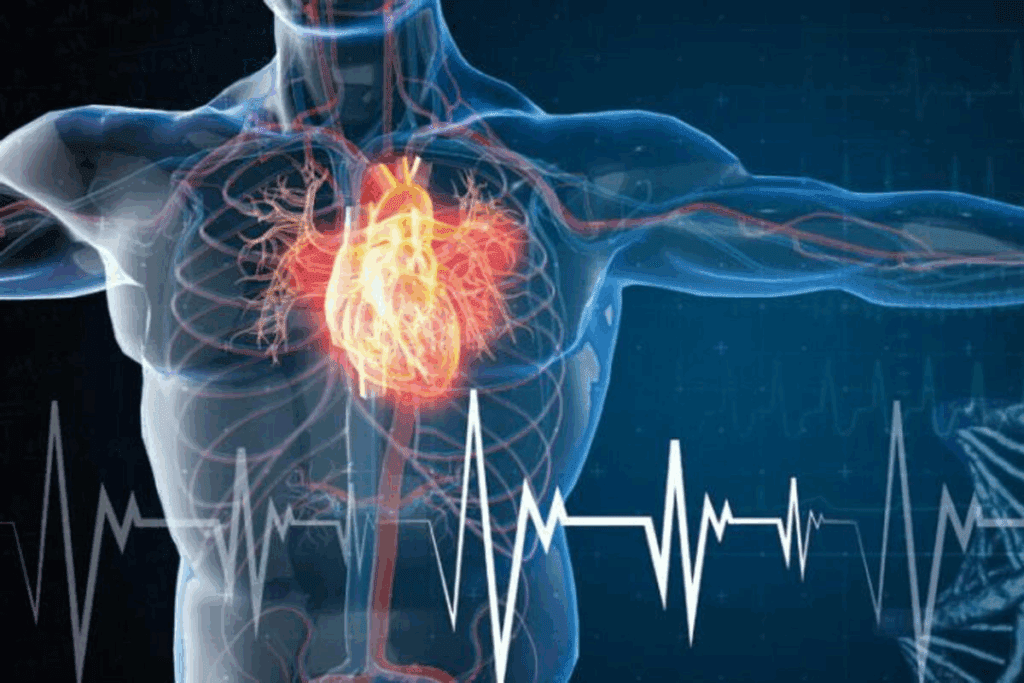
Knowing how well our hearts are working is key, more so when we feel chest pain or have trouble breathing. At Liv Hospital, we use top-notch tools to check heart health. One of these tools is the stress test. It checks how the heart does when we’re under stress, often by using a treadmill or medicine to mimic exercise.
Understand what a stress test can show about blocked arteries and your overall cardiovascular health.
This test looks at how the heart works when it’s under stress. Doctors can spot problems that don’t show up when we’re just sitting there. These can include signs of less blood flow, odd heartbeats, and even heart disease. The test can tell if there are big blockages in the arteries, usually those over 70% narrowed.
Key Takeaways
- A stress test checks how well the heart works under stress, often using a treadmill or medicines.
- It can show signs of less blood flow, odd heartbeats, and heart disease.
- The test results help figure out if there are big blockages in the arteries.
- Liv Hospital’s advanced tools give a full picture of heart health.
- Understanding heart health through stress tests is key for the right treatment plan.
Understanding Stress Tests and Their Purpose
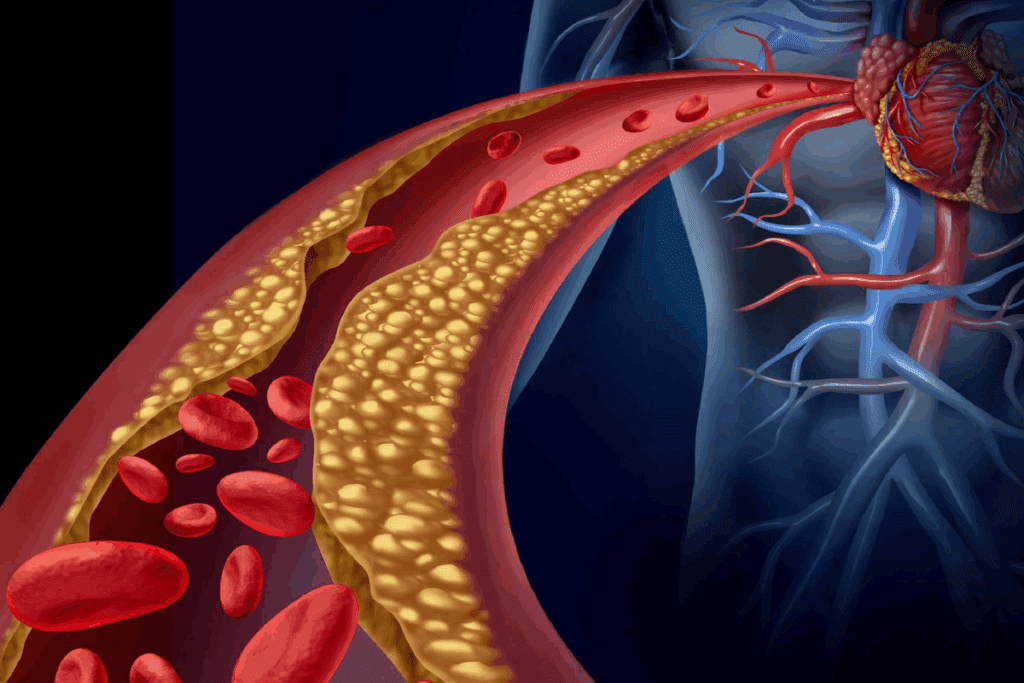
Cardiac stress tests are key tools for checking the heart’s health under stress. They see how well the heart works when it’s under more pressure. This can show problems like reduced blood flow, abnormal heartbeats, or signs of heart disease.
Definition and Basic Concept of Cardiac Stress Testing
Cardiac stress testing uses a treadmill or bike to stress the heart. If someone can’t exercise, medicine is used instead. The test watches the heart’s activity, like heart rate and blood pressure, while it’s stressed.
The idea is to see how the heart acts under stress compared to when it’s at rest. This helps doctors spot any heart disease signs.
Why Doctors Order Stress Tests
Doctors order stress tests for many reasons. They help find the cause of symptoms like chest pain or shortness of breath. They also check how severe heart disease is and the risk of heart problems. This helps doctors decide on the best treatment and care for the heart.
Some main reasons for stress tests are:
- Diagnosing coronary artery disease
- Evaluating the effectiveness of current treatments
- Assessing the risk of heart-related events
- Monitoring heart health after a heart attack or cardiac surgery
Here’s a quick look at the main reasons and benefits of stress tests:
| Purpose | Benefits |
| Diagnose coronary artery disease | Identify possible artery blockages |
| Evaluate treatment effectiveness | Change treatment plans if needed |
| Assess heart-related risk | Predict possible heart events |
Knowing the purpose and benefits of cardiac stress tests helps patients see their importance in heart health.
How Stress Tests Work: The Science Behind the Examination

Stress tests examine how the heart reacts to stress or exercise. We measure the heart’s function when it’s under the most stress. This is usually during exercise or with medication that acts like exercise.
The Physiological Response to Exercise or Stress
When exercising, the heart beats faster and blood pressure goes up. This is because the heart needs more blood. We watch these changes to see how well the heart handles stress.
The body needs more oxygen and nutrients when it exercises. The heart beats faster to pump more blood. We look at heart rate, blood pressure, and ECG readings to see how the heart responds.
Monitoring Heart Function Under Stress
Electrodes on the chest record the heartbeat. These are connected to an ECG machine. We also watch blood pressure and heart rate. This helps us see how the heart handles stress.
We keep an eye on ECG, blood pressure, and heart rate during the test. This lets us see how the heart is doing in real time. If we find any problems, we can stop the test and look further.
Stress tests give us important information about the heart. They help us find issues that might not show up when the heart is at rest. This helps us give our patients the best care possible.
Different Types of Stress Tests Explained
There are many stress tests available, each suited for different needs and conditions. These tests check how well the heart works when it’s stressed. They help doctors diagnose and treat heart problems.
Exercise Stress Tests (Treadmill Tests)
Exercise stress tests, or treadmill tests, are a classic choice. Patients walk on a treadmill while their heart rate and blood pressure are watched. The workout gets harder to stress the heart and see how it performs.
Key Features of Exercise Stress Tests:
- Monitor heart rate and blood pressure during exercise
- Gradually increase exercise intensity
- Assess heart function under stress
Pharmacological Stress Tests
Pharmacological stress tests are for those who can’t exercise well. They use medicines that make the heart work like it would during exercise. This way, doctors can check the heart’s function without needing the patient to move much.
Pharmacological stress tests are useful for:
- Patients with mobility issues
- Those who are unable to perform physical exercise
- Assessing heart function in a controlled environment
Stress Tests with Imaging
Stress tests with imaging, like echocardiography or nuclear scans, give more details about the heart. They show how blood flows and if there’s damage to the heart muscle. This gives a clearer picture of heart health.
| Type of Stress Test | Description | Key Benefits |
| Exercise Stress Test | Monitors heart function during physical exercise | Assesses heart health under stress, evaluates exercise capacity |
| Pharmacological Stress Test | Uses medication to simulate exercise effects on the heart | Ideal for patients unable to exercise, provides controlled stress assessment |
| Stress Test with Imaging | Combines stress testing with imaging techniques | Provides detailed images of heart function and blood flow, identifies possible damage |
Knowing about the different stress tests and their uses is key. It helps doctors choose the best test for each patient’s needs.
What a Stress Test Can Show About Your Heart
Stress tests give insights into your heart health. They check how your heart works during exercise. This helps doctors spot heart problems and check your blood flow.
Normal vs. Abnormal Results
Stress test results can be normal or abnormal. Normal results mean your heart works well under stress. Abnormal results might show heart issues that need more tests.
Abnormal results can show different heart problems. These include:
- Changes in the ECG that suggest heart muscle isn’t getting enough blood
- Symptoms like chest pain or trouble breathing when exercising
- Not reaching the expected heart rate during exercise
- Irregular heart rhythms or arrhythmias
Indicators of Coronary Artery Disease
Stress tests help find signs of coronary artery disease (CAD). CAD happens when heart arteries get narrowed or blocked by plaque.
During a stress test, certain signs can point to CAD. These include:
| Indicator | Description |
| Ischemia on ECG | Changes in the electrocardiogram that indicate reduced blood flow to the heart muscle |
| Chest Pain | Angina or chest discomfort during exercise, which may indicate reduced blood flow to the heart |
| Poor Exercise Capacity | Failure to achieve the expected workload or heart rate during exercise, potentially indicating heart disease |
These signs mean your heart might not get enough blood. This could be because of blockages in the heart arteries. If your test shows these signs, your doctor might want to do more tests. This could include a coronary angiogram to confirm the diagnosis and find the best treatment.
Detecting Blocked Arteries: Capabilities and Limitations
Stress tests are key in finding blocked arteries. They check how well the heart works when it’s stressed, usually through exercise or medicine. This helps doctors spot problems with blocked arteries.
Impact of Blockages on Stress Test Results
Big blockages in coronary arteries can cut down blood flow to the heart during exercise. This is called ischemia. Stress tests can pick up on this, showing signs of ischemia or odd heart rhythms. Blockages over 70% are usually found.
Blockages can change stress test results in a few ways:
- Less blood flow to the heart muscle, causing ischemia
- Odd heart rhythms or arrhythmias
- Changes in the electrocardiogram (ECG) during exercise
Threshold for Detection
Stress tests work best for finding big blockages, over 70%. Smaller blockages might not show up as easily. Knowing this helps doctors understand stress test results better.
Several things affect if a stress test finds blocked arteries:
- The size of the blockage in the coronary arteries
- If you have symptoms like chest pain or shortness of breath
- Your overall health and fitness
Doctors use these factors to know what stress tests can and can’t do.
Does a Treadmill Test Show Blockage?
A treadmill test is key for checking heart health. It shows if there are blockages in the heart’s arteries. This test helps us see how well the heart works when it’s stressed.
What Treadmill Stress Tests Specificall Reveal
Treadmill stress tests make the heart work harder, usually by walking. We watch the heart’s activity closely. We look for signs of blockages, like ischemia, or reduced blood flow.
Changes in the electrocardiogram (EKG) or symptoms like chest pain can show blockages. For example, ST-segment depression on the EKG during exercise might mean ischemia. Symptoms like chest pain or shortness of breath during exercise also suggest blockages.
Interpreting EKG Changes During Exercise
We watch the EKG closely during a treadmill stress test. EKG changes like ST-segment depression or elevation can mean heart disease. These changes help us figure out if there are blockages and what to do next.
Understanding these EKG changes takes skill. Our healthcare team knows how to spot these signs and what they mean for your heart.
We use the treadmill test results along with other tests to fully check your heart health. Then, we suggest the best treatment options.
Accuracy and Reliability of Stress Tests
It’s key to know how accurate stress tests are for diagnosing heart disease. These tests are very helpful, but their results can change based on different things.
Sensitivity and Specificity Rates
The accuracy of a stress test is shown by its sensitivity and specificity. Sensitivity means the test’s ability to find heart disease (true positive rate). Specificity means its ability to show who doesn’t have the disease (true negative rate). Stress tests usually have a sensitivity of 70% to 85%, meaning they catch most heart disease cases. But, specificity can vary, usually between 70% to 90%.
Factors Affecting Test Accuracy
Many things can change how accurate stress tests are. These include the patient’s age, gender, and health, as well as other medical conditions. For example, people with diabetes or on certain meds might react differently to stress, affecting the test. Also, the type of stress test used can make a difference.
Understanding False Positives and False Negatives
Stress tests, like any test, can make mistakes. False positives happen when a test says someone has heart disease when they don’t. False negatives happen when it misses disease in someone who does have it. Knowing about these mistakes is key to understanding test results and making good decisions.
Healthcare providers can improve how they use stress test results by knowing what affects their accuracy. This helps them make better choices for patient care.
Enhanced Accuracy: Stress Tests with Imaging
Adding imaging to stress tests has made them much more accurate. Tests like echocardiography or nuclear scans give a clear view of the heart. They spot heart muscle damage or ischemia better than basic tests.
How Imaging Improves Detection
Imaging with stress tests has many benefits. For example, nuclear stress tests use a radioactive tracer to show blood flow to the heart. Echocardiography stress tests use ultrasound to check heart wall motion and valve function during exercise.
These tests give doctors a clear picture of the heart’s function and blood flow. This helps them find coronary artery disease more easily.
Key advantages of stress tests with imaging include:
- Enhanced visualization of heart function and blood flow
- Improved detection of ischemia or heart muscle damage
- More accurate diagnosis of coronary artery disease
Comparing Standard Tests vs. Tests with Imaging
Standard stress tests and those with imaging are different. Standard tests mainly check heart rate and rhythm. Tests with imaging, though, give a detailed look at the heart’s structure and function.
This extra info helps doctors make better care plans. By combining standard tests with imaging, we get a full view of heart health. This helps us spot issues and plan treatments more effectively.
When Further Testing Is Needed After a Stress Test
After a stress test, your doctor might suggest more tests to understand your heart better. Stress tests are great for checking heart function. But sometimes, more tests are needed to confirm a diagnosis or plan treatment.
If a stress test shows big problems like ischemia or abnormal heart rhythms, more tests are likely needed. Stress tests can’t find all heart issues.
Indications for Coronary Angiography
Coronary angiography is often the next step to see the heart’s arteries up close. It uses contrast material to spot blockages. We suggest it when:
- Stress test results show big ischemia or heart rhythm issues.
- Symptoms keep coming back, even with a normal stress test.
- There’s a strong chance of coronary artery disease based on what we’ve seen.
This test gives us clear pictures of the arteries. It helps us see where and how bad blockages are. This info is key for deciding on treatment, like lifestyle changes, meds, or surgery.
Other Follow-up Diagnostic Procedures
Other tests might be suggested based on your stress test and overall health. These could be:
- Cardiac MRI or CT scans to check heart function and structure.
- Echocardiography to look at heart valve function and overall heart health.
- More blood tests to check for heart biomarkers or other important factors.
These tests help us learn more about your heart. This lets us make better diagnoses and treatment plans. We know more tests can be tough, but we’re here to help every step of the way.
By using stress test results and these extra tests, we get a full picture of your heart health. This helps us give you the best care possible.
Preparing for Your Stress Test: What to Expect
Knowing what to expect before, during, and after your stress test can make it less scary. We’re here to help you feel more prepared. Stress tests can cause anxiety, but we’re here to guide you.
Before the Test: Instructions and Preparations
We give you specific instructions to follow before your stress test. This ensures it’s done safely and effectively. You might need to:
- Dietary Restrictions: Avoid heavy meals or caffeine a few hours before. They can affect your heart rate and test results.
- Comfortable Clothing: Wear loose, comfy clothes and shoes for exercise. You’ll be using a treadmill or stationary bike.
- Medication Management: Tell your healthcare provider about any medications. You might need to stop some to get accurate results.
Arriving early is a good idea. It lets you finish paperwork and ask questions before the test.
During the Test: The Procedure Experience
During the test, you’ll exercise on a treadmill or get medication to mimic exercise. Our team will watch your heart rate, blood pressure, and ECG. Here’s what happens:
- Initial Preparation: You’ll get ECG electrodes and a blood pressure cuff.
- Exercise or Medication: You’ll either walk on a treadmill or get medication to increase your heart rate.
- Monitoring: Our team will keep an eye on your vital signs and heart function.
After the Test: Recovery and Results
After the test, you’ll be watched to make sure you’re okay. You might feel tired or sore, but it should go away soon. Here’s what happens after:
- Recovery: You’ll rest and recover under our care.
- Results: Your healthcare provider will analyze the results and talk about them with you.
We know waiting for results can be stressful. But we’ll make sure you know your results quickly. We’ll also support you with any next steps.
Conclusion: The Value of Stress Tests in Heart Health Assessment
Stress tests are key in checking heart health. They see how the heart works when it’s stressed. These tests find signs of heart problems, like bad blood flow and heart rhythm issues.
They help doctors spot heart issues early. This lets them plan the best treatment. Knowing about different stress tests helps doctors manage heart health better.
For patients, stress tests are a chance to learn about their heart. They help patients take steps to keep their heart healthy. Stress tests are very important for heart health checks.
In short, stress tests are vital for heart care. They help doctors make smart choices for patients. With stress test info, we can keep hearts healthy and improve care.
FAQ
Does a stress test show blockage in the arteries?
A stress test can show if there are blockages in the arteries. It looks for signs of reduced blood flow to the heart during exercise. This is true for blockages that are more than 70% narrowed.
What does a treadmill stress test tell you about heart health?
A treadmill stress test checks how well the heart works when stressed. It watches heart rate, blood pressure, and ECG readings. This helps find heart problems like reduced blood flow or abnormal heart rhythms.
Will a stress test show blocked arteries?
Yes, a stress test can show signs of blocked arteries. It looks for ischemia, abnormal ECG changes, or chest pain during exercise. But, it can only detect blockages if they are severe.
How accurate is a stress test in detecting heart disease?
The accuracy of a stress test varies. It depends on the test type, patient health, and other conditions. Tests with imaging, like echocardiography, are more accurate. Knowing the test’s sensitivity and specificity is key to understanding the results.
What does a stress test test for?
A stress test checks the heart’s function under stress. It uses exercise or medicine to simulate stress. It looks for signs of reduced blood flow, abnormal heart rhythms, and coronary artery disease.
Can a stress test show a blockage?
Yes, a stress test can show a blockage if it’s significant. It looks for signs of ischemia or abnormal heart rhythms. But, it might miss less severe blockages.
What will a stress test tell you about your heart health?
A stress test shows how well the heart works under stress. It can indicate coronary artery disease, reduced blood flow, or abnormal heart rhythms. This helps doctors plan the right treatment for heart health.
Are stress tests reliable for detecting blockages?
Stress tests are good for finding blockages, but their reliability varies. It depends on the test type and patient health. Knowing what a stress test can and can’t do is important for understanding the results.
References
- Martinez-Lemus, L. A. (2012). The dynamic structure of arterioles. Basic & Clinical Pharmacology & Toxicology, 110(1), 5-11. https://pubmed.ncbi.nlm.nih.gov/21989114/