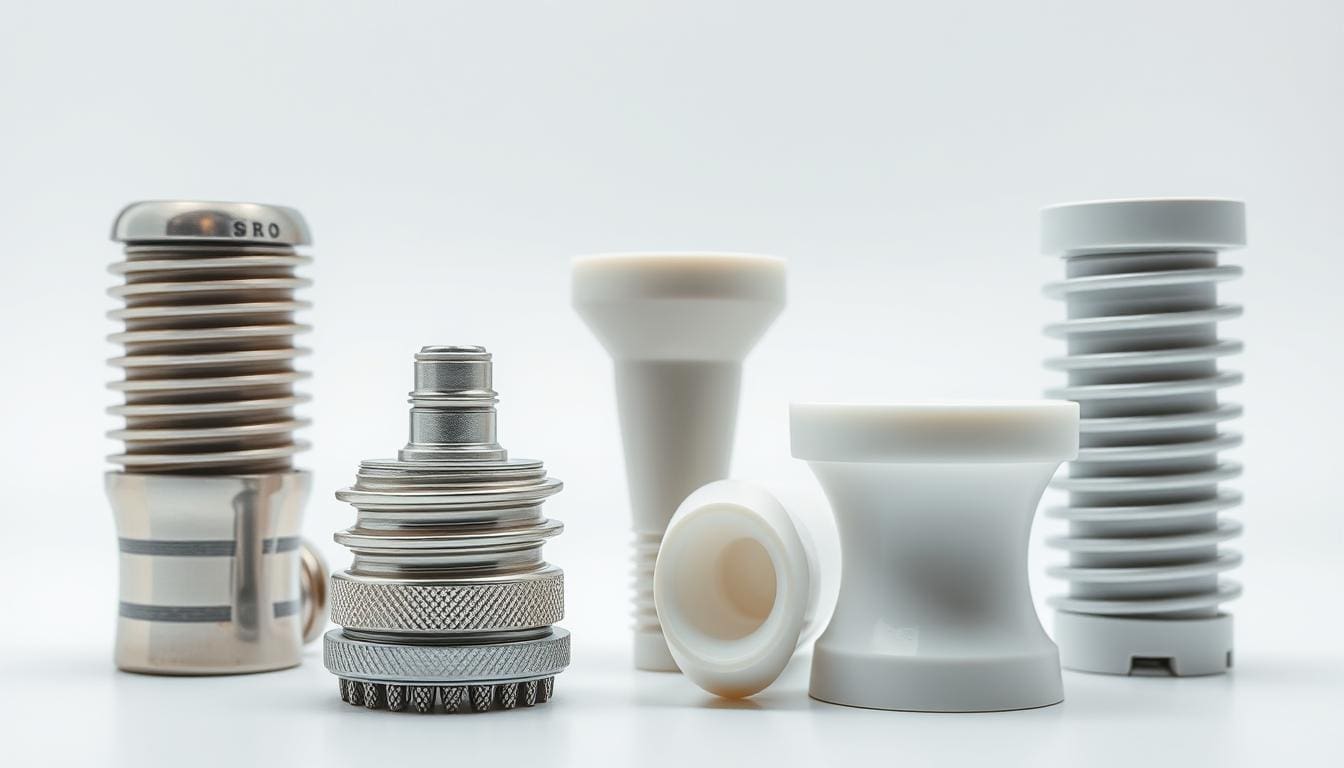
When you think about hip replacement, knowing what hip implants are made of is key. At Liv Hospital, we aim to give you top-notch orthopedic care. We use the safest and most advanced materials for this.
Hip implants are often a mix of metals, ceramics, and plastics. The top picks are cobalt-chromium alloys, titanium alloys, and ultra-high molecular weight polyethylene. These are chosen for their strength, how well they work together, and their performance.
Choosing to have hip replacement surgery is a big step. Our team is here to give you personalized care. We make sure you get the best treatment with the latest hip implant materials.
Key Takeaways
- Cobalt-chromium alloys and titanium alloys are commonly used in hip implants for their strength and durability.
- Ultra-high molecular weight polyethylene is used for its wear resistance and compatibility.
- Liv Hospital is committed to using the safest and most advanced hip implant materials.
- Understanding hip implant materials is key for making informed decisions about hip replacement.
- Our team provides personalized care to ensure the best possible treatment outcomes.
Understanding Hip Implants: An Overview
It’s important to know about hip implants if you’re thinking about hip replacement surgery. These implants help ease pain and improve movement for those with hip problems. We’ll look at what they are and how they work to help you understand their role in treating hip issues.
The Purpose and Function of Hip Implants
Hip implants are key in making the hip joint work like it should again. Their main job is to replace a damaged or sick hip with something that lasts. This helps patients move better and feel less pain.
The main functions of hip implants include:
- Reducing pain associated with hip damage or disease
- Restoring mobility and flexibility
- Improving the quality of life for patients
Basic Components of a Hip Replacement System
A hip replacement system has several important parts. These parts are made from different artificial hip materials like metals, ceramics, and polymers. The main parts are:
The stem is usually made from a strong metal alloy, like titanium. It helps keep the implant stable. The ball is made from a hard material, like ceramic or metal, to move smoothly in the socket. The socket or acetabular cup is often a mix of materials, including metal and a liner made from a very durable material like ultra-high molecular weight polyethylene or ceramic.
The way these parts work together and the materials used are key to how well the implant will last. Knowing about these parts and materials helps patients make better choices for their treatment.
The Evolution of Hip Implant Materials
Hip implant materials have changed a lot over time. This change is thanks to new medical tech and material science. Now, these materials are better, lasting longer and working better.
Historical Development of Hip Replacement Materials
The first hip replacements used ivory and rubber in the early 20th century. But, it wasn’t until the mid-20th century that we got modern materials. Early implants were made from metals like stainless steel and cobalt-chromium. These metals were strong but had problems like corrosion and wear.
In the 1960s and 1970s, new materials like titanium and UHMWPE came along. Titanium was lighter and didn’t corrode as much. UHMWPE made the implants last longer and move better.
Advancements in Material Science for Orthopedics
Recently, material science for orthopedics has made big leaps. New ceramic materials like alumina and zirconia are very durable and safe for the body. These ceramics are used in hip implants to make them last longer.
There’s also been work on better polyethylene, like cross-linked polyethylene. Adding vitamin E to polyethylene makes it even better. This helps hip implants last even longer.
The future of hip implants looks bright. With new research and tech, like 3D printing, we’ll see even better implants. This will help people with hip problems even more.
What Are Hip Implants Made Of? A Complete Guide
Hip implants are made from different materials, each chosen for its special qualities. These materials help create a prosthetic hip that improves mobility and quality of life.
The Four Main Material Categories
Hip implants are made from four main types: metals, ceramics, polymers, and combinations. Each type is important for making a hip replacement system.
- Metals: Such as cobalt-chromium and titanium alloys, known for their strength and durability.
- Ceramics: Materials like alumina and zirconia, which offer excellent wear resistance and biocompatibility.
- Polymers: Primarily ultra-high molecular weight polyethylene (UHMWPE), used for its cushioning properties and resistance to wear.
- Combinations: Various material combinations, such as metal-on-polyethylene or ceramic-on-ceramic, designed to optimize performance and longevity.
Knowing about these material categories helps us understand how hip implants are made for different patients.
| Material Category | Examples | Key Properties |
|---|---|---|
| Metals | Cobalt-chromium, Titanium alloys | Strength, Durability |
| Ceramics | Alumina, Zirconia | Wear resistance, Biocompatibility |
| Polymers | UHMWPE | Cushioning, Wear resistance |
| Combinations | Metal-on-polyethylene, Ceramic-on-ceramic | Optimized performance, Longevity |
How Materials Work Together in a Prosthetic Hip
The materials in hip implants are chosen to work well together. This ensures the prosthetic works smoothly and lasts long. For example, a metal femoral stem with a ceramic head and a polyethylene liner is a common setup. It balances strength, wear resistance, and cushioning.
Understanding how these materials work together shows the complexity and sophistication of modern hip replacement systems.
Metals Used in Hip Implants
In hip replacement surgery, metals like cobalt-chromium and titanium alloys are key. They are strong, durable, and safe for the body. Let’s dive into what makes them great for hip implants.
Cobalt-Chromium Alloys: Properties and Applications
Cobalt-chromium alloys are strong, resistant to corrosion, and wear well. These traits are perfect for hip implant surfaces. Orthopedic surgeons often choose them for their ability to handle movement and friction.
A study in the BMC Musculoskeletal Disorders shows how important material choice is. It points out cobalt-chromium’s role in making implants last longer.
Titanium Alloys: Benefits and Limitations
Titanium alloys are light, corrosion-resistant, and safe for the body. They’re great for the stem and other parts of hip implants. They also help avoid stress shielding, which can cause bone loss.
Here’s a comparison of cobalt-chromium and titanium alloys used in hip implants:
| Property | Cobalt-Chromium Alloys | Titanium Alloys |
|---|---|---|
| Strength | High | High |
| Corrosion Resistance | Excellent | Excellent |
| Wear Resistance | High | Moderate |
| Biocompatibility | Good | Excellent |
| Flexibility | Low | High |
In conclusion, cobalt-chromium and titanium alloys are vital for hip implants. Each has unique benefits for different parts of the implant. Knowing about these materials helps in making better choices for hip implants.
Polymers in Hip Replacement Systems
Polymers are key in hip replacement systems. They offer low friction and high wear resistance. These traits make them perfect for hip implant components.
Ultra-High Molecular Weight Polyethylene (UHMWPE)
Ultra-High Molecular Weight Polyethylene (UHMWPE) is a top choice for hip replacements. Its high molecular weight means it’s very durable. This makes it great for the tough environment of a hip joint.
UHMWPE technology has improved a lot. This has made hip implants last longer and work better. Using UHMWPE in hip parts helps reduce wear and bone loss risks.
Cross-Linked Polyethylene: Improving Wear Resistance
Cross-linked polyethylene is a special type of UHMWPE. It’s treated with radiation to make it even more durable. This makes hip implants last even longer.
Research shows cross-linked polyethylene cuts down wear rates. This is a big win for hip replacement success. It means patients can move better and have fewer implant failures.
The table below shows the main benefits of UHMWPE and cross-linked polyethylene in hip replacements:
| Material | Key Properties | Benefits in Hip Replacement |
|---|---|---|
| UHMWPE | High wear resistance, low friction | Reduced risk of osteolysis, improved implant longevity |
| Cross-Linked Polyethylene | Enhanced wear resistance, improved durability | Significantly reduced wear rates, long-term implant success |
Understanding polymers like UHMWPE and cross-linked polyethylene helps us see how far orthopedic tech has come. These advancements have greatly improved patient results.
Ceramic Materials for Hip Implants
Ceramic materials are key in hip implant tech, mixing toughness with being body-friendly. They’re becoming more popular because of their great qualities.
Alumina Ceramics: Characteristics and Uses
Alumina ceramics, or aluminum oxide, are big in hip implants for their hardness and wear resistance. These traits make them perfect for hip prosthetics. They last long and cause few problems.
Alumina ceramics are great for those needing strong, long-lasting implants. They’re also safe for the body, lowering the chance of issues.
Zirconia and Composite Ceramics
Zirconia ceramics are stronger and more durable than alumina, making them a top pick for hip implants. Their toughness lowers the chance of the implant breaking.
Composite ceramics mix different materials to get the best of all. They aim to offer better wear resistance, strength, and toughness. This could mean better performance than single-material ceramics.
Zirconia and composite ceramics are big steps forward in hip implant tech. They give patients and doctors more choices based on what they need.
Common Material Combinations in Modern Hip Implants
The right material mix is key for hip replacement success. Modern implants use different materials like metal, ceramic, and polyethylene. These are chosen based on the patient’s needs.
Material choice depends on the patient’s age, activity level, and health. Knowing the pros and cons of each mix is important.
Metal-on-Polyethylene Bearings
Metal-on-polyethylene is a common choice for hip implants. It combines a metal head with a polyethylene liner. The use of ultra-high molecular weight polyethylene (UHMWPE) has made these implants last longer.
A study in the Journal of Orthopaedic Research found these implants work well for 10 years. But, there’s a risk of polyethylene wear debris.
“The use of highly cross-linked polyethylene has significantly reduced wear rates in metal-on-polyethylene bearings, improving the overall longevity of the implant.”
Ceramic-on-Polyethylene Bearings
Ceramic-on-polyethylene is another option. It pairs a ceramic head with a polyethylene liner. Ceramic materials help reduce wear compared to metal.
| Bearing Combination | Wear Rate | Longevity |
|---|---|---|
| Metal-on-Polyethylene | Moderate | 10-15 years |
| Ceramic-on-Polyethylene | Low | 15-20 years |
| Ceramic-on-Ceramic | Very Low | 20+ years |
Ceramic-on-Ceramic Bearings
Ceramic-on-ceramic is a top choice for hip implants. It has the lowest wear rates. Both the head and liner are made of ceramic.
While these implants are durable, there’s a risk of ceramic fracture and squeaking. But, new ceramic technologies have lowered these risks.
In conclusion, picking the right material mix is vital for hip implant success. Understanding each option helps patients and doctors make better choices.
Material Selection Factors for Hip Replacements
Choosing the right materials for hip implants is key. It affects the success of the replacement and the patient’s life quality. We focus on picking the best materials for each patient.
The selection of hip implant materials depends on several factors. These include the patient’s age, activity level, medical conditions, and what they expect from the implant’s longevity and durability.
Patient Age and Activity Level Considerations
Patient age and activity level are important in picking the right hip prosthesis materials. Younger, more active patients need materials that can handle more stress and wear. Older patients might prefer materials that offer more stability and lower complication risks.
For example, younger patients might get highly cross-linked polyethylene for better wear resistance. Ceramic-on-ceramic bearings are often chosen for patients at higher risk of dislocation.
Medical Factors Influencing Material Choice
Medical factors also play a big role in choosing artificial hip materials. Patients with osteoporosis might need implants that offer extra stability and support. Those with metal sensitivity or allergies might need different materials to avoid reactions.
- Patients with osteoporosis may benefit from implants with enhanced fixation features.
- Those with metal sensitivity may require ceramic or other non-metallic implants.
Longevity and Durability Expectations
The implant’s expected lifespan and durability are also key. We aim to pick materials that will last long and work well, reducing the need for more surgeries.
By considering these factors, we can find the best hip implant materials for each patient. This ensures the best outcomes and a better quality of life.
Potential Complications Related to Implant Materials
Hip replacement parts can sometimes cause problems. These issues are rare but important to know about. They affect both patients and doctors.
Hip replacement is a big deal. Knowing about possible issues helps patients make better choices. The materials in implants are chosen for their strength and safety. But, sometimes, they can cause problems.
Metal Ion Release and Metal Sensitivity
Some hip implants release metal ions like cobalt and chromium. “This is a worry because it can harm nearby tissues and even affect the whole body,” says Dr. an orthopedic surgeon. This is more common with certain types of implants.
Some people might also have an allergic reaction to metals in their implants. This can cause pain, swelling, or even more serious issues.
Wear Debris and Osteolysis
Wear and tear on implants can lead to tiny particles. These particles can cause inflammation and make the implant loosen over time.
Osteolysis is a big worry because it can make the implant unstable. How fast this happens depends on the implant, how active the patient is, and how well the implant was put in.
In summary, while rare, problems with hip implant materials can be serious. Knowing about these issues helps us take better care of patients and make their surgery more successful.
Key Takeaways:
- Metal ion release and metal sensitivity are possible problems with some implants.
- Wear and osteolysis can happen because of implant wear.
- It’s important to understand these issues for better care and decision-making.
“The key to successful hip replacement lies not only in the surgical technique but also in the careful selection of implant materials tailored to the individual patient’s needs.”
Emerging Materials and Technologies in Hip Implants
The hip implant industry is on the verge of a big change. New materials and technologies are being developed. These innovations aim to make hip implants last longer and work better.
Research into new materials and ways to make them is driving these advancements. The goal is to make hip implants more durable and successful. This will help improve the outcomes of hip replacement surgeries.
Vitamin E-Infused Polyethylene
Vitamin E-infused polyethylene is a promising new material. It helps hip implants last longer by reducing wear. Vitamin E acts as an antioxidant, preventing the material from breaking down.
Studies show that this material wears down less than traditional ones. This means hip replacements could last longer. You can read more about it in clinical research.
3D-Printed Custom Implants
3D printing is making custom hip implants possible. These implants fit each patient’s body better. They can also have complex shapes that traditional methods can’t make.
3D-printed custom implants offer new design possibilities. This could lead to better implants for everyone.
Surface Treatments and Coatings
New surface treatments and coatings are being developed. They make implants last longer and work better with the body. Techniques like porous coating help implants bond with bone and tissue.
These advancements are set to change hip replacement surgery for the better. We can expect implants to last longer and work better. Patients will likely be happier with their results.
Conclusion: Making Informed Decisions About Hip Implant Materials
Knowing what hip implants are made of is key for those thinking about hip replacement surgery. We’ve looked at the materials used, like metals, polymers, and ceramics. We’ve seen how they work together in a prosthetic hip.
Looking at the properties and uses of different materials helps us understand the choices for hip implants. Things like the patient’s age, how active they are, and their health history matter a lot. These factors help pick the right materials for each patient.
As we keep improving in material science and orthopedic tech, it’s vital for patients and doctors to know the latest about hip implant materials. This knowledge helps us make better choices for hip replacement surgery. It leads to better results and a better life for patients.
What are hip implants made of?
Hip implants are made from metals, polymers, and ceramics. Common materials include cobalt-chromium alloys, titanium alloys, ultra-high molecular weight polyethylene (UHMWPE), and ceramics.
What is the most common material combination used in hip implants?
The most common combinations are metal-on-polyethylene, ceramic-on-polyethylene, and ceramic-on-ceramic. The choice depends on the patient’s age, activity level, and health.
What are the benefits of using ceramic materials in hip implants?
Ceramics have low wear rates, high hardness, and are biocompatible. They also cause less metal ion release and sensitivity than metal-on-metal bearings.
What are the possible complications with implant materials?
Complications include metal ion release, metal sensitivity, wear debris, and osteolysis. These can lead to implant failure, pain, and the need for revision surgery.
How do advancements in material science impact hip replacement surgery?
New materials and technologies improve hip implants’ durability and safety. These advancements offer better treatment options and outcomes for patients.
What factors influence material selection for hip replacements?
Factors include patient age, activity level, medical conditions, and longevity expectations. Surgeons consider these when choosing the best implant materials for each patient.
What are the benefits of using titanium alloys in hip implants?
Titanium alloys are strong, have low modulus of elasticity, and are biocompatible. They are also corrosion-resistant and versatile for various implant applications.
What is the role of polymers in hip replacement systems?
Polymers, like UHMWPE and cross-linked polyethylene, are key in hip systems. They offer low wear rates, high toughness, and are biocompatible.
What are the emerging materials and technologies being developed for hip implants?
New developments include vitamin E-infused polyethylene, 3D-printed implants, and advanced coatings. These aim to enhance implant performance and patient outcomes.
How do hip implant materials impact patient care?
Materials directly affect implant success and longevity. Understanding their properties helps healthcare providers make informed decisions for optimal patient care.
References
PubMed Central (NCBI): Biocompatibility of Joint Replacement Implants (Article)