Rheumatoid nodules are firm, nontender lumps that develop under the skin in individuals with rheumatoid arthritis. These nodules are a common manifestation, occurring in approximately 20-30% of patients.
At Liv Hospital, we understand the importance of recognizing and managing these nodules. They often appear on pressure points like elbows and finger knuckles. Our patient-centered approach integrates cutting-edge diagnostic and therapeutic protocols. This helps patients understand these manifestations and develop personalized management plans.
Key Takeaways
- Rheumatoid nodules are firm lumps that develop under the skin in patients with rheumatoid arthritis.
- These nodules occur in approximately 20-30% of patients with rheumatoid arthritis.
- Nodules often appear on pressure points like elbows and finger knuckles.
- Understanding and managing rheumatoid nodules is key for effective disease management.
- Liv Hospital offers personalized management plans for patients with rheumatoid nodules.
What Are Rheumatoid Nodules: Definition and Characteristics
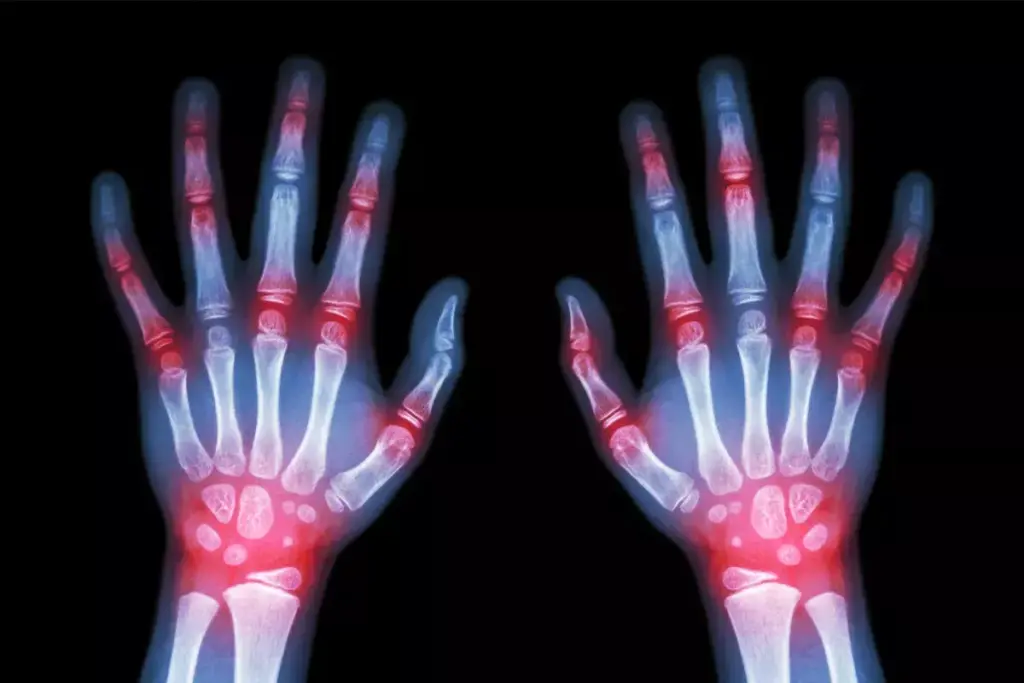
Knowing about rheumatoid nodules is key to managing rheumatoid arthritis well. These nodules are firm lumps under the skin in people with rheumatoid arthritis. They can be different sizes and often appear in areas that get a lot of pressure or trauma.
Prevalence and Occurrence in Rheumatoid Arthritis Patients
About 20% of rheumatoid arthritis patients get rheumatoid nodules. They are more common in those with severe rheumatoid arthritis and those who test positive for rheumatoid factor. The presence of these nodules can show how active and severe the disease is.
Several factors can lead to rheumatoid nodules, including:
- High rheumatoid factor levels: Patients with high levels of rheumatoid factor are more likely to get nodules.
- Severe disease activity: Nodules are more common in patients with active and severe rheumatoid arthritis.
- Genetic predisposition: Some genetic markers may make it more likely to develop rheumatoid nodules.
Physical Characteristics and Composition
Rheumatoid nodules are firm, non-tender lumps under the skin. They can be small or quite large. They often appear on the hands, feet, and elbows.
The makeup of rheumatoid nodules includes:
- Fibrinoid necrosis: A central area of dead tissue surrounded by epithelioid cells.
- Inflammatory cells: A mix of lymphocytes, macrophages, and plasma cells.
- Fibrosis: A layer of fibrotic tissue around the nodule.
Rheumatoid nodules can be uncomfortable and may worry some patients about their looks. Knowing what they are and how they work is important for treating rheumatoid arthritis well.
Formation and Location of Rheumatoid Nodules
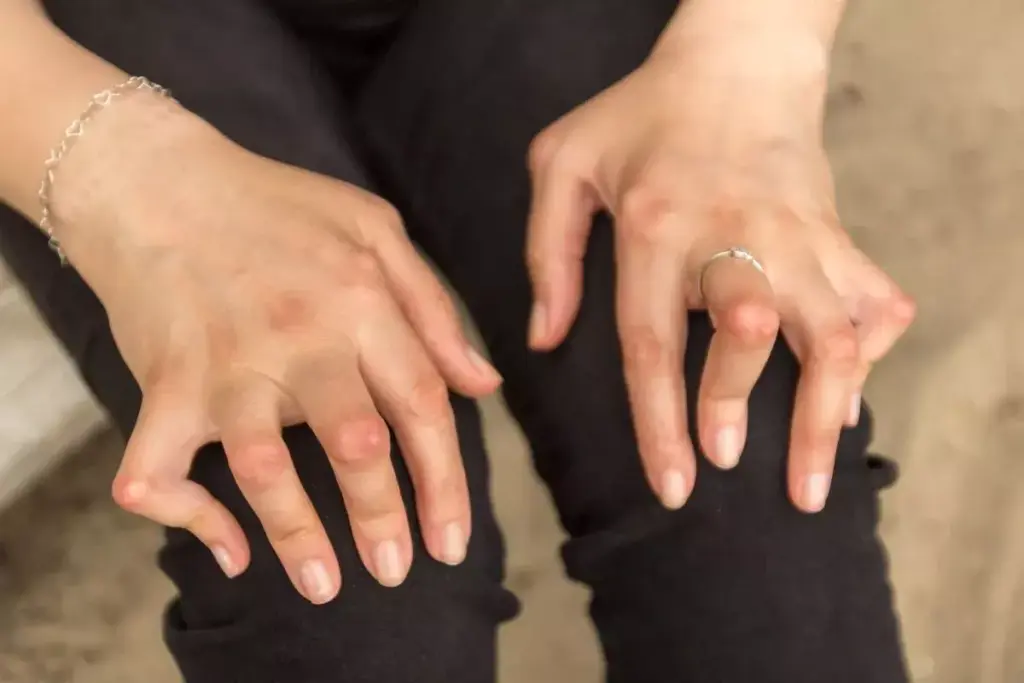
It’s important to know where rheumatoid nodules form and why. This knowledge helps in managing rheumatoid arthritis better. These nodules are a big sign of the disease and happen in many patients.
Common Locations on the Body
Rheumatoid nodules usually pop up over joints that get a lot of pressure or trauma. You often find them on the fingers, elbows, and the backs of the heels.
Having these nodules in these spots can cause pain. It can also make life harder for people with rheumatoid arthritis.
Histological Structure and Development Process
The structure of rheumatoid nodules has a dead tissue center. Around this is a layer of epithelioid cells and an outer layer of granulation tissue. This comes from the inflammation of rheumatoid arthritis.
The process of forming these nodules is complex. It involves many cells and molecules working together.
Risk Factors Contributing to Nodule Formation
Several things can make rheumatoid nodules more likely. These include how severe the rheumatoid arthritis is, your genes, and things like smoking.
Knowing these risk factors helps in finding ways to stop or manage nodules.
| Location | Characteristics | Risk Factors |
| Fingers | Often occur over joints | Repetitive trauma |
| Elbows | Common in areas subject to pressure | Severity of RA |
| Heels | Typically on the backs of the heels | Genetic predisposition |
It’s key to manage rheumatoid arthritis well to lower the chance of nodules. Knowing where and why nodules form helps in making better treatment plans.
Conclusion
We’ve looked into rheumatoid nodules, how they form, and their link to rheumatoid arthritis. These bumps show up on the elbow, fingers, and more, as signs of RA. Knowing they’re usually harmless and might not need treatment is important. But, it’s key to manage RA to reduce their appearance.
Rheumatoid nodules on fingers and elbows are significant. They show how serious RA can be. Spotting them early is important, as it means acting fast to treat the disease.
Understanding rheumatoid nodules helps patients and doctors create better treatment plans. This knowledge is essential for improving life for those with RA.
FAQ
What are rheumatoid nodules?
How common are rheumatoid nodules in people with rheumatoid arthritis?
Where do rheumatoid nodules typically occur on the body?
What are the risk factors for developing rheumatoid nodules?
Can managing rheumatoid arthritis help prevent or reduce the formation of rheumatoid nodules?
Are rheumatoid nodules painful?
Can rheumatoid nodules be treated?
References
National Center for Biotechnology Information. Evidence-Based Medical Insight. Retrieved from https://pubmed.ncbi.nlm.nih.gov/4842937/