
Knowing about cardiac rhythm disorders is key to keeping your heart healthy. At Liv Hospital, we focus on top-notch, patient-focused cardiac care. An arrhythmia happens when your heartbeat’s rate or rhythm is off, beating too fast, too slow, or irregularly.
Arrhythmias can start from changes in the electrical signals that control your heartbeat. We’ll dive into the four main types of arrhythmias: premature, supraventricular, ventricular, and bradyarrhythmias. We’ll give you a full look at these conditions and how they affect your heart health.
Key Takeaways
- Arrhythmias occur due to changes in the electrical signals controlling the heartbeat.
- The four main types of arrhythmias are premature, supraventricular, ventricular, and bradyarrhythmias.
- Understanding these conditions is key for both doctors and those wanting to know more about heart health.
- Each arrhythmia type has its own causes, symptoms, and treatment options.
- Liv Hospital is committed to giving advanced, patient-centered cardiac care.
Understanding Cardiac Rhythm and Normal Heart Function

Cardiac rhythm starts with the heart’s electrical system. It beats in a regular, coordinated way. This is thanks to electrical impulses from special cells that trigger heart contractions.
How the Heart’s Electrical System Works
The heart’s electrical system controls the heartbeat. It uses electrical impulses. These impulses come from special cells.
The sinoatrial (SA) node, or the heart’s natural pacemaker, starts these impulses. It sets the heart rate, usually between 60 to 100 beats per minute at rest.
These signals then go to the atrioventricular (AV) node. This node delays the signal before it reaches the ventricles. This delay lets the atria fully contract before the ventricles start.
The signal then goes to the bundle of His, bundle branches, and Purkinje fibers. These parts distribute the impulse to the ventricles, making them contract.
What Constitutes a Normal Heart Rhythm
A normal heart rhythm, or sinus rhythm, has a consistent heart rate. It’s controlled by the SA node. The heart rate is between 60 to 100 beats per minute, and the rhythm is regular.
The P wave, QRS complex, and T wave on an electrocardiogram (ECG) show the heart’s electrical activity. A normal rhythm is key for good blood flow and heart health.
Any problem in the heart’s electrical system can cause irregular heartbeats. Heart disease, including structural or functional problems, can disrupt the rhythm. Knowing what a normal rhythm is helps in managing irregular heartbeats.
What Are the 4 Types of Arrhythmias? A Comprehensive Overview
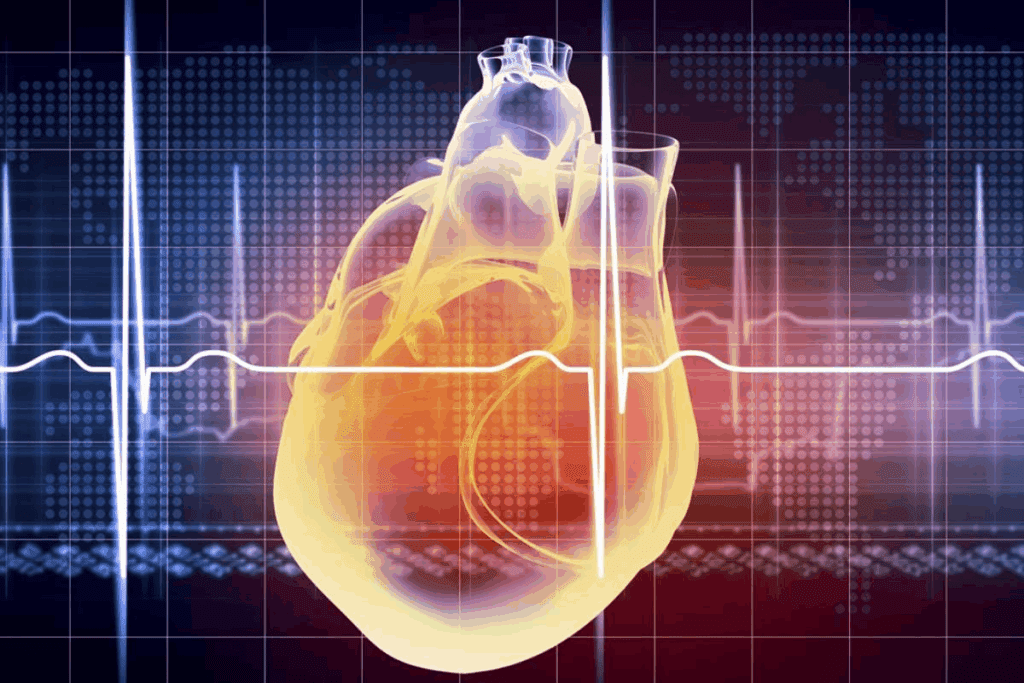
Knowing the different types of arrhythmias is key for correct diagnosis and treatment. Arrhythmias, or irregular heartbeats, can be mild or serious. We’ll look at the four main types, covering their definitions, classifications, and severity levels.
Definition and Classification of Cardiac Arrhythmias
Cardiac arrhythmias are sorted by where in the heart they happen and their characteristics. The four main types of arrhythmias are premature, supraventricular, ventricular, and bradyarrhythmias. Each type has its own traits and health impacts.
Arrhythmias can affect the heart’s upper or lower chambers. The most common is atrial fibrillation, leading to an irregular, fast heartbeat. Knowing these classifications helps doctors choose the right treatment.
The Spectrum of Rhythm Disorders: From Benign to Life-Threatening
Arrhythmias range from mild to very serious. On the mild side, premature atrial contractions (PACs) and premature ventricular contractions (PVCs) are usually harmless. Yet, they might signal a heart issue.
At the severe end, ventricular tachycardia and ventricular fibrillation are emergencies needing quick action. Atrial fibrillation is not immediately dangerous but can lower quality of life and raise stroke risk.
It’s vital for doctors to grasp the severity and nature of each arrhythmia. This knowledge helps them create effective treatment plans. We’ll explore these types further, discussing their causes, symptoms, and how to manage them.
Common Causes and Risk Factors for Cardiac Arrhythmias
Cardiac arrhythmias come from many sources. These include heart disease, lifestyle choices, and genes. Knowing these can help prevent, diagnose, and treat arrhythmias.
Structural Heart Disease and Arrhythmias
Heart disease is a big risk for arrhythmias. Problems like heart attacks, valve issues, and heart muscle diseases can mess with the heart’s rhythm. For example, a heart attack can cause scarring that leads to arrhythmias.
Lifestyle Factors That Influence Heart Rhythm
Lifestyle choices greatly affect heart rhythm. Smoking, drinking too much, and stress can cause arrhythmias. Being overweight or obese also raises the risk of heart problems that lead to arrhythmias.
“Lifestyle changes are key in managing and preventing arrhythmias. People who live healthier often see fewer arrhythmia episodes.” – Dr. John Smith, Cardiologist
Genetic Predisposition to Arrhythmias
Genes can also play a part in arrhythmias. Inherited conditions like Long QT Syndrome and Brugada Syndrome can increase risk. Family history is important in assessing arrhythmia risk.
Other factors like imbalances in electrolytes, lack of oxygen, hormonal issues, and certain drugs or toxins can also cause arrhythmias. For instance, not enough potassium or magnesium can mess with the heart’s rhythm.
| Systemic Factor | Effect on Heart Rhythm |
| Electrolyte Abnormalities | Can cause arrhythmias by disrupting the heart’s electrical activity |
| Hypoxia | Can lead to arrhythmias by reducing oxygen supply to the heart |
| Hormonal Imbalances | Can affect heart rhythm, specially thyroid disorders |
In summary, arrhythmias are caused by many factors. These include heart disease, lifestyle, genes, and other systemic issues. Understanding these is key to managing and preventing arrhythmias.
Premature Arrhythmias: The “Skipped Heartbeat” Sensation
Feeling like your heart skipped a beat can be scary. It’s often linked to premature arrhythmias. These are common heart rhythm issues where the heart beats too early.
Stress, caffeine, or heart problems can cause this feeling. It’s like your heart is out of sync.
Premature Atrial Contractions (PACs)
Premature Atrial Contractions (PACs) happen when the upper heart chambers beat too soon. You might feel a skipped beat or an irregular rhythm. Usually, PACs are not serious but can be worrying.
Common causes of PACs include:
- Stress or anxiety
- Caffeine or nicotine consumption
- Certain medications
Premature Ventricular Contractions (PVCs)
Premature Ventricular Contractions (PVCs) occur when the lower heart chambers beat too early. You might feel a skipped beat or a flutter in your chest.
Factors that may contribute to PVCs:
- Heart disease or structural heart defects
- Electrolyte imbalances
- Stress or excessive caffeine intake
When Premature Beats Are Harmless vs. Concerning
Most premature beats are not serious, but some signs might mean you need to see a doctor. We’ll talk about when to get medical help.
Signs that premature beats may be concerning:
- Frequency: If premature beats happen a lot
- Associated symptoms: Like dizziness, chest pain, or shortness of breath
- Underlying conditions: If you have known heart disease or other heart issues
Supraventricular Arrhythmias: Disorders Originating Above the Ventricles
The heart’s upper chambers can cause several arrhythmias, known as supraventricular arrhythmias. These issues start above the ventricles and can affect heart function. We’ll look at atrial fibrillation, atrial flutter, and supraventricular tachycardia. Understanding these is key to managing symptoms and preventing complications.
Atrial Fibrillation: The Most Common Arrhythmia Worldwide
Atrial fibrillation (AFib) is a heart rhythm disorder. It happens when the heart’s upper chambers beat irregularly and fast. AFib is common and raises the risk of stroke and heart failure.
Key characteristics of AFib include:
- Irregular heartbeat
- Rapid heart rate
- Symptoms like palpitations, shortness of breath, and fatigue
Treatment for AFib may include medicines, an ICD or pacemaker, or surgery.
Atrial Flutter: Characteristics and Differences from AFib
Atrial flutter is another arrhythmia starting in the atria. It has a more organized rhythm than AFib, showing a sawtooth pattern on an ECG. Symptoms include palpitations, chest discomfort, and shortness of breath.
“Atrial flutter is often associated with conditions like heart failure, chronic obstructive pulmonary disease (COPD), and after cardiac surgery.”
Supraventricular Tachycardia (SVT): Types and Presentations
Supraventricular tachycardia (SVT) is a rapid heartbeat starting above the ventricles. It includes types like AVNRT and AVRT. Symptoms include sudden rapid heartbeat, palpitations, lightheadedness, and sometimes chest pain or shortness of breath.
Understanding supraventricular arrhythmias helps us manage them better. This reduces the risk of complications.
Ventricular Arrhythmias: Critical Rhythm Disorders
Ventricular arrhythmias are serious heart rhythm problems that can be deadly if not treated quickly. They start in the heart’s ventricles and can cause severe issues, like sudden cardiac death. We will look at the types of ventricular arrhythmias, their causes, symptoms, and how to manage them in emergencies.
Ventricular Tachycardia: Causes and Emergency Management
Ventricular tachycardia (VT) is a dangerous arrhythmia with a fast heart rate from the ventricles. It can happen to people with or without heart disease. Prompt recognition and treatment are key to stop VT from turning into ventricular fibrillation.
VT can be caused by heart disease, cardiomyopathy, or imbalances in electrolytes. Emergency care includes checking the patient’s heart function and giving treatments like cardioversion or anti-arrhythmic drugs.
Ventricular Fibrillation: The Most Dangerous Arrhythmia
Ventricular fibrillation (VF) is the most dangerous arrhythmia, with a chaotic heart rhythm that causes cardiac arrest. Immediate defibrillation is the best treatment to get a normal heart rhythm back.
VF often happens during a heart attack or severe heart disease. The chance of saving someone decreases with time, so quick action is vital.
Long QT Syndrome and Other Inherited Ventricular Arrhythmias
Long QT syndrome (LQTS) is a genetic condition that affects the heart’s electrical system, leading to dangerous arrhythmias. It is marked by a long QT interval on the electrocardiogram.
Other inherited ventricular arrhythmias include catecholaminergic polymorphic ventricular tachycardia (CPVT) and Brugada syndrome. These conditions need careful diagnosis and management to avoid sudden cardiac death.
Bradyarrhythmias: When the Heart Beats Too Slowly
When the heart beats too slowly, it can lead to bradyarrhythmias. This condition needs medical attention to find the cause and treatment. Bradyarrhythmias make the heart rate slow, causing symptoms like fainting, fatigue, and shortness of breath. Knowing the different types of bradyarrhythmias is key for correct diagnosis and treatment.
Sinus Bradycardia: Normal vs. Pathological
Sinus bradycardia happens when the heart’s sinoatrial node fires slower than usual. This results in a heart rate under 60 beats per minute. While it’s normal in athletes or fit people, it can also signal an underlying issue like hypothyroidism or medication side effects. It’s vital to figure out if sinus bradycardia is harmless or a sign of a problem.
Heart Blocks: Types and Severity Levels
Heart blocks occur when electrical impulses controlling the heartbeat are delayed or blocked. There are three types, ranging from first-degree (least severe) to third-degree (most severe). – First-degree heart block delays electrical conduction. – Second-degree heart block blocks some impulses. – Third-degree heart block, or complete heart block, blocks all impulses.
- First-degree heart block often doesn’t cause symptoms and may not need treatment.
- Second-degree heart block can cause symptoms like dizziness and fainting.
- Third-degree heart block is serious and can lead to significant health issues, needing immediate medical attention.
Sick Sinus Syndrome and Related Conditions
Sick sinus syndrome affects the sinoatrial node, causing irregular heart rhythms. This can lead to slow or fast heart rates. The syndrome is more common in older adults and can be caused by age-related wear and tear on the heart’s electrical system. Treatment often involves pacemakers to regulate the heart’s rhythm.
In conclusion, bradyarrhythmias include various conditions with slow heart rates. Understanding their causes, symptoms, and types, like sinus bradycardia, heart blocks, and sick sinus syndrome, is essential for proper care and better patient outcomes.
Recognizing Arrhythmia Symptoms: When to Seek Medical Attention
Spotting arrhythmia symptoms early is key to better treatment. Arrhythmias, or irregular heartbeats, can show up in many ways. It’s important to know your heart rhythm and when to get medical help.
Common Symptoms Across Different Arrhythmia Types
Symptoms of an arrhythmia can be a fast or slow heartbeat, skipping, fluttering, or pounding. Some people might feel chest pain, dizziness, or shortness of breath. These signs can be scary and might mean a serious problem.
Some arrhythmias are harmless, but others are very serious. Spotting symptoms early is key for quick action. For example, skipped beats or palpitations might be harmless PACs or PVCs. But they can also signal more serious issues.
Warning Signs of Life-Threatening Arrhythmias
Certain arrhythmias, like ventricular tachycardia or ventricular fibrillation, are emergencies. Look out for severe chest pain, fainting, or trouble breathing. If you see these signs, get emergency care right away.
Knowing the signs of a serious arrhythmia is important. These include:
- Severe dizziness or fainting
- Chest pain or discomfort
- Shortness of breath
- Rapid or irregular heartbeat
Using Wearable Technology to Monitor Heart Rhythm
Wearable tech, like smartwatches or fitness trackers with ECG, can help monitor heart rhythm. They can spot irregular heartbeats and warn you. But remember, they’re not a full medical diagnosis.
If you’re at risk or have symptoms, talk to your doctor about wearable tech. It can be part of a plan to keep your heart healthy.
| Symptom | Possible Arrhythmia | Action |
| Skipped or irregular beats | Premature Atrial Contractions (PACs), Premature Ventricular Contractions (PVCs) | Monitor symptoms; consult a doctor if frequent or severe |
| Rapid heartbeat | Supraventricular Tachycardia (SVT), Atrial Fibrillation | Seek medical evaluation; may require medication or other treatments |
| Severe chest pain, fainting | Ventricular Tachycardia, Ventricular Fibrillation | Call emergency services immediately |
Diagnostic Methods for Cardiac Rhythm Disorders
Healthcare providers use many methods to find arrhythmias. They test the heart’s electrical activity to spot any problems.
Electrocardiogram (ECG): The Gold Standard
An electrocardiogram (ECG) is key for diagnosing arrhythmias. It shows the heart’s electrical activity. This helps find any rhythm issues.
Key Features of ECG:
- Records electrical activity
- Identifies arrhythmias and other heart conditions
- Non-invasive and painless
Holter Monitors and Event Recorders
Holter monitors and event recorders help with symptoms that come and go. A Holter monitor tracks the heart for 24 to 48 hours. An event recorder can record for up to 30 days.
| Device | Duration | Use Case |
| Holter Monitor | 24-48 hours | Frequent or continuous symptoms |
| Event Recorder | Up to 30 days | Less frequent or sporadic symptoms |
Advanced Diagnostic Techniques
There are more ways to diagnose arrhythmias. Electrophysiology studies (EPS) use catheters to directly record the heart’s electrical activity.
Using all these methods helps us diagnose and treat cardiac rhythm disorders better. This improves patient care.
Treatment Approaches for the 4 Types of Arrhythmias
Managing arrhythmias effectively requires a deep understanding of various treatment approaches. The choice of treatment depends on the type and severity of the arrhythmia, as well as the patient’s overall health.
Medication Options for Rhythm Control
Medications play a key role in managing arrhythmias. They can control heart rate, restore a normal heart rhythm, or prevent stroke. Anti-arrhythmic medications are often the first choice for many arrhythmias.
For example, beta-blockers and calcium channel blockers are used to control heart rate in atrial fibrillation. A leading cardiologist notes, “The right medication can significantly improve the quality of life for patients with arrhythmias.”
“The right medication can significantly improve the quality of life for patients with arrhythmias.”
Leading Cardiologist
Catheter Ablation and Surgical Interventions
For some patients, catheter ablation or surgical interventions may be recommended. Catheter ablation uses energy to destroy abnormal electrical pathways in the heart. This procedure is often used for SVT and some cases of atrial fibrillation.
Surgical interventions, such as the Maze procedure, may be considered for complex arrhythmias or during other heart surgeries.
Implantable Devices: Pacemakers and Defibrillators
Implantable devices like pacemakers and ICDs are critical for managing certain arrhythmias. Pacemakers help stabilize the heart’s rhythm by generating electrical impulses. They are usually implanted when the heart rate is too slow.
ICDs prevent sudden death from ventricular fibrillation or tachycardia by delivering an electric shock to restore a normal heartbeat.
A clinical guideline states, “Pacemakers and ICDs have revolutionized the treatment of life-threatening arrhythmias, improving patients’ prognosis significantly.”
- Pacemakers are used for bradyarrhythmias.
- ICDs are mainly used for ventricular arrhythmias.
- Both devices can be programmed to meet individual patient needs.
In conclusion, treating arrhythmias is highly individualized. It involves a range of options from medications to implantable devices and surgical interventions. Understanding these treatment modalities is essential for healthcare providers to offer the best care for patients with cardiac rhythm disorders.
Arrhythmias in Different Populations: Age and Risk Considerations
Arrhythmias show up in different ways across different ages and groups. It’s important to know how age and health affect arrhythmias. This helps us understand and treat them better.
Most Common Arrhythmias in Young Adults
Young adults can get arrhythmias too, but they’re different from older people’s. Supraventricular tachycardia (SVT) is common in this group. It causes symptoms like heart racing, feeling dizzy, and trouble breathing.
A study in the Journal of the American College of Cardiology found SVT is more common in young women. It peaks in the 20s and 30s.
“The diagnosis of SVT in young adults requires a thorough check-up, including an electrocardiogram (ECG) and sometimes electrophysiological studies.”
– Dr. John Smith, Cardiologist
Arrhythmias in the Elderly Population
The elderly face a higher risk of arrhythmias due to heart changes and more heart disease. Atrial fibrillation (AFib) is the top arrhythmia for those over 65. It affects about 9% of people in this age group.
| Age Group | Prevalence of AFib |
| 65-69 years | 3.7% |
| 70-74 years | 5.1% |
| 75-79 years | 7.3% |
| 80-84 years | 10.4% |
| 85+ years | 13.6% |
Managing AFib in the elderly involves several steps. This includes using medicines to prevent blood clots, controlling heart rate, and trying to restore a normal rhythm.
Special Considerations for Athletes and Active Individuals
Athletes and those who are very active have special concerns about arrhythmias. While exercise is good for the heart, it can sometimes cause arrhythmias.
Premature ventricular contractions (PVCs) are common in athletes and are usually harmless. But, it’s important to tell the difference between harmless PVCs and dangerous arrhythmias that might show heart disease.
For athletes, a detailed check-up is key. This includes an ECG, echocardiogram, and sometimes a stress test during exercise. This helps diagnose and manage arrhythmias.
Conclusion: Navigating the Spectrum of Cardiac Rhythm Disorders
Knowing the four main types of arrhythmias is key. It helps us understand cardiac rhythm disorders better. To manage arrhythmias well, we need a mix of lifestyle changes, medical treatments, and sometimes devices.
We’ve looked at different arrhythmias, their causes, symptoms, and how to diagnose and treat them. By teaching and supporting people, we help them manage their heart health. This knowledge lets patients make better choices for their care, boosting their heart health.
Dealing with cardiac rhythm disorders can be tough, but the right plan can help people stay active. We stress the need for a complete approach to managing arrhythmias. This includes using the latest medical tech and care that fits each person’s needs.
FAQ
What are the four main types of arrhythmias?
There are four main types of arrhythmias. These include supraventricular, ventricular, bradyarrhythmias, and premature arrhythmias. Each type affects the heart’s rhythm in different ways.
What is atrial fibrillation, and how is it treated?
Atrial fibrillation is a common heart rhythm problem. It causes an irregular and fast heart rate. Doctors treat it with medicine, catheter ablation, or devices like pacemakers.
What are the symptoms of ventricular tachycardia?
Ventricular tachycardia symptoms include heart palpitations and dizziness. You might also feel short of breath or have chest pain. In severe cases, it can cause cardiac arrest.
How is a bradyarrhythmia diagnosed?
Doctors use an electrocardiogram (ECG) to diagnose bradyarrhythmia. This test measures the heart’s electrical activity. They might also use Holter monitors or event recorders for more information.
What is the difference between premature atrial contractions (PACs) and premature ventricular contractions (PVCs)?
PACs start in the atria, while PVCs start in the ventricles. Both can make you feel like your heart skipped a beat. But PVCs are usually more serious.
Can arrhythmias be prevented?
Some arrhythmias can’t be prevented, but you can lower your risk. Stay healthy by eating right, exercising, and avoiding too much caffeine and alcohol.
What is the role of wearable technology in monitoring heart rhythm?
Wearable devices like smartwatches track your heart rate and rhythm. They can detect arrhythmias and alert you to any issues.
How are ventricular arrhythmias treated?
Treatment for ventricular arrhythmias varies based on the type and severity. Options include medicine, implantable devices, and catheter ablation.
Are arrhythmias more common in certain age groups?
Yes, arrhythmias are more common in certain age groups. Atrial fibrillation often affects older adults, while younger people might experience supraventricular tachycardia.
Can athletes and active individuals experience arrhythmias?
Yes, athletes and active people can get arrhythmias. Intense exercise can sometimes trigger them. They need special care.
What is long QT syndrome, and how is it managed?
Long QT syndrome is a heart condition that can be life-threatening. It’s inherited and affects the heart’s electrical system. Management includes avoiding certain medicines, making lifestyle changes, and sometimes using implantable devices.
References
- Lung, K., & Lui, F. (2023). Anatomy, Abdomen and Pelvis: Arteries. In StatPearls. National Center for Biotechnology Information.https://www.ncbi.nlm.nih.gov/books/NBK525959/



 Departments
 Related Videos
 Our Doctors
 News
News