
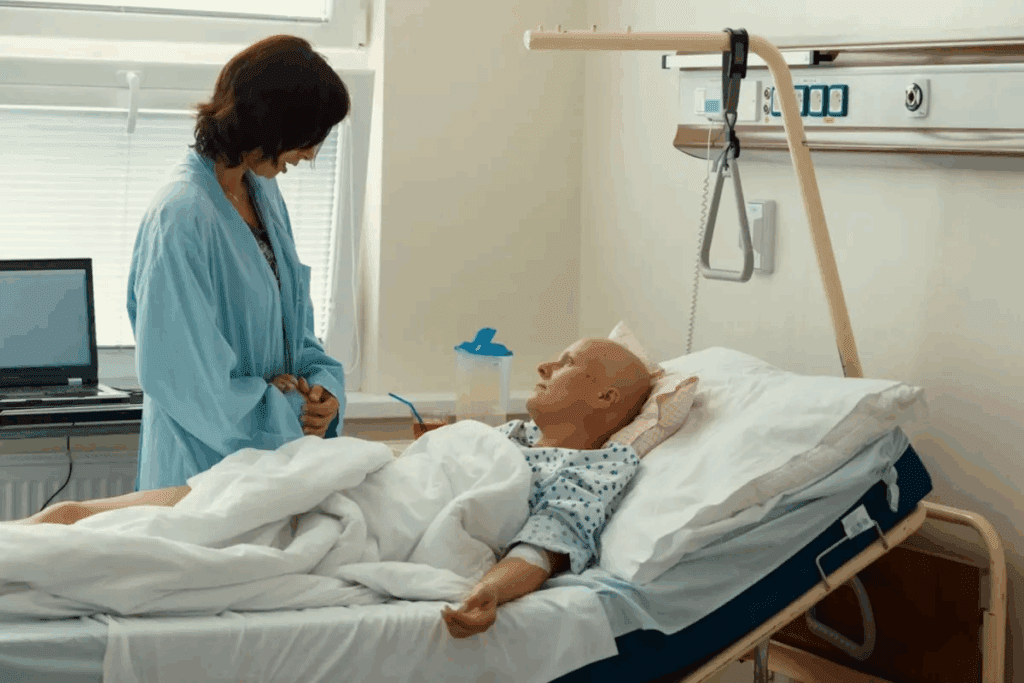
Cancer affects millions worldwide, with 1 in 3 people developing some form of cancer in their lifetime. This shows how important it is to know what causes cancer.
Understand what are the causes of cancer and the main risk factors behind it.
Cancer is a complex disease. It is influenced by genetic, environmental, and lifestyle factors. Knowing these causes helps us find better ways to prevent and treat cancer.
When examining the main causes of cancer, it becomes clear that the issue is complex. It involves exposure to carcinogens, genetic mutations, and certain lifestyle choices.
Key Takeaways
- Cancer is a multifactorial disease influenced by genetic, environmental, and lifestyle factors.
- Understanding cancer causes is key for prevention and treatment.
- Main causes include exposure to carcinogens and genetic mutations.
- Lifestyle choices also play a big role in cancer development.
- Effective prevention and treatment need a complete approach.
Understanding Cancer: An Overview
Cancer is a term for over 100 different diseases. It’s caused by uncontrolled growth of abnormal cells. It can happen to anyone, including kids. Knowing the basics of cancer helps us understand its causes and risks.
Definition and Types of Cancer
Cancer means cells grow out of control and can spread. There are several main types:
- Carcinomas: These are the most common type and start in the skin or organs.
- Sarcomas: These cancers start in tissues like bones, muscles, and fat.
- Leukemias: These are blood cancers where blood cells grow abnormally.
- Lymphomas: These affect the immune system, focusing on the lymphatic system.
Knowing these types helps doctors diagnose and treat cancer better.
How Cancer Develops
Cancer develops in steps, starting with genetic damage. This damage can come from genes or environmental factors. The process includes:
- Initiation: The first step where a cell’s DNA is damaged.
- Promotion: The damaged cell grows and divides.
- Progression: The cancer cells get more aggressive and invasive.
Cancer is caused by genetics, environment, and lifestyle. In kids, it can be due to genetic mutations or other unknown factors. Ongoing research aims to improve treatment and outcomes for childhood cancer.
Understanding cancer’s development and causes is key. It highlights the need for prevention, early detection, and effective treatment.
Main Causes of Cancer in General
Cancer’s causes are complex, involving genetics, environment, and lifestyle. Knowing these factors helps us fight cancer better.
Genetic Factors
Genetic mutations are key in cancer. Some we get from our parents, others from the environment. BRCA1 and BRCA2 genes, for example, raise the risk of breast and ovarian cancers. Studies show genetics cause about 5-10% of all cancers.
Genetic syndromes like Li-Fraumeni syndrome and Familial adenomatous polyposis also increase cancer risk. Finding these genetic links can lead to early detection and prevention.
Environmental Influences
Environmental toxins are another big cancer cause. Chemicals like benzene and asbestos, and radiation from UV and X-rays, are harmful. The International Agency for Research on Cancer (IARC) lists many as carcinogenic.
“The environment plays a key role in cancer, with toxins being a big risk.”
Lowering exposure to these toxins can reduce cancer risk. For example, avoiding too much sun and wearing protective gear can help prevent skin cancer.
Lifestyle Choices
Our lifestyle choices, like smoking, diet, and exercise, also affect cancer risk. Smoking is the top cause of preventable cancer deaths, making up 22% of cancer deaths.
- Smoking is linked to lung, throat, and mouth cancers.
- Eating too much processed food and not enough fruits and veggies increases cancer risk.
- Regular exercise can lower the risk of some cancers.
Choosing a healthy lifestyle can greatly lower cancer risk. As we learn more about cancer, it’s clear that genetics, environment, and lifestyle all play a part.
Childhood Cancer: A Unique Perspective

Childhood cancer is a rare but aggressive disease. It needs a deep understanding of its causes and risk factors. Unlike adult cancer, childhood cancer has its own types and causes. It’s important to look at it with a detailed perspective.
Common Types of Childhood Cancer
Childhood cancer includes many types, each with its own challenges. The most common types are:
- Leukemia: The most common type, making up about 30% of childhood cancers.
- Brain and Central Nervous System Tumors: These are the second most common type.
- Neuroblastoma: A cancer that grows in certain nerve cells.
- Wilms Tumor: A kidney cancer that mainly affects children.
Knowing these types is key for diagnosis and treatment. We will dive into the details of these cancers and their effects.
Genetic Syndromes Associated with Childhood Cancer
Some genetic syndromes raise the risk of childhood cancer. These include:
| Genetic Syndrome | Associated Cancer Risk |
| Down Syndrome | Increased risk of leukemia |
| Li-Fraumeni Syndrome | Higher risk of various cancers, including breast cancer and brain tumors |
| Neurofibromatosis Type 1 | Increased risk of brain tumors and neuroblastoma |
These syndromes show how genetics play a big role in childhood cancer.
Role of Environmental Factors
Genetics are important, but environmental factors also play a part. Some of these factors are:
- Exposure to ionizing radiation
- Pesticide exposure
- Certain chemicals in the environment
Understanding how genetics and the environment interact is key for prevention.
By looking at the types of childhood cancer, genetic syndromes, and environmental factors, we can better understand this disease. This knowledge is vital for finding effective treatments and prevention methods.
Genetic Mutations: The Silent Trigger
Genetic mutations are key to understanding how cancer starts. These changes in DNA can lead to inherited or acquired cancers. They can greatly increase the risk of getting cancer.
There are two main types of genetic mutations: hereditary and sporadic. Hereditary mutations come from parents and are passed down. Sporadic mutations happen randomly or because of the environment.
Hereditary vs. Sporadic Cancer
Hereditary cancer comes from inherited genes, raising the risk of certain cancers. For example, BRCA1 and BRCA2 genes increase the risk of breast and ovarian cancers. Sporadic cancer, on the other hand, is caused by mutations that happen during a person’s life. These can be due to environmental factors or DNA errors.
Knowing the difference between hereditary and sporadic cancer helps us understand risk better. It also guides how to prevent and treat cancer. Hereditary cancer can be predicted with genetic tests, but sporadic cancer is harder to predict and prevent.
Common Genetic Mutations Linked to Cancer
Many genetic mutations are linked to a higher cancer risk. Some of the most common include:
- BRCA1 and BRCA2 mutations: Linked to breast, ovarian, and other cancers.
- TP53 mutations: Linked to Li-Fraumeni syndrome, which increases the risk of multiple cancers.
- APC mutations: Associated with Familial Adenomatous Polyposis (FAP), a condition that increases the risk of colorectal cancer.
Knowing about these mutations helps us find people at higher risk. This allows for early action and might lower cancer rates.
| Genetic Mutation | Cancer Type | Risk Level |
| BRCA1/BRCA2 | Breast, Ovarian | High |
| TP53 | Multiple Cancers | High |
| APC | Colorectal | High |
Understanding genetic mutations in cancer helps us tackle cancer’s complexities. This knowledge leads to better prevention and treatment strategies.
Environmental Carcinogens
The world around us has many carcinogens that can cause cancer. It’s key to find and lessen these dangers. These harmful substances are in the air, water, and food we use every day.
Exposure to Chemicals and Toxins
Being around certain chemicals and toxins increases cancer risk. We get exposed through work, pollution, and products we buy. For example, benzene and vinyl chloride, used in industries, are known to cause cancer.
- Benzene: Found in gasoline and plastics, benzene can cause leukemia.
- Vinyl Chloride: Linked to liver cancer, vinyl chloride is used in PVC production.
To lower chemical exposure, workplaces need strict safety rules. We also need laws to reduce pollution.
Radiation and Its Effects
Radiation is another environmental carcinogen that can lead to cancer. Ionizing radiation, in particular, can damage DNA and cause cancer. Sources include UV rays, X-rays, and radioactive materials.
“Exposure to ionizing radiation is a known cause of cancer, and understanding the sources and risks is critical for prevention.”
To reduce radiation, follow safety tips during medical tests. Also, protect against UV rays with sunscreen and clothes.
Asbestos and Lung Cancer
Asbestos is a known carcinogen that mainly harms the lungs. Inhaled asbestos fibers can cause lung cancer or mesothelioma. It was once common in buildings but is now banned due to health risks.
We must watch for asbestos in old buildings. Make sure any removal is done safely to avoid exposure.
The Role of Lifestyle in Cancer Development
Our lifestyle habits can either increase or decrease our chances of developing cancer. As we explore the connection between lifestyle and cancer, it becomes clear that certain daily choices play a significant role in determining our cancer risk.
Tobacco Use and Cancer Risk
Tobacco use is one of the most significant lifestyle-related causes of cancer worldwide. Smoking is linked to various types of cancer, including lung, throat, and mouth cancer. The chemicals in tobacco smoke damage the DNA in cells, leading to cancerous mutations. We urge everyone, specially smokers, to consider quitting or seeking help to reduce their cancer risk.
Obesity and Dietary Choices
Obesity and dietary habits are also key factors in cancer development. A diet high in processed foods and low in fruits and vegetables can increase cancer risk. Obesity is also linked to an increased risk of several cancers, including breast, colon, and kidney cancer. We recommend maintaining a healthy weight through a balanced diet and regular physical activity.
The Impact of Alcohol Consumption
Alcohol consumption is another lifestyle choice that significantly impacts cancer risk. Drinking alcohol is linked to an increased risk of cancers such as liver, breast, and esophageal cancer. The risk increases with the amount of alcohol consumed. We advise limiting alcohol intake to reduce the risk of developing these cancers.
In conclusion, our lifestyle choices have a profound impact on our risk of developing cancer. By understanding the risks associated with tobacco use, obesity, dietary choices, and alcohol consumption, we can take proactive steps to reduce our cancer risk and promote overall health.
The Hormonal Influence on Cancer
Hormones and cancer have a complex relationship. Hormones are messengers in our body that control growth and development. They play a big role in how cancer develops.
Hormones and Cancer Risk
Hormonal factors can greatly affect cancer risk. For example, estrogen and progesterone are key in breast and endometrial cancers. We’ll look at how these hormones impact cancer risk.
Estrogen is closely studied for its cancer link. It can make some cancer cells grow. Knowing how estrogen levels affect cancer risk is important.
Specific Cancers Linked to Hormonal Changes
Some cancers are directly tied to hormonal changes. Breast cancer and prostate cancer are influenced by hormones. In breast cancer, estrogen is a big risk factor. In prostate cancer, androgens like testosterone are important.
Endometrial cancer is also linked to hormones. The risk of endometrial cancer goes up with unbalanced estrogen levels. This shows how important hormonal balance is in preventing cancer.
Hormonal effects on cancer are complex. More research is needed to understand these effects. This will help in preventing and treating cancer, improving patient care.
Infectious Agents and Cancer
Infectious agents like viruses, bacteria, and parasites play a big role in cancer worldwide. We’ll look at how these pathogens cause cancer. We’ll see the specific ways they lead to cancer development.
Viruses That Cause Cancer
Many viruses can cause cancer. Human Papillomavirus (HPV) is a big one. It causes cervical cancer and other cancers in the genital and throat areas.
Hepatitis B and C viruses also cause liver cancer. They do this by causing long-term inflammation and scarring in the liver.
The Epstein-Barr Virus (EBV) is linked to several cancers. These include Burkitt’s lymphoma, Hodgkin lymphoma, and nasopharyngeal carcinoma. EBV changes B lymphocytes into cancer cells.
- HPV: Causes cervical, anal, oropharyngeal, penile, vulvar, and vaginal cancers.
- Hepatitis B and C: Associated with liver cancer.
- EBV: Linked to Burkitt’s lymphoma, Hodgkin lymphoma, and nasopharyngeal carcinoma.
Bacterial and Parasitic Causes
While viruses are most linked to cancer, some bacteria and parasites also cause it. Helicobacter pylori (H. pylori) causes stomach ulcers and is linked to gastric cancer. It leads to chronic inflammation in the stomach, which can cause cancer.
Schistosoma haematobium is a parasite that increases bladder cancer risk. The irritation from its eggs in the bladder wall can lead to cancer.
- H. pylori: Associated with gastric cancer.
- Schistosoma haematobium: Linked to bladder cancer.
Understanding how infectious agents cause cancer is key to fighting it. Vaccines for viruses like HPV and Hepatitis B are important. They help prevent cancer.
By knowing the link between infectious agents and cancer, we can fight cancer better. We can use vaccines and safe practices to lower cancer risk.
The Importance of Early Detection
Early detection is key in fighting cancer. It makes treatments more effective. Screening early can lead to better health outcomes by catching cancer early.
Screening Methods
There are many ways to find cancer early. Mammograms help find breast cancer, colonoscopies find colorectal cancer, and LDCT scans find lung cancer. It’s important to talk to your doctor about when to get screened.
Effective screening methods can find cancer before symptoms show. This means treatments have a better chance of working. For example, mammograms have helped lower breast cancer deaths by catching it early.
Benefits of Early Diagnosis
Early diagnosis has many benefits. It leads to better treatment results and less aggressive treatments. This makes life better for patients. It also saves money by avoiding costly treatments for late-stage cancer.
Understanding early detection and using good screening methods can help fight cancer. We urge everyone to take care of their health. Talk to your doctor about screening options.
Current Research on Cancer Causes
We are in a new era of cancer research. New discoveries are changing how we see the disease. Research is finding out more about genetic and environmental causes of cancer. This is key for better prevention and treatment.
Advances in Genetic Research
Genetic research has made big steps forward. We now know more about genetic mutations that cause cancer. This helps us understand the link between certain genetic syndromes and cancer types.
Key findings include:
- The identification of hereditary vs. sporadic cancer cases.
- The discovery of common genetic mutations linked to various cancers.
Innovative Studies on Environmental Risks
Environmental factors are important in cancer development. Recent studies have looked at chemicals, toxins, radiation, and asbestos. They show how these can increase cancer risk.
Notable research areas include:
- The effects of radiation on cancer development.
- The link between asbestos exposure and lung cancer.
Here’s a summary of some key environmental carcinogens and their associated cancer risks:
| Carcinogen | Associated Cancer Risk |
| Asbestos | Lung Cancer, Mesothelioma |
| UV Radiation | Skin Cancer |
| Chemical Toxins (e.g., Benzene) | Leukemia, Other Blood Cancers |
The complexity of cancer causes shows we need more research. We must keep studying both genetic and environmental factors.
In conclusion, current research is deepening our understanding of cancer causes. From genetic mutations to environmental risks, this knowledge is vital. It helps us develop better treatments and improve patient care.
Prevention and Lifestyle Modification
We’ve looked at what causes cancer, like genetic changes and environmental toxins. Now, let’s talk about how to prevent it.
Effective Strategies
Changing your lifestyle can lower cancer risk. Eating well, not smoking, and avoiding harmful chemicals are key. Also, staying active is important for cancer prevention.
Physical Activity and Cancer Risk
Being active is good for your health and can lower cancer risk. Try to move more each day, like walking or jogging.
Remember, cancer can happen to anyone, even babies. While rare, babies can get cancer. Knowing the risks and taking steps to prevent it is vital for all ages, including newborns.
FAQ
What are the main causes of cancer?
Cancer has many causes. These include genetics, environment, and lifestyle. Knowing these helps in fighting and preventing cancer.
Can children be born with cancer?
Yes, kids can be born with cancer or get it early. This is often due to genetic issues or other factors. Some genetic syndromes raise the risk of childhood cancer.
What are the most common types of childhood cancer?
Common cancers in kids are leukemia, brain tumors, and neuroblastoma. These are influenced by genetics and the environment.
How do genetic mutations contribute to cancer?
Genetic mutations, inherited or random, play a big role in cancer. Some mutations increase the risk of certain cancers.
What are some environmental carcinogens that can cause cancer?
Carcinogens include chemicals, radiation, and asbestos. Being exposed to these can raise cancer risk.
How do lifestyle choices affect cancer risk?
Choices like smoking, being overweight, diet, and drinking alcohol can affect cancer risk. Healthy choices can lower this risk.
Can infectious agents cause cancer?
Yes, viruses, bacteria, and parasites can cause cancer. Knowing this helps in preventing and treating cancer.
Why is early detection important in cancer treatment?
Early detection through screening can greatly improve treatment outcomes. It allows for timely action and better disease management.
What are some strategies for preventing cancer?
Preventing cancer involves lifestyle changes, regular exercise, and avoiding carcinogens. These steps can lower cancer risk.
How can we reduce the risk of childhood leukemia?
While we don’t fully understand childhood leukemia, avoiding toxins and a healthy lifestyle may help reduce risk.
What is the role of hormonal influences in cancer?
Hormonal changes can affect cancer risk. Understanding these can help in preventing and managing hormone-related cancers.
Are newborns and infants at risk of developing cancer?
Yes, newborns and infants can get cancer, often due to genetics or other factors. Some cancers are more common in this age group.
Reference
- Blackadar, C. B. (2016). Historical review of the causes of cancer. International Journal of Cancer, 138(4), 713-726. Retrieved from https://pmc.ncbi.nlm.nih.gov/articles/PMC4734938/