
Kidney disease often starts without any obvious early symptoms. Medical Expert. Yet, most people don’t know they have it.
It’s important to spot the early warning signs to avoid serious health issues. At Liv Hospital, we focus on catching kidney problems early. We use advanced tests to check your kidney health.
Kidney disease often progresses silently, with swollen feet and ankles as one of the first physical manifestations. Understand the early warning signs.
Key Takeaways
- Chronic kidney disease is a silent condition that affects millions of Americans.
- Most individuals with kidney disease are unaware of their condition in the early stages.
- Early detection is key to avoiding serious health problems.
- Spotting early signs of kidney damage can lead to timely action.
- Liv Hospital offers detailed checks and cutting-edge tests for kidney health.
Understanding Kidney Disease and Its Prevalence

Kidney disease is often silent, making early detection key. It can progress without symptoms until it’s too late.
The Silent Nature of Early Kidney Disease
Kidney disease is called “silent” because it can get worse before symptoms show. This is worrying because many people don’t know they have it until it’s serious. Early detection is vital to manage the disease and prevent damage.
Statistics on Kidney Disease in the United States
The CDC says millions of Americans have kidney disease without knowing it. About 1 in 7 adults in the U.S. has chronic kidney disease (CKD). Learn more about CKD to understand why catching it early is so important.
Why Early Detection Matters
Finding kidney disease early is important. It lets people start treatments and make lifestyle changes to slow it down. Regular check-ups and screenings are a must for those at risk, like people with diabetes or high blood pressure.
Swollen Feet and Ankles: A Key Indicator of Kidney Problems
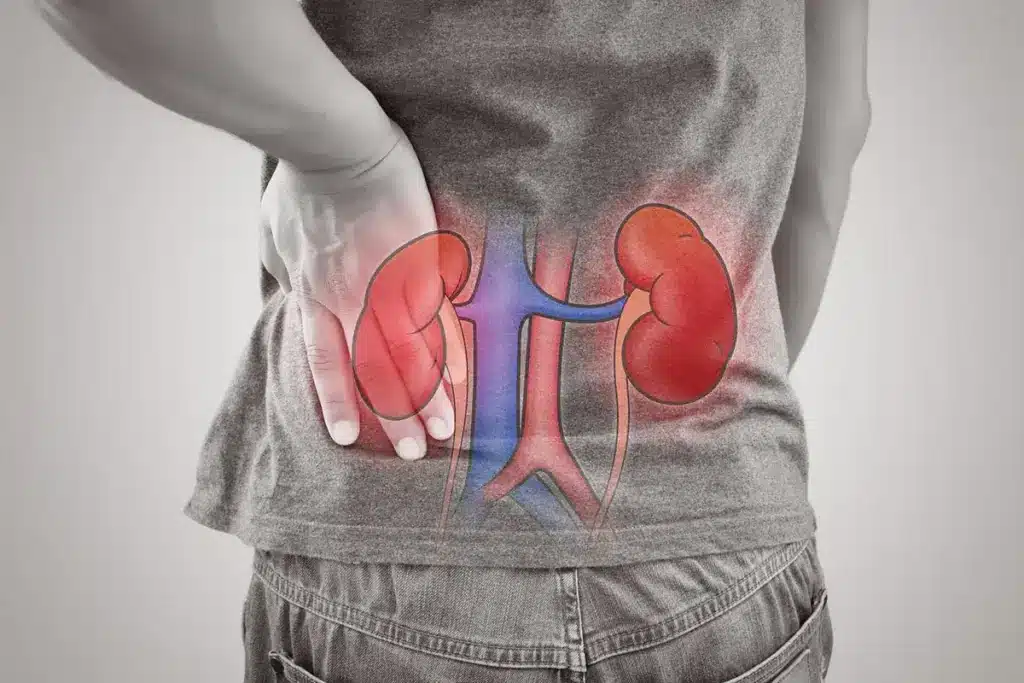
Swollen feet and ankles can be a warning sign of kidney issues. Medical Expert.
Kidneys help balance fluids in the body. If they fail, fluid builds up, causing swelling. This swelling often shows up in the feet and ankles.
Fluid Retention Due to Kidney Dysfunction
Kidney problems lead to fluid retention. The kidneys can’t filter waste and excess fluids properly. This causes swelling, mainly in the lower body.
When kidneys can’t filter, waste and fluid build up. This swelling is not just about looks. It’s a sign of a serious issue that needs medical help.
Distinguishing Kidney-Related Swelling
Not all swelling is from kidney issues. It can also be from standing too long, hot weather, or other health problems. But, kidney-related swelling often comes with other symptoms like fatigue or changes in urination.
To tell if swelling is from kidneys, look at the whole picture. This includes your medical history and other symptoms. If swelling is persistent or severe, see a doctor.
When Swelling Should Raise Concern
Seek medical help if swelling in your feet and ankles is sudden or severe. This is true if you also notice changes in urination, blood in urine, or persistent fatigue.
Spotting kidney disease early is key to managing it well. Recognizing signs like swollen feet and ankles can lead to timely medical checks. This can help prevent further problems.
Other Critical Early Warning Signs to Monitor
Kidney disease can show itself in many ways. It’s important to spot these signs early. There are key indicators beyond the first signs we learn about.
Changes in Urination Patterns
One early sign of kidney trouble is changes in how often you pee. You might notice increased frequency, foamy urine, or blood in the urine. Paying attention to these changes is vital.
Let’s explore these changes in urination patterns in a table:
| Symptom | Description | Possible Cause |
| Increased Frequency | Needing to urinate more often | Kidney damage affecting waste filtration |
| Foamy Urine | Urine appears foamy or bubbly | Protein leakage into urine due to kidney damage |
| Blood in Urine | Visible blood or urine appears dark | Kidney damage or infection |
Physical Symptoms
Feeling tired, weak, or short of breath can hint at kidney disease. This is because the kidneys aren’t making enough erythropoietin. This hormone helps make red blood cells.
Digestive and Comfort Issues
Digestive problems like nausea, loss of appetite, and trouble sleeping might be linked to kidney disease. These symptoms can really affect your life quality. They shouldn’t be ignored.
It’s important to watch for these signs and see a doctor if they keep happening. Catching kidney disease early can make a big difference in treatment outcomes.
Conclusion: When to See a Doctor
Knowing if you have kidney issues is key to catching problems early. If you have swollen feet and ankles, changes in how you pee, or a lot of pain, see a doctor.
Signs of kidney trouble can be small but important. If you’re worried about kidney damage, watch for ongoing nausea, vomiting, or losing weight without trying. Talk to a doctor if you notice these.
Getting a diagnosis early can stop serious kidney damage. If you’re feeling symptoms, get checked out. For more on when to see a doctor for kidney pain, check PSGHospitals. They have tips on keeping your kidneys healthy.
FAQ
What are the early signs of kidney disease?
Early signs of kidney disease include swollen feet and ankles. You might also notice changes in how you urinate. Other symptoms are fatigue, weakness, nausea, and loss of appetite.
How do I know if I have kidney problems?
Kidney problems might show as swelling, changes in urination, or feeling tired and weak. Regular visits to your doctor can spot kidney disease early.
What are the common causes of kidney disease?
Kidney disease often comes from diabetes, high blood pressure, or family history. Knowing your risks helps protect your kidneys.
How can I distinguish kidney-related swelling from other causes?
Swelling linked to kidneys usually comes with fatigue, weakness, and urination changes. If you have these symptoms, see your doctor.
What should I do if I notice changes in my urination patterns?
Changes in urination, like more trips to the bathroom or foamy urine, need a doctor’s check. They can find the cause and suggest treatment.
Can kidney disease be treated if it’s detected early?
Yes, early treatment of kidney disease can slow its progress. This helps avoid serious complications.
How often should I have my kidney function checked?
How often you need kidney function tests depends on your risk and medical history. If you’re at high risk, your doctor might suggest regular tests.
What are the signs of kidney damage?
Kidney damage signs include changes in urination, swelling, fatigue, weakness, and digestive issues. Seeing your doctor for these symptoms is key.
Can I prevent kidney disease?
While some risks can’t be changed, a healthy lifestyle and managing conditions like diabetes and high blood pressure help. Regular check-ups also reduce kidney disease risk.
References
National Center for Biotechnology Information. Evidence-Based Medical Guidance. Retrieved from https://www.ncbi.nlm.nih.gov/pmc/articles/PMC3680512/