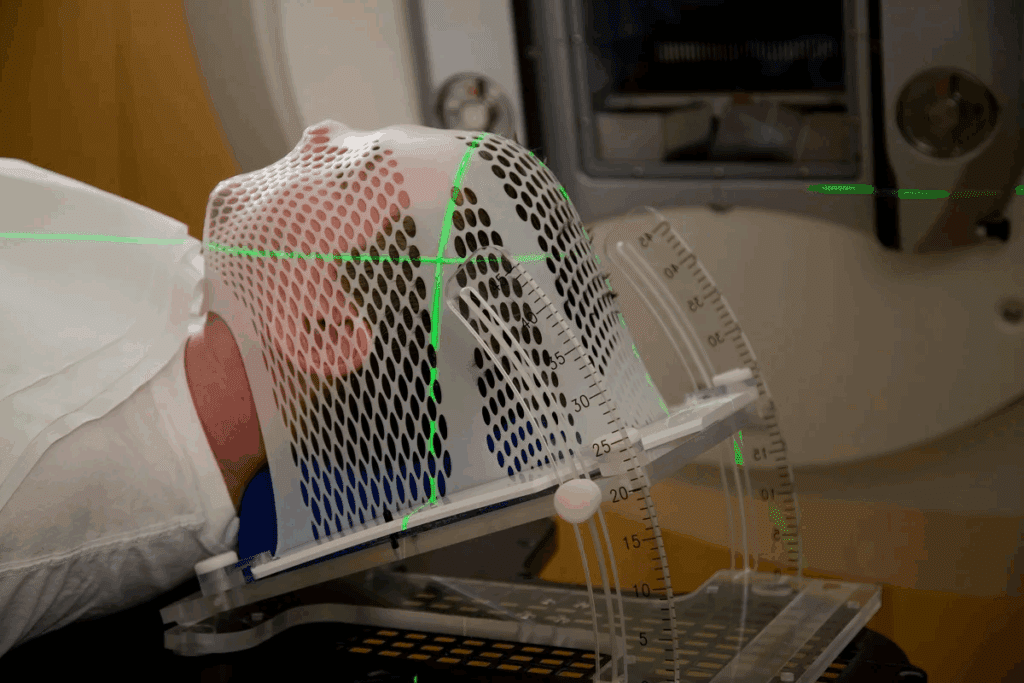
Radiation therapy is a common way to treat cancer. It uses high-energy rays to kill cancer cells. Nearly 50% of cancer patients undergo radiation therapy, which can cause side effects.Learn about the types and causes of common Pain from radiation, such as skin irritation and internal soreness.
One of the side effects is pain associated with radiation. We look into how radiation therapy works and its purpose. We also explore common conditions treated with it to understand the pain.
Understanding the effects of radiation therapy on pain is crucial for patients. We’ll talk about the types of pain that can happen during and after treatment.
Key Takeaways
- Radiation therapy is used to treat nearly 50% of cancer patients.
- Pain is a possible side effect of radiation therapy.
- The type and severity of pain can vary depending on the treatment area.
- Understanding radiation therapy helps in managing its side effects.
- Pain management is a key part of radiation therapy.
Understanding Radiation Therapy and Its Purpose
Radiation therapy is a key part of cancer treatment, giving hope to many. It works by harming the DNA of cancer cells, stopping them from growing and dividing.
What is Radiation Therapy?
Radiation therapy uses high-energy particles or waves to kill cancer cells. This treatment targets the cancer area directly.
Types of Radiation Therapy include external beam and internal radiation therapy (brachytherapy). External beam uses radiation from outside the body. Brachytherapy places the radiation source inside the body near the cancer and Pain from radiation.
Common Conditions Treated with Radiation
Radiation therapy treats many cancers, like breast, lung, prostate, and brain tumors. It can be used alone or with surgery and chemotherapy.
| Cancer Type | Use of Radiation Therapy |
| Breast Cancer | Often used after surgery to eliminate remaining cancer cells. |
| Lung Cancer | Can be used to shrink tumors before surgery or to relieve symptoms. |
| Prostate Cancer | Used to target and destroy prostate cancer cells. |
How Radiation Therapy Works
Radiation therapy damages cancer cells’ DNA, stopping them from reproducing and leading to cell death. It aims to give the right dose of radiation to the tumor while protecting healthy tissues.
Knowing how radiation therapy works and its uses helps patients understand their treatment options and what to expect.
Types of Pain Associated with Radiation Therapy
Understanding the effects of radiation therapy on pain is crucial for patients.
Acute vs. Chronic Pain
Patients may face either acute or chronic pain from radiation therapy. Acute pain is sharp and happens during or right after treatment. It usually goes away once treatment ends. On the other hand, chronic pain lasts longer and can stay even after treatment is over.
Handling these pain types needs different strategies. For acute pain, doctors might adjust medication temporarily. Chronic pain, though, might need a longer-term plan for management.
Location-Specific Pain
The area treated by radiation affects the type and intensity of pain. For example, radiation to the spinal area can cause spinal radiation side effects like pain. Radiation for breast cancer can lead to nerve damage from radiation, causing pain in the breast or nearby areas.
| Treatment Area | Common Pain Types |
| Spinal Area | Back pain, nerve pain |
| Breast | Localized pain, nerve damage pain |
| Pelvic Area | Abdominal pain, urinary discomfort |
Radiation-Induced Side Effects
Radiation therapy can also cause side effects like skin reactions and fatigue. These side effects can greatly affect a patient’s life and pain levels.
“Pain management is a critical component of cancer care, and understanding the sources of pain is essential for effective relief.”
Expert in Pain Management
Talking to healthcare providers about pain management is key. It helps reduce discomfort from radiation therapy.
The Mechanism Behind Pain from Radiation
Pain from radiation therapy comes from damage to cells, inflammation, and nerve sensitivity. Radiation treats cancer but also harms healthy tissues nearby.
Cellular Damage and Inflammation
Radiation therapy damages cells by changing their DNA. This can kill cells or make them work poorly. The body tries to fix these tissues, causing inflammation.
Inflammation is a key contributor to pain in patients. It leads to swelling, redness, and irritation in the treated area.
The inflammatory process releases chemicals that make pain receptors more sensitive. This makes the area more painful. Knowing this helps in finding ways to manage pain better.
Nerve Sensitivity and Pain Receptors
Radiation can also harm nerve endings and pain receptors. Nerve damage or neuropathy is a known side effect, mainly when nerves are in the radiation field.
The sensitivity of pain receptors increases due to inflammation and radiation’s direct effects on nerves. This can cause neuropathic pain, like burning or stabbing feelings.
Radiation Field Effects on Tissues
The treated area, or radiation field, can have various tissue effects. These range from mild irritation to severe damage. The severity depends on the radiation dose, duration, and the tissues involved.
Tissues in the radiation field can become inflamed, scarred, or fibrotic. This can lead to chronic pain and discomfort. For example, radiation to the spine can cause vertebral fractures or spinal cord damage, leading to significant pain and mobility issues.
Understanding pain from radiation therapy is key for healthcare providers. They can then create targeted pain management plans. By tackling the root causes of pain, like inflammation and nerve damage, patients can get better relief and enjoy a better quality of life during and after treatment.
Symptoms of Pain Experienced During Treatment
During radiation therapy, patients often face many symptoms that can affect their life quality. These symptoms change based on the treated area, radiation dose, and patient factors.
Skin Reactions and Their Discomfort
Skin reactions are a common side effect of radiation therapy. The treated skin may turn red, get irritated, and feel sensitive, like a sunburn. It can also become dry, itchy, or develop blisters. These reactions can be quite uncomfortable.
Fatigue and Its Impact on Pain Levels
Fatigue is a common symptom during radiation therapy. It can come from the body’s reaction to radiation, the treatment itself, or stress and anxiety. Fatigue can make pain feel worse, making it harder for patients to handle their discomfort.
We suggest that patients focus on resting and doing activities that help with fatigue. Gentle exercise or relaxation techniques can be helpful.
Pain Related to Internal Structures
Radiation therapy can also cause pain in internal structures, depending on the treated area. For instance, radiation to the lumbar spine can lead to radiculopathy or pain along nerve pathways. Knowing these possible side effects can help patients better manage their symptoms.
| Symptom | Description | Management Tips |
| Skin Reactions | Redness, irritation, dryness, or blistering in the treated area | Keep the area clean, avoid harsh soaps, and apply gentle moisturizers |
| Fatigue | Feeling tired or exhausted, impacting daily activities | Prioritize rest, engage in gentle exercise, and practice relaxation techniques |
| Pain Related to Internal Structures | Pain or discomfort in internal organs or structures due to radiation | Discuss pain management options with your healthcare provider, including medications or alternative therapies |
Managing Pain During Radiation Therapy
Managing pain during radiation therapy is a complex task. It involves both medical and alternative treatments. It’s key to improving the life quality of those undergoing treatment.
Pain Management Strategies
There are many ways to manage pain during radiation therapy. These include:
- Medications: Pain relief drugs are often given to help manage pain.
- Alternative Therapies: Methods like meditation, acupuncture, and physical therapy can also help.
- Lifestyle Changes: Changing daily activities and diet can also help manage pain.
Role of Medications and Alternatives
Medications are a big part of pain management during radiation therapy. But, alternative therapies can also offer a lot of relief. For example, acupuncture can help by stimulating healing and reducing inflammation.
Radiation-induced neuropathy is a condition that can cause a lot of pain. Managing this condition often needs a mix of medications and alternative therapies. Knowing the side effects of radiation therapy, like spine radiation therapy side effects, is key to managing pain well.
Importance of Communication with Healthcare Providers
Talking to healthcare providers is very important for managing pain. Patients should tell their healthcare providers about their pain levels and any side effects. This helps healthcare providers adjust treatment plans as needed.
For instance, if a patient has hip and leg pain after pelvic radiation, they should tell their healthcare provider. This pain could be from damage from radiation or swelling caused by the therapy.
By working closely with healthcare providers, patients can create a pain management plan that fits their needs. This plan can greatly improve their overall well-being.
Psychological Impact of Pain from Radiation
Going through radiation therapy can be tough, with pain being a big issue. It affects not just the body but also the mind. This pain can make patients feel anxious and lower their quality of life.
Anxiety and Pain Perception
Anxiety greatly affects how patients feel pain during treatment. When anxious, pain can seem worse. Managing anxiety is key to controlling pain. Mindfulness, meditation, and therapy can help reduce anxiety.
Seeing the connection between anxiety and pain helps doctors create better treatment plans. These plans tackle both physical and mental pain aspects.
Coping Mechanisms for Patients
Patients need good ways to cope with pain’s mental effects. Support from loved ones and professional help can ease emotional pain. Activities like reading or listening to music can also help.
What works for one person might not work for another. It’s important for patients to try different coping methods to find what works best for them.
The Role of Support Systems
A strong support system is essential for patients facing pain from radiation therapy. Family, friends, and support groups offer emotional support and practical help. They provide a sense of community, which is very comforting.
Healthcare providers also play a big role. They offer guidance, reassurance, and resources to help patients manage pain and mental distress.
The Role of Nutrition in Pain Management
Managing pain during radiation therapy is not just about medicine. Nutrition plays a big role too. Eating well can help ease pain and aid in recovery.
Foods That May Alleviate Pain
Some foods can help lessen pain and swelling. These include:
- Omega-3 rich foods like salmon and walnuts, which are known for their anti-inflammatory effects.
- Antioxidant-rich foods such as berries and leafy greens, which help combat oxidative stress.
- Turmeric, containing curcumin, which has potent anti-inflammatory and pain-relieving properties.
Adding these foods to your diet is easy. Try having walnuts as a snack or adding turmeric to your meals.
Hydration and Its Importance
Drinking enough water is key for patients getting radiation therapy. Water helps remove toxins and keeps the skin healthy. This reduces the chance of skin burns from radiation.
Aim to drink at least eight glasses of water a day. If you sweat a lot or your doctor says so, drink more.
Nutritional Supplements to Consider
While a balanced diet is essential, some supplements can also help with pain. These include:
- Omega-3 supplements for their anti-inflammatory effects.
- Vitamin D supplements, if you’re low, as vitamin D is vital for health and may help with pain.
- Probiotics to support gut health, which is linked to overall well-being and pain levels.
Always talk to your healthcare provider before taking supplements. They need to make sure they’re safe and right for you.
Long-Term Effects of Radiation Therapy
Radiation therapy is a big deal for patients and doctors. It’s used to fight cancer but can change a patient’s life for good. Knowing these effects helps us care for patients better.
Potential for Persistent Pain
One big worry is pain that lasts after treatment. This pain can show up in different ways, based on where the treatment was and how the patient reacts. Many patients worry about pain after radiotherapy, which can really affect their daily life.
The therapy can hurt tissues and nerves, leading to long-term pain. How bad this pain is can vary a lot. Some people might just feel a little discomfort, while others might have pain that’s really hard to handle.
Quality of Life Considerations
Persistent pain really affects a patient’s life. It’s not just about physical pain but also emotional and mental health. Many patients wonder if is radiation treatment painful, and the answer depends on many things, like where and how much radiation was used.
Doctors and patients work together to make care plans. These plans might include ways to manage pain, physical therapy, and support for the mind. This helps deal with the many sides of pain.
| Aspect of Care | Strategies | Benefits |
| Pain Management | Medications, alternative therapies | Reduced pain levels, improved comfort |
| Physical Therapy | Exercise, physical rehabilitation | Enhanced mobility, strength |
| Psychological Support | Counseling, support groups | Emotional well-being, coping mechanisms |
Strategies for Long-Term Pain Management
Managing pain long-term is key for patients who’ve had radiation therapy. We use many ways to help with pain from radiation treatment, like medicine, changing lifestyle, and other therapies.
Patients should talk to their healthcare team to find the best pain plan. This team effort makes sure the treatment fits the patient’s needs, improving their life quality.
Understanding what is radiation pain helps us support patients better. Our goal is to care for them not just during treatment but also after. We aim to address all the effects of radiation therapy, both short and long-term.
Resources for Patients Facing Radiation Pain
Patients getting radiation therapy often feel pain and discomfort. This can be from the treatment or the condition being treated. It’s key to manage pain for overall health.
Support and Community
Support groups and online communities are big helps for patients. They let people share their stories, get emotional support, and learn from others. It’s comforting to know you’re not alone.
Educational Resources
There are many educational materials and organizations that help. They offer tips on managing pain and side effects from radiation therapy. Look for trusted sources that explain how to reduce swelling and if treatment hurts.
Professional Guidance
For specific pain management advice, talk to healthcare pros who know radiation therapy. They can give personalized tips on controlling pain and help with treatment details. It’s important to get professional help for your pain concerns.
FAQ
Is radiation therapy painful?
No, radiation therapy itself is not painful. But, it can cause side effects that lead to pain or discomfort.
What are the common types of pain associated with radiation therapy?
Pain types include acute and chronic pain. Also, location-specific pain and pain from side effects like skin reactions and inflammation.
How does radiation therapy cause pain?
It damages cells, causing inflammation. This affects nerve sensitivity and pain receptors in the treated area.
Can radiation therapy cause long-term pain?
Yes, it can lead to long-term or chronic pain. This depends on the treatment area and dose.
How can pain from radiation therapy be managed?
Manage pain with medications and alternative therapies like acupuncture or massage. Also, talk to healthcare providers to adjust treatment plans.
What role does nutrition play in managing pain during radiation therapy?
Nutrition is key in managing pain. Stay hydrated and eat foods that may help. Consider nutritional supplements with healthcare provider guidance.
Can anxiety affect pain perception during radiation therapy?
Yes, anxiety can greatly affect pain perception. It’s important to use coping mechanisms and seek support from healthcare providers and loved ones.
Are there any resources available for patients dealing with radiation pain?
Yes, there are support groups, online communities, and educational materials. Also, professional help from pain management specialists and oncologists is available.
Does radiation therapy cause neuropathy?
Yes, it can cause neuropathy in some cases. This depends on the area treated and the dose of radiation. Symptoms include numbness, tingling, or pain.
What are the symptoms of radiation fibrosis?
Symptoms include pain, swelling, and limited mobility. This depends on the location and severity of the fibrosis.
Can radiation therapy be used for pain relief?
Yes, it can be used to relieve pain. This is often for patients with advanced cancer or specific types of pain related to tumor growth.
What are the side effects of radiation to the lumbar spine?
Side effects include pain, inflammation, and potentially long-term issues like radiation fibrosis or neuropathy. This depends on the dose and individual response.
References
National Center for Biotechnology Information. Evidence-Based Medical Insight. Retrieved from https://www.ncbi.nlm.nih.gov/pmc/articles/PMC11417628/
National Center for Biotechnology Information. Evidence-Based Medical Insight. Retrieved from https://www.ncbi.nlm.nih.gov/pmc/articles/PMC11417628/