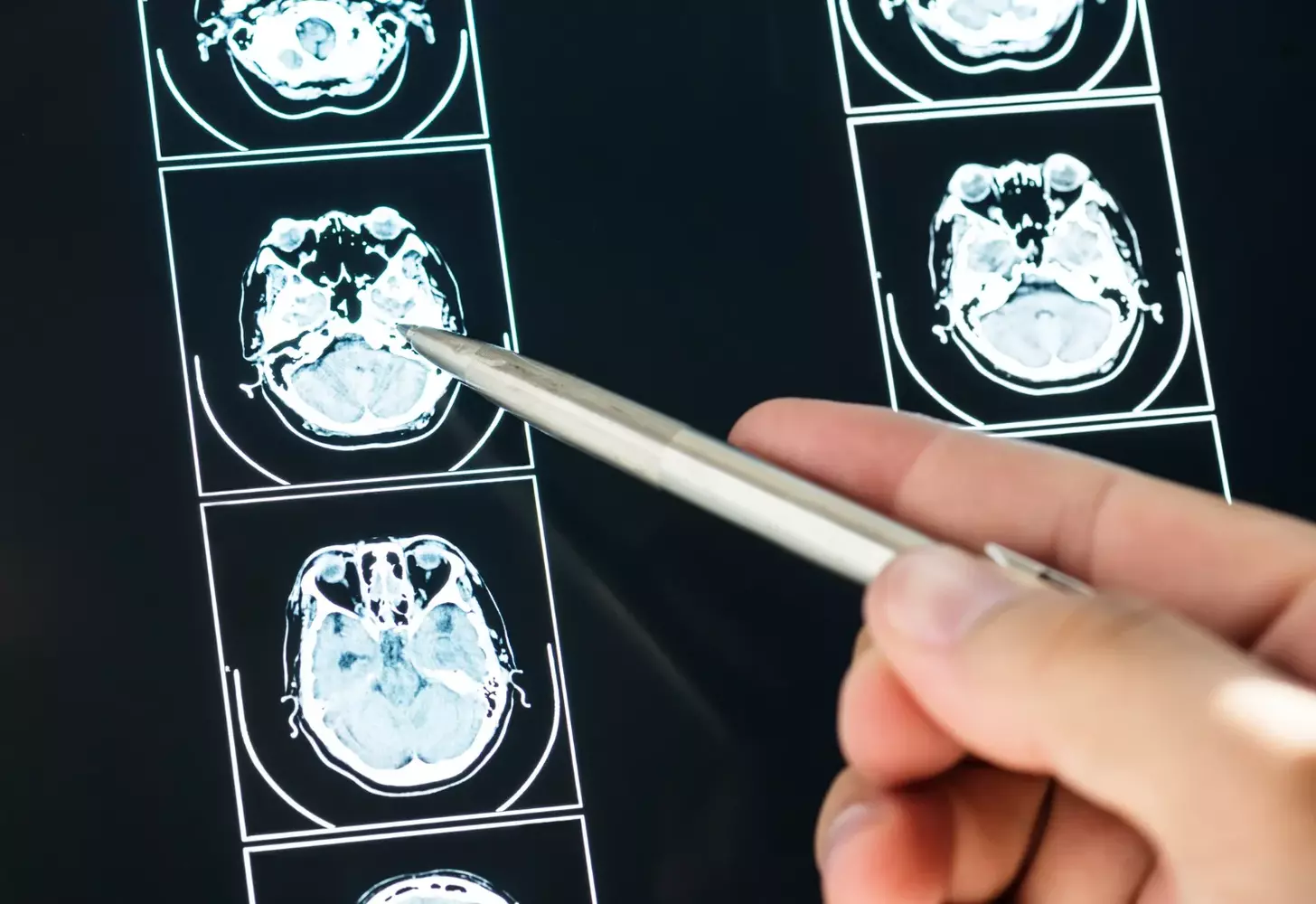
Knowing how brain tumors are classified is key for those facing a diagnosis. Unlike other cancers, primary brain tumors are graded, not staged. This is because they usually don’t spread beyond the brain.
We look into the grades of brain cancer and what treatments are available. Tumors are graded from 1 to 4, with Grade 1 being slow-growing and possibly curable with surgery. On the other hand, Grade 4 is the most aggressive.
Key Takeaways
- Primary brain tumors are classified by grade, not traditional stages.
- There are four grades of brain tumors, each with different characteristics.
- Grade 1 tumors are slow-growing and potentially curable with surgery.
- Understanding tumor grade is key for knowing prognosis and treatment.
- Liv Hospital offers reliable and personalized help for brain tumor care.
Understanding Brain Cancer Classification
Brain cancer is not staged like other cancers. Instead, it’s graded based on the tumor’s characteristics. This method is key for finding the best treatment and predicting outcomes.
Why Brain Cancer Uses Grades Instead of Traditional Stages
Brain cancer grading shows how aggressive and fast-growing the tumor is. It looks at how much the tumor cells look like normal cells and how quickly they grow. This system is better than staging because it gives a clearer picture of the tumor’s behavior and the patient’s future.
Grading ranges from Grade I to Grade IV, with Grade I being the least aggressive and Grade IV the most. This shows the difference in growth patterns and behaviors between brain cancer and other cancers. So, grading is a more fitting way to classify brain tumors.
The Importance of Accurate Classification
Getting brain cancer right is key for knowing what to expect and how to treat it. Doctors can tailor treatments based on the tumor’s specific traits. For more on cancer stages and how they’re classified, check out https://int.livhospital.com/stages-of-cancer/.
| Grade | Description | Prognosis |
|---|---|---|
| Grade I | Least aggressive, slow-growing | Generally favorable |
| Grade II | Moderately differentiated, may grow slowly | Variable, depends on several factors |
| Grade III | Poorly differentiated, more aggressive | Less favorable, requires aggressive treatment |
| Grade IV | Most aggressive, rapid growth | Poor, often requires intensive treatment |
Accurate grading helps compare treatment results and improve care. By focusing on grading over staging, we can better tackle brain cancer and find more effective treatments.
Brain Cancer Stages: The Grading System Explained
The grading system is vital for understanding brain cancer. It helps doctors plan the best treatment. Unlike other cancers, brain tumors are graded, not staged.
How Brain Tumors Are Evaluated
The grading system looks at how aggressive a tumor is. It checks cell density, how fast cells divide, and if there’s cell death. Grade 1 tumors grow slowly and might be curable with surgery. Higher grades mean the tumor grows faster.
We have a four-tier system, with Grade 1 being the least aggressive and Grade 4 the most. This helps doctors choose the right treatment and predict how well a patient will do.
Differences Between Primary and Secondary Brain Tumors
It’s important to know if a brain tumor is primary or secondary. Primary tumors start in the brain. Secondary tumors spread from other parts of the body. Knowing where the tumor comes from helps doctors decide the best treatment.
| Characteristics | Primary Brain Tumors | Secondary Brain Tumors |
|---|---|---|
| Origin | Brain | Other parts of the body |
| Treatment Approach | Surgery, radiation, chemotherapy | Depends on primary cancer site |
| Prognosis | Varies by grade and type | Generally poorer due to metastasis |
Understanding the grading system and the differences between primary and secondary tumors helps patients and doctors make better choices. This leads to better care and treatment plans.
Grade 1 Brain Tumors: Characteristics and Prognosis
Grade 1 brain tumors are the least aggressive type of brain cancer. They offer a good chance of recovery for patients. These tumors grow slowly and don’t spread quickly to other parts of the brain.
Defining Features of Grade 1 Tumors
Grade 1 brain tumors are benign and grow slowly. They often have a good outlook, as they can be treated well with surgery. The World Health Organization (WHO) uses a system to classify brain tumors. Grade 1 tumors are seen as benign and can often be cured with surgery.
Treatment Approaches for Grade 1 Brain Cancer
The main treatment for Grade 1 brain tumors is surgery. The aim is to remove as much of the tumor as possible without harming the brain. In many cases, surgery alone can cure the tumor. But, whether to use radiation therapy also depends on how much of the tumor was removed and its type.
Potential for Cure with Surgical Intervention
Patients with Grade 1 brain tumors have a good chance of being cured with surgery. Research shows that removing the tumor completely can lead to long-term survival or even a cure. This highlights the importance of early diagnosis and proper treatment planning.
Receiving a brain tumor diagnosis can be scary. But for those with Grade 1 tumors, the outlook is usually positive. With the right treatment, many patients can fully recover and go back to their normal lives.
Stage 2 Brain Cancer: What You Need to Know
Knowing about Stage 2 brain cancer is key for patients to choose the right treatment. At this stage, the tumor is not as aggressive as higher-grade tumors but is a serious health risk.
Defining Characteristics
Grade 2 brain tumors have more cells and some abnormal cell features. They are more aggressive than Grade 1 tumors and have a higher chance of coming back or getting worse. The World Health Organization (WHO) helps classify and grade brain tumors, giving insight into their behavior.
Key features of Grade 2 brain tumors include:
- Increased cellularity
- Mild to moderate nuclear atypia
- A higher risk of recurrence and progression compared to Grade 1 tumors
Common Types of Grade 2 Brain Tumors
Low-grade gliomas are common Grade 2 brain tumors. They start in the brain’s glial tissue and can have different traits. Other types, like astrocytomas and oligodendrogliomas, also exist with unique features.
Risk of Recurrence and Progression
The risk of the tumor coming back or getting worse is a big worry for patients. Regular check-ups and care are vital to manage this risk and adjust treatment plans. The tumor’s genetics, the patient’s health, and how well the first treatment worked all play a role in this risk.
Getting a Stage 2 brain cancer diagnosis can be tough. But, with the right treatment and support, many patients can manage their condition well. Our team is dedicated to giving full care and advice during treatment.
Is Stage 2 Brain Tumor Curable?
To know if a stage 2 brain tumor is curable, we need to look at the tumor’s details and the patient’s health. The chance of curing a stage 2 brain tumor depends on several things. These include the tumor’s type, where it is, and the patient’s age and health.
Factors Affecting Curability
Many things can affect if a stage 2 brain tumor can be cured. These include:
- The type and grade of the tumor
- The tumor’s location and size
- The patient’s age and overall health
- The effectiveness of the treatment plan
The type and grade of the tumor are very important in deciding if it can be cured. Tumors that are low-grade and grow slowly are easier to treat than fast-growing, high-grade tumors.
Success Rates for Different Treatment Approaches
Treatment for stage 2 brain tumors often includes surgery, radiation, and chemotherapy. How well these treatments work can change based on the tumor and the patient.
Recent studies show that surgery followed by radiation therapy can greatly help patients with stage 2 brain tumors. For example, a study found that patients who had surgery and then radiation therapy lived longer than those who only got one treatment.
“The treatment of stage 2 brain tumors requires a multidisciplinary approach, combining the expertise of neurosurgeons, radiation oncologists, and medical oncologists to achieve the best possible outcomes.”
Long-term Outlook for Stage 2 Brain Cancer Patients
The long-term outlook for stage 2 brain cancer patients depends on many things. These include the tumor’s characteristics and the treatment used. Generally, patients with low-grade tumors have a better chance of recovery than those with high-grade tumors.
| Tumor Type | Treatment Approach | 5-Year Survival Rate |
|---|---|---|
| Low-grade glioma | Surgery + Radiation | 80% |
| High-grade glioma | Surgery + Chemoradiation | 40% |
In conclusion, while many factors affect if a stage 2 brain tumor can be cured, new treatments have helped many patients. It’s very important for patients to work closely with their healthcare team to find the best treatment for their case.
Treatment Options for Stage 2 Malignant Brain Tumors
Treating stage 2 malignant brain tumors requires a mix of therapies. Each patient’s case is different, so treatments must be tailored. This ensures the best care for each person.
Surgical Approaches and Maximal Resection
Surgery is often the first step in treating these tumors. The aim is to remove as much of the tumor as possible. This helps reduce the tumor’s size and eases symptoms.
Our team uses the latest surgical methods and imaging tools. This helps us safely remove the tumor. Sometimes, we use awake craniotomy or other special techniques to improve surgery results.
Radiation Therapy for Grade 2 Tumors
Radiation therapy is also key in treating these tumors. It uses high-energy rays to kill or slow tumor cells. External beam radiation therapy is the most common type, where rays come from outside the body.
We create a treatment plan that fits each patient’s tumor and health. This approach helps make treatment more effective and reduces side effects.
Role of Chemotherapy in Treatment
Chemotherapy is sometimes added to surgery and radiation therapy. Chemotherapy uses drugs to kill or stop tumor cells from growing.
We consider many factors when choosing chemotherapy. These include the tumor’s genetics and the patient’s health. This ensures the treatment works well and side effects are managed.
By combining these treatments, we create a plan that meets each patient’s needs. This helps tackle stage 2 malignant brain tumors effectively.
Grade 3 Brain Tumors: Characteristics and Challenges
Grade 3 brain cancer grows fast and is more aggressive than lower-grade tumors. It’s considered malignant. This makes treatment hard because it grows quickly and can spread to other brain areas.
Defining Features of Grade 3 Tumors
Grade 3 brain tumors have unique traits that set them apart. Some key features include:
- High Mitotic Activity: These tumors divide cells quickly, making them aggressive.
- Significant Nuclear Atypia: The cells show abnormal features, showing they are cancerous.
- Microvascular Proliferation: New blood vessels form, helping the tumor grow.
Treatment Approaches for Grade 3 Brain Cancer
Treating Grade 3 brain tumors involves surgery, radiation, and chemotherapy. The aim is to remove as much tumor as possible while keeping brain function intact.
Some treatment methods are:
- Maximal Safe Resection: Surgery removes as much tumor as possible without harming brain areas.
- Radiation Therapy: High-energy beams kill tumor cells, often used with surgery.
- Chemotherapy: Medications target fast-growing cells to slow tumor growth.
Stage 3 Brain Cancer Survival Rates
Survival rates for Grade 3 brain cancer depend on several factors. These include the tumor type, patient age, and overall health. Generally, Grade 3 tumors have a worse prognosis than Grade 1 and 2 tumors.
Every patient’s case is different. Survival rates can change based on treatment success and how well the patient responds to therapy.
Grade 4 Brain Tumors: Understanding the Most Aggressive Form
Grade 4 brain tumors are the most aggressive type of brain cancer. Glioblastoma is a prime example. These tumors grow fast and have a lot of activity, making them hard to treat.
Getting a diagnosis of a Grade 4 brain tumor can be scary. At this stage, the tumor is very malignant. It likes to spread to other parts of the brain, making surgery tough.
Aggressive Characteristics and Clinical Features
Grade 4 brain tumors, like glioblastoma, grow fast and are hard to beat. They grow quickly, can die off, and often come back. This makes them very challenging to treat.
- Rapid growth and proliferation
- High mitotic activity and angiogenesis
- Tendency to infiltrate surrounding brain tissue
- Poor prognosis and high recurrence rate
Knowing these traits is key to finding good treatments.
Treatment Approaches for Grade 4 Brain Cancer
Treatment for Grade 4 brain tumors usually involves surgery, radiation, and chemotherapy. The goal is to make life better and extend life a bit.
| Treatment Modality | Description | Benefits |
|---|---|---|
| Surgery | Maximal safe resection of the tumor | Reduces tumor burden, alleviates symptoms |
| Radiation Therapy | High-dose radiation to target residual tumor cells | Controls tumor growth, improves survival |
| Chemotherapy | Systemic or local chemotherapy to target tumor cells | Slows tumor progression, may improve survival |
We help patients create a treatment plan that fits their needs and situation.
Life Expectancy for Stage 4 Brain Cancer Patients
The outlook for Grade 4 brain tumors is not good. But, life expectancy can vary a lot. It depends on age, health, and how well treatment works.
Even with a tough outlook, new treatments and care help patients live better lives.
Brain Cancer Prognosis: How Survival Rates Change with Grade
Brain cancer prognosis is complex, influenced by the tumor’s grade and the patient’s health. It’s key for patients and families to understand these factors. This helps them face the challenges of diagnosis and treatment.
Comparing Outcomes Across Different Grades
The grade of a brain tumor greatly affects the patient’s prognosis. Lower-grade tumors usually have a better outlook than higher-grade ones. For example, Grade 1 tumors are often benign and respond well to surgery. On the other hand, Grade 4 tumors are very aggressive and have a worse prognosis.
Looking at survival rates by grade helps us understand prognosis better. The 5-year survival rate for Grade 1 tumors is much higher than for Grade 4. Survival rates for Grade 2 and 3 tumors vary based on location and age.
Impact of Age and Overall Health on Prognosis
Age and health are key factors in brain cancer prognosis. Younger patients with fewer health issues usually have a better outlook. This is because they can handle more aggressive treatments, which can boost survival chances.
Also, patients with strong support systems and access to top medical care tend to do better. It’s vital to focus on the patient’s overall well-being, not just the tumor.
Recent Advances Improving Survival Rates
New medical technologies and treatments have boosted survival rates for brain cancer patients. Advances in surgery, radiation, and chemotherapy have led to better outcomes. For instance, targeted therapies that target specific tumor characteristics have shown great promise in trials.
Neuro-oncology is constantly evolving, with ongoing research for more effective treatments. These developments offer hope for better survival rates and quality of life for brain cancer patients.
Distinguishing Between Brain Cancer Stages and Brain Tumor Stages
Understanding the difference between brain cancer stages and brain tumor stages is key. These terms are often mixed up, but they mean different things about the disease’s nature and how it grows.
Different Growth Patterns and Biological Behaviors
Brain tumors can grow in many ways and have different behaviors. Some are benign and grow slowly, while others are aggressive and spread quickly. Their growth and behavior are based on their cells and how they act.
Accurate classification is very important. It helps doctors decide the best treatment for each patient. We use a grading system to classify tumors based on their features. This helps find the right treatment.
How Classification Affects Treatment Planning
How we classify brain tumors affects how we plan treatment. Knowing the tumor’s specific traits helps doctors create a treatment plan just for that patient. This might include surgery, radiation, chemotherapy, or a mix of these.
For example, Grade 2 brain tumors are less severe and might need less aggressive treatment than higher-grade tumors. Below is a table showing how treatment plans differ based on tumor grade.
| Tumor Grade | Treatment Approach | Prognosis |
|---|---|---|
| Grade 1 | Surgery, observation | Favorable |
| Grade 2 | Surgery, radiation therapy | Moderate |
| Grade 3/4 | Aggressive treatment including surgery, radiation, and chemotherapy | Poor |
The Role of Molecular Features in Modern Classification
New advances in molecular diagnostics have changed how we classify brain tumors. Molecular traits, like genetic changes and how genes are expressed, tell us a lot about the tumor. We use these traits in our classification system to improve accuracy and treatment planning.
By combining molecular traits with traditional methods, we can better understand brain tumors. This helps us develop more effective treatments. This approach is key to improving care and outcomes for brain cancer patients.
Conclusion
Knowing about brain cancer stages is key for both patients and doctors. It helps them decide on the best treatment. Brain cancer is divided into grades to understand its severity and treatment options.
For those with stage 2 brain cancer, the big question is if it can be cured. Whether a stage 2 brain tumor can be cured depends on several things. These include the tumor’s type and the patient’s health. Treatments like surgery, radiation, and chemotherapy are important in the fight against cancer.
The outlook for brain cancer patients varies a lot. It depends on the tumor’s grade and the patient’s health. By understanding brain cancer stages and grades, patients and doctors can make better treatment choices. This can lead to better outcomes. We stress the need for a complete treatment plan, using the latest medical advancements for the best results.
What are the different stages of brain cancer?
Brain cancer is divided into four grades. Grade 1 is slow-growing and might be cured with surgery. Grade 4 is the most aggressive.
Is stage 2 brain tumor curable?
Whether a stage 2 brain tumor is curable depends on several factors. These include the tumor’s type and the patient’s health. Treatments like surgery, radiation, and chemotherapy are used.
What is the difference between primary and secondary brain tumors?
Primary brain tumors start in the brain. Secondary brain tumors spread from other parts of the body.
How are brain tumors evaluated?
Brain tumors are checked based on their cell features. This includes cell density, how fast cells divide, and cell death.
What are the characteristics of Grade 2 brain tumors?
Grade 2 brain tumors are more aggressive than Grade 1. They have a higher chance of coming back and getting worse. Low-grade gliomas are common types of Grade 2 tumors.
What are the treatment options for stage 2 malignant brain tumors?
For stage 2 malignant brain tumors, treatments include surgery, radiation, and chemotherapy. These can be used alone or together.
How does the prognosis for brain cancer patients change with the tumor’s grade?
Survival rates for brain cancer patients change with the tumor’s grade. Higher-grade tumors have a worse prognosis.
What is the survival rate for stage 3 brain cancer?
Survival rates for stage 3 brain cancer are lower than for lower-grade tumors. Grade 3 tumors are more aggressive and have a poorer outlook.
What is the life expectancy for stage 4 brain cancer?
Life expectancy for stage 4 brain cancer varies. It depends on the tumor’s type and the patient’s health. Grade 4 tumors, like glioblastoma, are very aggressive and have a poor prognosis.
How does the classification of brain tumors affect treatment planning?
Accurate brain tumor classification is key for treatment planning. It considers factors like cell features, molecular traits, and how the tumor behaves.