

Nearly 450,000 back surgeries happen every year in the United States. Many patients face a tough recovery. Understanding the worst days after back surgery helps prepare patients for their recovery journey. Recovery times vary a lot from person to person.
In the early days of back surgery recovery, patients often feel pain, discomfort, and can’t move much. We’ll show you what to expect and how to get through this tough time.
Learn what are the symptoms of nerve damage after back surgery and discover amazing ways to protect your nerves today.
Key Takeaways
- Back surgery recovery is a unique experience for each patient.
- The initial days after surgery are often the most challenging.
- Understanding the recovery process can help manage expectations.
- Pain management and mobility are key during recovery.
- Support systems are very important in the recovery after spinal surgery.
Understanding Back Surgery: Types and General Recovery Expectations
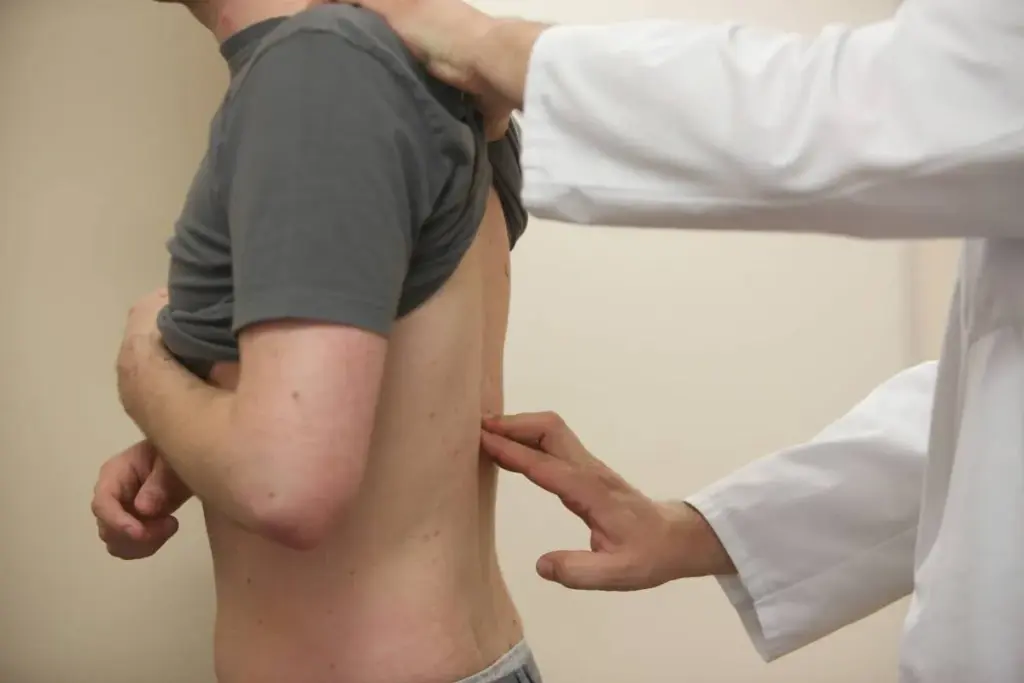
Back surgery includes many procedures, each with its own recovery time. It’s a big step to help people with chronic back pain or spinal problems. But, the road to getting better is different for everyone, based on the surgery.
Common Types of Back Surgeries
There are several types of back surgeries. Lumbar fusion is common, where vertebrae are joined to stabilize the spine. Laminectomy removes part of a vertebra to ease pressure on nerves.
|
Surgery Type |
Purpose |
Typical Recovery Time |
|---|---|---|
|
Lumbar Fusion |
Stabilize the spine by fusing vertebrae |
3-6 months |
|
Laminectomy |
Relieve pressure on spinal cord or nerves |
2-4 months |
|
Discectomy |
Remove herniated disc material |
1-3 months |
General Timeline for Recovery
The time it takes to recover from back surgery varies. It depends on the surgery, the patient’s health, and following doctor’s orders. The first few weeks are key, focusing on managing pain and slowly getting moving.
“Recovery from back surgery is not just about healing from the operation itself, but also about regaining strength and mobility.”
—Spine Surgeon
Setting Realistic Expectations
It’s important to have realistic hopes for recovery. Patients should know it can take months to fully recover. The first weeks can be tough, but following the doctor’s advice and doing physical therapy helps a lot.
Knowing about the different surgeries and what recovery is like helps patients prepare. This can lead to a better recovery and outcome.
The Immediate Aftermath: Days 1-3 Post-Surgery
The first few days after back surgery are tough and important. Patients face big challenges that can affect their recovery.
Pain Management Challenges
Managing pain right after surgery is key. Patients often feel pain, soreness, and discomfort at the surgery site. We use medicines and other methods to help manage pain.
- Medication: Patients get pain relief medicines to ease their discomfort.
- Monitoring: Doctors watch how much pain patients have and change medicines if needed.
- Alternative Methods: Some patients might find relief with ice or heat therapy.
Mobility Restrictions
Moving around is hard in the early days of recovery. Doctors tell patients to move less to help the healing.
- Movement Limitations: Patients should avoid bending, lifting, or twisting.
- Physical Therapy: Gentle exercises might start to keep patients moving without hurting the surgery site.
- Support: Family and friends are key in helping with daily tasks.
Hospital Care and Monitoring

Getting care in the hospital is vital right after surgery. Doctors keep a close eye on patients to catch any problems early.
Key aspects of hospital care include:
- Wound Care: Watching the surgery site for infection or other issues.
- Vital Signs: Checking vital signs often to make sure patients are okay.
- Pain Management: Changing pain relief plans as needed.
Knowing about these challenges and the care in the first days helps patients on their recovery path.
The First Week: When Pain Often Peaks
The first week after back surgery is often the toughest. Patients face a peak in pain levels. It’s a critical time for managing pain and setting the stage for recovery.
Why Days 3-5 Are Often the Most Difficult
Days 3-5 post-surgery are usually the most painful. The initial pain from surgery starts to change. Pain after back surgery can be intense due to swelling and the body’s healing response.
Patients may feel pain medication effects wearing off. It’s vital to work with healthcare providers to adjust pain plans.
Managing Medication Side Effects
Managing medication side effects is key in recovery. Pain meds are needed but can cause constipation, nausea, and drowsiness. To lessen these effects, patients should:
- Stay hydrated to help flush out the medication
- Follow a fiber-rich diet to prevent constipation
- Take medication with food to reduce nausea
|
Medication Side Effect |
Management Strategy |
|---|---|
|
Constipation |
Increase fluid intake and fiber-rich foods |
|
Nausea |
Take medication with food, avoid heavy meals |
|
Drowsiness |
Plan rest periods, avoid driving or heavy machinery operation |
Early Movement Challenges
Early movement after back surgery is vital for healing and preventing blood clots. Yet, it can be hard due to pain. Gentle exercises and gradual mobilization under healthcare guidance can help.
It’s important to remember that early movement is not about ignoring pain. It’s about gentle, controlled movements that aid recovery. A structured physical therapy plan can improve mobility and reduce complications.
Transitioning Home: New Challenges in the Second Week
Coming home after back surgery in the second week is a big step. It’s filled with new challenges and adjustments. Patients must adapt to their home environment, which can be tricky.
Environmental Adjustments
One big challenge is making environmental changes. This means rearranging your home to ease back pain. For example:
- Moving things to places you can easily reach
- Setting up a cozy spot for rest with everything you need close by
- Clearing out tripping hazards like loose rugs or mess
These changes help a lot in your recovery. They can also lower the chance of problems.
Sleep Disruptions
Sleep issues are another big problem in the second week. Pain and the need for medicine can mess up your sleep. To help, try:
- Keeping a regular sleep schedule
- Making your bedroom a sleep-friendly place, like cool and dark
- Staying calm and relaxed before bedtime
Managing pain well and following your medicine plan can also improve your sleep.
Caregiver Support Needs
Caregiver support is very important during this time. You might need help with everyday tasks, medicine, and watching for any health issues. A caregiver can offer:
|
Support Type |
Description |
Benefits |
|---|---|---|
|
Physical Assistance |
Help with bathing, dressing, and moving around |
Less strain on your back, lowers injury risk |
|
Medication Management |
Help with remembering and taking your medicine |
Follows your treatment plan better, helps with pain and recovery |
|
Emotional Support |
Being there for you and making you feel better |
Reduces loneliness and anxiety, boosts your mood |
By understanding these challenges and making the right changes, you can get through the second week of recovery. This sets you up for a good recovery in the long run.
Lumbar Fusion Recovery Week by Week
The path to full recovery after lumbar fusion surgery is slow and filled with important milestones. Knowing what to expect each week can help patients get ready for their rehabilitation journey.
Initial Healing (Weeks 1-2)
The first two weeks after surgery are key for healing. Patients often feel pain, swelling, and can’t move much. It’s important to follow a strict plan of pain management, rest, and gentle exercises.
Key aspects of the initial healing phase include:
- Rest and avoiding heavy lifting or bending
- Adhering to prescribed pain medication
- Gradually increasing mobility with short walks
Progressive Mobility (Weeks 3-6)
By weeks 3-6, patients start to feel better and move more easily. This phase is important for building strength and flexibility.
During this time, patients are often told to:
- Increase their physical activity gradually
- Engage in physical therapy to improve flexibility and strength
- Start to resume daily activities with caution
Long-term Recovery (Months 2-6)
The long-term recovery from lumbar fusion surgery involves ongoing improvement in strength and mobility. It also means making lifestyle changes to support spinal health.
Notable aspects of long-term recovery include:
|
Month |
Recovery Milestones |
|---|---|
|
2-3 |
Significant reduction in pain, increased mobility |
|
3-4 |
Return to most daily activities, continued physical therapy |
|
4-6 |
Further improvement in strength, gradual return to more strenuous activities |
One patient shared, “The recovery journey was tough, but with the right support and mindset, I made it.” Many others who had surgery agree, stressing the need for a supportive environment and realistic goals.
By understanding the week-by-week progression of lumbar fusion recovery, patients can better navigate their rehabilitation journey. This helps set realistic expectations and leads to a more successful outcome.
How Bad Is the Pain After Spinal Fusion Surgery?
The pain after spinal fusion surgery can vary a lot. Some people might feel only a little discomfort, while others might feel a lot of pain. It’s important to know why this happens to manage pain better.
Pain Intensity Variations
Pain after spinal fusion surgery is different for everyone. It depends on how much pain you can handle, how big the surgery was, and if there were any problems. Some people might feel sharp pains, while others might feel a dull ache. Remember, pain is personal and can be affected by your mind too.
Factors That Influence Pain Levels
Many things can affect how much pain you feel after spinal fusion surgery. These include:
- The complexity and extent of the surgical procedure
- The patient’s overall health and presence of any comorbidities
- Preoperative pain levels and pain tolerance
- Postoperative care and adherence to pain management regimens
Effective pain management is more than just medicine. It’s about understanding what affects your pain and finding the right approach for you.
Pain Management Strategies
Managing pain after spinal fusion surgery needs a few different steps. This includes:
- Pharmacological interventions, such as analgesics and muscle relaxants
- Non-pharmacological methods, including physical therapy and relaxation techniques
- Lifestyle adjustments, such as modifying activities and improving sleep hygiene
We stress the need for a pain management plan that’s just for you. Working with your healthcare team to adjust your plan is key. By understanding why pain varies and what affects it, you can handle your recovery better.
Recovery Time for Lumbar Fusion: Realistic Expectations
Knowing how long it takes to recover from lumbar fusion surgery is key. This surgery joins vertebrae in the lower back to ease pain and stabilize the spine. The healing time can be long and varies for each person.
L4-L5 Spinal Fusion Recovery Timeline
The L4-L5 area is often fused due to its high mobility and degeneration risk. The recovery for L4-L5 spinal fusion has several stages:
- Immediate Recovery (0-6 weeks): Right after surgery, patients often feel a lot of pain. Managing this pain is very important.
- Early Rehabilitation (6-12 weeks): As pain lessens, patients start physical therapy to build strength and move better.
- Late Rehabilitation (3-6 months): By this time, most people can do their usual activities, though some might feel some pain.
- Full Recovery (6-12 months): It can take up to a year for the spine to fully heal and for patients to see the full benefits of the surgery.
Returning to Daily Activities
Going back to daily life after lumbar fusion surgery should be slow. It’s important to follow the surgeon’s advice and not rush. At first, patients should do simple things like walking and light stretching. As they get better, they can do more, like going back to work and doing harder activities.
Factors That May Delay Recovery
Several things can affect how long it takes to recover from lumbar fusion surgery. These include:
- Age and Overall Health: Older people or those with health issues might take longer to recover.
- Surgical Complexity: How big the surgery is, like how many levels are fused, can also affect recovery time.
- Adherence to Post-Surgical Instructions: Following the doctor’s and physical therapist’s advice is key for a smooth recovery.
- Pre-existing Conditions: Issues like diabetes or smoking can slow healing and make recovery longer.
By knowing these factors and sticking to a recovery plan, patients can heal better and get the best results from their surgery.
Post-Laminectomy Driving and Activity Restrictions
After laminectomy surgery, patients often wonder when they can drive again. The recovery period is key. Knowing the right activity restrictions is vital for a safe recovery.
When It’s Safe to Drive Again
Patients often ask when they can start driving after surgery. Generally, you should wait until you can stop quickly and safely. This usually takes a few weeks. Your doctor will guide you based on your recovery.
“Driving safely after back surgery depends on several factors,” saysa renowned orthopedic surgeon. “These include the surgery type, your health, and quick reaction time while driving.”
Gradual Return to Normal Activities
Returning to normal activities should be slow. Start with light activities and gradually increase them. Avoid heavy lifting, bending, or twisting to prevent back strain.
- Begin with short walks and gradually increase the distance.
- Avoid strenuous activities, including heavy housework or yard work.
- Resume driving and other daily activities as advised by your healthcare provider.
Activity Modifications for Long-term Spine Health
After recovering from laminectomy surgery, keeping your spine healthy is important. This means making lifestyle changes and being mindful of your posture and activities.
Long-term recommendations include:
- Engaging in regular, gentle exercises to strengthen your back muscles.
- Maintaining a healthy weight to reduce strain on your spine.
- Practicing good posture and lifting techniques.
By following these guidelines and your healthcare provider’s advice, you can ensure a smooth recovery and maintain long-term spine health.
Physical Therapy Milestones: The Challenging Days
The journey to recovery after back surgery is filled with tough physical therapy sessions. These sessions test a patient’s strength and willpower. Physical therapy is key in helping patients regain their strength, mobility, and independence.
Starting Physical Therapy
Starting physical therapy after back surgery is both a relief and a challenge. It’s a big step towards getting better, but it also means facing your limits and discomfort. The first few sessions can be scary, but they are vital for a good recovery.
In the early sessions, therapists check how you’re doing and find out what you can and can’t do. They create a special exercise plan to help you get better. It’s important to talk to your therapist about any pain or problems you’re having.
Pushing Through Difficult Rehabilitation Phases
Rehab after back surgery isn’t always easy; it has ups and downs. Some days, therapy might feel really hard, and you might feel like giving up. But, it’s during these tough times that you need to keep going.
Breaking down your therapy into smaller goals can help. It makes the work feel less overwhelming and lets you celebrate your successes. Having people you can count on, like family or friends, can also help a lot.
Measuring Progress and Adjusting Expectations
Tracking your progress in physical therapy is important. It helps you stay motivated and adjust your goals. We look at how well you’re moving, how strong you’re getting, and how well you can do things on your own.
Recovery takes time, and there will be ups and downs. But, with the right attitude and support, you can get through it. Focusing on your progress and celebrating your achievements can keep you positive and motivated.
Psychological Aspects of Recovery: Mental Health Challenges
When patients have back surgery, they face more than just physical challenges. They also deal with deep mental health issues. Healing from surgery is a mix of physical recovery and mental adjustment to new changes and challenges.
Recovering from back surgery can be an emotional rollercoaster. Patients might feel relief, hope, but also frustration, anxiety, and depression. It’s key to understand these mental aspects for a full recovery.
Depression and Anxiety During Recovery
Many patients feel depression and anxiety after back surgery. Changes in lifestyle, pain, and uncertainty about the future can trigger these feelings. Studies show a big number of patients face depression or anxiety during recovery.
Several factors contribute to these feelings. Physical limits from surgery, pain, and fear of not fully recovering are big reasons. It’s important for patients and their caregivers to spot signs of depression and anxiety, like sadness, loss of interest, or worry.
Coping Strategies for Emotional Well-being
There are ways to handle the mental challenges of recovery. Here are a few:
- Stay connected with family and friends
- Do things that bring joy, even with physical limits
- Get help from mental health experts if needed
- Try relaxation techniques like deep breathing or meditation
Keeping a positive outlook and celebrating small victories can also help your emotional health.
When to Seek Mental Health Support
Knowing when to get help for emotional challenges is important. If depression or anxiety is severe, lasts a long time, or gets in the way of daily life, it’s time to seek help. Mental health experts can offer strategies and therapies to help manage these feelings.
It’s okay to ask for help—it shows strength, not weakness. Recognizing the need for support is a big step towards healing, both physically and emotionally.
|
Coping Strategy |
Description |
Benefit |
|---|---|---|
|
Social Support |
Staying connected with loved ones |
Reduces feelings of loneliness |
|
Relaxation Techniques |
Practicing deep breathing or meditation |
Decreases anxiety and stress |
|
Professional Help |
Seeking therapy or counseling |
Provides tools to manage depression and anxiety |
Back Surgery Complications: When to Be Concerned
It’s important to know the risks of back surgery. This helps manage expectations and ensures a smooth recovery. Back surgery can change lives, but knowing the possible complications is key.
Common Complications
Back surgery has its risks, like any surgery. Common issues include infection, nerve damage, and bleeding. Infection can make recovery longer and require more treatment. Nerve damage might cause numbness, tingling, or weakness in your limbs, affecting your life quality.
|
Complication |
Description |
Potential Impact |
|---|---|---|
|
Infection |
Bacterial or other infections at the surgical site |
Prolonged recovery, additional treatments |
|
Nerve Damage |
Damage to nerves during surgery |
Numbness, tingling, weakness in limbs |
|
Bleeding |
Excessive bleeding during or after surgery |
Hematoma, need for blood transfusion |
Warning Signs That Require Medical Attention
It’s vital to know the warning signs of complications. Symptoms like increasing pain, fever, or trouble with bladder or bowel control need immediate medical help. Always watch how your body reacts to surgery and tell your doctor about any concerns.
Preventive Measures to Minimize Complications
While some complications can’t be avoided, there are ways to reduce them. Follow all pre- and post-operative instructions, stay healthy, and go to all follow-up appointments. Also, talk to your doctor about any worries or questions to get ready for recovery.
Understanding back surgery complications and taking steps to prevent them can greatly improve recovery. Being informed, prepared, and involved in your care is key.
What Are the Symptoms of Nerve Damage After Back Surgery?
Back surgery can lead to unexpected symptoms, some of which might show nerve damage. Knowing these symptoms is key for patients to get help quickly.
Sensory Symptoms: Numbness, Tingling, and Pain
Sensory symptoms are common signs of nerve damage after back surgery. These include numbness, tingling, and pain. Numbness means you can’t feel things, tingling feels like “pins and needles,” and pain can be mild or severe.
Motor Symptoms: Weakness and Coordination Issues
Nerve damage can also affect how you move. It can cause weakness and coordination issues. Weakness happens when nerves don’t reach muscles right, and coordination problems make it hard to walk or do small tasks.
Autonomic Nervous System Symptoms
The autonomic nervous system controls things you don’t think about, like your heart rate and digestion. Damage here can cause changes in blood pressure, bowel or bladder issues, and other problems.
|
Symptom Category |
Symptoms |
Description |
|---|---|---|
|
Sensory |
Numbness, Tingling |
Loss or alteration of sensation |
|
Motor |
Weakness, Coordination Issues |
Impaired muscle strength or control |
|
Autonomic |
Various |
Symptoms related to involuntary functions |
It’s important to know these symptoms to spot nerve damage after back surgery. If you notice any, see your doctor right away for help.
Recognizing and Addressing Failed Back Surgery Syndrome
When back surgery doesn’t work as hoped, patients might get a diagnosis of failed back surgery syndrome. This condition is marked by ongoing pain and discomfort after surgery. It affects many people. Knowing the signs, treatment choices, and possible follow-up surgeries is key to handling this condition well.
Signs Your Surgery May Not Have Been Successful
Spotting the signs of unsuccessful back surgery is the first step to tackle the problem. Some common signs include:
- Persistent or recurring pain in the back or legs
- Limited mobility or stiffness
- Numbness, tingling, or weakness in the limbs
- Failure to improve or worsening of symptoms over time
As one study notes,
“Failed back surgery syndrome is a complex condition that requires a thorough treatment plan.”
Spotting these signs early can help in getting the right medical help.
Treatment Options for Persistent Pain
Dealing with ongoing pain after back surgery needs a variety of approaches. Treatment options might include:
- Physical therapy to boost mobility and strength
- Medication management for pain relief
- Alternative therapies like acupuncture or chiropractic care
- Lifestyle changes including diet and exercise
It’s vital to work closely with healthcare providers to find the best treatment plan. As pain management specialists stress, a customized plan is essential for managing pain effectively.
Secondary Procedures and Alternatives
In some cases, more surgery might be needed. This could include:
- Revision surgery to fix issues or complete the initial surgery
- Spinal cord stimulation for chronic pain management
- Other interventional procedures like nerve blocks or injections
Talking about the risks and benefits of these options with a healthcare provider is important. Patient education and shared decision-making are key to good care.
By understanding the signs of failed back surgery syndrome and looking into treatment options, patients can take active steps to manage their condition. This can help improve their quality of life.
Long-term Recovery Challenges: Months 3-12
As patients move into later recovery stages, they face new challenges. Months 3-12 can be just as tough as the first few weeks after surgery. We’ll look at common long-term challenges and how to beat them.
Plateau Periods and How to Overcome Them
A plateau is when progress seems to stop. This is normal and can be overcome. Setting small goals and celebrating each one keeps motivation high.
Staying in touch with your healthcare team is key. Regular check-ups and treatment plan changes can help. Trying new exercises, with your doctor’s okay, can also help move forward.
Adjusting Expectations for Long-term Healing
It’s important to adjust your healing expectations as you progress. Recovery is a slow process. Focus on your own progress, not others or your past self.
Setbacks can happen, but they don’t have to stop your recovery. Temporary issues can be managed with the right care. Work closely with your healthcare team to handle these challenges.
Building a Sustainable Spine-Healthy Lifestyle
As recovery nears its end, focus on a spine-healthy lifestyle. This means regular exercise, a healthy weight, and good posture. It’s key to keep your progress going.
What you eat is also important for your spine. Eat a balanced diet to support your bones and overall health. Talk to a nutritionist or doctor to create a diet plan that’s right for you.
Understanding and tackling long-term recovery challenges can lead to a better outcome. We’re here to support you every step of the way, helping you through the ups and downs of healing.
Conclusion: Navigating the Recovery Journey
Navigating back surgery recovery is tough and complex. Understanding the journey after surgery is key to managing expectations and getting good results.
A strong support system is vital. This includes healthcare teams, family, and friends. They help patients face the physical and emotional hurdles of recovery. By knowing what to expect, patients can prepare better for their journey.
It’s important to keep an eye on long-term goals and care for your spine. This way, people can increase their chances of a successful recovery. With patience, resilience, and the right support, recovery can lead to a better life after surgery.
FAQ
What are the worst days after back surgery?
The worst days are usually days 3-5. Pain often peaks, and side effects from medication can be strong.
How long is the recovery time for lumbar fusion surgery?
Recovery time for lumbar fusion surgery varies. It usually takes 6-12 months to fully recover. Big improvements often happen in the first 3-6 months.
What are the symptoms of nerve damage after back surgery?
Nerve damage symptoms include numbness, tingling, pain, and weakness. You might also have trouble with coordination. Changes in bowel or bladder function are also signs.
When can I drive again after laminectomy surgery?
When you can drive again after laminectomy surgery depends on your recovery. Your surgeon will give you specific instructions. Wait until your pain is manageable and you can drive safely.
What are the common complications after back surgery?
Common complications include infection, bleeding, nerve damage, and hardware failure. Knowing the warning signs is key to getting medical help.
How can I manage pain after spinal fusion surgery?
Managing pain after spinal fusion surgery involves medication, physical therapy, and lifestyle changes. Working with your healthcare provider to create a pain management plan is essential.
What are the signs of failed back surgery syndrome?
Signs include persistent pain, limited mobility, and a lower quality of life. If you experience these, seek further evaluation and treatment.
How long does it take to recover from L4-L5 spinal fusion surgery?
Recovery from L4-L5 spinal fusion surgery takes 6-12 months. Big improvements usually happen in the first 3-6 months.
What are the benefits of physical therapy after back surgery?
Physical therapy improves mobility, strength, and flexibility. It also reduces pain and aids in recovery. It’s a key part of rehabilitation.
How can I cope with depression and anxiety during back surgery recovery?
To cope with depression and anxiety, seek help from mental health professionals. Stay connected with loved ones and try stress-reducing activities.
National Center for Biotechnology Information. Evidence-Based Medical Insight. Retrieved from https://pmc.ncbi.nlm.nih.gov/articles/PMC7063315/



 Departments
 Related Videos
 Our Doctors
 News
News