
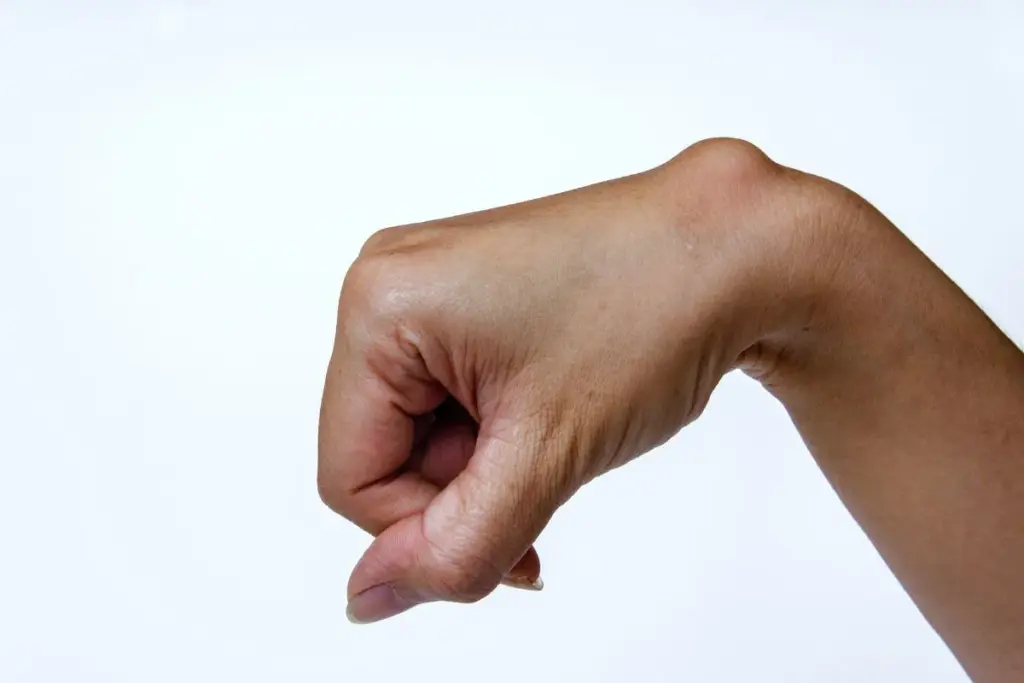
Seeing a lump on your wrist with carpal tunnel syndrome symptoms can worry you. But knowing why it happens is the first step to feeling better.
Many times, a ganglion cyst is the reason for these wrist lumps. They often happen with carpal tunnel syndrome. This can make nerve compression and symptoms worse.
Ganglion cysts are fluid-filled lumps that usually appear on the wrist’s top or bottom. Studies show these cysts linked to carpal tunnel syndrome mostly affect people around 42 years old. About half of these cases are due to trauma.
Key Takeaways
- Ganglion cysts are a common cause of lumps on the wrist.
- These cysts often coexist with carpal tunnel syndrome.
- Trauma is a contributing factor in many cases.
- Effective diagnosis and treatment are key to recovery.
- Understanding the link between ganglion cysts and carpal tunnel syndrome helps manage symptoms.
Understanding Carpal Tunnel Syndrome
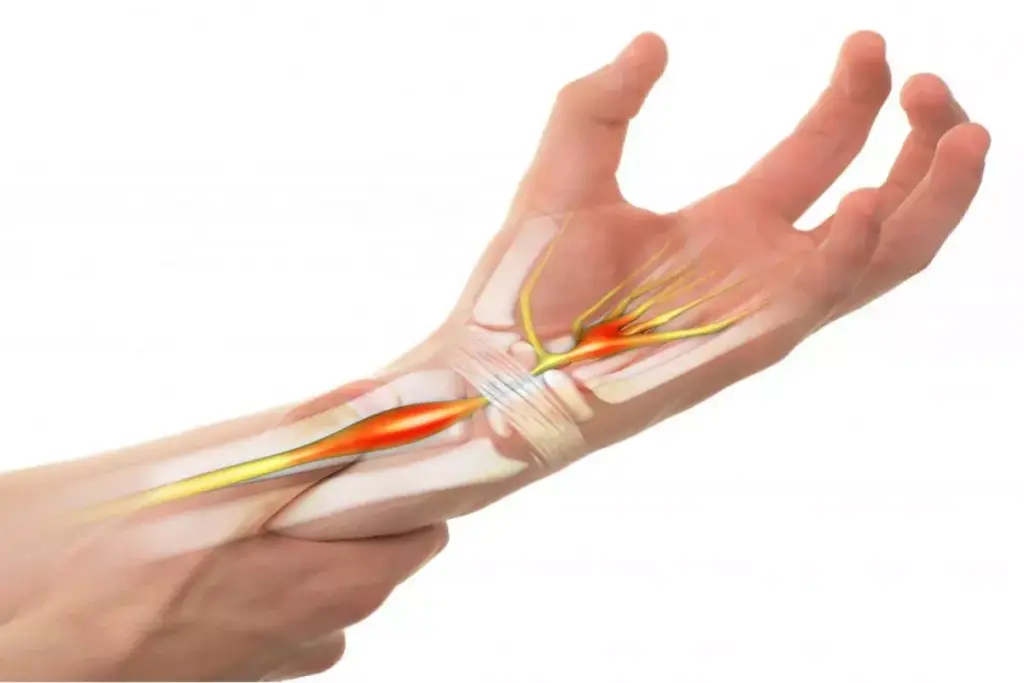
It’s key to know the carpal tunnel’s anatomy to understand carpal tunnel syndrome. The carpal tunnel is a narrow passageway on the palm side of the wrist. It protects the median nerve and tendons.
The Anatomy of the Carpal Tunnel
The carpal tunnel is made by wrist bones and the transverse carpal ligament. Inside, you’ll find the median nerve. This nerve controls hand sensation and movement. It also has tendons for finger movement.
The median nerve goes from the forearm to the palm through the carpal tunnel. When it gets compressed, it can cause numbness, tingling, and weakness in the hand.
How Carpal Tunnel Syndrome Develops
Carpal tunnel syndrome happens when the median nerve gets compressed. This can be because of repetitive motion or other issues. Verywell Health says conditions like wrist fractures, arthritis, and swelling can make it worse.
- Repetitive motion injuries
- Wrist anatomy abnormalities
- Medical conditions like diabetes and thyroid disorders
These factors can pinch the median nerve. This leads to the symptoms of carpal tunnel syndrome.
Carpal Tunnel Lump on Wrist: Ganglion Cysts Explained

Ganglion cysts are common lumps on the wrist, often seen in people with carpal tunnel syndrome. These cysts are filled with fluid and are not cancerous. They usually appear on the top or bottom of the wrist. Knowing about ganglion cysts helps in diagnosing and treating wrist lumps related to carpal tunnel syndrome.
What Are Ganglion Cysts?
Ganglion cysts are the most common growths in the hand. They often show up on the back of fingers or the sides of the wrist. According to Samuel S. Abrams, M.D., these cysts are harmless and can change in size. They can cause pain or look unsightly, mainly when they press on nerves.
Characteristics of Ganglion Cysts:
- Fluid-filled and non-cancerous
- Typically form on the dorsal or volar side of the wrist
- Can vary in size
- Often associated with joint or tendon irritation
How and Where Ganglion Cysts Form
Ganglion cysts form when fluid leaks from a joint or tendon and gathers in a sac. The exact reason for this leakage is not always known. It’s often linked to wear and tear or injury to the joint or tendon. These cysts can appear on different parts of the wrist and hand, like the back, palm, or fingers.
| Location | Common Characteristics |
| Dorsal side of the wrist | Most common location, often associated with scaphoid-lunate joint |
| Volar side of the wrist | Less common, often associated with radiocarpal joint |
| Fingers | Typically occur at the base of the finger or near the DIP joint |
Risk Factors and Contributing Causes
Several factors can lead to ganglion cysts, like repetitive strain or trauma, joint or tendon irritation, and genetic predisposition. Knowing these risk factors helps in preventing or managing ganglion cysts.
Key Risk Factors:
- Repetitive strain or trauma
- Joint or tendon irritation
- Genetic predisposition
Understanding ganglion cysts and their link to carpal tunnel syndrome helps in diagnosing and treating wrist lumps. This provides relief and improves life quality for those affected.
How Wrist Lumps Affect Carpal Tunnel Symptoms
Wrist lumps, like ganglion cysts, can really affect carpal tunnel symptoms. They put pressure on the median nerve. This can make numbness, tingling, and weakness in the hand worse.
Pressure on the Median Nerve
The median nerve goes through the carpal tunnel in the wrist. A ganglion cyst near or in this tunnel can press on the nerve. This makes carpal tunnel symptoms worse, leading to more numbness, tingling, and weakness.
Some people might even shake or tremble. This makes some wonder if carpal tunnel can make your hands shake.
Medical News Today says ganglion cysts can cause muscle weakness, tingling, numbness, and pain. This is because they press on nerves.
Fluctuations in Cyst Size and Symptom Severity
The size of a ganglion cyst can change over time. This change can affect how bad carpal tunnel symptoms are. When the cyst grows, it can press harder on the nerve, making symptoms worse. But if it shrinks, symptoms might get better.
It’s important to watch how the cyst size changes and how it affects your symptoms. If you have a carpal tunnel knot on wrist or a lump in wrist carpal tunnel, knowing how the cyst affects your symptoms is key to managing them well.
Distinguishing Ganglion Cysts from Other Wrist Masses
Not all wrist lumps are ganglion cysts. Other types of lumps can also appear. It’s important to tell them apart for the right diagnosis and treatment.
Ganglion cysts are filled with fluid and linked to a joint or tendon.
If you have a wrist lump and carpal tunnel symptoms, see a doctor. They can figure out if it’s a ganglion cyst or something else. Then, they can suggest the best treatment.
Knowing how your carpal tunnel lump on wrist affects your symptoms helps in choosing the right treatment. This ensures you get the best care for your condition.
Diagnosis and Treatment Options
Getting an accurate diagnosis is key to finding the right treatment for a wrist lump linked to carpal tunnel syndrome. We use a mix of physical checks and imaging tests to figure out what’s causing the lump. This helps us rule out other possible issues.
Diagnostic Procedures
We start by doing a detailed physical check to see what the lump is like and how it affects the wrist. Verywell Health says we might use X-rays, ultrasound, or MRI to look at the lump and its connection to the median nerve.
These tests help us tell if the lump is a ganglion cyst or something else like a lipoma or bone growth. We might also do nerve tests to see how bad the carpal tunnel syndrome is.
Non-Surgical Treatment Approaches
For many, non-surgical methods can help manage symptoms of a wrist lump and carpal tunnel syndrome. We often start with wrist immobilization to ease tendon and nerve strain.
Aspiration of the ganglion cyst might be suggested, where we drain the fluid with a needle. This can give temporary relief, but the cyst might come back. Corticosteroid shots are also an option to reduce swelling and nerve pressure.
When Surgery May Be Necessary
If non-surgical methods don’t work, or if the cyst is big and bothersome, surgery might be needed. Surgery could include removing the cyst and, if needed, releasing the carpal tunnel to fix nerve issues.
Surgical treatment aims to get rid of the problem and stop it from coming back. We talk to our patients about the risks and benefits of surgery. This helps us decide the best option for them based on their needs and wishes.
Conclusion
It’s important to know how carpal tunnel syndrome and wrist lumps, like ganglion cysts, are connected. We’ve talked about what causes carpal tunnel syndrome and how ganglion cysts can make it worse. Treatment for carpal tunnel syndrome includes not wearing a brace or splint, taking NSAIDs, and doing nerve gliding exercises. Sometimes, surgery is needed.
Treatment for ganglion cysts depends on how it affects you. It might involve draining the cyst, keeping the wrist immobile, or removing it surgically. For more on carpal tunnel syndrome treatment, check out trusted medical sites. Knowing about these conditions helps you make better choices for your health.
Getting rid of wrist lumps and carpal tunnel syndrome needs a full plan. This plan should tackle both symptoms and the root causes. If you’re dealing with ongoing or serious issues, see a doctor. They can give you tailored advice on treating carpal tunnel syndrome, ganglion cysts, and wrist lumps.
FAQ
What is the carpal tunnel, and where is it located?
The carpal tunnel is a narrow passageway at the wrist’s base. It houses the median nerve and tendons that help fingers move. It’s found near the wrist’s crease, where it meets the hand.
What are ganglion cysts, and how do they relate to carpal tunnel syndrome?
Ganglion cysts are fluid-filled lumps near joints or tendons, often on the wrist. They can press on the median nerve. This can make carpal tunnel syndrome symptoms worse, like numbness, tingling, and hand weakness.
Can carpal tunnel syndrome cause a lump on the wrist?
Carpal tunnel syndrome itself doesn’t cause a lump on the wrist. But, conditions like ganglion cysts can lead to lumps. These cysts are linked to carpal tunnel syndrome.
How are ganglion cysts diagnosed?
Doctors use a physical exam and imaging tests like ultrasound or MRI. These help figure out the lump’s nature and its impact on nearby structures.
What are the treatment options for ganglion cysts associated with carpal tunnel syndrome?
Treatment varies. It can include immobilization, aspiration, or surgery to remove the cyst. The choice depends on symptom severity and how it affects the patient’s life.
Can carpal tunnel syndrome cause hand shaking or tremors?
Carpal tunnel syndrome mainly causes numbness, tingling, and weakness. But, some people might experience hand shaking or tremors. This is less common, though.
What is inside the carpal tunnel?
Inside the carpal tunnel are the median nerve and nine tendons. These help fingers move. Compression of the median nerve can cause carpal tunnel syndrome symptoms.
Are ganglion cysts a common cause of wrist lumps in patients with carpal tunnel syndrome?
Yes, ganglion cysts are a common cause of wrist lumps in those with carpal tunnel syndrome. They form near joints or tendons and can be caused by irritation or trauma.
How do wrist lumps, such as ganglion cysts, affect carpal tunnel symptoms?
Wrist lumps like ganglion cysts can press on the median nerve. This can make carpal tunnel syndrome symptoms worse. Symptoms include numbness, tingling, and hand weakness.
References:
National Center for Biotechnology Information. Evidence-Based Medical Insight. Retrieved from https://pubmed.ncbi.nlm.nih.gov/3241055/