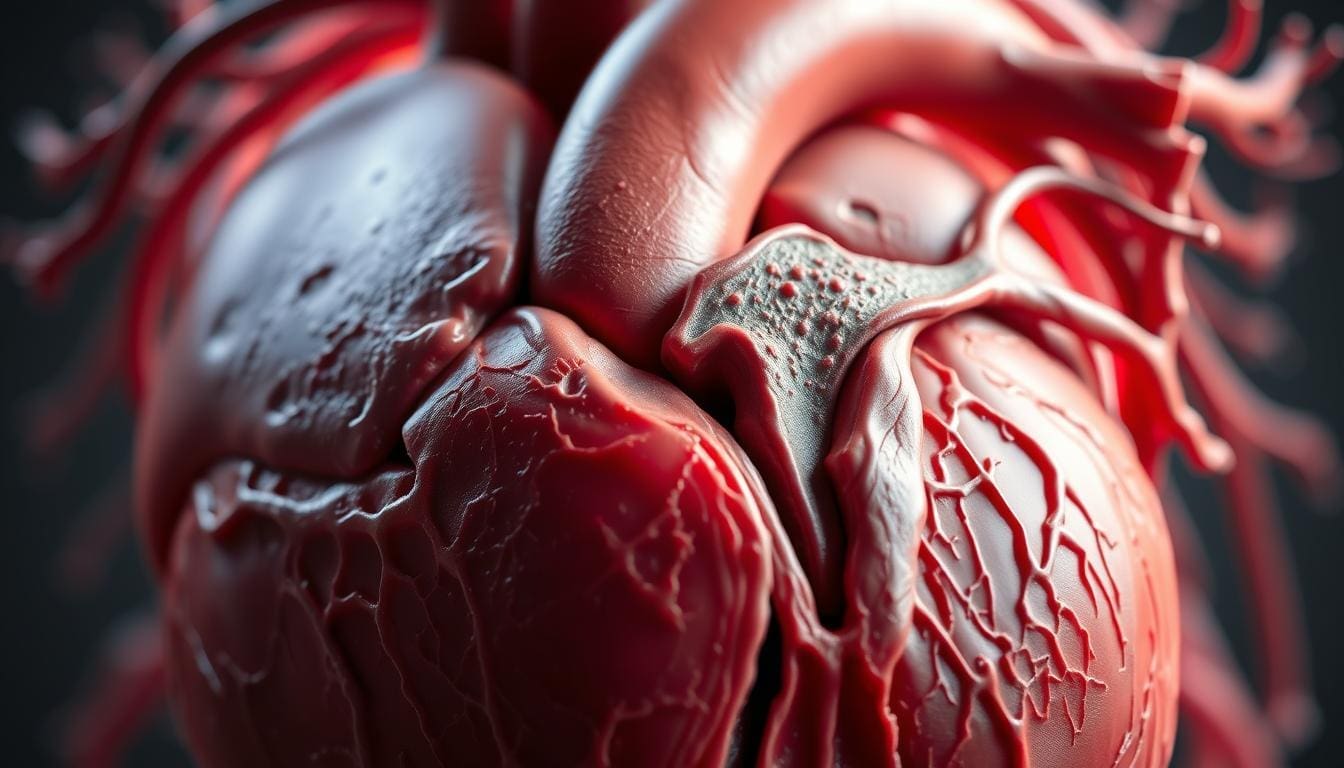
Aortic stenosis is a condition where the aortic valve opening gets narrower. This can happen because of calcium buildup or birth defects. If not treated, it can make it hard for the heart to pump blood well.
At Liv Hospital, we provide complete care for all stages of aortic stenosis. Our team uses a patient-focused and research-based approach. We are committed to top-notch healthcare and support for patients from around the world.
Key Takeaways
- Aortic stenosis is a type of cardiovascular disease that affects the heart’s ability to pump blood.
- The narrowing of the aortic valve can lead to serious complications if left untreated.
- Calcium accumulation or congenital defects are common causes of aortic stenosis.
- Comprehensive evaluation and management are key to treating aortic stenosis.
- Liv Hospital offers patient-centered care for international patients with aortic stenosis.
Understanding Aortic Stenosis as a Form of Arterial Stenosis
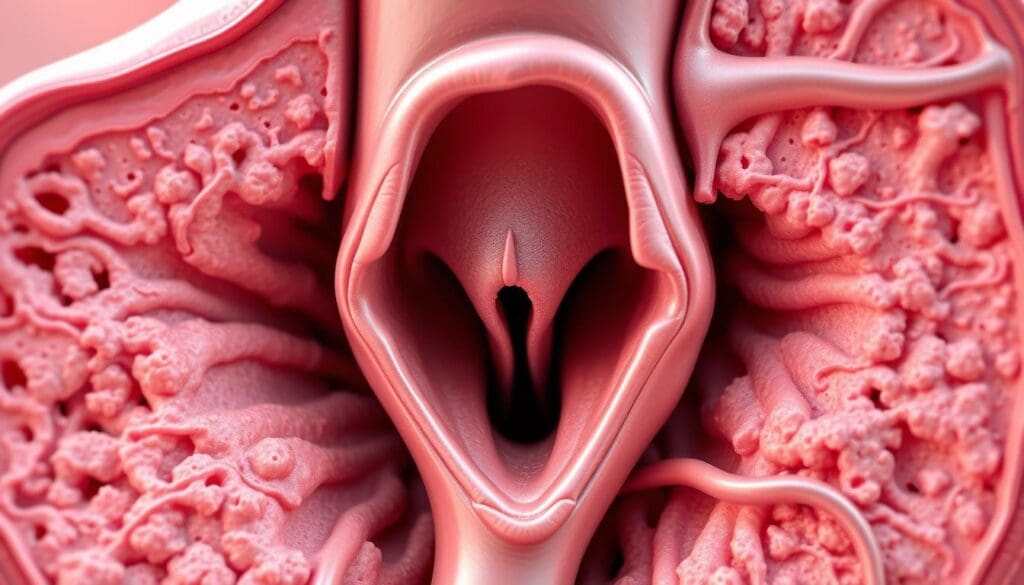
The aortic valve is key in controlling blood flow from the heart to the rest of the body. Its stenosis is a major form of arterial stenosis. Aortic stenosis happens when the valve narrows, blocking blood flow. This can lead to serious heart problems.
Definition and Basic Anatomy of the Aortic Valve
The aortic valve is a vital part of the heart. It lets blood flow from the left ventricle into the aorta, the biggest artery. It has three cusps that open and close with each heartbeat, making sure blood flows one way.
The aortic valve must work right for blood to circulate well and for heart health.
In a healthy valve, the cusps are thin and flexible, letting blood flow freely. But in aortic stenosis, these cusps get stiff and narrow, blocking blood flow.
The Relationship Between Aortic and Arterial Stenosis
Aortic stenosis is a type of arterial stenosis, affecting the aortic valve in the arterial system. Arterial stenosis means any artery is narrowing. This can be due to plaque, calcification, or birth defects.
Both aortic stenosis and arterial stenosis can reduce blood flow and strain the heart. Knowing how they’re connected helps doctors diagnose and treat these conditions well.
| Condition | Description | Impact on Health |
|---|---|---|
| Aortic Stenosis | Narrowing of the aortic valve | Reduced blood flow from the heart |
| Arterial Stenosis | Narrowing of any artery | Increased strain on the heart, reduced blood flow |
Understanding the aortic valve’s anatomy and its link to arterial stenosis helps us grasp cardiovascular health better. It shows why diagnosing and treating these conditions is so important.
The Pathophysiology of Aortic Valve Narrowing
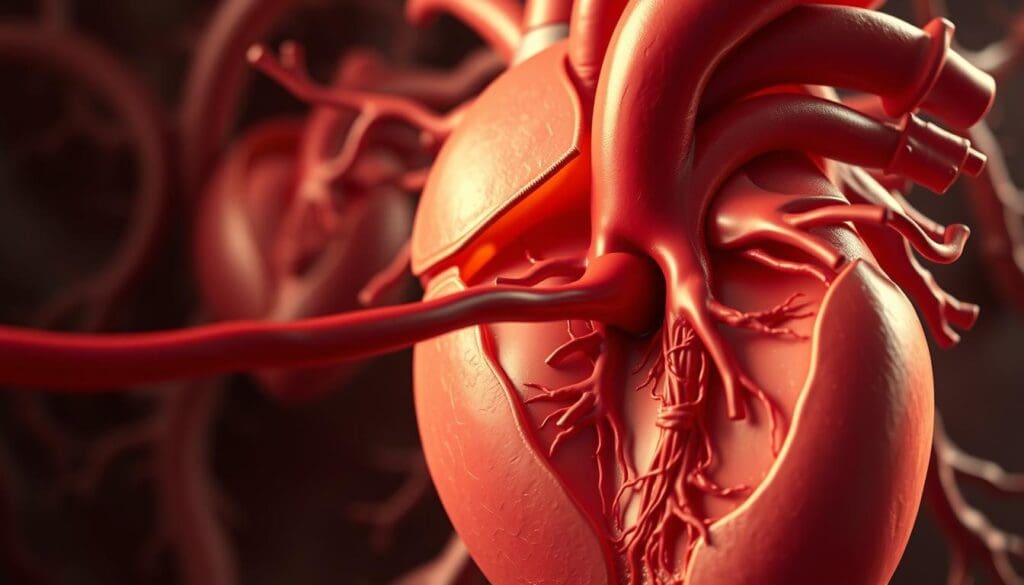
To understand aortic stenosis, we must first know how the aortic valve works normally. Aortic stenosis happens when the valve opening narrows. This blocks blood flow from the left ventricle to the aorta.
Normal Valve Function vs. Stenotic Valve Function
The aortic valve is key for blood to flow one way from the heart to the aorta. Normally, it opens wide during heart contraction, letting blood flow into the aorta. But, a stenotic valve doesn’t open right, blocking blood flow. This makes the left ventricle work harder to push blood through.
Progressive Nature of Valve Narrowing
Aortic stenosis gets worse over time. As the valve narrows more, the heart must pump blood harder. This can make the left ventricle muscle thicker. We’ll look at how this affects the heart in the next sections.
Blood Flow Changes Through a Stenotic Valve
The narrowed valve changes blood flow patterns. Blood speeds up and becomes turbulent, losing energy. This can cause a murmur. Advanced imaging, like 4D-flow CMR, helps us understand these changes as discussed in our detailed analysis.
As the condition gets worse, patients might feel chest pain, shortness of breath, and fainting. These symptoms are due to less blood being pumped by the heart.
| Characteristics | Normal Valve | Stenotic Valve |
|---|---|---|
| Valve Opening | Fully opens during systole | Narrowed opening |
| Blood Flow | Laminar flow | Turbulent flow |
| Left Ventricular Pressure | Normal pressure | Increased pressure |
Aortic stenosis is a serious condition that requires prompt diagnosis and treatment to prevent long-term damage to the heart.
In conclusion, aortic valve narrowing changes how the valve works and blood flows. Knowing these changes is key to managing aortic stenosis effectively.
Primary Causes of Aortic Stenosis
Aortic stenosis is a complex condition with several causes. We will look at age-related calcification, congenital defects, and rheumatic fever. This will help us understand this cardiovascular disease better.
Age-Related Calcification
Age-related calcification is a common cause of aortic stenosis in older adults. Calcium deposits on the aortic valve leaflets make the valve stiff and narrow. This is often linked to atherosclerosis, a buildup of plaque in arteries.
Congenital Defects
Congenital heart defects are a major cause of aortic stenosis. Some people are born with an abnormal aortic valve. This can cause turbulent blood flow and lead to valve degeneration over time. Congenital defects can appear at any age, from infancy to adulthood.
Rheumatic Fever and Its Long-Term Impact
Rheumatic fever is an inflammatory disease that can follow a strep throat infection. If not treated well, it can cause rheumatic heart disease. This can lead to scarring and stenosis of the aortic valve. The damage from rheumatic fever can show up years or decades later.
The main causes of aortic stenosis include age-related calcification, congenital defects, and rheumatic fever. Knowing these causes is key to diagnosing and managing aortic stenosis.
Risk Factors for Developing Arterial Stenosis
We’ve found several key risk factors for arterial stenosis. Knowing these is key for preventing and managing the condition.
Genetic Predispositions
Genetics play a big role in getting arterial stenosis. If your family has heart disease, you’re at higher risk. Certain genes can make your arteries more likely to narrow.
Key genetic predispositions include:
- Family history of heart disease
- Genetic disorders affecting valve structure
Lifestyle and Environmental Factors
Our lifestyle and environment can greatly affect our risk of getting arterial stenosis. Smoking, diet, and exercise level all play a part in our vascular health.
| Lifestyle Factor | Impact on Arterial Stenosis Risk |
|---|---|
| Smoking | Increases risk due to vascular damage |
| High-fat diet | Contributes to plaque formation |
| Physical inactivity | Associated with increased risk of vascular disease |
A study found that changing our lifestyle is key to preventing and managing heart disease, including arterial stenosis.
“A healthy lifestyle can significantly reduce the risk of developing arterial stenosis and slow its progression.”
Comorbid Conditions Accelerating Valve Degeneration
Some health conditions can make arterial valves wear out faster, leading to stenosis. It’s important to manage these conditions to slow down stenosis.
Comorbid conditions that increase the risk include:
- Hypertension
- Diabetes mellitus
- Hyperlipidemia
By tackling these risk factors, we can prevent and manage arterial stenosis better. This improves patient outcomes.
How Aortic Stenosis Affects Heart Structure and Function
Aortic stenosis can deeply affect the heart’s structure and function as it progresses. It causes significant changes that can hinder the heart’s ability to work properly.
Left Ventricular Hypertrophy Development
One major effect of aortic stenosis is left ventricular hypertrophy (LVH). The narrowing of the aortic valve forces the left ventricle to work harder. This leads to thickening of the ventricular wall, which can impair heart efficiency.
Key factors contributing to LVH include:
- Increased afterload due to the narrowed valve
- Compensatory mechanisms to maintain cardiac output
- Potential for myocardial fibrosis
Changes in Cardiac Output and Circulation
Aortic stenosis can also alter cardiac output and circulation. As the valve stenosis worsens, the heart’s ability to pump blood efficiently is compromised. This can lead to symptoms like fatigue and shortness of breath.
The heart tries to compensate for reduced cardiac output through various mechanisms, including:
- Increasing heart rate
- Enhancing ventricular contractility
- Redirecting blood flow to critical organs
Progression to Congestive Heart Failure
If left untreated, severe aortic stenosis can lead to congestive heart failure (CHF). CHF occurs when the heart can’t pump enough blood, causing fluid buildup in the lungs and other tissues.
The progression to CHF is often marked by:
- Exacerbation of symptoms such as dyspnea and orthopnea
- Reduced exercise tolerance
- Potential for acute decompensation
Impact on Other Cardiac Structures
Aortic stenosis can also affect other cardiac structures. The increased pressure and workload on the heart can lead to changes in the mitral valve and other parts of the cardiac anatomy.
These changes can result in:
- Mitral regurgitation due to altered left ventricular geometry
- Potential for atrial fibrillation
- Increased risk of other cardiovascular complications
Symptoms and Clinical Manifestations Across Disease Stages
It’s key to know the symptoms of aortic stenosis at different stages for early diagnosis and treatment. As the disease gets worse, symptoms can change a lot. This affects the patient’s life quality and treatment plans.
Mild Aortic Stenosis Presentation
In the early stages, patients might not feel any symptoms. Doctors often find it during routine checks or tests for other reasons. Some might feel a bit tired or hear a faint heart murmur.
Moderate Aortic Stenosis Symptoms
When aortic stenosis gets to a moderate stage, symptoms show up more. People might feel shortness of breath when they’re active, chest pain or tightness, and fatigue. The heart works harder to pump blood, straining the heart muscle.
Severe Aortic Stenosis Manifestations
Severe aortic stenosis brings on serious symptoms. Patients often have dyspnea (shortness of breath) even when resting. They may find it hard to do daily tasks because of fatigue and low heart output. Some might faint due to less blood to the brain. The risk of heart failure goes up a lot at this stage, making quick medical help very important.
Watching how symptoms change in aortic stenosis shows why regular check-ups are vital. Doctors can adjust treatments based on each patient’s needs. This can help improve their life quality and outcomes.
Diagnosis and Assessment of Aortic Stenosis Severity
To understand how severe aortic stenosis is, we need to look at several things. This includes physical exams, imaging tests, and special classification systems. Let’s dive into these methods to see how they help diagnose and manage aortic stenosis.
Physical Examination Findings
Starting with a physical exam is key in finding aortic stenosis. We listen for a specific sound, a harsh murmur, at the right upper chest. This sound might also be heard in the carotid arteries.
The loudness of the murmur can hint at how bad the stenosis is. But, it’s not always a clear sign on its own.
We also check for other signs like a slow-rising pulse in the carotid arteries. In severe cases, we might see signs of heart failure, like swelling in the legs or a big jugular vein. These signs help us decide what tests to do next and how aortic stenosis affects the heart.
Diagnostic Imaging Techniques
Imaging tests are vital in checking aortic stenosis. Echocardiography is the main tool, giving us detailed views of the aortic valve. It helps us see the valve’s size, how much calcium is there, and how well the left ventricle is working.
In some cases, cardiac catheterization is used to measure the pressure difference across the valve. This gives a clearer picture of how severe the stenosis is. Computed tomography (CT) and magnetic resonance imaging (MRI) are also used to look at the valve and the area around it.
Classification Systems for Stenosis Severity
We classify aortic stenosis based on the valve area, pressure gradient, and peak jet velocity. This helps us decide if it’s mild, moderate, or severe. Knowing this is important for choosing the right treatment and predicting how well the patient will do.
The American Heart Association and American College of Cardiology have guidelines for classifying aortic stenosis. They stress the importance of using both clinical findings and imaging data to make treatment decisions.
Treatment Options and Management Strategies
Treating aortic stenosis involves many steps. We use medicine, surgery, and new treatments based on each patient’s needs. It’s key to understand the full approach to manage this condition well.
Medical Management Approaches
For those with mild aortic stenosis, medicine is often the first step. This method aims to control symptoms and slow the disease’s growth. It includes medicines and changes in lifestyle.
- Medications: There’s no direct medicine for aortic stenosis. But, we use drugs to handle related issues like high blood pressure and heart failure.
- Monitoring: Regular check-ups and echocardiograms are vital. They help track how the disease is progressing.
Surgical Interventions
For severe cases, surgery is needed. The main surgery is aortic valve replacement (AVR). It can be done through open-heart surgery or less invasive methods.
| Surgical Approach | Description | Benefits |
|---|---|---|
| Traditional AVR | Open-heart surgery to replace the aortic valve | Well-established procedure with a long track record of success |
| Transcatheter AVR (TAVR) | Minimally invasive procedure where the new valve is delivered through a catheter | Less invasive, potentially fewer complications, and quicker recovery |
Lifestyle Modifications and Monitoring
Changing your lifestyle is key in managing aortic stenosis. Patients should eat well, exercise, and avoid smoking.
- Dietary Changes: Eating heart-healthy foods like fruits, vegetables, and whole grains can help manage symptoms.
- Exercise: Regular physical activity, tailored to the patient’s condition, can improve overall health.
Emerging Therapies and Research Directions
Research into aortic stenosis is ongoing. New treatments and surgical techniques are being explored. These include new medicines and surgical advancements.
We are committed to finding the best treatments for aortic stenosis. By using medicine, surgery, and lifestyle changes, we aim to improve the lives of those with this condition.
Conclusion: Living with Aortic Stenosis and Future Outlook
Living with aortic stenosis means you need to watch your health closely. This circulatory system disorder affects your heart’s main valve and your overall heart health. It’s important to manage it well to live better.
We talked about what causes aortic stenosis. It can be due to age, birth defects, or rheumatic fever. Knowing these causes helps in catching and treating it early. Without treatment, symptoms like chest pain and shortness of breath can really hurt your daily life.
Managing aortic stenosis involves medicine, lifestyle changes, and sometimes surgery. Keeping up with care and check-ups is key to avoiding more problems. New treatments and ways to manage it are being found, giving hope for better lives for those with it.
By knowing your condition and working with your doctor, you can face its challenges. We need more research and support for those with heart and circulatory diseases. This will help improve their lives.
What is aortic stenosis and how does it affect the heart?
Aortic stenosis is when the aortic valve gets narrower. This makes it hard for the heart to pump blood well. It can change the heart’s shape and how it works, leading to problems like heart failure.
What are the primary causes of aortic stenosis?
Aortic stenosis can be caused by age-related buildup, heart defects at birth, or rheumatic fever. These issues can wear down the valve and narrow it over time.
How is aortic stenosis related to arterial stenosis?
Aortic stenosis is a type of arterial stenosis. It happens when a major artery, the aorta, and its valve get narrower. This shows how important it is to look at the whole vascular system of someone with aortic stenosis.
What are the symptoms of aortic stenosis, and how do they change as the condition progresses?
Symptoms of aortic stenosis vary by how severe it is. Mild cases might not show symptoms at all. But severe cases can cause chest pain, trouble breathing, and feeling very tired. As it gets worse, symptoms get more serious, making early diagnosis and treatment key.
How is the severity of aortic stenosis diagnosed and assessed?
Doctors use physical exams, imaging like echocardiography, and grading systems to figure out how severe aortic stenosis is.
What are the treatment options for aortic stenosis, and how are they determined?
Treatments for aortic stenosis include medicine, surgery like valve replacement, lifestyle changes, and new therapies. The right treatment depends on how bad the stenosis is, the patient’s health, and other conditions they might have.
Can lifestyle changes help manage aortic stenosis?
Yes, making healthy choices like eating right, exercising, and managing stress can help manage aortic stenosis. They can reduce risks and slow the disease’s progress.
What is the impact of aortic stenosis on overall cardiovascular health?
Aortic stenosis can greatly affect heart health. It can change the heart’s structure and function, leading to heart failure and other serious problems.
Are there any genetic predispositions to developing aortic stenosis?
Yes, genetics can increase the risk of aortic stenosis, mainly in people with a family history of heart disease or atherosclerosis.
How does arterial narrowing affect the body, and what are the possible consequences?
Narrowing of arteries, like in aortic stenosis, can cut off blood flow to important organs. This can cause damage and increase the risk of heart disease.
What is the role of ongoing care in managing aortic stenosis?
Ongoing care is vital for managing aortic stenosis. It allows for regular checks, timely treatment, and adjustments to treatment plans. This helps improve outcomes.
References
American Heart Association (AHA): Problem: Aortic Valve Stenosis