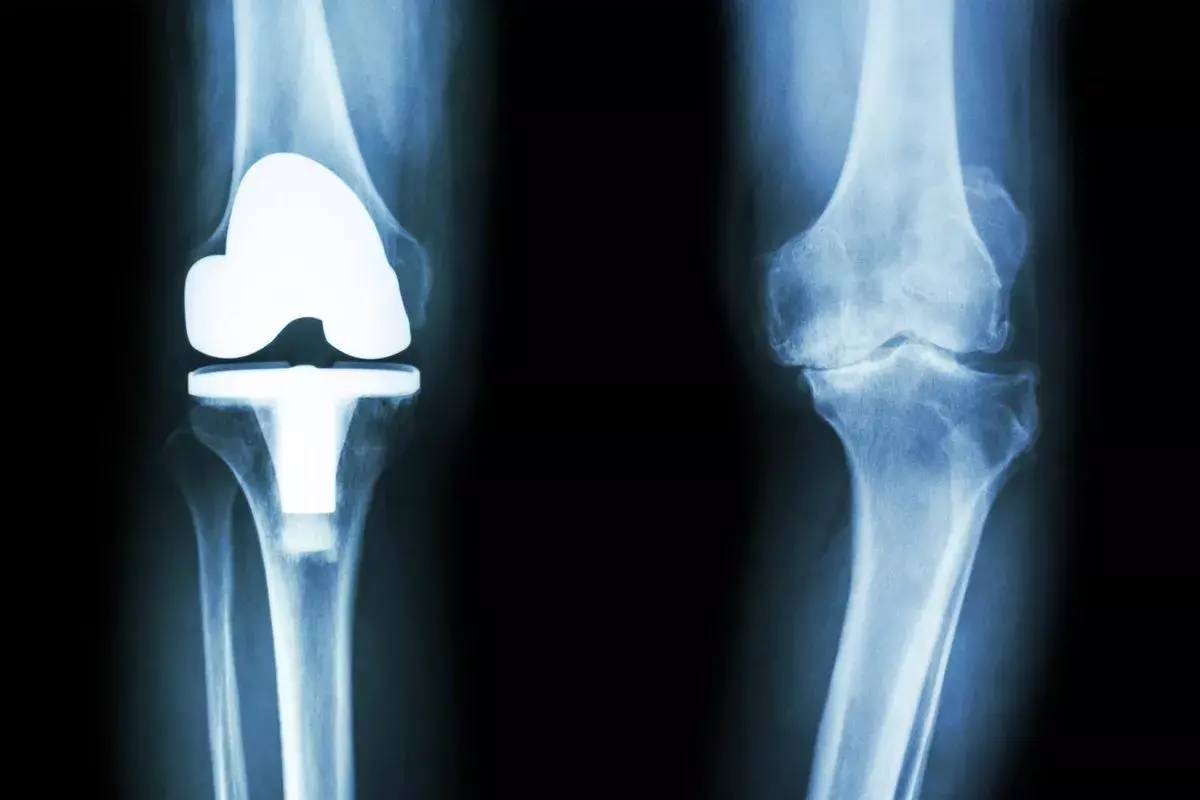
Patellar tendinopathy, also known as jumper’s knee, happens when the patellar tendon can’t handle stress. At Liv Hospital, we focus on treating knee problems with care and science.
The patellar tendon helps straighten the knee with the thigh muscles. An injury here can cause patellar tendonitis. This leads to pain below the kneecap, getting worse with jumping or climbing stairs. Knowing the causes and symptoms is key to managing it well.
Key Takeaways
- Patellar tendinopathy is a degenerative condition affecting the tendon connecting the kneecap to the shinbone.
- It is often caused by overuse or sudden increases in physical activity.
- Symptoms include pain below the kneecap, worsening with specific activities.
- Effective treatment requires a patient-centered, evidence-based approach.
- Advanced diagnostic methods are critical for understanding the condition.
Understanding Below Kneecap Pain and Patellar Tendinopathy
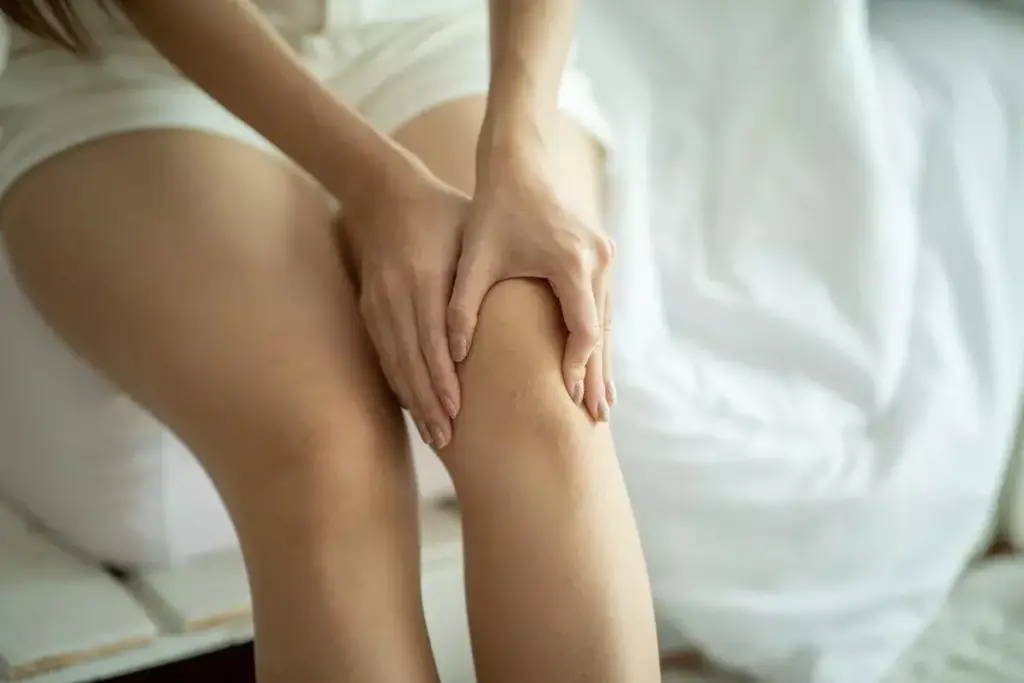
Patellar tendinopathy, also known as jumper’s knee, is common in athletes who jump a lot. It causes pain below the kneecap due to too much use or strain on the patellar tendon.
The patellar tendon links the kneecap to the shinbone. It’s key for knee movement. Too much stress can cause tiny tears and damage, leading to patellar tendinopathy.
What is Jumper’s Knee?
Jumper’s knee is a form of patellar tendinopathy found in athletes. It affects those in sports like basketball, volleyball, and track and field. The constant jumping and landing stress the tendon, causing pain and swelling.
Key characteristics of jumper’s knee include:
- Pain below the kneecap
- Tenderness to the touch
- Pain during or after activity
- Pain when jumping or landing
Signs and Symptoms to Watch For
It’s important to know the signs of patellar tendinopathy early. Common symptoms are:
Pain and stiffness below the kneecap. This pain can be sharp or a dull ache. It gets worse with jumping, landing, or quick turns.
Watching for these symptoms and getting help if they don’t go away is key. Early treatment can stop more damage and help you get back to activities faster.
Common Causes of Patellar Tendinopathy
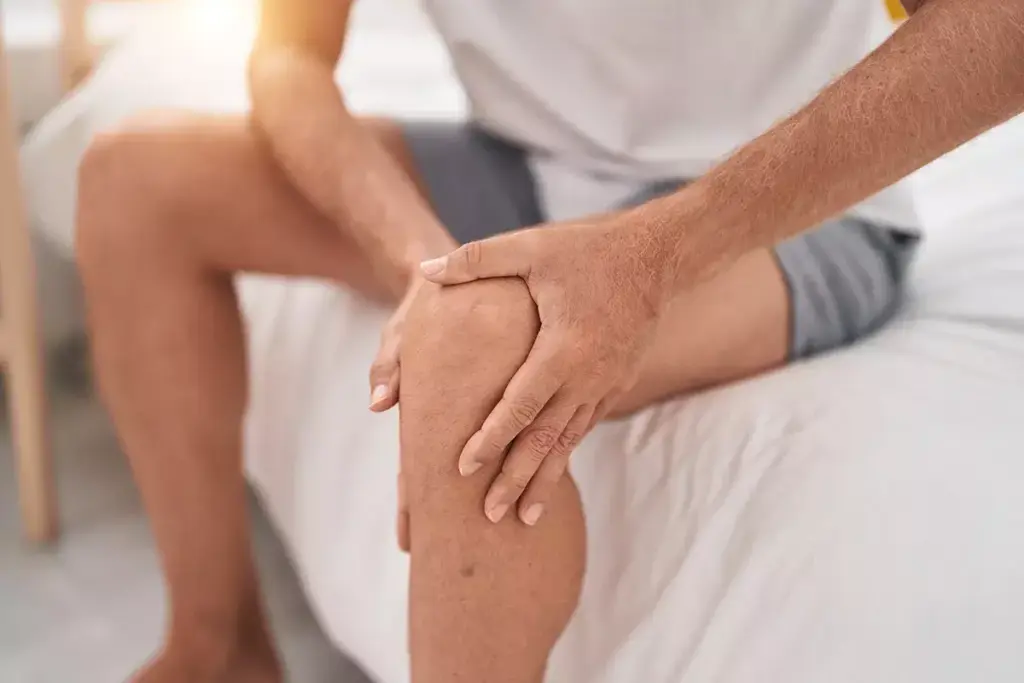
It’s important to know what causes patellar tendinopathy to prevent and treat it well. This condition is caused by many things, both inside and outside the body.
Biomechanical Factors
Biomechanical factors are key in patellar tendinopathy. Muscle imbalances in the legs can cause bad movement and stress on the tendon. For example, weak hip muscles and poor ankle stability can lead to this condition. Also, overpronation or supination of the foot can harm the tendon’s function.
A study by the Medical organization shows tight thigh muscles and muscle imbalances are major causes. Muscle flexibility is also important because less flexibility means more strain on the tendon.
Training and Activity-Related Factors
Training and activity factors also play a big role. Too much training volume or intensity can stress the tendon too much. Activities like jumping, running, or quick direction changes are hard on the tendon.
It’s important to avoid both overuse and under-recovery. Make sure to rest enough and adjust training to include strengthening exercises for the legs.
- Gradual increase in training intensity and volume
- Include strengthening exercises for hip and ankle stability
- Enough rest time between intense workouts
Knowing these causes helps us find better ways to prevent and treat patellar tendinopathy.
Effective Treatment Options for Below Kneecap Pain
Below kneecap pain, often linked to patellar tendinopathy, can really hurt athletes and others. Finding the right treatment is key. Studies show that up to one-third of athletes can’t play sports for more than six months. More than half stop playing sports altogether, showing the need for good management.
Conservative Management Approaches
Most treatments start with physical therapy to strengthen the muscles that straighten the knee, as the Medical organization suggests. The first steps usually include:
- Rest and changing activities to lessen knee stress
- Physical therapy to build strength and flexibility
- Using orthotics or knee sleeves for support
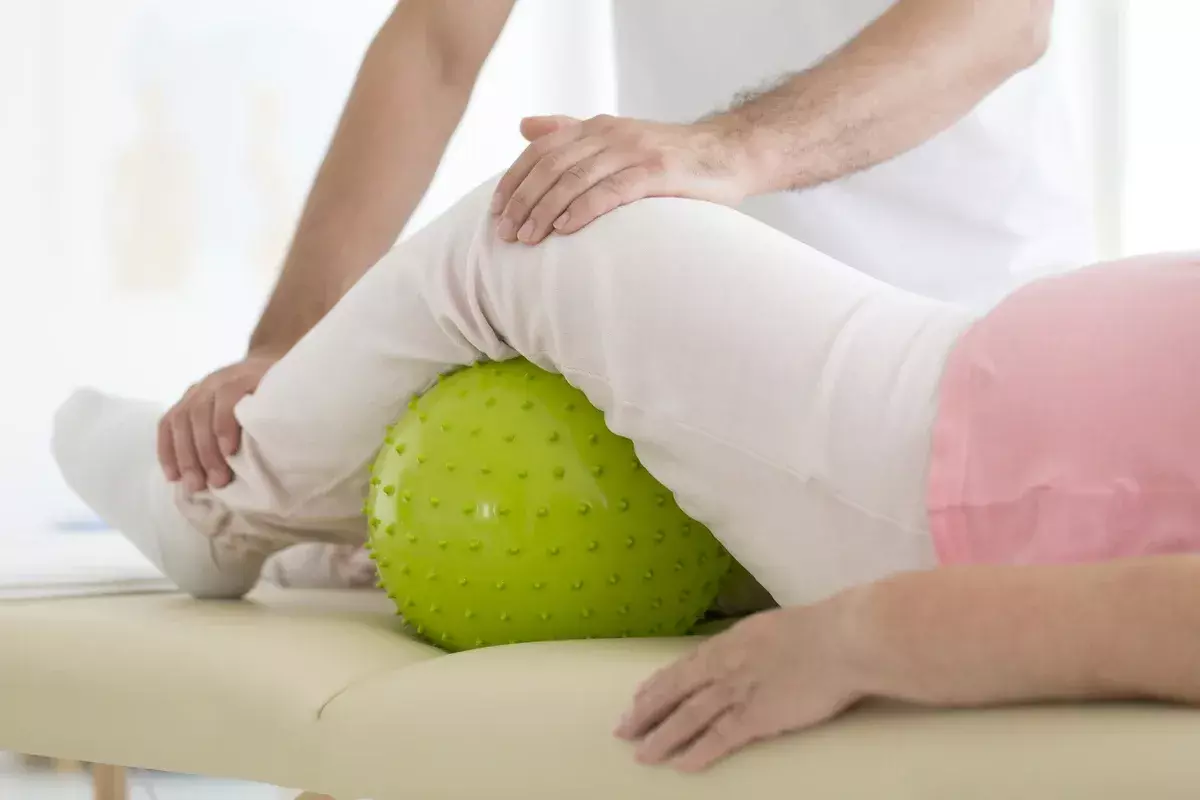
Physical therapy is key in these early steps. It focuses on exercises that strengthen the quadriceps and improve knee function.
Rehabilitation Exercises and Protocols
Rehab exercises are vital for getting better from patellar tendinopathy. These exercises usually include:
| Exercise Type | Purpose | Frequency |
| Quadriceps strengthening | To improve knee stability | 3 times a week |
| Flexibility exercises | To enhance range of motion | Daily |
| Eccentric training | To strengthen the tendon | 3 times a week |
It’s important to do these exercises with a healthcare professional’s guidance. They help make sure you’re doing it right and adjust the program for you.
When to Seek Medical Intervention
While many people get better with early treatment, sometimes you need more help. If your symptoms don’t get better or get worse, you should see a doctor. Doctors might suggest corticosteroid injections or, in serious cases, surgery.
It’s important to keep an eye on how you’re doing and change your treatment plan if needed. If you’re not getting better with early treatment, you might need more tests like an MRI to see how bad the tendon damage is.
Conclusion
Getting the right treatment for patellar tendinopathy is key to managing knee pain. It helps in recovering from jumper’s knee. If not treated, the condition can last up to three years. This can really affect your life and sports performance.
We talked about what patellar tendinopathy is, why it happens, and how to treat it. To manage knee pain well, you need a mix of treatments. This includes non-medical methods, exercises, and sometimes, medical help.
Physiotherapy is very important in treating patellar tendinopathy. It uses stretching and joint mobilization to help joints move freely again. Getting professional help is important to avoid lasting damage to your life and sports career.
FAQ
What is patellar tendinopathy?
Where does patellar tendonitis hurt?
What are the signs and symptoms of patellar tendinopathy?
What causes patellar tendinopathy?
How is patellar tendinopathy treated?
Does patellar tendonitis ever go away?
When should I seek medical intervention for patellar tendinopathy?
What is the difference between patellar tendinopathy and patellar tendinosis?
Can mild patellar tendinopathy be managed without medical intervention?
How can I prevent patellar tendinopathy?
References
BMJ (British Medical Journal). Evidence-Based Medical Insight. Retrieved from https://bjsm.bmj.com/content/50/19/1187