



Your wellness journey is a personal evolution that requires a gentle, expert touch. Finding blisters on labia might surprise you, but many causes are easy to treat. Everyone deserves to feel empowered and confident in their own skin, shining with a radiant glow.
Small bumps often come from daily friction or irritation. This can be due to tight clothing and certain hygiene products. Using new soaps or experiencing rough contact can cause temporary discomfort. Your skin’s silky textures need protection from harsh materials that disrupt your natural luxury.
In some cases, blisters in the crotch area might signal a common infection like herpes or syphilis. Experts at Liv Hospital offer a high-end experience to diagnose these issues with advanced medical technology. Trusting in clinical science ensures a smooth, luxury transformation back to your most comfortable self.
You should own your beauty by seeking professional advice for any blood blisters on labia majora. Next-gen diagnostic tools make your recovery quick and stress-free. Your timeless beauty story continues with the right care and velvety hydration for your most delicate areas.
Key Takeaways
- Friction and irritation from clothing are common non-infectious causes.
- Certain hygiene products can trigger allergic reactions on sensitive skin.
- STIs like herpes or syphilis require professional medical evaluation.
- Liv Hospital provides expert, patient-centered diagnostic capabilities.
- Proper identification of the root cause is essential for effective treatment.
- Maintaining skin health is a vital part of your overall wellness journey.
Understanding Blisters on the Labia, Vulva, and Genital Area
Genital blisters can show up on the labia, vulva, or other genital areas. They need understanding and proper care. These blisters can happen for many reasons, like infections, friction, or other irritants.
Common Locations Where Genital Blisters Develop
Blisters can pop up in different spots, like the labia majora, labia minora, and mons pubis. The labia majora, being the outer lips, often gets irritated. This makes them a common spot for blisters on labia lips.
The labia minora, or inner lips, can also get blisters. This usually happens from infections or allergic reactions.
The mons pubis, the fatty area over the pubic bone, can also get blisters. This is often due to friction from clothes or hair removal, leading to blisters in the bikini area.
| Location | Common Causes | Symptoms |
| Labia Majora | Friction, Irritation | Pain, Redness |
| Labia Minora | Infections, Allergic Reactions | Itching, Swelling |
| Mons Pubis | Friction from Clothing, Hair Removal | Pain, Blisters |
Who Is Affected by Blisters in Private Parts
Genital blisters can hit anyone, no matter their age or background. But, some things can make you more likely to get them. These include sexual activity, poor hygiene, and using irritating products.
It’s key to catch symptoms early and see a doctor if sores on vulva don’t go away or hurt. This is true if you also have pain when you pee or have sex.
Knowing who gets these blisters and where they happen is important. It helps with prevention and treatment. By understanding common spots and causes, you can keep your genital area healthy and avoid blisters in private parts.
Sexually Transmitted Infections That Cause Blisters on Vagina and Labia

Sexually transmitted infections (STIs) can cause blisters on the vagina and labia. These infections can make you feel uncomfortable and in pain. It’s important to know which STIs can cause blisters so you can get the right medical care.
Genital Herpes: The Most Common Cause of Blisters on Labia
Genital herpes is a common STI that causes blisters on the labia. It leads to small, painful blisters that can last up to 15 days. Knowing about genital herpes is key to managing it and stopping it from spreading.
The virus can stay hidden in your body, causing outbreaks to happen again. While there’s no cure, medicine can help control symptoms. It’s important to practice safe sex and talk openly with your partner about STIs.
Syphilis and Blisters in the Groin Area
Syphilis is caused by Treponema pallidum bacteria and can cause blisters. It starts with a painless sore called a chancre. If not treated, syphilis can lead to serious health problems.
Early treatment with antibiotics can cure syphilis. It’s important for sexually active people, with or without multiple partners, to get regular STI tests.
Chancroid and Other STI-Related Blisters
Chancroid is caused by Haemophilus ducreyi bacteria and can cause painful ulcers or blisters. It’s less common in the US but is a big problem in other parts of the world. The infection causes painful ulcers and swollen lymph nodes in the groin.
Other STIs, like genital warts from certain HPV strains, can also cause lesions or growths. These growths can be uncomfortable and may need medical treatment.
Non-Infectious Causes of Blisters in Bikini Area and Genital Region
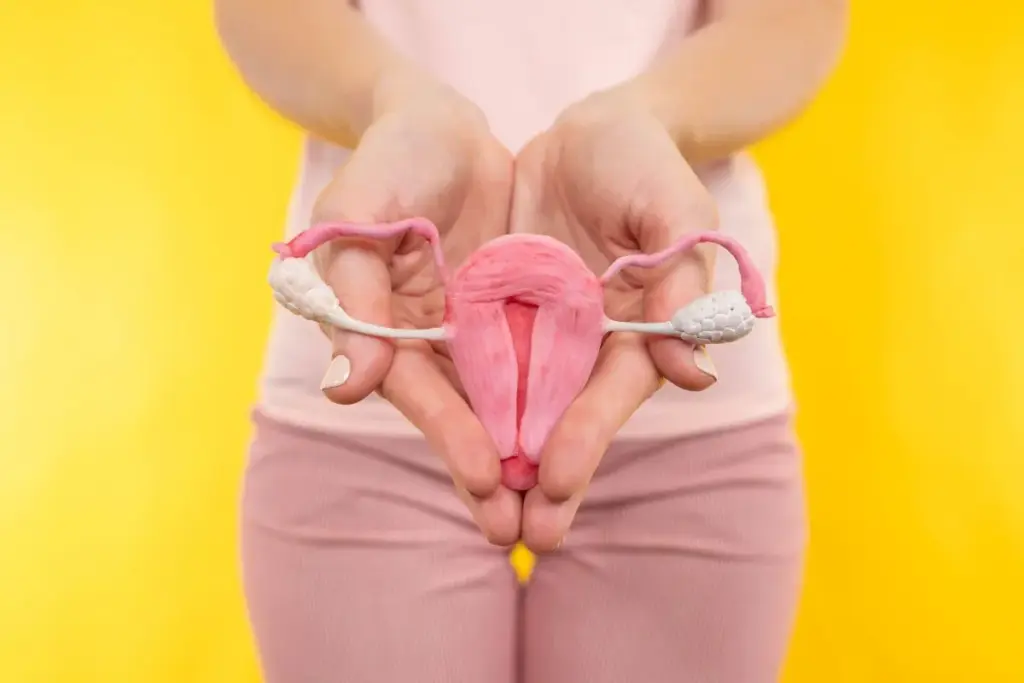
Blisters in the genital area aren’t always from infections. Many non-infectious causes can lead to them. Knowing these can help prevent and manage symptoms.
Blood Blisters on Labia Majora from Friction and Trauma
Friction or trauma during sex can cause blood blisters on the labia majora. An expert says, “Friction and trauma are common causes of blood blisters in the genital area.” It’s key to be aware and take steps to reduce friction during intimate activities.
Clothing-Related Blisters in Crotch Area
Tight clothes can irritate and cause blisters in the crotch. Wearing breathable fabrics and comfy clothes can lower this risk. It’s wise to pick underwear that lets air in and doesn’t rub against the skin.
Hair Removal and Blood Blisters on Pubic Area
Hair removal, like waxing or shaving, can lead to blisters on the pubic area. A beauty expert advises, “Be gentle and cautious during hair removal to avoid blisters.” Using the right techniques and soothing products after can also help.
Contact Irritation and Blisters on Mons Pubis
Coming into contact with irritating substances or materials can cause blisters on the mons pubis. It’s important to be careful with products in the genital area. Choosing gentle, hypoallergenic options and reading labels carefully can prevent irritation.
Conclusion
It’s important to know why blisters form on the vagina and labia. This knowledge helps in treating and preventing them. Whether it’s a problem on the labia majora, vagina, or groin area, finding the cause is the first step.
Blisters in the genital area can come from many sources. This includes infections and non-infectious causes like friction. These can sometimes cause blisters on the groin area in women. Getting medical help is key to figuring out the cause.
Treatment might include creams or pills, based on what the doctor finds. Knowing the cause and acting on it can help avoid future problems.
Knowing about your health helps you take charge and make smart choices. By understanding and addressing blisters on the vagina and labia, you can improve your health and well-being.
FAQ
Genital Herpes: The Most Common Cause of Blisters on Labia
Genital herpes leads to blisters on the vagina. It causes small, painful sores. With the right care, you can manage symptoms and stay confident.
Syphilis and Blisters in the Groin Area
Syphilis may cause a painless sore in the groin. These sores can be discreet. Being proactive about your health is important for wellness.
Chancroid and Other STI-Related Blisters
Other infections, like chancroid, cause painful ulcers. Identifying these early is key to treating them. This restores your skin’s health and peace of mind.
Not every spot is a cause for alarm. Many are just your skin reacting to your lifestyle.
Blood Blisters on Labia Majora from Friction and Trauma
Intense physical activity or rough sex can cause blood blisters. These are usually from minor trauma to blood vessels. Treating it with hydration and rest helps the skin heal.
Clothing-Related Blisters in Crotch Area
Your style should never compromise comfort. Tight fabrics can cause blisters from constant rubbing. Choose breathable fabrics to prevent irritation.
Hair Removal and Blood Blisters on Pubic Area
Grooming is personal, but blisters can happen after waxing or shaving. Nature-powered oils can soothe the skin and prevent these imperfections.
Contact Irritation and Blisters on Mons Pubis
The skin of the mons pubis can react to harsh soaps. Choosing pH-balanced products keeps your skin soft and irritation-free.
What are the most common blood blister on labia majora causes?
The most frequent causes include physical trauma or intense friction. This often happens during exercise or may manifest as blisters from rough sex. These blisters usually heal on their own as the skin transforms.
Why do I have a blood blister on the vagina lips after grooming?
Developing a blood blister on the vagina lips or pubic area is common after shaving or waxing. This is often due to “tug and pull” on the hair follicle. Use a sharp blade and soothing, nature-powered shaving creams to keep your skin soft.
Can exercise cause blisters on the groin area for a female?
Yes, blisters on the groin area (female) or crotch area are often from “chafing.” Moisture and friction can irritate the skin. High-quality, moisture-wicking fabrics can help you stay comfortable during workouts.
Is a blister on the labia majora always an STI?
Not at all! While a blister on the labia majora can be a sign of an infection, it’s often caused by non-infectious factors like a pinched skin fold or heat rash. If you notice persistent blisters, consulting a professional is important for your health.
How can I treat a blister on the labia at home?
For a non-infected blister, keep the area clean and dry. Wear loose clothing and avoid popping it to prevent infection. Think of it as a brief pause in your radiant glow routine while your body heals.
What does a blood blister on the pubic hair area signify?
A blood blister on the pubic hair follicle, often called a “blood spot,” usually signifies minor trauma. This can be from hair removal or tight clothing. It’s a common part of the inclusive beauty experience and usually resolves without intervention.
When should I worry about blisters on the bikini area?
If blisters in the bikini area are accompanied by fever, pain, or unusual discharge, seek a friendly expert. Identifying whether it’s a simple blood blister or something requiring medication is vital for your glow-up story.
References
Centers for Disease Control and Prevention. Evidence-Based Medical Insight. Retrieved from https://www.cdc.gov/std/herpes/stdfact-herpes-detailed.htm


 Departments
 Related Videos
 Our Doctors
 News
News


