

Blood in urine, medically known as hematuria, is a symptom that can be alarming and warrants medical attention. It occurs when red blood cells are present in the urine. This can be a sign of various underlying health conditions what causes blood in urine.
At Liv Hospital, we understand that discovering hematuria can be distressing. Our team of urologists is dedicated to providing patient-centered care. We combine international standards with compassionate support to diagnose and treat the underlying causes of hematuria.
Key Takeaways
- Hematuria is a common urological disorder that requires medical evaluation.
- Various health conditions can cause blood in urine, ranging from mild to severe.
- Early diagnosis is key for effective treatment and care.
- Liv Hospital offers a full urological evaluation and care.
- Patient-centered care is our priority, ensuring compassionate support throughout treatment.
Understanding Hematuria: Blood in Urine Explained
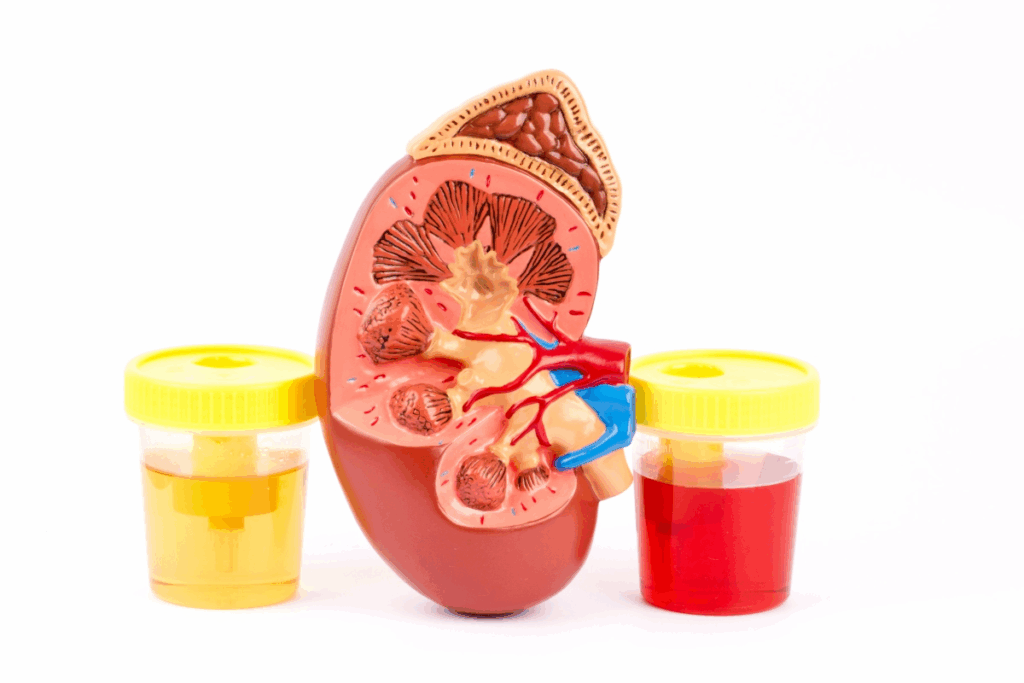
Hematuria is when red blood cells show up in your urine. It’s a common issue in the urology field. It can point to many health problems, from simple to serious.
Definition and Prevalence of Hematuria
Hematuria means you have red blood cells in your urine. It’s a condition many people face at some point. Research shows it’s a big reason for visits to urologists.
Because hematuria is common, doctors take it seriously. It can be a sign of something minor or something more serious. Either way, it’s a reason to see a doctor.
The Significance of Blood in Urine as a Symptom
Blood in your urine can mean different things. It’s not a disease itself but a sign of something else. This could be anything from a simple infection to something more serious like cancer.
We’ll look at these causes in more detail later. But it’s important to know that blood in urine is a warning sign. It tells you to get checked by a doctor.
Getting checked early is key to dealing with the cause of hematuria. Knowing about hematuria helps you make the right choices when you see blood in your urine.
Types of Hematuria: Visible and Invisible Blood

Blood in urine can be seen or only found in tests. Knowing this helps doctors figure out what’s wrong and how to treat it.
Gross Hematuria: When Blood is Visible
Gross hematuria means you can see blood in your urine. It looks pink, red, or brown. Seeing blood in your pee is scary and usually means you’ll go to the doctor.
Causes and Concerns: Blood in your pee can come from many things like UTIs, kidney stones, or injuries. Finding out why is key to fixing the problem.
Microscopic Hematuria: Hidden Blood Detected in Tests
Microscopic hematuria is when blood cells are found in pee but not seen. It doesn’t change the pee’s color. Doctors usually find it during tests.
Implications: Hidden blood can mean kidney disease, bladder cancer, or prostate problems. Doctors need to keep an eye on it and do more tests to find out why.
Both kinds of hematuria need a doctor’s check-up to find the cause. Knowing what kind you have is the first step to getting the right treatment.
| Characteristics | Gross Hematuria | Microscopic Hematuria |
| Visibility of Blood | Visible to the naked eye | Detectable only under a microscope |
| Urine Appearance | Pink, red, or brown | Normal color |
| Common Causes | UTIs, kidney stones, trauma | Kidney disease, bladder cancer, prostate issues |
What Causes Blood in Urine? Common Culprits
It’s important to know why blood shows up in urine. This can help find the right treatment. Blood in urine, or hematuria, can signal many health issues. We’ll look at infections, stones, and prostate problems as common causes.
Urinary Tract Infections (UTIs)
UTIs are a top reason for blood in urine. They happen when bacteria get into the urinary tract. This can cause irritation and bleeding. Symptoms include pain when you pee, needing to pee a lot, and chills and blood in urine.
“Urinary tract infections are a frequent cause of hematuria, specially in women.” This shows why quick treatment is key to avoid bigger problems like kidney damage.
Kidney and Bladder Stones
Kidney and bladder stones also lead to blood in urine. These stones can hurt the urinary tract lining, causing bleeding. They can also cause sharp pain, known as renal colic, and block urine flow.
| Condition | Symptoms | Treatment |
| Kidney Stones | Severe pain, hematuria, nausea | Hydration, pain management, surgery |
| Bladder Stones | Painful urination, hematuria, frequency | Removal via cystoscopy or surgery |
Enlarged Prostate in Men
An enlarged prostate is common in older men and can cause blood in urine. As the prostate grows, it can press on the urethra. This can lead to trouble starting to pee, weak urine flow, and needing to pee a lot.
Seeing a doctor is key if symptoms don’t go away or get worse. Early treatment can help manage these issues well.
Infections That Lead to Blood in Urine
Infections are a common cause of blood in urine. It’s important to understand their role for proper diagnosis and treatment. We’re talking about infections in the urinary tract here.
Bladder Infections (Cystitis)
Bladder infections, or cystitis, happen when bacteria infect the bladder. Symptoms include pain while urinating, frequent urination, and sometimes blood in the urine. Women are more likely to get cystitis because their urethra is shorter.
Kidney Infections (Pyelonephritis)
Kidney infections, or pyelonephritis, are more serious. They happen when bladder infection bacteria move up to the kidneys. Symptoms include fever, chills, and pain in the back or side, along with cystitis symptoms. Quick treatment is key to avoid kidney damage.
Chills and Fever with Blood in Urine: What It Means
Chills and fever with blood in urine mean a serious infection, like pyelonephritis. Fever and chills show the infection has reached the kidneys and is dangerous. If you have these symptoms, see a doctor right away.
| Infection Type | Common Symptoms | Severity |
| Cystitis (Bladder Infection) | Painful urination, frequent urination, blood in urine | Mild to Moderate |
| Pyelonephritis (Kidney Infection) | Fever, chills, back or side pain, symptoms of cystitis | Severe |
Gender-Specific Causes of Hematuria
Hematuria affects both men and women, but the reasons can differ. We’ll look at the specific causes for each gender. This will help us understand the conditions more common in each.
Causes of Blood in Women’s Urine
Women face certain issues that can cause hematuria. A big reason is urinary tract infections (UTIs). These are more common in women because of their shorter urethra. Other causes include:
- Kidney stones
- Bladder infections
- Interstitial cystitis
These problems can be very uncomfortable. If not treated, they can get worse. Women with hematuria should see a doctor to find out why.
What Can Cause Blood in Urine for Males
Men are more likely to see blood in their urine due to things like an enlarged prostate or prostate cancer. Other causes in men include:
- Kidney stones
- Bladder cancer
- Urinary tract infections, though less common than in women
Men with blood in their urine need a detailed medical check-up. This is to find the cause and start the right treatment.
| Condition | More Prevalent In | Common Symptoms |
| Urinary Tract Infections (UTIs) | Women | Burning sensation while urinating, frequent urination |
| Enlarged Prostate | Men | Difficulty urinating, weak urine flow |
| Kidney Stones | Both | Severe pain, nausea, vomiting |
Knowing the gender-specific causes of hematuria is key for the right treatment. Anyone with hematuria should talk to a healthcare professional. They can figure out the cause and what to do next.
Serious Conditions Associated with Hematuria
Hematuria, or blood in urine, can signal serious health issues. It’s not always a sign of something minor. If you see blood in your urine, it’s important to get it checked out right away.
Urinary Tract Cancers
Urinary tract cancers, like bladder, kidney, and ureter cancers, can cause hematuria. Bladder cancer is a common type that often shows up with blood in the urine. If you notice blood, it’s a sign to see a doctor.
Other things that might increase your risk of these cancers include:
- Smoking
- Being around certain chemicals
- Having a family history of cancer
- Having chronic irritation or infections
Spotting urinary tract cancers early can make a big difference. Doctors use tests like cystoscopy and imaging to find the cause of blood in urine. This helps catch cancer when it’s easier to treat.
Kidney Disease and Blood in Urine
Kidney disease can also cause hematuria. Damage from diabetes or high blood pressure can lead to blood in the urine. Diabetic nephropathy and hypertensive nephrosclerosis are types of kidney damage that can cause this.
Managing health conditions is key to avoiding kidney damage. Regular check-ups and treatment can slow down kidney disease. This helps prevent more serious problems.
If you’re at risk for kidney disease, it’s important to work with your doctor. This means keeping blood sugar and blood pressure under control. A healthy lifestyle also helps.
In short, blood in urine can mean serious issues like urinary tract cancers and kidney disease. Getting medical help quickly is important to find out why and start the right treatment.
Less Common Causes of Blood in Urine
It’s important to know about less common causes of blood in urine. Many common reasons are well known. But, there are other factors that can also cause this issue.
Kidney and Bladder Trauma
Trauma to the kidney or bladder can lead to blood in urine. This can happen from accidents, sports injuries, or other physical harm. The amount of blood can depend on how severe the injury is.
Types of Trauma: There are two main types. Blunt trauma, like from a car crash, can damage these organs without an open wound. Penetrating trauma, from a gunshot or stab, can directly harm them.
Medications and Blood Thinners
Some medicines can raise the risk of blood in urine. Blood thinners, like anticoagulants, can make bleeding worse in the urinary tract. They stop blood from clotting properly.
- Anticoagulants: Medications like warfarin and heparin can lead to hematuria by preventing blood clots from forming.
- Antiplatelet drugs: Drugs such as aspirin and clopidogrel can also contribute to bleeding by inhibiting platelet aggregation.
Bleeding Disorders and Hematuria
Bleeding disorders can also cause blood in urine. These conditions make it hard for blood to clot, leading to bleeding in the urinary tract.
| Bleeding Disorder | Description | Risk of Hematuria |
| Hemophilia | A genetic disorder that impairs the body’s ability to make blood clots | High |
| Von Willebrand Disease | A condition that affects the blood’s ability to clot due to a deficiency in von Willebrand factor | Moderate |
| Thrombocytopenia | A condition characterized by low platelet count | High |
It’s key to think about these less common causes when diagnosing blood in urine. This helps in giving the right treatment.
When to Worry: Red Flags with Hematuria
Hematuria, or blood in urine, is not always the same. Knowing the warning signs is key for good care. It can be a simple issue or a sign of something serious. We’ll look at the red flags that mean you need to see a doctor right away.
Blood Clots in Urine
Blood clots in urine are a big warning sign. They can mean serious bleeding in the urinary tract. This could be due to injury, infection, or cancer. If you see blood clots, get medical help fast.
Persistent or Recurrent Hematuria
Persistent hematuria means blood in urine all the time. Recurrent hematuria means it comes and goes. Both need a doctor to find out why, as they can point to kidney problems, stones, or tumors.
| Condition | Characteristics | Potential Causes |
| Persistent Hematuria | Ongoing presence of blood in urine | Kidney disease, stones, tumors |
| Recurrent Hematuria | Episodes of blood in urine | Infections, stones, malignancies |
Can Blood in Urine Go Away on Its Own?
In some cases, blood in urine might clear up by itself. This could be due to a minor infection or a short-term issue. But, even if it goes away, you might need to see a doctor to find out why.
It’s important to know when blood in urine is a serious sign. By recognizing these signs, you can get help quickly. This can help avoid bigger problems and make sure you get the right treatment.
Diagnosing the Cause of Blood in Urine
Figuring out why there’s blood in your urine is a detailed process. It’s key to find the right treatment and ease your worries.
Initial Evaluation and Tests
The first step is a detailed medical history and physical check-up. This helps spot possible causes of blood in urine.
A urinalysis is a must. It checks for blood, protein, and other issues in your urine. This test gives clues about what might be causing the blood.
Common Initial Tests:
- Urinalysis to detect blood and other abnormalities
- Blood tests to check kidney function and look for bleeding disorders
- Imaging studies like ultrasound or CT scans to see the urinary tract
Advanced Diagnostic Procedures
More tests might be needed if the first ones don’t show enough. These tests help find complex issues that simple tests miss.
Some advanced tests include:
| Diagnostic Procedure | Description |
| Cystoscopy | A way to see inside the bladder and urethra directly |
| CT Urography | A CT scan that focuses on the urinary system to find problems |
| Biopsy | A method to get tissue samples for lab tests |
“The diagnostic process for hematuria is designed to be thorough and detailed. It helps us find the cause and plan the best treatment.”
As we keep testing, we must think about your overall health and any other health issues. By using the results from the first tests and more detailed ones, we can understand the cause. Then, we can make a treatment plan just for you.
Conclusion: When to Seek Medical Help for Blood in Urine
Knowing why you might see blood in your urine is key. This can help you figure out what to do next. Hematuria can come from many things, some not so bad and others serious.
If you see blood in your urine, don’t wait to see a doctor. This is true if you keep seeing blood or have other symptoms like pain. A doctor can help find out why and treat it.
Don’t put off going to the doctor if you notice blood in your urine. A doctor will check to see why it’s happening. This way, you can get the right treatment for your problem.
FAQ
What does it mean when I pee blood?
Peeing blood, or hematuria, means you have red blood cells in your urine. It can mean many things, from simple to serious health issues.
What are the common causes of blood in urine?
Blood in urine can come from many sources. It might be from infections, stones in the kidneys or bladder, or an enlarged prostate in men. Infections like cystitis and pyelonephritis can also cause it.
Can blood in urine be a sign of a serious condition?
Yes, it can be a sign of serious problems like cancer or kidney disease. It’s very important to see a doctor to find out why.
What is the difference between gross hematuria and microscopic hematuria?
Gross hematuria means you can see blood in your urine, making it look pink, red, or brown. Microscopic hematuria is when tests find blood, even if you can’t see it.
Can certain medications cause blood in urine?
Yes, some medicines, like blood thinners, can make you more likely to bleed and see blood in your urine. Bleeding disorders can also cause this.
What does it mean if I have blood clots in my urine?
Blood clots in your urine mean you’re bleeding a lot. You should see a doctor right away to figure out why and how to stop it.
Can blood in urine go away on its own?
Sometimes, blood in urine might go away by itself. But, you should always see a doctor to find out why. Even if it seems to get better, you might need treatment for the real cause.
How is the cause of blood in urine diagnosed?
Doctors start by asking about your health and doing a urine test. Then, they might use tests like ultrasound or CT scans to find out more.
Why is it important to seek medical help for blood in urine?
It’s important to see a doctor because some reasons for blood in urine are serious. Getting help quickly is key to treating it right.
What are the gender-specific causes of hematuria?
Women often get blood in urine from infections. Men might get it from an enlarged prostate. Knowing these can help doctors figure out what’s wrong.
Can trauma to the kidney or bladder cause blood in urine?
Yes, injuries to these areas can cause blood in urine. It’s a sign you need to see a doctor to check how bad the injury is.
What does it mean if I have chills and blood in my urine?
Chills and blood in urine can mean you have a kidney infection. This is a serious problem that needs quick medical help.
References
National Center for Biotechnology Information. (2025). What Causes Blood in Urine Common Triggers and. Retrieved from https://www.ncbi.nlm.nih.gov/books/NBK534213/