
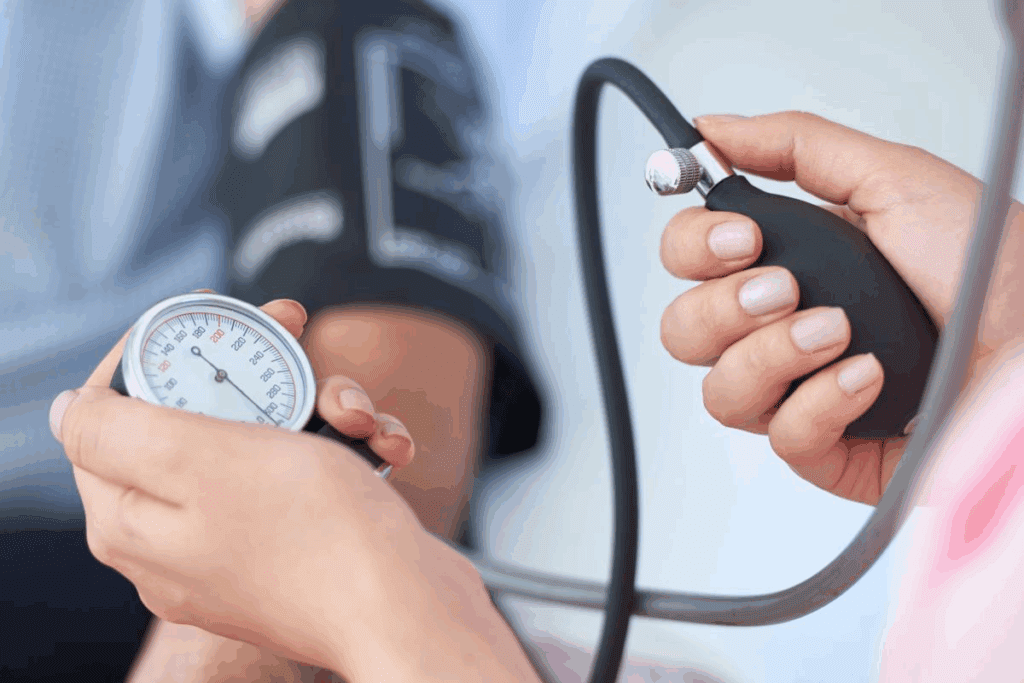
High blood pressure is a big health worry. It can cause serious problems if not handled right. The American Heart Association (AHA) says stage 1 hypertension is when your systolic reading is 130 to 139 millimeters of mercury (mm Hg). Your diastolic reading should be 80 to 89 mm Hg.
Learn what causes blood pressure to rise fast and key factors that trigger spikes.
Many things can make blood pressure go up fast. Emotional stress, too much sodium, some medicines, and sudden illnesses are a few. Knowing what these are is key to fighting hypertension.
At Liv Hospital, we’re all about giving you the best care to manage your blood pressure. In this piece, we’ll look at the 15 main things that can cause high blood pressure. We want to help you take charge of your health.
Key Takeaways
- Knowing what raises blood pressure is vital for managing it well.
- Stress and too much sodium can quickly raise your blood pressure.
- Some medicines and sudden illnesses can also affect your blood pressure.
- Liv Hospital is committed to giving top-notch care to international patients.
- Controlling blood pressure needs a full plan that covers lifestyle and health.
Understanding Blood Pressure Fluctuations
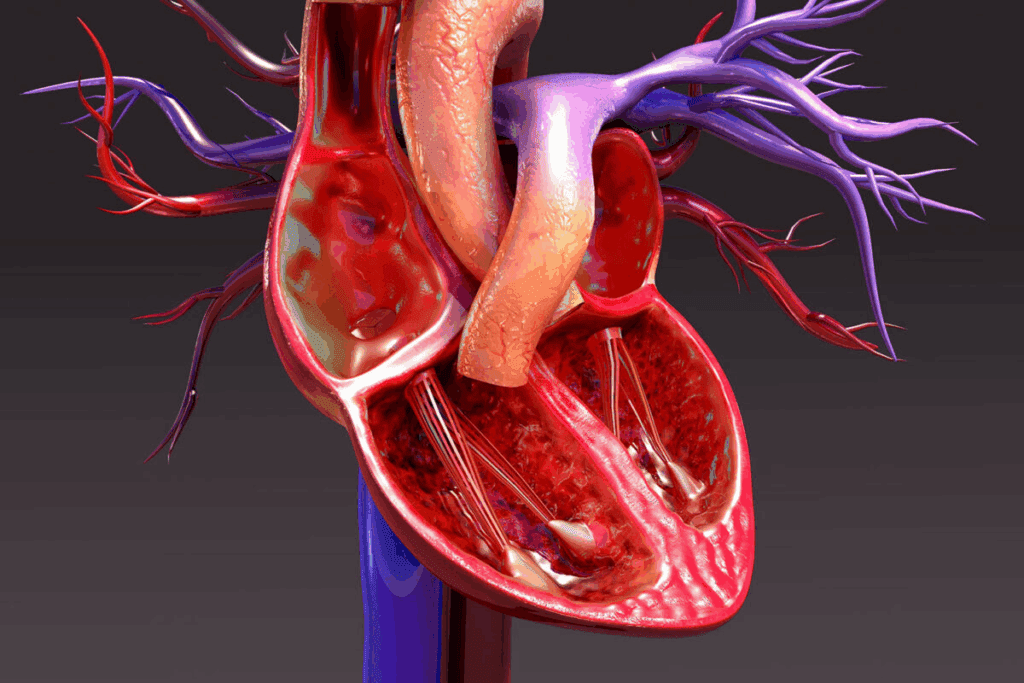
It’s key to understand blood pressure to keep your heart healthy. Blood pressure changes all day due to many factors.
How Normal Blood Pressure is Regulated
Keeping blood pressure normal is a complex task. It involves the heart, blood vessels, and nerves working together. The baroreceptors in blood vessel walls detect pressure changes. They send signals to the brain to adjust heart rate and blood vessel size.
This system keeps blood pressure healthy, usually under 120/80 mmHg. It ensures blood flows well to all parts of the body.
What Constitutes a Rapid Blood Pressure Increase
Many things can cause blood pressure to rise quickly. Acute stress, some medicines, and eating too much salt or caffeine are examples. A sudden spike in blood pressure can harm the heart and blood vessels.
Knowing what raises blood pressure is vital. Obesity, not moving enough, and diseases like kidney or diabetes can also increase it.
Prevalence of Hypertension in the United States
Hypertension is a big health issue in the U.S., affecting nearly half of adults. Many people don’t know they have high blood pressure. This shows how important it is to check blood pressure regularly.
The high rate of hypertension calls for more education. People need to learn how to manage it to protect their heart health.
Emotional and Psychological Triggers
Stress or anxiety can make our ‘fight or flight’ response kick in, raising blood pressure. This natural defense is meant to protect us from danger. But, if it happens too often, it can harm our heart health.
Emotional and psychological triggers can really affect our blood pressure. They can make it go up fast, often without us noticing. Knowing what these triggers are is key to keeping our blood pressure healthy.
Acute Stress and Anxiety Responses
Stress and anxiety can quickly raise our blood pressure. This is because our body releases stress hormones like adrenaline and cortisol. These hormones get our body ready to fight or flee, making our heart rate and blood pressure go up.
- Stress Hormones: Adrenaline and cortisol are released during stress, causing blood pressure to rise.
- Physiological Response: Heart rate and blood vessel constriction increase blood pressure.
Anger and Intense Emotional Reactions
Anger and intense emotions can also raise our blood pressure. When we get angry, our body’s sympathetic nervous system kicks in. This leads to stress hormones and a rise in blood pressure.
Some key points to consider:
- Anger can cause a significant spike in blood pressure.
- Frequent episodes of anger can lead to long-term blood pressure issues.
- Managing anger through relaxation techniques can help mitigate its impact on blood pressure.
Panic Attacks and Blood Pressure Spikes
Panic attacks are intense episodes of fear or discomfort. They can cause a rapid increase in blood pressure. During a panic attack, our ‘fight or flight’ response is triggered, leading to increased heart rate, rapid breathing, and a surge in blood pressure.
It’s important to manage panic attacks and anxiety disorders to prevent frequent blood pressure spikes. Techniques like deep breathing, meditation, and cognitive-behavioral therapy can help manage these conditions.
By understanding and addressing emotional and psychological triggers, we can manage our blood pressure. This helps keep our cardiovascular health in check.
Dietary Factors That Increase Blood Pressure
The food we eat greatly affects our blood pressure. Some foods can cause sudden spikes. Knowing these foods is key to managing high blood pressure and keeping our hearts healthy.
Effects of High Sodium Consumption
Too much sodium can raise blood pressure. It makes our bodies hold more water, which puts extra pressure on our blood vessels. The American Heart Association suggests eating less than 2,300 milligrams of sodium daily. They say the best goal is 1,500 milligrams for most adults.
Lowering sodium intake is easier than you think. Avoid processed and packaged foods, which are often salty. Choose fresh, whole foods instead. Use herbs and spices to add flavor without sodium.
Caffeine and Its Immediate Impact
Caffeine is a stimulant that can quickly raise blood pressure. This effect is more noticeable in those who don’t usually drink caffeine. It can also mix badly with some medications, raising blood pressure even more.
To see how caffeine affects us, let’s compare:
| Caffeine Source | Average Caffeine Content (mg) | Potential Blood Pressure Effect |
| Cup of Coffee (8 oz) | 95-200 | Moderate Increase |
| Energy Drink (8 oz) | 80-300 | Significant Increase |
| Tea (8 oz) | 25-48 | Mild Increase |
Tyramine-Rich Foods
Tyramine is in some foods, like aged or fermented items. Eating these foods can quickly raise blood pressure. This is a big risk for people taking certain medications, like MAOIs.
Examples of foods high in tyramine include aged cheeses, fermented meats, and some wines. Knowing these foods and their effects on blood pressure is vital for those at risk.
By knowing how diet affects blood pressure, we can make better choices. This helps us manage high blood pressure and improve our health.
What Causes Blood Pressure to Rise: Lifestyle Choices
Certain lifestyle choices can make our blood pressure go up quickly. Our daily habits and decisions are key to keeping blood pressure healthy. We’ll look at how certain lifestyle factors affect our blood pressure.
Smoking and Nicotine’s Immediate Effects
Smoking and nicotine use are known to quickly raise blood pressure. Nicotine, found in tobacco, narrows blood vessels and speeds up the heart. This can be a big problem for people with high blood pressure or heart issues.
Alcohol Consumption Patterns
Drinking too much alcohol can also raise blood pressure. While some can handle a little alcohol, too much can be a problem. Heavy drinking can make blood vessels smaller, making the heart work harder and raising blood pressure.
Dehydration and Blood Pressure
Dehydration can also affect blood pressure. When we lose more fluids than we take in, our blood volume goes down. The heart then beats faster, raising blood pressure. Drinking enough water is important for keeping blood pressure in check.
Knowing how lifestyle choices impact blood pressure helps us take action. By making smart choices about smoking, drinking, and staying hydrated, we can improve our heart health.
Physical Activity and Weight Considerations
Regular physical activity and a healthy weight are key to managing blood pressure. Exercise and a healthy weight can lower the risk of high blood pressure.
Obesity and Its Mechanism in Raising Blood Pressure
Being overweight or obese increases the risk of high blood pressure. Excess fat can cause insulin resistance and damage blood vessels. It also activates the body’s stress system, raising blood pressure.
Key mechanisms by which obesity raises blood pressure include:
- Insulin resistance and hyperinsulinemia
- Activation of the renin-angiotensin-aldosterone system
- Increased sympathetic nervous system activity
- Vascular dysfunction and inflammation
Sedentary Lifestyle Consequences
A sedentary lifestyle can also lead to high blood pressure. Inactivity can cause weight gain and damage blood vessels. This increases blood pressure.
The consequences of a sedentary lifestyle include:
- Reduced cardiovascular fitness
- Increased risk of obesity and metabolic syndrome
- Poor vascular function and increased blood pressure
| Physical Activity Level | Blood Pressure Impact |
| Sedentary | Increased risk of hypertension |
| Moderately Active | Reduced risk of hypertension |
| Highly Active | Significant reduction in hypertension risk |
Sudden Physical Exertion
Sudden physical exertion can also cause temporary spikes in blood pressure. While regular exercise is good, intense exercise can strain the heart and raise blood pressure.
It’s important to balance exercise with health and fitness levels to avoid sudden blood pressure spikes. Regular, moderate exercise is best for keeping blood pressure healthy.
Medications That Can Bring Blood Pressure Up
Medications help manage health issues but can raise blood pressure. Knowing these effects is key to managing our health well.
NSAIDs and Pain Relievers
NSAIDs help with pain and inflammation. But, they can raise blood pressure by affecting the kidneys and fluid balance. NSAIDs can lead to sodium retention, increasing blood volume and pressure. Talk to your doctor about safer pain options if you’re worried about blood pressure.
Decongestants and Cold Medications
Decongestants in cold meds can make blood vessels narrow, raising blood pressure. Pseudoephedrine is a common culprit. If you’re at risk, choose cold meds without decongestants.
Corticosteroids and Immunosuppressants
Corticosteroids reduce inflammation and suppress the immune system. They make the body hold more fluid and stiffen blood vessels. Corticosteroids like prednisone can have this effect, more so with long-term use.
Knowing how these meds affect blood pressure is important. Here’s a quick guide:
| Medication Category | Effect on Blood Pressure | Examples |
| NSAIDs | Increases sodium retention, blood volume, and pressure | Ibuprofen, Naproxen |
| Decongestants | Causes blood vessels to constrict, increasing pressure | Pseudoephedrine, Phenylephrine |
| Corticosteroids | Leads to fluid retention and less flexible blood vessels | Prednisone, Methylprednisolone |
Keep an eye on your blood pressure if you’re on these meds. Always talk to your doctor about side effects and how to avoid them.
Substances and Drugs Affecting Blood Pressure
Certain substances and drugs can greatly affect our blood pressure. They can cause sudden and dangerous increases. It’s important to know how these substances impact our health.
Illicit Drugs and Their Cardiovascular Effects
Drugs like cocaine and methamphetamines quickly raise blood pressure. They can lead to serious heart problems, even in healthy people. This includes heart attacks and strokes.
Illicit drugs can harm the heart and blood vessels. For example, cocaine makes blood vessels narrow, raising blood pressure.
Herbal Supplements with Hypertensive Properties
Some herbal supplements can increase blood pressure. Weight loss supplements with stimulants like ephedra or synephrine are examples.
People taking herbal supplements should know their blood pressure effects. It’s wise to talk to a doctor before starting any new supplement.
Energy Drinks and Performance Enhancers
Energy drinks and performance enhancers have lots of caffeine and stimulants. They can make blood pressure go up. Drinking too much can stress the heart.
| Substance | Effect on Blood Pressure | Potential Risks |
| Cocaine | Significant increase | Heart attack, stroke |
| Methamphetamines | Rapid increase | Cardiovascular collapse, stroke |
| Energy Drinks | Moderate increase | Cardiac arrhythmias, hypertension |
Knowing how these substances affect blood pressure is key to managing hypertension. Being aware of the risks from illicit drugs, herbal supplements, and energy drinks helps us make better health choices.
Chronic Health Conditions as Blood Pressure Triggers
We look into how chronic conditions affect blood pressure. These conditions can greatly impact our heart health, mainly in managing blood pressure.
Kidney Disease and Fluid Retention
Kidney disease is a big risk for high blood pressure. Damaged kidneys can’t handle fluid and sodium well, causing retention and high blood pressure.
The kidneys are key in controlling blood pressure. They do this through the renin-angiotensin-aldosterone system. When kidneys fail, this balance is lost, often raising blood pressure.
Diabetes and Vascular Damage
Diabetes also affects blood pressure a lot. High sugar levels damage blood vessels, making them stiff and narrow. This can raise blood pressure.
Diabetes often comes with other heart risks like obesity and bad cholesterol. This makes managing blood pressure even harder.
“Diabetes is a major risk factor for cardiovascular disease, and managing blood pressure is key to lowering this risk.”
Sleep Apnea and Nocturnal Hypertension
Sleep apnea causes breathing stops during sleep, leading to poor sleep and low blood oxygen. It’s linked to high blood pressure at night.
Nocturnal hypertension is a big warning sign for heart problems. Treating sleep apnea can help control blood pressure.
| Chronic Condition | Impact on Blood Pressure |
| Kidney Disease | Fluid retention and sodium imbalance |
| Diabetes | Vascular damage and increased cardiovascular risk |
| Sleep Apnea | Nocturnal hypertension |
It’s important to know how these chronic conditions affect blood pressure. By tackling these issues, people can better manage their blood pressure and lower heart disease risks.
Acute Physical Factors That Rapidly Increase Blood Pressure
Acute physical factors can quickly raise blood pressure. It’s important to know what these factors are. They can cause sudden and severe changes in blood pressure, affecting heart health.
Pain and Discomfort
Pain and discomfort can make blood pressure go up. When we feel pain, our body goes into stress mode. This releases hormones like adrenaline, making our heart beat faster and blood pressure rise.
Chronic pain conditions have a big impact. The constant discomfort keeps our body stressed.
“Pain is a universal human experience, and its impact on blood pressure should not be underestimated,” says a leading hypertension specialist.
“The body’s response to pain can have immediate cardiovascular consequences, making pain management critical for maintaining healthy blood pressure.”
Full Bladder Effect
A full bladder can also affect blood pressure. Studies show that a full bladder can raise blood pressure, more so in people with high blood pressure. It’s thought that certain nerves are triggered, affecting how blood pressure is regulated.
A study found that people with a full bladder had higher blood pressure than those without. This shows how important it is to look at all factors when checking blood pressure.
Temperature Extremes
Extreme temperatures can also change blood pressure. The body reacts differently to hot and cold, depending on the temperature and health.
In cold, the body tightens blood vessels, raising blood pressure. In hot, it widens them, possibly lowering it. But, very extreme temperatures can be dangerous, even for those with heart conditions.
- Cold temperatures can cause vasoconstriction, increasing blood pressure.
- Hot temperatures can lead to vasodilation, potentially lowering blood pressure.
- Extreme temperatures pose risks, specially for those with cardiovascular conditions.
Genetic and Demographic Influences
Understanding the genetic and demographic influences on blood pressure is key. Certain factors can make people more likely to have high blood pressure. It’s important to tackle these factors in any treatment plan.
Family History and Genetic Predisposition
A family history of hypertension is a big risk factor for high blood pressure. People with a family history are more likely to have high blood pressure. This is because of genetic predispositions that affect how the body regulates blood pressure.
Research has found many genetic variants linked to blood pressure. These genes can affect how the body handles sodium, blood vessel function, and the nervous system. All these play a part in blood pressure.
Age-Related Vascular Changes
Age-related vascular changes are also key. As we get older, our blood vessels change, affecting blood pressure. The arteries can get stiffer, leading to higher blood pressure. This is more common in people over 65.
Age can also affect how well the kidneys manage sodium and fluid. This impacts blood pressure. It’s important to understand these changes for managing hypertension in older adults.
Do Some People Have Naturally Higher Blood Pressure?
Yes, some people naturally have higher blood pressure. This is due to genetics, demographics, and lifestyle. For example, genetic predisposition can lead to higher blood pressure levels. Age, ethnicity, and gender also play a role.
While some factors can’t be changed, like family history and age, others can be managed. Lifestyle changes and medical interventions can help. Healthcare providers can use this knowledge to create effective blood pressure management plans.
Women-Specific Causes of High Blood Pressure
Health conditions and hormonal changes can raise blood pressure in women. These factors are unique to women’s health. They can greatly affect their heart health.
Pregnancy-Related Hypertension
Pregnancy brings many changes to a woman’s body, including blood pressure changes. Pregnancy-related hypertension can happen during pregnancy. It can cause problems for both the mother and the baby.
- Preeclampsia is a severe form of pregnancy-related hypertension. It’s marked by high blood pressure and protein in the urine.
- Gestational hypertension is high blood pressure that starts after 20 weeks of pregnancy. It doesn’t have protein in the urine.
It’s important to watch blood pressure during pregnancy. This helps manage these conditions well.
Hormonal Contraceptives
Hormonal contraceptives can affect blood pressure in some women. These contraceptives have hormones like estrogen and progesterone. They can raise blood pressure in some people.
- Combination oral contraceptives, with both estrogen and progestin, can impact blood pressure more than progestin-only contraceptives.
- Women with high blood pressure or heart risk factors should be watched closely when using hormonal contraceptives.
Menopause and Hormonal Shifts
Menopause brings big hormonal changes in women. The drop in estrogen can affect blood pressure.
- Some women may see their blood pressure go up during menopause because of hormone changes.
- Changing lifestyle and, if needed, medical help can help manage blood pressure during this time.
Knowing about these causes of high blood pressure in women is key. It helps give the right care and advice at different life stages.
Conclusion: Managing Rapid Blood Pressure Changes
It’s important to know why blood pressure can change quickly. This article has looked at many reasons, like emotional triggers and lifestyle choices. We’ve also talked about how health conditions can play a role.
Changing your lifestyle can help lower blood pressure. Eating well, quitting smoking, and being active are good steps. Knowing these tips can help you manage your blood pressure better.
Managing blood pressure involves more than just one thing. It’s about watching what you eat, staying active, managing stress, and taking care of your health. By doing these things, you can control your blood pressure and feel better overall. It’s all about preventing high blood pressure and its serious side effects.
FAQ
What are the main factors that can cause blood pressure to rise quickly?
Blood pressure can quickly rise due to lifestyle choices and medical conditions. Emotional and psychological triggers, diet, and certain medications also play a role.
How does stress and anxiety affect blood pressure?
Stress and anxiety can quickly raise blood pressure. This is because of the body’s “fight or flight” response, releasing stress hormones like adrenaline.
What dietary factors can increase blood pressure?
High sodium, caffeine, and foods rich in tyramine can raise blood pressure.
How does smoking and nicotine affect blood pressure?
Smoking and nicotine quickly increase blood pressure. This is because nicotine stimulates the heart and blood vessels.
What is the impact of physical activity on blood pressure?
Regular exercise can lower blood pressure. But sudden, intense physical activity can quickly raise it.
How do certain medications affect blood pressure?
Some medications, like NSAIDs, decongestants, and corticosteroids, can increase blood pressure.
What is the relationship between kidney disease and blood pressure?
Kidney disease can lead to fluid retention. This increases blood pressure.
How does sleep apnea affect blood pressure?
Sleep apnea can cause blood pressure to rise at night, leading to hypertension.
What is the impact of age on blood pressure?
As we age, our blood vessels change. This can cause blood pressure to rise.
Are there any women-specific causes of high blood pressure?
Yes, pregnancy, hormonal contraceptives, and menopause can increase blood pressure in women.
Can genetic predisposition affect blood pressure?
Yes, family history and genetics can influence blood pressure.
How does dehydration affect blood pressure?
Dehydration can lead to a decrease in blood volume. This causes blood pressure to rise quickly.
What is the impact of energy drinks on blood pressure?
Energy drinks can quickly raise blood pressure. This is due to their caffeine and other stimulants.
Can certain herbal supplements affect blood pressure?
Yes, herbal supplements with stimulants can increase blood pressure.
How does pain affect blood pressure?
Pain can quickly raise blood pressure. This is due to the body’s stress response.
References
National Center for Biotechnology Information. (2025). 15 Key Factors That Can Cause Your Blood. Retrieved from https://www.ncbi.nlm.nih.gov/pmc/articles/PMC6018787/



 Departments
 Related Videos
 Our Doctors
 News
News