
Body dysmorphic disorder (BDD) is a serious mental health issue that affects millions globally. It causes a lot of distress and hinders daily life. People with BDD are obsessed with flaws in their appearance, leading to emotional pain, social isolation, and trouble functioning.
At Liv Hospital, we know body dysmorphia is a complex issue. It needs a detailed approach for diagnosis and treatment. Studies show about 1.7% to 2.9% of people have BDD, with even higher rates in certain groups.
Understanding BDD’s causes and symptoms helps us offer better support and treatment. Our approach focuses on the patient, using the latest diagnostic methods and proven treatments. This helps people overcome BDD.
Key Takeaways
- Body dysmorphic disorder is a serious mental health condition that affects millions worldwide.
- Preoccupation with perceived defects in physical appearance is a hallmark of BDD.
- BDD can cause significant distress, social isolation, and impaired functioning.
- A detailed approach to diagnosis and treatment is necessary for effective recovery.
- Liv Hospital offers patient-centered care and evidence-based treatments for BDD.
Understanding Body Dysmorphic Disorder (BDD)
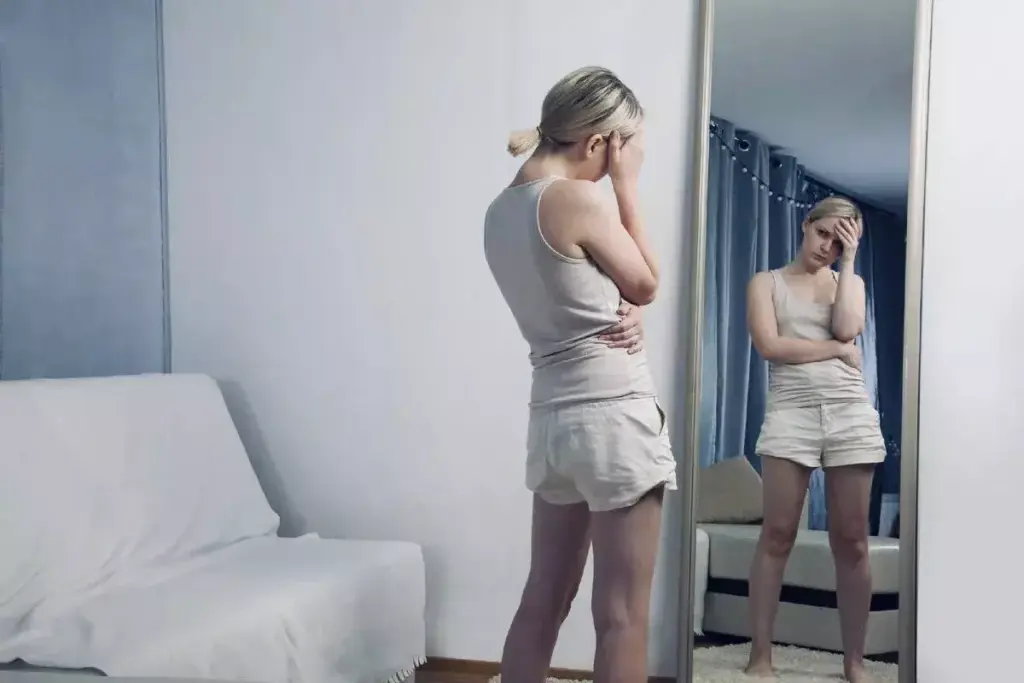
Body Dysmorphic Disorder (BDD), also known as body dysmorphia, is a condition where people obsess over flaws in their appearance. It can really hurt someone’s life, causing a lot of emotional pain and making it hard to do daily tasks.
Definition and Prevalence
BDD is a mental disorder where people are too worried about flaws in their looks. It can make them very upset and hurt their ability to live normally. It’s thought to affect 0.7% to 2.4% of people, starting in their teens and affecting both men and women equally. A special case, muscle dysmorphia, where people think they’re not muscular enough, mostly hits men.
Studies show BDD is more common than we thought, affecting about 2-3% of Americans. For more info on symptoms and causes, check out the Medical organization’s page on BDD.
Impact on Daily Life
BDD can really mess up someone’s life, causing a lot of emotional pain, making them avoid social situations, and affecting how well they can function. People with BDD often feel very ashamed, embarrassed, and anxious about their looks. This can lead to them staying away from others and feeling like their life isn’t as good as it could be.
The table below shows how BDD can affect daily life:
| Aspect of Life | Common Effects of BDD |
| Social Life | Social avoidance, isolation, and decreased social interactions due to feelings of embarrassment or shame. |
| Occupational/School Life | Impaired functioning, decreased productivity, and possible absence due to distress over appearance flaws. |
| Mental Health | Higher risk of depression, anxiety, and even suicidal thoughts or actions. |
It’s important to understand BDD to help those affected. By knowing the signs and symptoms, we can offer the right support and treatment. This can help them manage their condition and live a better life.
What Causes Body Dysmorphia

The exact causes of body dysmorphia are not fully understood. But, research points to a mix of genetic, neurobiological, and environmental factors. It’s likely that many factors, including genetics, brain chemistry, and social influences, all play a part.
Genetic and Neurobiological Factors
Genetics might play a role in body dysmorphia. People with a family history of mental health issues might be more at risk. Also, brain chemistry, like serotonin levels, is important. Studies suggest that body dysmorphia might be linked to changes in brain areas that handle emotions and perception.
Understanding these genetic and brain factors is key to finding good body dysmorphia therapies. Doctors can then tailor treatments to help manage symptoms.
Environmental and Psychological Triggers
Things like bullying, harsh comments on looks, and childhood trauma can lead to body dysmorphia. Societal beauty standards and media images also play a big role. Seeing unrealistic beauty in the media can make people feel bad about their bodies.
For more info on body dysmorphia, check out NHS.uk. They have lots of resources on the topic.
Low self-esteem and anxiety can also trigger or make body dysmorphia worse. It’s vital to tackle these issues with the right therapies and support. By understanding the complex mix of genetic, brain, and environmental factors, we can offer better help and treatment for those with body dysmorphia.
Conclusion: Recognizing the Signs and Finding Support
It’s key to spot the signs of body dysmorphia to help and treat it well. Signs include looking in the mirror too much, comparing yourself to others, and needing constant reassurance about how you look. If you or someone you know is dealing with body dysmorphia, getting help from a mental health expert is a must.
Knowing what causes and shows body dysmorphic disorder (BDD) helps us be kinder and more supportive. Treatment like cognitive-behavioral therapy (CBT) can really help. CBT helps people change their negative thoughts, face their fears, and see themselves in a better light.
We at our institution are dedicated to top-notch healthcare and support for patients from around the world. With the right care and support, people with BDD can manage their symptoms and feel better overall. If you’re worried about body dysmorphia symptoms or want to know the signs, we’re here to help and support you.
FAQ
What is Body Dysmorphic Disorder (BDD)?
Body Dysmorphic Disorder (BDD) is a mental health issue. It makes people obsessed with a flaw in their appearance.
How common is Body Dysmorphic Disorder?
BDD is quite common, affecting about 2-3% of people in the U.S. Studies show it’s widespread.
What causes Body Dysmorphia?
Body dysmorphia comes from many factors. These include genetics, brain chemistry, and environmental influences. Things like bullying, childhood trauma, and societal beauty standards play a role.
How does Body Dysmorphic Disorder affect daily life?
BDD can really disrupt daily life. It causes a lot of emotional pain, makes people avoid social situations, and affects their ability to function. People with BDD often feel ashamed and anxious about their appearance, leading to isolation and a lower quality of life.
What are the signs of Body Dysmorphia?
Knowing the signs of body dysmorphia is key to helping someone. Look for an intense focus on appearance flaws, repetitive behaviors like excessive grooming, and significant emotional pain or social issues.
How is Body Dysmorphic Disorder treated?
Treatment for BDD includes therapy and medication. Cognitive-behavioral therapy (CBT) and SSRIs are common. Getting help from a mental health expert is vital for recovery.
Can Body Dysmorphia be cured?
There’s no cure for body dysmorphia, but with the right treatment, people can manage their symptoms. This improves their overall well-being.
What is the difference between Body Dysmorphia and normal concerns about appearance?
Body dysmorphia is an intense, distressing focus on appearance flaws. It’s different from normal beauty concerns. People with BDD experience significant emotional pain and daily life issues.
Is Body Dysmorphia related to other mental health conditions?
Yes, body dysmorphia often goes hand-in-hand with other mental health issues. These include depression, anxiety, and eating disorders.
References:
National Center for Biotechnology Information. Evidence-Based Medical Guidance. Retrieved from
https://pubmed.ncbi.nlm.nih.gov/17116271/