
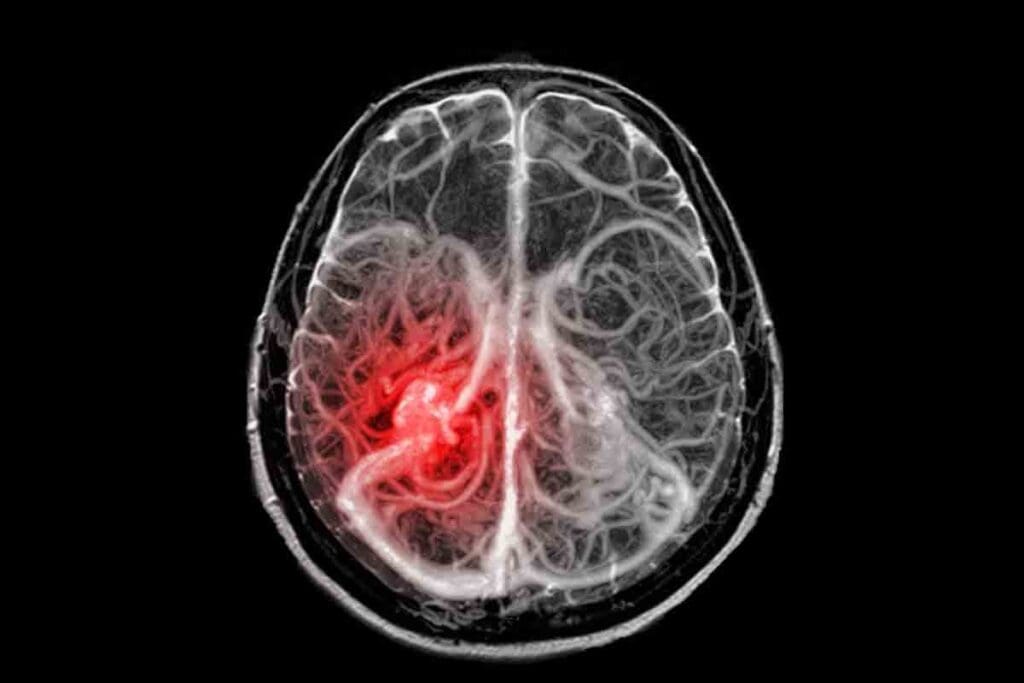
At Liv Hospital, we know that adult brain tumors come from many things. This includes genetics, the environment, and things we don’t fully understand. We focus on giving care that’s backed by the latest science.
Brain tumors in adults can be either primary or secondary. Primary tumors start in the brain. Secondary tumors spread from other parts of the body. Knowing the difference is key to the right treatment.
Our team works hard to give top-notch healthcare. We support patients from all over the world. We aim to mix medical knowledge with caring to help our patients the best way we can.
Key Takeaways
- Adult brain tumors result from a combination of genetic, environmental, and unknown factors.
- Primary brain tumors originate in the brain, while secondary tumors metastasize from other parts of the body.
- Understanding the type and cause of a brain tumor is critical for effective diagnosis and treatment.
- Liv Hospital is dedicated to patient-centered care based on the latest scientific evidence.
- Our team balances medical knowledge with caring to offer full support.
Understanding Brain Tumors in Adults

Brain tumors in adults are complex. They can be benign or malignant, each with its own health impact. Knowing the difference is key.
Definition and Basic Concepts
Brain tumors are abnormal cell growths in the brain. They can be benign or malignant. Benign tumors are non-cancerous and usually have a better outlook. Malignant tumors are cancerous and can grow faster.
A primary cerebral neoplasm starts in the brain. This is different from metastatic tumors that spread from other parts of the body.
Some genetic syndromes raise the risk of brain tumors. For example, neurofibromatosis and Li-Fraumeni syndrome are linked to a higher risk.
Prevalence and Statistics
Brain tumors are rare compared to other cancers. They affect many adults worldwide. The exact number depends on age, gender, and location.
| Type of Tumor | Annual Incidence per 100,000 Adults | Common Age Group Affected |
| Gliomas | 5-6 | 45-65 years |
| Meningiomas | 3-4 | 40-70 years |
| Acoustic Neuromas | 1-2 | 30-60 years |
Impact on Patient Health
Brain tumors can have a big impact on health. Symptoms vary from headaches and seizures to problems with thinking and movement. Malignant tumors often need more aggressive treatment.
Diagnosing and treating brain tumors requires a team effort. Learning about brain tumors is the first step in understanding treatment and care.
Primary vs. Secondary Brain Tumors
It’s important to know the difference between primary and secondary brain tumors. This knowledge helps doctors plan the best treatment. Knowing if a tumor is primary or secondary affects how well a patient will do and what treatments they can get.
Primary Cerebral Neoplasms
Primary brain tumors start in the brain. They can come from different types of cells. The exact reason they start is not known, but changes in DNA are thought to be a big part of it.
Metastatic (Secondary) Lesions
Secondary brain tumors come from cancer cells spreading to the brain. These tumors are more common than primary ones. They often start from cancers like lung, breast, or melanoma. The spread of cancer cells to the brain is a complex process.
How Brain Tumors Develop and Grow
Brain tumors grow due to many factors, including genetics and environment. Changes in DNA that affect how cells grow are a key part of tumor growth.
Here’s a quick summary of primary and secondary brain tumors:
| Characteristics | Primary Brain Tumors | Secondary Brain Tumors |
| Origin | Within the brain | From other parts of the body |
| Cell Type | Varied, including glial and neuronal cells | Metastatic cells from primary cancers |
| Common Primary Cancers | N/A | Lung, breast, melanoma |
Knowing these differences helps doctors create better treatment plans. We keep learning about brain tumors to help patients more.
What Causes Brain Tumors in Adults?
The exact causes of brain tumors in adults are not fully known. But research has found several key risk factors. Knowing these factors helps in creating better prevention and treatment plans.
DNA Mutations and Tumor Formation
DNA mutations are key in brain tumor development. These mutations can happen in genes that control cell growth. This leads to uncontrolled cell growth and tumor formation.
Genetic mutations can be inherited or caused by environmental exposures. For example, ionizing radiation can damage DNA and raise the risk of brain tumors.
Some genetic syndromes, like neurofibromatosis, increase brain tumor risk. These syndromes have specific genetic mutations that make tumor development more likely.
Cell Growth Regulation Failures
Cell growth regulation is complex, involving many genes and pathways. When these mechanisms fail, cells grow uncontrollably, leading to tumors. The balance between cell growth and cell death is key to normal tissue health.
Age is a big factor, with most brain tumors happening after 40. This suggests that age-related changes play a role in brain tumors in older adults.
The Multifactorial Nature of Brain Tumor Development
Brain tumor development involves genetics, environment, and lifestyle. The exact relationship between these factors is complex. But research is uncovering the different elements that lead to tumors.
Understanding the many factors in brain tumors is vital for better prevention and treatment. By knowing the risk factors and how they interact, we can improve patient care and research.
Genetic Factors and Inherited Syndromes
Genetic factors are key in the growth of brain tumors in adults. Some inherited syndromes raise the risk a lot. Knowing these genetic roots helps us spot those at higher risk and care for them better.
Neurofibromatosis Types 1 and 2
Neurofibromatosis types 1 and 2 are genetic disorders that lead to nervous system tumors, including brain tumors. Neurofibromatosis Type 1 (NF1) causes many neurofibromas, café-au-lait spots, and a higher risk of tumors. Neurofibromatosis Type 2 (NF2) is linked to bilateral vestibular schwannomas and other central nervous system tumors.
Li-Fraumeni Syndrome
Li-Fraumeni syndrome is a rare genetic disorder that greatly raises the risk of several cancers, including brain tumors. It’s caused by inherited mutations in the TP53 tumor suppressor gene. People with Li-Fraumeni syndrome are more likely to get multiple cancers early in life.
Other Hereditary Conditions
Other hereditary conditions also raise the risk of brain tumors. These include Tuberous Sclerosis Complex (TSC), Turcot syndrome, and von Hippel-Lindau disease. Each condition is linked to specific genetic mutations that can cause tumors in different parts of the body, including the brain.
Family History and Genetic Predisposition
A family history of brain tumors or cancers is a big clue to genetic predisposition. We stress the need for genetic counseling for those with a family history of cancer. By knowing an individual’s genetic risk, we can tailor screening and prevention plans.
In conclusion, genetic factors and inherited syndromes are major players in adult brain tumors. Recognizing these risks lets us offer targeted care and management plans. This can lead to better outcomes for those affected.
Environmental Risk Factors
Research has found that certain environmental exposures might contribute to brain tumors. It’s important to look at how genetics and environment interact. This helps us understand the external factors that could lead to these tumors.
Ionizing Radiation Exposure
Ionizing radiation is a known risk for brain tumors. High doses, like from radiation therapy or some industrial exposures, increase this risk. The risk is higher for those exposed at a young age.
A study in a top medical journal showed a link between ionizing radiation and brain tumors. This shows we need to weigh the risks and benefits of radiation exposure carefully.
| Exposure Type | Risk Level | Population Affected |
| Radiation Therapy | High | Patients receiving radiation treatment |
| Industrial Exposure | Moderate to High | Workers in radiation-related industries |
| Nuclear Accidents | High | Individuals exposed during nuclear incidents |
Electromagnetic Fields and Mobile Phone Use
The debate on electromagnetic fields (EMFs) and mobile phone use is ongoing. Some studies hint at a link between long-term mobile phone use and brain tumors. But the evidence is not clear. The International Agency for Research on Cancer (IARC) says radiofrequency electromagnetic fields might be carcinogenic to humans.
We need more research, focusing on long-term exposure. In the meantime, using hands-free devices or speakerphones can reduce exposure.
Chemical Exposures and Occupational Hazards
Some chemicals at work increase brain tumor risk. Workers in industries with vinyl chloride, pesticides, and other hazardous chemicals are at higher risk. Good workplace safety and rules are key to reducing these risks.
- Vinyl chloride exposure is linked to brain tumors.
- Pesticide exposure is also a risk factor.
- Formaldehyde and other chemicals might also be carcinogenic.
Viral Infections and Immune System Factors
Some studies suggest viral infections might contribute to brain tumors. The immune system’s role in tumor development is also being researched. This could lead to new ways to prevent and treat brain tumors.
By looking at environmental risk factors for brain tumors, we can better understand their causes. This might help us find ways to prevent and detect these tumors early.
Age and Demographic Influences
As people get older, their chance of getting brain tumors goes up. Most cases happen after 40. This shows how important it is to know how different factors affect brain tumor risk.
Age-Related Risk Patterns After 40
Brain tumor cases often increase with age, starting after 40. Some brain tumors are more common in certain age groups. For example, glioblastoma is often found in older adults.
Not all brain tumors follow the same age pattern. Medulloblastomas are more common in kids, while meningiomas are more common in older adults.
| Age Group | Common Tumor Types | Relative Incidence |
| 40-59 | Meningiomas, Gliomas | Moderate |
| 60-79 | Glioblastomas, Metastatic Tumors | High |
| 80+ | Glioblastomas, Lymphomas | Very High |
Gender Differences in Tumor Types
Studies show that men and women have different brain tumor types. For example, meningiomas are more common in women, while glioblastomas are more common in men.
This suggests that hormones or genes might play a role in brain tumors. More research is needed to understand these differences.
Ethnic and Geographic Variations
There are differences in brain tumor rates among different ethnic groups and places. This might be due to genetics, environment, or lifestyle. For example, some genetic syndromes are more common in certain groups and raise brain tumor risk.
Healthcare access and how tumors are diagnosed can also vary by place. This might affect how often tumors are reported.
It’s key to understand these differences to improve prevention and treatment. By looking at age, gender, ethnicity, and where people live, we can tailor care for different groups.
Common Types of Adult Brain Tumors
Adult brain tumors include gliomas, meningiomas, acoustic neuromas, and pituitary adenomas. Each type varies in aggressiveness and treatment options. Knowing these differences is key to proper diagnosis and treatment.
Gliomas
Gliomas start from the brain’s glial cells. They are the most common brain tumors in adults. Gliomas have different subtypes based on their aggressiveness and cell origin.
- Astrocytomas: These tumors come from astrocytes. They can be less aggressive or very aggressive.
- Oligodendrogliomas: These tumors start from oligodendrocytes. They are usually less aggressive, but can vary.
- Ependymomas: These tumors come from ependymal cells. They line the brain’s ventricles and spinal cord.
Meningiomas
Meningiomas start from the meninges, which protect the brain and spinal cord. Most are benign and grow slowly. They can often be treated with surgery or watched closely.
Characteristics of Meningiomas:
- Typically benign
- Often slow-growing
- Can be treated with surgery or monitored
Acoustic Neuromas
Acoustic neuromas, or vestibular schwannomas, are benign tumors of the vestibular nerve. They can cause hearing loss, tinnitus, and balance problems.
Symptoms and Treatment:
- Hearing loss
- Tinnitus
- Balance issues
- Treatment options include surgery, radiation therapy, or observation
Pituitary Adenomas
Pituitary adenomas occur in the pituitary gland at the brain’s base. They can be functioning (excess hormones) or non-functioning.
Types and Symptoms:
- Functioning adenomas can cause hormonal imbalances
- Non-functioning adenomas may cause symptoms due to size and pressure
- Treatment options include medication, surgery, or radiation therapy
In conclusion, knowing about adult brain tumors is vital for diagnosis and treatment. Gliomas, meningiomas, acoustic neuromas, and pituitary adenomas each need specific approaches.
Diagnosis and Treatment Approaches
Understanding how to diagnose and treat brain tumors is key to better patient care. At Liv Hospital, we focus on giving each patient the care they need. This approach helps improve outcomes.
Modern Diagnostic Techniques
Diagnosing brain tumors uses advanced imaging and detailed tissue analysis. Magnetic Resonance Imaging (MRI) and Computed Tomography (CT) scans help see the tumor’s size and location. Sometimes, a biopsy is needed to get a tissue sample for further analysis.
Today’s diagnostic tools help us accurately classify brain tumors. This is vital for choosing the right treatment. Our facilities have the latest technology, ensuring accurate diagnoses for our patients.
Treatment Modalities
Brain tumor treatment often combines different approaches for the best results. The main options are:
- Surgery: Removes as much tumor as possible while keeping brain tissue safe.
- Radiation Therapy: Uses high-energy beams to kill tumor cells.
- Chemotherapy: Uses drugs to kill or stop tumor cells from growing.
| Treatment Modality | Description | Benefits |
| Surgery | Removes tumor tissue | Reduces tumor size right away |
| Radiation Therapy | Destroys tumor cells | Good for tumors hard to remove surgically |
| Chemotherapy | Treats tumor cells throughout the body | Helps with tumors that have spread or might spread |
Liv Hospital’s Advanced Care Protocols
At Liv Hospital, we tailor our care to meet each patient’s needs. Our team works together to create a treatment plan that uses the latest medical knowledge. We aim to always improve our care, ensuring our patients get the best treatment.
Our care includes support from diagnosis to after treatment. We know a brain tumor diagnosis is tough. So, we offer caring support for our patients’ physical, emotional, and mental health.
Conclusion: Living with Risk and Advancing Research
No single cause of brain tumors in adults has been found yet. We’ve looked at many factors like genetics, environment, and age. These all play a part in the risk of getting brain tumors.
Research on brain tumors is ongoing. At Liv Hospital, we’re dedicated to top-notch healthcare for international patients. We’re also working hard to understand brain tumors better and find new treatments.
Dealing with brain tumor risk needs a team effort. This includes knowing the risks and having access to the latest treatments. We’re always looking to improve care and quality of life for our patients.
It’s key to keep focusing on brain tumor research. This will help us find new ways to diagnose and treat brain tumors. By working together, we can make a big difference in patient care.
FAQ
What is a brain tumor, and how does it develop?
A brain tumor is an abnormal growth of cells in the brain. It can be benign or malignant. It develops due to genetic, environmental, and unknown factors. DNA mutations and cell growth failures lead to tumor formation.
What is the difference between primary and secondary brain tumors?
Primary brain tumors start in the brain. Secondary brain tumors spread to the brain from other parts of the body. Primary tumors are caused by DNA mutations and cell growth failures in the brain.
What are the risk factors for developing a brain tumor?
Risk factors include genetic predisposition, radiation exposure, viral infections, and age. Family history and inherited syndromes like neurofibromatosis increase the risk.
How does age influence the risk of developing a brain tumor?
The risk of brain tumors increases with age, after 40. Different tumors are more common at different ages. Certain types are more common in specific age groups.
Are there any environmental factors that can cause brain tumors?
Exposure to ionizing radiation is a known risk factor. The link between electromagnetic fields, mobile phone use, and chemical exposures is debated.
What are the common types of brain tumors in adults?
Common types include gliomas, meningiomas, acoustic neuromas, and pituitary adenomas. Each type has its own characteristics and treatment options.
How are brain tumors diagnosed and treated?
Diagnosis uses imaging and biopsy. Treatment includes surgery, radiation, and chemotherapy. Advanced care, like at Liv Hospital, offers tailored treatment plans.
Can genetic factors be predicted or prevented?
Genetic predisposition plays a role, but not all cases can be predicted or prevented. Knowing family history and genetic factors helps identify those at higher risk.
What is the impact of brain tumors on patient health?
Brain tumors can significantly affect patient health. Symptoms vary based on the tumor’s location and type. Treatment and support are key to managing the condition and improving quality of life.
What causes primary cerebral neoplasms?
Primary cerebral neoplasms are caused by DNA mutations and cell growth failures in the brain. This leads to tumor development.
How do metastatic brain tumors occur?
Metastatic brain tumors occur when cancer cells from other parts of the body spread to the brain. This forms secondary tumors.
References:
- World Health Organization (WHO). (2023). Brain, other CNS and intracranial tumours. International Agency for Research on Cancer. Retrieved October 26, 2023, fromhttps://tumourclassification.iarc.who.int/chapters/53