Atopic dermatitis, or eczema, affects millions of people worldwide. It causes a lot of discomfort and distress. Research shows that Staphylococcus aureus colonization is key in making this chronic skin disease worse what causes eczema.
Genetic predisposition, environmental triggers, and immune system dysregulation are major factors in getting eczema. Knowing these reasons for eczema is vital for managing and treating it effectively.
Key Takeaways
- Eczema is a complex condition influenced by genetic, environmental, and immune system factors.
- Staphylococcus aureus colonization is a significant factor in the development of atopic dermatitis.
- Understanding the main causes of eczema is essential for effective management.
- Genetic predisposition, environmental triggers, and immune system dysregulation contribute to eczema.
- Research into the reasons for eczema continues to uncover new insights into treatment options.
Understanding Eczema and Its Symptoms

It’s important to understand eczema to manage its symptoms and improve life quality. Eczema, or atopic dermatitis, makes the skin red and itchy. It’s a complex condition influenced by genetics, environment, and the immune system.
Definition of Eczema
Eczema causes dry, itchy, and inflamed skin. It’s more than just a simple skin irritation. It involves the immune system and can be triggered by factors of eczema like environmental changes and genetics. The exact cause is unknown, but research points to an imbalance in the skin’s barrier and an overactive immune response.
Common Symptoms to Look For
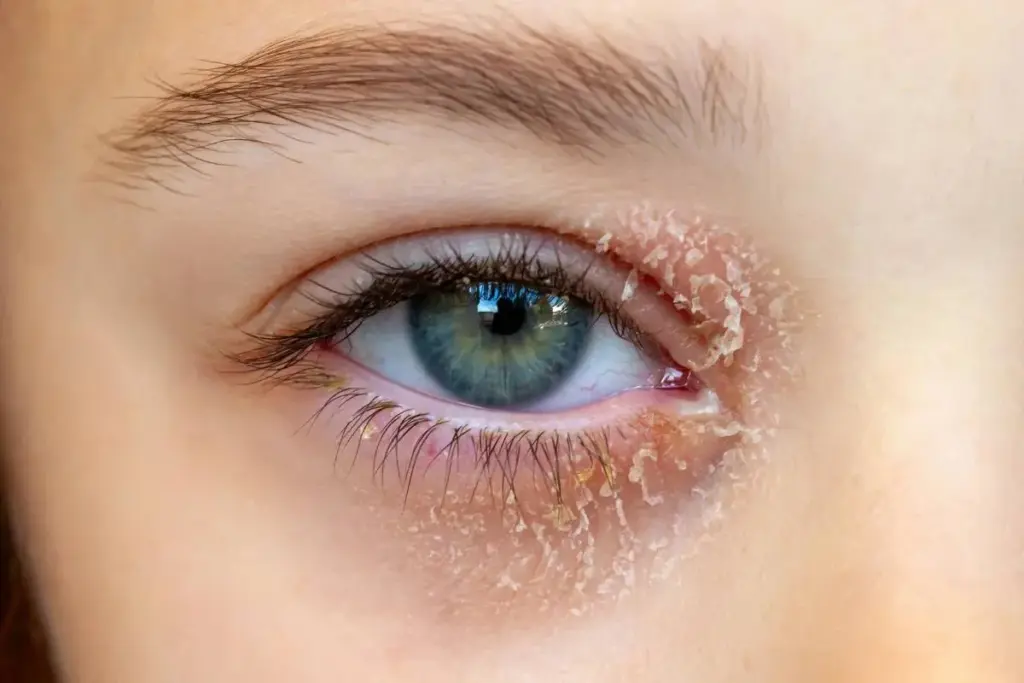
The symptoms of eczema vary from person to person. Common signs include redness, swelling, and crusting of the skin. In some cases, it can cause severe itching that disrupts daily life and sleep.
Other symptoms include dry, scaly skin. In severe cases, the skin may become thickened and leathery. Knowing these eczema development factors is key to managing the condition.
Identifying symptoms early can help prevent eczema flare-ups. By knowing the eczema triggers and taking steps to avoid them, individuals can manage their condition better. This reduces the risk of complications.
The Role of Genetics in Eczema
Eczema is a complex skin condition linked to genetic mutations. These mutations affect the skin’s barrier function. Knowing these genetic factors helps identify those at risk and develop targeted treatments.
Family History and Eczema
A family history of eczema or allergies like asthma or hay fever raises the risk of getting eczema. Studies have shown that if one parent has eczema, their child is more likely to get it. The risk goes up if both parents have eczema.
This shows a strong genetic link in eczema development. Genetics influence how the immune system reacts to the environment. This can cause inflammation and skin barrier problems seen in eczema.
Genetic Mutations Linked to Eczema
Some genetic mutations increase the risk of eczema. For example, mutations in the filaggrin gene (FLG) are a big risk factor. Filaggrin is key for the skin’s outer layer structure and function.
- Mutations in the FLG gene lead to less filaggrin, causing dry, cracked skin. This skin is more prone to irritation and infection.
- Other genes related to the immune response and skin barrier are also linked to eczema. This shows how complex eczema’s genetic roots are.
Understanding eczema’s genetic mutations helps us see its complexity. It shows the need for personalized treatments. More research on eczema’s genetic factors is key for better management strategies.
Environmental Triggers for Eczema
It’s important to know what environmental factors can trigger eczema. These triggers can differ from person to person. But, there are some common ones to watch out for.
Seasonal Changes and Weather Impact
Seasonal changes and weather can greatly affect eczema symptoms. Dry weather can dry out the skin, causing irritation. Humid weather can make the skin sweat, leading to irritation and flare-ups.
Weather Conditions: Extreme temperatures can make eczema worse. Cold weather dries out the skin, while hot weather causes sweating. Both can trigger symptoms.
Common Allergens
Allergens like dust, pollen, and pet dander can also cause eczema symptoms. These allergens are found indoors and outdoors. Keeping your environment clean and reducing exposure is key.
Reducing Exposure: Using allergen-proof bedding and vacuuming with a HEPA-filter can help. Keeping pets out of bedrooms also reduces exposure to allergens.
Staphylococcus aureus colonization is another environmental trigger for eczema. Managing this bacterial colonization through good hygiene and medical treatment can help control symptoms.
The Importance of Skin Barrier Function
The skin barrier is key to our skin health. It stops water loss and keeps out harmful things. These are big eczema development factors.
A healthy skin barrier has lipids and proteins. These work together to keep the skin strong. They help block irritants and allergens, lowering eczema risk.
Role of Lipids and Proteins in Skin Health
Lipids like ceramides, cholesterol, and fatty acids are vital. Proteins, like filaggrin, help keep the skin moist and strong. Without enough, the skin barrier weakens, raising eczema risk.
- Ceramides help fix the skin barrier.
- Cholesterol and fatty acids keep the skin’s lipid layer.
- Filaggrin is key for keeping moisture in.
How Compromised Barriers Lead to Eczema
A weak skin barrier lets in irritants and allergens. This causes inflammation and can start eczema. Eczema risk factors include genetics and environmental damage.
Knowing why the skin barrier fails is key to fighting eczema. By tackling these eczema causes, we can strengthen the skin barrier. This helps prevent eczema.
Dietary Influences on Eczema
Eczema symptoms can be greatly affected by what we eat. It’s important to know which foods can make symptoms worse. Avoiding these foods can help manage eczema.
Common Food Allergens to Watch
Some foods can make eczema symptoms worse. These include dairy, nuts, soy, eggs, wheat, and fish. Keeping a food diary can help find out which foods cause problems.
How Diet Changes Can Help
Changing what we eat can help with eczema. Elimination diets can be very helpful. Also, eating foods full of omega-3s, antioxidants, and fiber can help our skin.
|
Trigger Food |
Alternative |
|---|---|
|
Dairy |
Almond milk, soy milk |
|
Nuts |
Seeds (sunflower, pumpkin) |
|
Wheat |
Gluten-free grains (quinoa, rice) |
“Dietary interventions can play a critical role in managing eczema, alongside traditional treatments.”
A leading dermatologist
Here are some tips for managing eczema through diet:
- Keep a food diary to track symptoms
- Consider an elimination diet
- Increase intake of omega-3 rich foods
- Stay hydrated
Stress and Its Impact on Eczema
Eczema symptoms can get worse with stress. This is because stress affects our immune system and skin barrier. It’s very important for people with eczema to manage their stress.
The Link Between Stress and Skin Health
Stress can harm our skin by changing how our body fights off infections. It also weakens our skin’s defense. When we’re stressed, our body makes more cortisol and other hormones. These can cause inflammation and make eczema symptoms worse. Knowing this helps us find better ways to manage our condition.
Stress Management Techniques
Managing stress is key to controlling eczema. Activities like meditation, yoga, and deep breathing can lower stress. Also, staying healthy with regular exercise and a balanced diet helps manage eczema symptoms.
Some good ways to manage stress include:
- Meditation and mindfulness practices
- Yoga and tai chi exercises
- Deep breathing exercises
- Regular physical activity
- A balanced diet rich in fruits, vegetables, and whole grains
Understanding how stress affects eczema helps us take action. Stress management not only boosts our overall health but also reduces eczema symptoms. This improves our quality of life.
Controlling eczema triggers like stress is essential. By using stress management techniques every day, we can manage our eczema better. This reduces the chance of flare-ups.
Infections and Eczema Flare-Ups
Infections can make eczema worse, affecting people’s lives. Eczema, or atopic dermatitis, makes skin dry and itchy. Infections can make these symptoms even worse.
We will look at how infections cause eczema flare-ups. We will also talk about why this happens.
Bacterial Infections and Their Role
Bacterial infections, like those from Staphylococcus aureus, often happen with eczema. Having S. aureus can make eczema symptoms worse. People with eczema usually have more S. aureus on their skin than healthy people.
S. aureus can make the skin more open to irritation and infection. It’s important to manage bacterial infections to control eczema symptoms.
|
Bacterial Infection |
Impact on Eczema |
|---|---|
|
Staphylococcus aureus |
Increases inflammation, compromises skin barrier |
|
Other bacterial infections |
Can lead to secondary infections, worsening symptoms |
Viral Infections: Eczema Herpeticum
Viral infections, like herpes simplex virus (HSV), can cause eczema herpeticum. This is a serious condition where HSV spreads across eczema-affected skin. It can cause widespread skin lesions and serious health risks.
Eczema herpeticum needs quick medical help. Knowing the risks and spotting symptoms early can help manage it well.
Household Products as Triggers
Household products are meant to clean and freshen our homes. But, they can actually make eczema worse for some people. The ingredients in these products can irritate the skin, causing inflammation and discomfort.
Soaps and Detergents
Soaps and detergents are common household items that can trigger eczema. Harsh chemicals in these products can dry out the skin, leading to irritation. It’s best to use mild, fragrance-free cleansers made for sensitive skin.
When looking for soaps and detergents, choose products labeled as hypoallergenic or fragrance-free. These are less likely to irritate the skin.
Fragrances and Skin Sensitivity
Fragrances can also cause eczema flare-ups. Perfumes, scented lotions, and fragranced products can contain allergens that irritate the skin. Synthetic fragrances are often the worst offenders, causing significant skin sensitivity.
To avoid fragrance-induced eczema, choose products with natural fragrances or go for fragrance-free options. Always read product labels carefully and avoid products with known allergens.
By being careful with the household products we use, we can reduce eczema flare-ups. This helps promote healthier skin.
Exploring Treatment Options for Eczema
Managing eczema well needs a mix of treatments. It’s a complex condition, influenced by genes, environment, and the immune system. So, treatments are made just for each person. They consider how severe the eczema is, the person’s health history, and what triggers it.
Topical Treatments: Creams and Ointments
Topical treatments are often the first step against eczema symptoms. These include creams, ointments, and lotions for the skin. Topical corticosteroids help reduce inflammation and itching. We also suggest moisturizers to repair the skin’s barrier, making it less dry and reducing flare-ups.
Choosing between creams and ointments depends on the eczema’s severity and skin type. Ointments are more occlusive and hydrate longer, good for dry skin. Creams are less greasy and better for areas needing a lighter texture.
|
Treatment Type |
Benefits |
Common Examples |
|---|---|---|
|
Topical Corticosteroids |
Reduce inflammation and itching |
Hydrocortisone, Betamethasone |
|
Moisturizers |
Hydrate the skin, repair barrier function |
CeraVe, Eucerin |
|
Topical Immunomodulators |
Modify the immune response locally |
Pimecrolimus, Tacrolimus |
Lifestyle Changes for Managing Eczema
Along with topical treatments, lifestyle changes can help manage eczema. Identifying and avoiding triggers is key. This includes dietary changes and using fragrance-free products.
Managing stress is also important. Activities like meditation, yoga, and deep breathing can help. They can reduce stress, which may lessen eczema flare-ups.
- Avoid harsh soaps and detergents
- Wear breathable clothing
- Maintain a consistent skincare routine
- Stay hydrated
By combining lifestyle changes with the right treatments, people can manage their eczema better. This improves their quality of life.
Conclusion: Managing Eczema Triggers
Managing eczema needs a full plan. This includes knowing what triggers it, changing your lifestyle, and getting help when you need it. By finding out what causes eczema to get worse, you can take steps to lessen your symptoms. This can greatly improve your life quality.
Staying Informed About Eczema Triggers
Knowing what causes eczema is key to managing it well. It’s important to understand how genetics, the environment, and lifestyle affect eczema. Being informed helps you make better choices for your care.
Seeking Professional Help and Support
Getting professional help is vital for managing eczema. Doctors can give you specific advice, suggest treatments, and offer support. Working with healthcare experts helps you create a plan to handle your eczema triggers. This can help reduce flare-ups.
FAQ
What are the main causes of eczema?
Eczema is caused by genetics, environmental factors, and how our immune system works. Knowing these causes helps us manage and treat it better.
How does genetics contribute to the development of eczema?
Genetics are key in eczema, with family history and certain genes increasing risk. Finding these genetic links helps in creating better treatments.
What are some common environmental triggers for eczema?
Triggers include weather changes, dust, and pollen. Avoiding these can help control eczema symptoms.
How does diet influence eczema?
Some foods can make eczema worse. Common culprits are dairy, nuts, and soy. Changing your diet can help manage eczema.
Can stress trigger or worsen eczema symptoms?
Yes, stress can make eczema symptoms worse. Stress-reducing activities like meditation can help control eczema.
How do infections contribute to eczema flare-ups?
Infections like bacteria and viruses can cause eczema flare-ups. Understanding this link helps in finding effective treatments.
What role do household products play in triggering eczema?
Products like soaps and fragrances can trigger eczema. Avoiding or replacing these can help manage symptoms.
What are the available treatment options for eczema?
Treatments include creams, ointments, and lifestyle changes. These can be customized to fit individual needs.
How can I manage eczema triggers and symptoms?
Managing eczema involves avoiding triggers, changing your diet, managing stress, and using treatments. A holistic approach is best.
What are the risk factors for developing eczema?
Risk factors include genetics, family history, and environmental triggers. Knowing these helps in identifying and preventing eczema.
How can I repair and protect my skin barrier to prevent eczema?
Keeping your skin healthy is key. Use moisturizers, avoid harsh products, and manage symptoms. This helps prevent and reduce eczema.
References
National Center for Biotechnology Information. Evidence-Based Medical Insight. Retrieved from https://www.ncbi.nlm.nih.gov/books/NBK538209/