Endometriosis is a complex condition that affects millions of women worldwide. It causes chronic pain and fertility challenges. The inner mucous membrane lining of the uterus, known as the endometrium, is key in this condition. Normally, the endometrium thickens each month for a possible pregnancy. But in endometriosis, similar tissue grows outside the uterus, causing symptoms.What causes endometriosis? This essential guide reveals the surprising, vital theories and critical risk factors you need to know.
At least 11% of women worldwide have endometriosis, with over 6.5 million in the United States. Despite its commonality, the exact cause of endometriosis is unknown. Research points to several factors, including endometrial tissue shedding and abnormal growth. Knowing the causes is vital for finding effective treatments.
Key Takeaways
- Endometriosis affects at least 11% of women worldwide.
- The condition involves the growth of tissue similar to the uterus lining tissue outside the uterus.
- The exact cause of endometriosis remains unknown, but research suggests multiple contributing factors.
- Understanding the causes is vital for developing effective treatments.
- Endometriosis can cause chronic pain and fertility challenges.
The Prevalence and Impact of Endometriosis
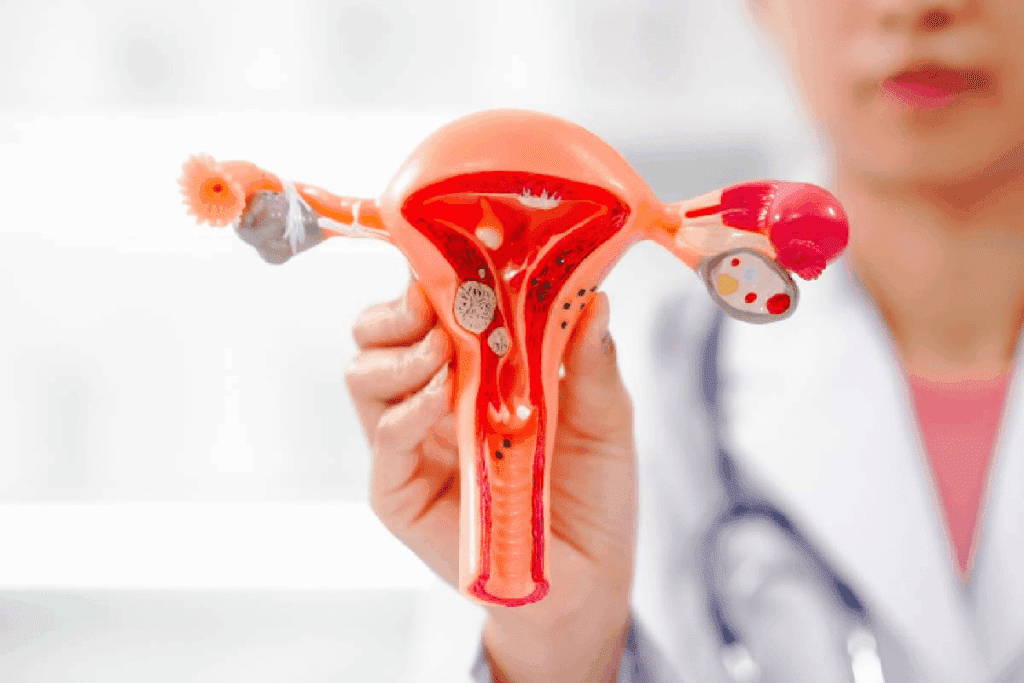
Endometriosis is a common condition that affects millions of women worldwide. It causes a lot of pain and can make life harder. The World Health Organization says about 10% of women of childbearing age have it.
We will look at how many women are affected globally and nationally. We will also talk about how delayed diagnosis can harm women’s health.
Global Statistics: Affecting 11% of Women Worldwide
Endometriosis is a big health problem worldwide. About 11% of women of childbearing age have it. It’s important to know how widespread it is to help those affected.
United States Impact: 6.5 Million Women and Counting
In the United States, about 6.5 million women have endometriosis. This makes it a big health issue. Many women suffer from chronic pain, infertility, and other symptoms that hurt their quality of life.
Region | Estimated Number of Women Affected | Prevalence (%) |
Global | 190 million | 10-11% |
United States | 6.5 million | 11% |
The Hidden Burden of Delayed Diagnosis
Many women with endometriosis are not diagnosed or are misdiagnosed. This leads to long delays in treatment. The average time from first symptoms to diagnosis is 6-10 years.
This shows we need more awareness and understanding of endometriosis. Healthcare providers and the public need to know more about it.
Endometriosis affects not just the body but also the mind and emotions. We must work to diagnose it sooner. This way, we can give women the care they need faster.
The Normal Function of the Endometrium
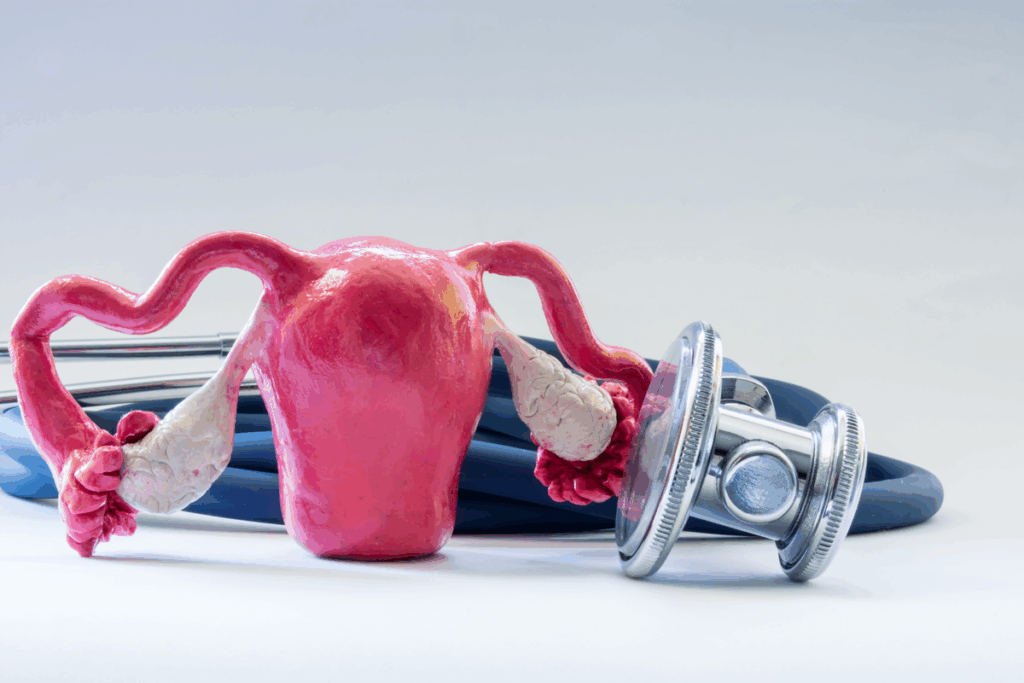
It’s important to know how the endometrium works to understand endometriosis. The endometrium is key to the female body, helping with the menstrual cycle and pregnancy.
The Inner Mucous Membrane Lining of the Uterus
The endometrium lines the uterus and gets thicker each month for pregnancy. InformedHealth.org says this thickening is due to hormone changes. If there’s no pregnancy, the endometrium sheds, causing menstrual bleeding.
The Menstrual Cycle and Endometrial Shedding
The menstrual cycle is complex, controlled by hormones. The endometrium gets thicker each month for pregnancy. If not pregnant, it sheds, a natural part of the cycle.
This shedding is called menstruation, a normal part of a woman’s life. It’s linked to hormone changes in the cycle.
Hormonal Regulation of Endometrial Growth
Hormones control the growth and shedding of the endometrium. Estrogen and progesterone are the main hormones. Estrogen grows the endometrium, and progesterone keeps it thick for pregnancy.
Knowing how hormones control the endometrium helps us understand endometriosis. In endometriosis, hormone balance is off, causing abnormal growth outside the uterus.
What Causes Endometriosis? Leading Theories
Despite a lot of research, the exact cause of endometriosis is not known. This has led to many theories trying to explain it. We will look at the main theories and what evidence supports or challenges them.
Retrograde Menstruation: The Primary Theory
Retrograde menstruation is seen as the top theory for endometriosis. It says that during menstruation, some tissue flows back into the pelvic area instead of leaving the body. This retrograde flow can plant endometrial cells outside the uterus, causing them to grow.
Research shows that this happens in many women, but not all get endometriosis. This means retrograde menstruation is needed but not enough by itself. Other things like the immune system and hormones might also be involved.
Coelomic Metaplasia Theory
The coelomic metaplasia theory says endometriosis comes from cells in the pelvic area turning into endometrial-like cells. It’s a possible reason for endometriosis, but it’s not as well-supported as retrograde menstruation.
Even so, it gives an explanation for cases where retrograde menstruation might not be the main cause.
Embryonic Cell Transformation
Another idea is that endometriosis comes from embryonic cells that can turn into endometrial tissue. These cells might start growing into endometrial lesions later in life.
This theory is backed by cases of endometriosis in young girls before they start menstruating. It shows the condition can start early.
Lymphatic and Vascular Distribution
The lymphatic and vascular distribution theory suggests endometrial cells can spread through the lymphatic or vascular systems. This could explain endometriosis in distant places like the lungs or brain.
This theory is interesting but not as common. It’s an area of ongoing research.
The Mechanism of Retrograde Menstrual Flow
The backward flow of menstrual tissue is called retrograde menstruation. It’s a main reason for endometriosis. This happens when menstrual tissue flows back through the fallopian tubes into the pelvic cavity instead of being expelled from the body.
How Menstrual Tissue Travels Through Fallopian Tubes
During retrograde menstruation, menstrual tissue moves through the fallopian tubes because of uterine contractions. These contractions push the tissue into the pelvic cavity. There, it can implant on various surfaces.
The process involves several key steps:
- Uterine Contractions: The uterus contracts, pushing menstrual tissue through the fallopian tubes.
- Tissue Displacement: Menstrual tissue is displaced into the pelvic cavity.
- Implantation: The displaced tissue can implant on various pelvic surfaces.
Implantation and Growth Outside the Uterus
Once menstrual tissue implants outside the uterus, it can grow and develop into endometrial lesions. These lesions are influenced by hormonal changes during the menstrual cycle. This leads to inflammation, scarring, and adhesions.
The growth of endometrial lesions outside the uterus is a complex process. It involves:
- Hormonal Influence: Lesions respond to hormonal changes, similar to the endometrium inside the uterus.
- Inflammation: Lesions can cause inflammation, leading to pain and scarring.
- Adhesions: The formation of adhesions can result in the binding of pelvic structures.
Common Sites of Endometrial Lesions
Endometrial lesions can occur at various sites within the pelvic cavity. Common locations include:
- Ovaries: Endometriomas, or “chocolate cysts,” can form on the ovaries.
- Fallopian Tubes: Lesions can implant on the fallopian tubes, potentially affecting fertility.
- Pelvic Peritoneum: The lining of the pelvic cavity can be a site for endometrial implants.
- Rectovaginal Septum: Lesions can occur in the tissue between the rectum and vagina.
Understanding the mechanism of retrograde menstrual flow and the common sites of endometrial lesions is key. It helps us understand how endometriosis develops and progresses.
Immune System Dysfunction in Endometriosis Development
The immune system’s role in endometriosis is becoming clearer. Studies show that immune problems play a big part in this complex condition.
Failed Clearance of Ectopic Endometrial Cells
In healthy women, the immune system gets rid of ectopic endometrial cells. But in those with endometriosis, this doesn’t happen. This lets these cells grow outside the uterus, causing lesions.
Key mechanisms involved in this process include:
- Reduced natural killer cell activity
- Impaired macrophage function
- Altered cytokine production
Inflammatory Responses and Chronic Inflammation
Endometriosis is marked by ongoing inflammation. The immune system’s reaction to ectopic tissue leads to more inflammation. This supports the growth of endometriotic lesions.
“The inflammatory microenvironment in endometriosis is thought to play a critical role in the establishment and progression of the disease.”
Source: Recent studies on endometriosis pathogenesis
A study compared immune responses in women with and without endometriosis. It found big differences in cytokine levels, as shown in the table below.
Cytokine | Women with Endometriosis | Women without Endometriosis |
IL-1β | Elevated | Normal |
TNF-α | Elevated | Normal |
IL-10 | Decreased | Normal |
Autoimmune Connections to Endometriosis
There’s a strong link between endometriosis and autoimmune diseases. Women with endometriosis are more likely to have conditions like lupus and rheumatoid arthritis. This points to a common immune problem.
Understanding the immune system’s role in endometriosis is key to finding new treatments. More research into immune issues and endometriosis could lead to better treatments.
Hormonal Imbalances Between Estrogen and Progesterone
Hormonal imbalances, mainly between estrogen and progesterone, are key in endometriosis. We’ll see how these hormones affect endometriotic tissue growth and maintenance.
Estrogen Dominance in Endometriosis
Estrogen makes endometrial tissue grow, and in endometriosis, this growth is a big issue. Estrogen dominance is common in women with endometriosis. It makes endometrial lesions grow more.
Studies show estrogen not only grows endometrial cells but also makes inflammation worse. This makes the condition even harder to deal with.
Progesterone Resistance in Endometriotic Tissue
Progesterone usually balances estrogen by helping endometrium differentiate and shed. But in endometriosis, progesterone resistance is common. The ectopic endometrial tissue doesn’t respond to progesterone well.
This resistance means estrogen can keep growing endometriotic lesions. It makes them hard to get rid of.
The Cycle of Hormonal Dysfunction
The mix of estrogen dominance and progesterone resistance creates a cycle of hormonal dysfunction. This cycle keeps endometriosis going. It’s hard to manage without fixing these hormonal issues.
Understanding this cycle is key to finding good treatments. It helps address the real causes of endometriosis.
Knowing how hormonal imbalances cause endometriosis helps us improve treatments. It also improves life quality for women with endometriosis.
Genetic and Environmental Risk Factors
Endometriosis is caused by a mix of genetics and environmental factors. We see that both family history and outside influences play a part in getting endometriosis.
Hereditary Patterns in Endometriosis
Women with a family history of endometriosis are more likely to get it. Research found genetic variants that raise the risk. These genes affect hormones and cell sticking, which can lead to endometrial lesions.
Environmental Toxins and Endocrine Disruptors
Environmental toxins and endocrine disruptors increase endometriosis risk. They mess with hormones and reproductive health. For example, dioxins and PCBs help endometrial cells grow, which can lead to endometriosis.
Lifestyle Factors That May Influence Development
Lifestyle choices, like diet and exercise, might affect endometriosis development. Eating too much processed food and not enough fruits and veggies can cause inflammation. On the other hand, staying active can lower the risk, possibly because it fights inflammation.
Knowing these risk factors helps us find better ways to prevent and treat endometriosis. By tackling genetics and environment, we can help women with this condition.
The Role of Oxidative Stress and Stem Cells
Oxidative stress and stem cells are key in understanding endometriosis. Recent studies show they play big roles in the disease’s development and growth.
Free Radical Damage in Endometriosis Progression
Oxidative stress happens when free radicals outdo the body’s defenses. In endometriosis, it damages cells, helping ectopic endometrial cells grow. This leads to more lesions.
Free radicals do several things in endometriosis:
- They increase in the peritoneal fluid of women with endometriosis.
- They start inflammation and cell survival pathways.
- They can damage DNA, proteins, and lipids in endometrial cells, helping them implant and grow outside the uterus.
Stem Cell Involvement in Lesion Development
Stem cells, like endometrial stem cells, are involved in endometriosis. They help lesions develop in several ways:
- They turn into endometrial-like cells that can implant in wrong places.
- They help create new blood vessels for lesion growth.
- They change the immune response to help lesions grow.
Emerging Research on Cellular Mechanisms
Research is now focused on the complex ways oxidative stress and stem cells affect endometriosis. Studies are looking into:
- How oxidative stress and stem cells work together to grow lesions.
- Potential ways to stop oxidative stress and stem cell effects.
- How environment affects oxidative stress and stem cells in endometriosis.
Knowing these mechanisms is key to finding new treatments for endometriosis. By focusing on oxidative stress and stem cells, researchers aim to better help women with this condition.
Fertility Issues and Chronic Pain: Major Consequences
Endometriosis has many effects, including fertility problems and chronic pain. It greatly affects women’s lives, impacting their physical and emotional health.
Understanding the 35-50% Fertility Challenge Rate
Endometriosis leads to fertility issues for about 35-50% of women. This shows how much it affects reproductive health.
Scientists are studying why endometriosis makes it hard to get pregnant. Several factors are thought to be involved.
Mechanisms Behind Endometriosis-Related Infertility
The ways endometriosis affects fertility are complex. Inflammation, adhesions, and hormonal disturbances are believed to play a role.
- Inflammation: Chronic inflammation in the pelvic area may harm egg and sperm quality.
- Adhesions: Scar tissue from endometriosis can distort the pelvic area, making it hard for eggs to be picked up or fertilized.
- Hormonal disturbances: Endometriosis can cause hormonal imbalances that may disrupt ovulation or embryo implantation.
Chronic Pelvic Pain: Causes and Impact
Chronic pelvic pain is a big problem for those with endometriosis. It affects daily life and mental health. The pain can be debilitating and linked to menstrual periods, sex, or everyday tasks.
The causes of chronic pelvic pain in endometriosis include inflammatory processes, nerve irritation, and hormonal influences.
The Psychological Burden of Endometriosis Symptoms
Endometriosis can deeply affect a person’s mental health. Symptoms often lead to anxiety, depression, and feelings of isolation. The long-term nature of the condition, along with fertility and pain issues, adds to the burden.
It’s important to have support from healthcare providers, family, and support groups. They help women deal with the mental side of endometriosis.
Conclusion: The Future of Endometriosis Research and Treatment
Understanding endometriosis is key to finding better treatments. While we don’t know the exact cause, research has found important clues. It seems that menstruation going the wrong way, immune issues, and hormone imbalances are big factors.
As we learn more about endometriosis, we see that treating it needs a mix of approaches. We must look at genetics, environment, and lifestyle. This way, we can make treatments that work better for each person.
The future of endometriosis research is bright. Studies are looking into new ways to treat it. As we learn more, we’ll see better results for those with endometriosis.
FAQ
What is endometriosis?
Endometriosis is a condition where tissue like the uterus lining grows outside the uterus. This causes pain and discomfort.
What causes endometriosis?
The exact cause of endometriosis is not known. But theories include retrograde menstruation and other factors.
What is the normal function of the endometrium?
The endometrium is key in the menstrual cycle and pregnancy. It lines the uterus and sheds during menstruation.
How does hormonal regulation affect endometrial growth?
Hormones control the growth and shedding of the endometrium. Estrogen grows it, and progesterone prepares it for pregnancy.
What is retrograde menstruation?
Retrograde menstruation is when menstrual tissue goes through the fallopian tubes. It can implant and grow outside the uterus, leading to endometriosis.
How does immune system dysfunction contribute to endometriosis?
A faulty immune system is key in endometriosis. It fails to clear ectopic endometrial cells, causing chronic inflammation.
What is the role of estrogen dominance in endometriosis?
High estrogen levels help endometriotic tissue grow. This is thought to contribute to the disease.
Are there genetic risk factors for endometriosis?
Yes, endometriosis can run in families. Women with a family history are more likely to get it.
How do environmental toxins affect endometriosis?
Toxins and endocrine disruptors may increase endometriosis risk. They can mess with hormones and immune function.
What are the consequences of endometriosis?
Endometriosis can lead to fertility issues, chronic pain, and emotional strain. It affects women’s health greatly.
What is the prevalence of endometriosis worldwide?
About 11% of women worldwide have endometriosis. It’s a big health issue globally.
Why does endometriosis cause infertility?
Infertility in endometriosis comes from inflammation, adhesions, and hormonal imbalances. These can disrupt ovulation and fertilization.
What is the role of oxidative stress in endometriosis?
Oxidative stress, or free radical damage, may worsen endometriosis. It can cause inflammation and tissue damage.
How do stem cells contribute to endometriosis?
Stem cells may help form endometriotic lesions. They can turn into endometrial-like tissue.
References
National Center for Biotechnology Information. Endometriosis Signs: Recognizing Symptoms in Reproductive-Age Women. Retrieved from https://www.ncbi.nlm.nih.gov/pmc/articles/PMC1475846/