
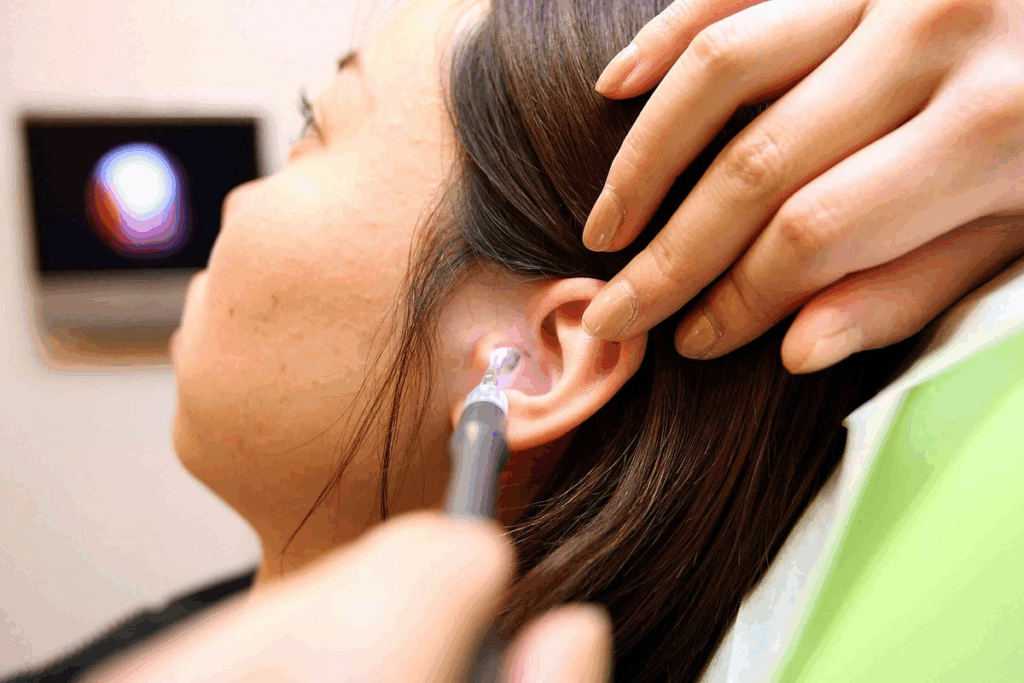
What causes fluid in the ear to leak out? Learn about common causes like infection, a ruptured eardrum, and swimmer’s ear.
Seeing fluid leaking from your ear can be scary. But knowing why it happens can help you get the right treatment. Otorrhea, the medical term, affects people of all ages.
Ear fluid can be clear, cloudy, pus-filled, or even bloody. At Liv Hospital, we take this seriously. We use the latest care and methods to help you.
We’ll look at the usual causes of otorrhea and how to fix it. Our aim is to give you the info you need to handle this health issue with confidence.
Key Takeaways
- Fluid leaking from the ear is a common condition known as otorrhea.
- Otorrhea can manifest as clear, cloudy, pus-filled, or bloody discharge.
- Understanding the causes is key to finding the right treatment.
- Liv Hospital offers advanced care and support for managing otorrhea.
- Getting medical help quickly can greatly improve your chances of recovery.
The Nature of Ear Fluid Discharge
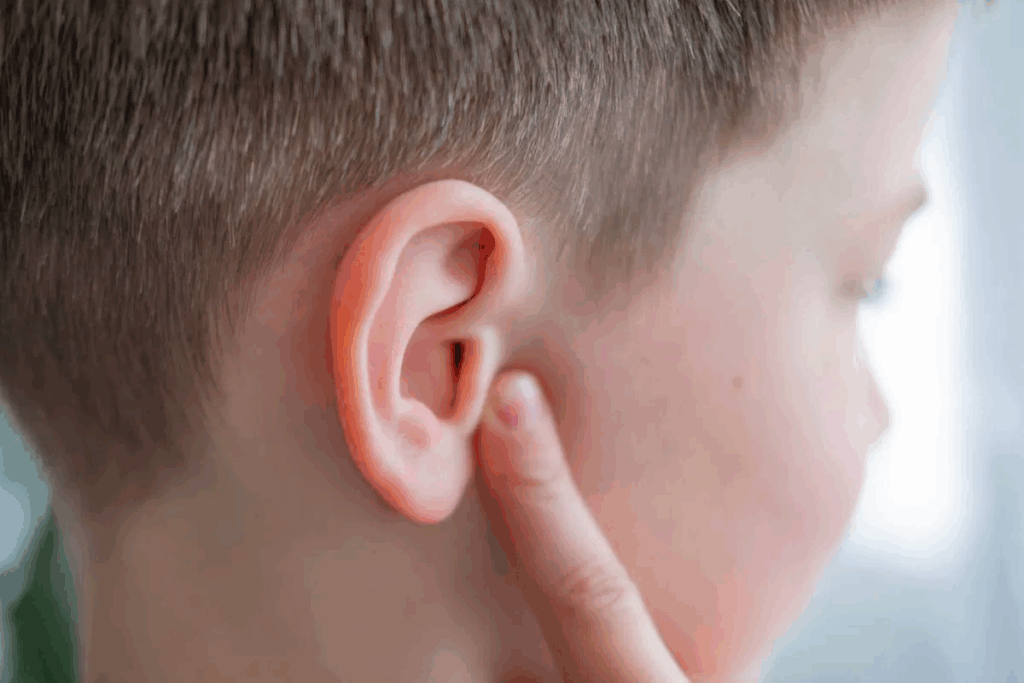
Ear fluid discharge can be a worrying sign. But knowing what it means is important. It often shows irritation, infection, or damage in the ear’s delicate parts.
Normal vs. Abnormal Ear Discharge
Not all ear discharge is a problem. Normal ear discharge happens when the ear cleans itself by pushing out earwax. But abnormal discharge is different. It might be colored, thick, or smell bad.
- Clear or yellowish discharge might mean an infection or allergy.
- Bloody discharge could mean a burst eardrum or injury.
- Thick, greenish discharge often means a bacterial infection.
Anatomy of the Ear and Fluid Production
The ear is made up of many parts, like the outer ear and the inner ear. Fluid in the ear helps keep it healthy. It lubricates the ear canal and middle ear. The Eustachian tube helps with air pressure and draining mucus.
When Ear Drainage Signals a Problem
Some ear discharge is normal, but other signs are not. For example:
- Persistent or recurring discharge.
- Discharge with pain, fever, or hearing loss.
- Unusual colors or smells.
Knowing these signs is key to getting the right medical help. We’ll explore the causes and effects of different ear discharge types next.
Types of Ear Fluid: What Different Colors and Textures Mean

The color and texture of fluid from the ear can tell us a lot about our health. Different types of ear fluid can mean different things. This information helps us understand what’s going on inside our ears.
Clear Liquid Ear Discharge: Causes and Significance
Clear fluid from the ear might mean a ruptured eardrum or a CSF leak. CSF leaks are rare but can happen from head trauma or surgery. If you see clear fluid, you should see a doctor right away.
Yellow or White Fluid from Ear: Infection Indicators
Yellow or white discharge usually means you have an ear infection. This fluid is pus, showing your body is fighting an infection. Ear infections can hurt and might need antibiotics.
Green Liquid in Ear: Signs of Severe Infection
Green discharge is a sign of a serious infection. It might be from Pseudomonas aeruginosa, a harmful bacteria. You need to see a doctor quickly to avoid more problems.
Blood-Tinged Discharge: When to Worry
Blood in ear discharge can mean a ruptured eardrum or trauma. It’s scary, but not always serious. Yet, it’s important to see a doctor to figure out what’s wrong and how to fix it.
Here’s a quick guide to help you understand ear fluid discharge:
Discharge Color/Texture | Potential Cause | Severity |
Clear Liquid | Ruptured eardrum, CSF leak | Moderate to Severe |
Yellow/White | Ear infection | Mild to Moderate |
Green | Severe infection (Pseudomonas aeruginosa) | Severe |
Blood-Tinged | Ruptured eardrum, trauma | Mild to Severe |
Middle Ear Infections: Primary Cause of Ear Fluid Drainage
Middle ear infections are a key reason for ear fluid drainage. These infections, also known as otitis media, happen when bacteria or viruses infect the space behind the eardrum. This usually follows a cold or upper respiratory infection.
Development of Acute Otitis Media
Acute otitis media occurs when the Eustachian tube gets blocked or doesn’t work right. This tube helps regulate air pressure in the ear. When it’s blocked, fluid builds up in the middle ear, creating a perfect spot for germs to grow.
Many things can cause the Eustachian tube to malfunction. Allergies, colds, and certain body shapes are some examples. If the tube can’t ventilate the middle ear properly, an infection can happen.
Causes | Effects |
Eustachian Tube Dysfunction | Fluid Accumulation |
Bacterial or Viral Infection | Acute Otitis Media |
Connection Between Ear Infections and Draining Fluid
Ear infections and fluid drainage are linked because of how our bodies react to infection. When the middle ear gets infected, it may produce fluid as a defense against the germs.
“The presence of fluid in the middle ear is a hallmark of otitis media, and its drainage can be a sign of the infection’s severity or the body’s attempt to clear the infection.”
In some cases, the fluid may leak out of the ear. This can happen through the Eustachian tube or, in severe cases, through a hole in the eardrum.
Symptoms Accompanying Infected Ear Leaking Fluid
Symptoms of an infected ear leaking fluid can vary. They often include ear pain, fever, and hearing loss. The fluid’s color can be clear, yellow, or even bloody, depending on the infection.
- Ear pain or discomfort
- Fever
- Hearing loss or muffled hearing
- Fluid drainage from the ear
Normal Healing Process After Ear Infection
After an ear infection, the body starts to heal by getting rid of the infection and reducing fluid. Sometimes, fluid may stay in the ear even after the infection is gone.
Supporting the healing process is important. This can include antibiotics for bacterial infections. It’s also key to have a healthcare provider monitor the situation to ensure the infection is fully cleared and to handle any complications.
Ruptured Eardrum and Resulting Discharge
A ruptured eardrum, or eardrum perforation, can cause fluid to leak from the ear. This happens when the thin tissue between the ear canal and middle ear gets torn or has a hole.
Common Causes of Eardrum Perforation
Eardrum perforation can be caused by several things. These include middle ear infections, sudden pressure changes, loud sounds, injuries, or putting objects in the ear. Middle ear infections are a big reason, as they can build up fluid and pressure that might tear the eardrum.
Recognizing a Perforated Eardrum
Symptoms of a perforated eardrum include ear pain, fluid leaking, hearing loss, and sometimes tinnitus or feeling full in the ear. The fluid’s color and consistency can change based on the cause.
Ear Pain and Fluid Coming Out: The Rupture Relief
At times, a ruptured eardrum can ease pain from pressure buildup. But this relief is short-lived. It’s important to see a doctor to avoid infection and help the eardrum heal.
Healing Timeline and Expectations
The time it takes for a perforated eardrum to heal can differ. Sometimes, it heals in a few weeks without help. But if the tear is big or doesn’t heal, surgery might be needed. Always follow up with a healthcare provider to check on healing and handle any issues.
What Causes Fluid in the Ear: A Detailed Look
It’s important to know why fluid builds up in the ear. This helps in finding the right treatment. Fluid in the ear can come from many sources, making it a complex problem.
Bacterial vs. Viral Causes
Ear infections are a main reason for fluid in the ear. Both bacterial and viral infections can cause this. Bacterial infections are usually more serious and need antibiotics. Viral infections are more common and often get better by themselves.
It’s key to tell the difference between bacterial and viral infections. We’ll look at how each affects treatment.
Cause | Characteristics | Typical Treatment |
Bacterial Infection | Severe infection, often with pus | Antibiotics |
Viral Infection | Milder, often resolving on its own | Supportive care, antiviral medication in some cases |
Allergies and Eustachian Tube Dysfunction
Allergies can cause problems with the Eustachian tube, leading to fluid in the ear. The Eustachian tube helps control ear pressure. If it doesn’t work right, fluid can build up.
We’ll talk about how allergies affect the Eustachian tube and ear health.
Barotrauma and Pressure-Related Fluid
Barotrauma, or pressure injury, can also cause fluid in the ear. This usually happens during air travel or deep-sea diving.
It’s important to understand barotrauma and its effects on the ear. This helps in preventing and treating it.
Chronic Conditions Leading to Persistent Ear Fluid
Some chronic conditions can cause fluid in the ear that doesn’t go away. These include chronic otitis media and Eustachian tube dysfunction.
We’ll look at these conditions and how to manage them. This helps prevent long-term ear fluid problems.
Swimmer’s Ear: When the Outer Ear Canal Leaks Fluid
Otitis externa, or swimmer’s ear, is an infection of the outer ear canal. It causes fluid to leak from the ear. This condition often happens when the ear is exposed to water, like when swimming. But it can also be caused by other irritants or infections.
Causes and Development of Otitis Externa
Swimmer’s ear occurs when the outer ear canal gets irritated or infected. This is often due to water, bacteria, or fungi. The ear’s natural defenses can fail when it’s too wet, creating a perfect spot for germs to grow. Swimming in dirty water, using earbuds, or getting an ear injury can increase the risk.
Other conditions like eczema or allergies can also make the ear canal more prone to irritation or infection. This can lead to otitis externa.
Identifying Swimmer’s Ear vs. Other Ear Conditions
To spot swimmer’s ear, look for symptoms like itching, redness, swelling, and fluid leakage. It’s important to tell swimmer’s ear apart from other ear problems, like middle ear infections, which need different treatments. A doctor can diagnose swimmer’s ear by examining the ear and sometimes running tests.
“Accurate diagnosis is key to effective treatment. A healthcare provider can assess the condition and recommend appropriate care.”
Risk Factors and Prevention Strategies
Several factors can raise the risk of getting swimmer’s ear. These include swimming in dirty water, having a narrow ear canal, or using earbuds. To prevent it, dry your ears well after swimming, avoid earbuds, and use ear drops to dry the canal.
- Dry your ears after swimming or bathing.
- Avoid inserting objects into your ear canal.
- Use ear protection when swimming.
Treatment Approaches for Outer Ear Infections
Treating swimmer’s ear involves getting rid of the infection and easing symptoms. This might include antibiotic or antifungal ear drops, pain relief, and drying the ear canal. In serious cases, doctors might prescribe oral antibiotics. It’s vital to follow the treatment plan to clear the infection and prevent it from coming back.
Knowing why fluid leaks from the ear due to swimmer’s ear is key to managing it. By recognizing symptoms, understanding risks, and using prevention strategies, you can lower your chance of getting this condition.
Earwax Issues: From Buildup to Drainage
It’s important to know about earwax and its role in our ears. Earwax, or cerumen, is a natural substance that protects, lubricates, and fights off bacteria. It’s made by glands in the ear canal.
Understanding Normal Earwax Production
Earwax helps keep our ears healthy. It traps dust, bacteria, and other small particles, protecting the eardrum and inner ear. Earwax is made of dead skin cells, hair, and ceruminous gland secretions. Usually, it comes out naturally, but sometimes it builds up.
When Gunk in Ears Becomes Problematic
Too much earwax can block the ear canal. This can cause hearing loss, discomfort, or itchiness. Using cotton swabs or other objects to clean ears can push wax deeper. People with narrow ear canals or who produce a lot of wax are more likely to have problems.
Ear with White Stuff: Impacted Cerumen
Impacted cerumen is when earwax gets stuck in the ear canal, looking white or off-white. It can happen from too much wax or using the wrong cleaning tools. It can cause discomfort, hearing loss, and in severe cases, tinnitus or ear fullness.
Safe Removal Methods for Excess Earwax
To safely remove excess earwax, avoid using cotton swabs or sharp objects. Instead, try irrigation with warm water or ear drops to soften the wax. Sometimes, a healthcare provider or audiologist is needed to safely remove stuck wax.
By knowing why earwax issues happen and using safe removal methods, we can avoid problems. This helps keep our ears healthy.
Serious Conditions Causing Ear Fluid Leakage
Fluid leaking from the ear can be a sign of serious health issues. It’s not always due to common infections or Eustachian tube problems. Sometimes, it points to more severe conditions that need quick treatment.
Cerebrospinal Fluid Leaks: A Medical Emergency
A cerebrospinal fluid (CSF) leak is a serious issue that needs immediate care. It happens when the dura mater around the brain and spinal cord is damaged. This allows the fluid to leak out through the ear or nose.
Causes include head injuries, surgery problems, or birth defects. Symptoms include clear or watery discharge, headaches, and a metallic taste. If you think you have a CSF leak, see a doctor right away to avoid meningitis.
Cholesteatoma: Causes, Symptoms, and Treatment
Cholesteatoma is a skin cyst in the middle ear. It can damage bone and tissue, leading to hearing loss, dizziness, and facial paralysis. It often comes from repeated ear infections or Eustachian tube issues.
To treat it, doctors usually remove the cyst surgically. This helps prevent further damage and manage symptoms.
Mastoiditis and Other Complications
Mastoiditis is an infection of the mastoid bone in the skull. It often comes from untreated or poorly treated middle ear infections. Symptoms include pain, swelling, fever, and discharge.
Other complications include labyrinthitis, which affects the inner ear and can cause vertigo and hearing loss. Facial nerve paralysis is another possible complication.
When Right Ear Fluid or Left Ear Fluid Indicates Asymmetrical Problems
Fluid leaking from one ear differently than the other can mean localized issues. This could be a problem with the Eustachian tube or a specific infection in one ear.
Seeing a healthcare provider is key to figuring out why one ear leaks more than the other. The treatment will depend on the cause.
Condition | Symptoms | Treatment |
Cerebrospinal Fluid Leak | Clear or watery discharge, headache, metallic taste | Urgent medical attention, possible surgery |
Cholesteatoma | Hearing loss, dizziness, facial paralysis | Surgical removal |
Mastoiditis | Pain, swelling behind the ear, fever, discharge | Antibiotics, possible surgical drainage |
Diagnosis and Treatment of Ear with Fluid
Ear fluid issues need a detailed approach for diagnosis and treatment. It’s key to know the causes and the right steps to take when faced with ear fluid.
When to See a Healthcare Provider
If you have ongoing or severe ear fluid, you should see a doctor. Early evaluation can prevent complications such as chronic infection, hearing damage, or infection spread.
- Persistent ear fluid drainage
- Severe ear pain
- Fever accompanying ear fluid
- Blood or pus in the ear discharge
- Hearing loss or tinnitus
Diagnostic Approaches and Tests
Diagnosing ear fluid involves a detailed check-up by a healthcare provider. Diagnostic tests may include:
- Otoscopy to examine the ear canal and eardrum
- Tympanometry to assess eardrum mobility
- Hearing tests to evaluate hearing loss
- Imaging studies like CT or MRI scans in some cases
Medical Treatments for Different Types of Ear Discharge
Treatment varies based on the cause of ear fluid. Common treatments include:
- Antibiotics for bacterial infections
- Antifungal medications for fungal infections
- Ear drops to reduce inflammation or fight infection
- Surgical intervention in cases of eardrum perforation or cholesteatoma
Home Care and Remedies for Ear Drainage
Along with medical treatment, home care can help manage ear fluid. These include:
- Keeping the ear clean and dry
- Avoiding inserting objects into the ear canal
- Using ear drops as directed by your healthcare provider
- Applying a warm compress to relieve pain
Understanding ear fluid causes and treatments is the first step to managing and preventing future issues.
Conclusion: Managing Ear Fluid and Preventing Recurrence
Managing ear fluid leakage is key to avoiding it from happening again. We’ve talked about why it happens, like infections or earwax problems. Knowing the signs helps you get the right help.
Understanding ear fluid types is the first step to caring for your ears. Being aware and acting fast can stop bigger problems. We’ve shown how important it is to get full care, from finding out what’s wrong to fixing it.
To keep your ears healthy, you need to take care of them yourself and see a doctor when needed. Stay alert to your ear health. This way, you can cut down on ear fluid issues and feel better overall.
FAQ
What is ear fluid discharge, and is it normal?
Ear fluid discharge, or otorrhea, can be normal or a sign of a problem. We explain the difference in our article.
What does clear liquid ear discharge indicate?
Clear discharge might mean a ruptured eardrum or Eustachian tube issues. We look at possible causes and when to see a doctor.
Why is there yellow or white fluid coming out of my ear?
Yellow or white fluid often means an infection like acute otitis media or otitis externa. We talk about the causes and symptoms.
What does green liquid in the ear mean?
Green liquid might signal a severe bacterial infection. We discuss the causes and when to get medical help.
Is blood-tinged discharge from the ear a cause for concern?
Blood-tinged discharge could mean a ruptured eardrum or trauma. We explain when to worry and seek medical help.
How is ear fluid discharge diagnosed?
A healthcare provider will examine your ear and take your medical history. They might also do tests. We cover the diagnostic steps and tests.
What are the treatment options for ear fluid discharge?
Treatment depends on the cause and can include medical treatments, home care, or remedies. We discuss the various treatment options.
Can earwax issues cause fluid leakage from the ear?
Yes, impacted cerumen can lead to fluid leakage. We talk about the effects of earwax buildup and safe removal.
When should I see a healthcare provider for ear fluid discharge?
See a healthcare provider for persistent or severe discharge, pain, or fever. We explain when to seek medical attention.
How can I prevent ear fluid discharge?
Preventing discharge involves managing conditions, practicing good ear hygiene, and avoiding risks. We share prevention tips.
References
National Center for Biotechnology Information. (2025). Why Is Fluid Leaking From My Ear Common. Retrieved from https://www.ncbi.nlm.nih.gov/books/NBK538293/[5



 Departments
 Related Videos
 Our Doctors
 News
News