
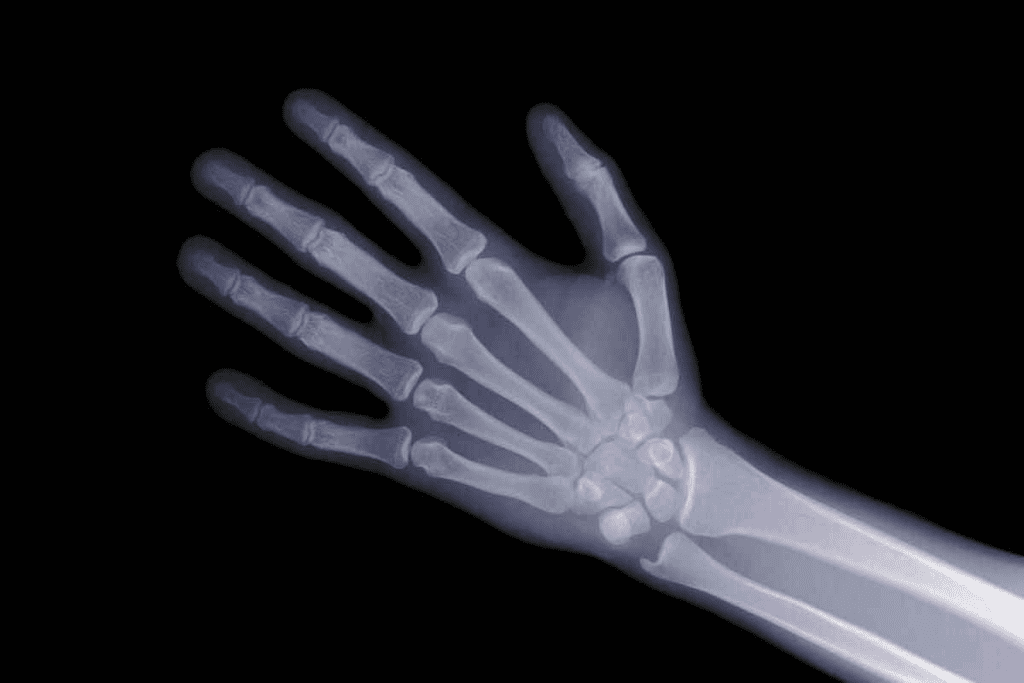
Understanding a bone scan can be tricky, but it’s key for diagnosing bone issues. A bone scan finds areas with increased radiopharmaceutical uptake. This means the bone is turning over more, using technetium-99m tracers. Understanding what causesincreased uptake on bone scan helps identify conditions such as fractures, infections, tumors, or inflammation.
At Liv Hospital, we use bone scans to find the cause of bone pain, spot fractures, or track bone diseases. Knowing what a bone scan shows helps patients understand their health better. This way, they can make informed decisions about their treatment.
Key Takeaways
- A bone scan is a diagnostic tool that detects areas of increased bone activity.
- It helps in identifying the source of unexplained skeletal pain and fractures.
- Understanding bone scan results is key for diagnosing bone-related conditions.
- Liv Hospital’s team provides clear explanations to help patients understand their scan results.
- Bone scans are vital for monitoring the progression of bone diseases.
Bone Scan Fundamentals: Detection of Metabolic Activity
Bone scan technology detects metabolic activity using special tracers. It helps diagnose and monitor bone-related conditions by looking at bone activity.
How Technetium-99m Tracers Identify Bone Turnover
A bone scan uses a small amount of radioactive material, like technetium-99m tracers. These tracers attach to bone tissues, showing where bone is growing or repairing.
This attachment lets us see bone metabolism. It shows areas of abnormal bone activity. The more tracer uptake, the more bone turnover there is.
Three-Phase Bone Scan Methodology
A three-phase bone scan takes images at different times after the tracer is injected. The phases are: vascular, soft tissue, and delayed.
Each phase gives unique insights into the bone and tissues. The delayed phase is key for seeing bone metabolism over time.
Normal vs. Abnormal Radiopharmaceutical Distribution
The way the radiopharmaceutical spreads in the bone is key to understanding bone scan results. Normal distribution shows symmetrical uptake in the skeleton. Some areas, like growth plates in kids, have more uptake due to growth.
Abnormal distribution shows focal or diffuse areas of increased or decreased uptake. This can mean different conditions like fractures, tumors, or infections. Diffuse uptake might show metabolic bone disease or widespread metastatic disease.
What Causes Increased Uptake on Bone Scan: The Basic Mechanism
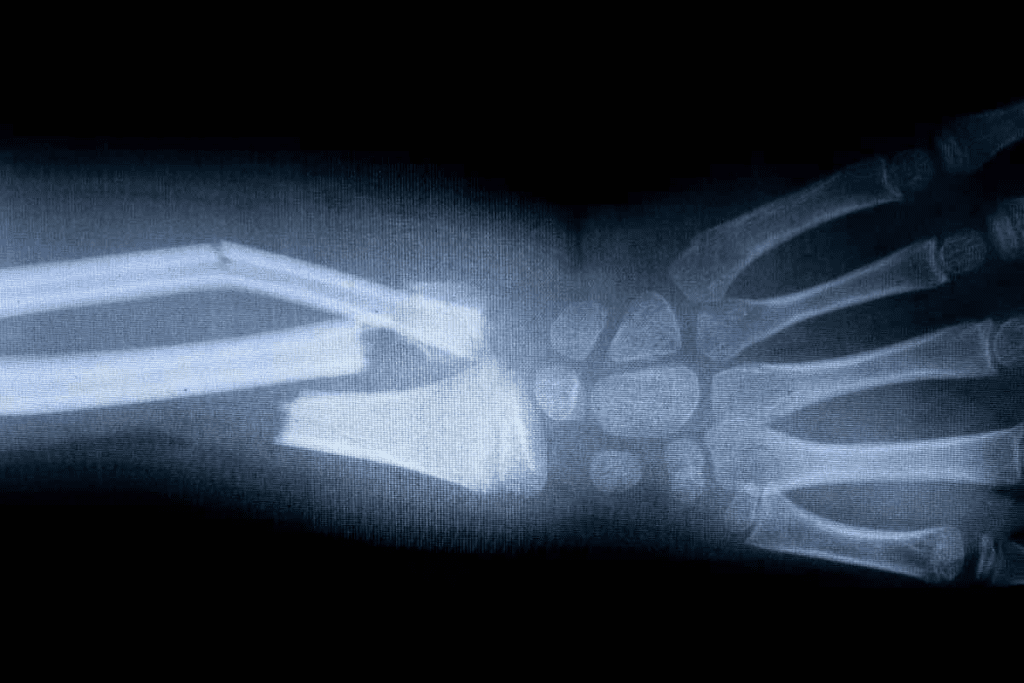
The body’s natural bone remodeling process is behind increased uptake on bone scans. This process involves bone-resorbing osteoclasts and bone-forming osteoblasts working together. It’s key for keeping bones healthy and managing calcium levels.
Bone Remodeling and Tracer Accumulation
Bone scans use technetium-99m labeled diphosphonates to show bone activity. The more bone turnover, the more tracer is used. This means conditions like fractures, infections, or tumors show up on scans.
Fractures and infections show up sooner on scans than degeneration. This shows how bone remodeling rates differ between these conditions. It’s important for understanding scan results.
Differentiating Between Focal and Diffuse Uptake Patterns
Increased uptake can be focal or diffuse. Focal uptake points to specific issues like fractures or tumors. Diffuse uptake suggests systemic problems like metabolic bone diseases.
| Uptake Pattern | Common Causes | Characteristics |
| Focal | Fractures, Tumors | Localized, intense uptake |
| Diffuse | Metabolic bone diseases, Systemic conditions | Widespread, less intense uptake |
Mild Uptake Bone Scan Meaning: Low-Grade Processes
Mild uptake might mean low-grade issues like degeneration or mild infections. It’s important to match scan results with symptoms and other tests for accurate diagnosis.
In conclusion, knowing how bone scans work is key for correct interpretation. By understanding bone remodeling and tracer use, we can diagnose and treat bone-related problems better.
Cause #1: Fractures and Traumatic Bone Injuries
Bone scans are great for finding fractures and bone injuries. They show where the bone is not working right. This helps doctors plan the best treatment.
Acute vs. Healing Fractures on Bone Scan
Fractures show up on bone scans because of the bone’s repair work. New fractures have a lot of activity. Healing fractures show less activity as they mend.
It’s important to tell if a fracture is new or healing. Acute fractures need quick treatment and pain relief. Healing fractures need careful watching and maybe rehab to heal right.
Stress Fractures and Microfractures Detection
Stress fractures and microfractures are hard to spot on regular X-rays. But bone scans can find them because they show where the bone is stressed or broken.
On X-rays, stress fractures might look a bit fuzzy. But bone scans show the bone’s activity around these injuries. Finding them early helps avoid bigger problems.
Timeline of Uptake Following Bone Trauma
How fast a bone scan shows activity after an injury depends on the injury. Usually, activity goes up in 24-48 hours, peaks in 2-4 weeks, and then goes down as the bone fixes itself.
| Time Frame | Uptake Pattern | Clinical Significance |
| 0-48 hours | Increased uptake | Initial response to injury |
| 2-4 weeks | Peak uptake | Active bone repair |
| 4-6 months | Gradual decrease in uptake | Bone healing and remodeling |
Knowing this timeline helps doctors understand bone scans better. It helps match the scan results with what the patient is feeling and going through.
Cause #2: Bone Infections and Inflammatory Processes
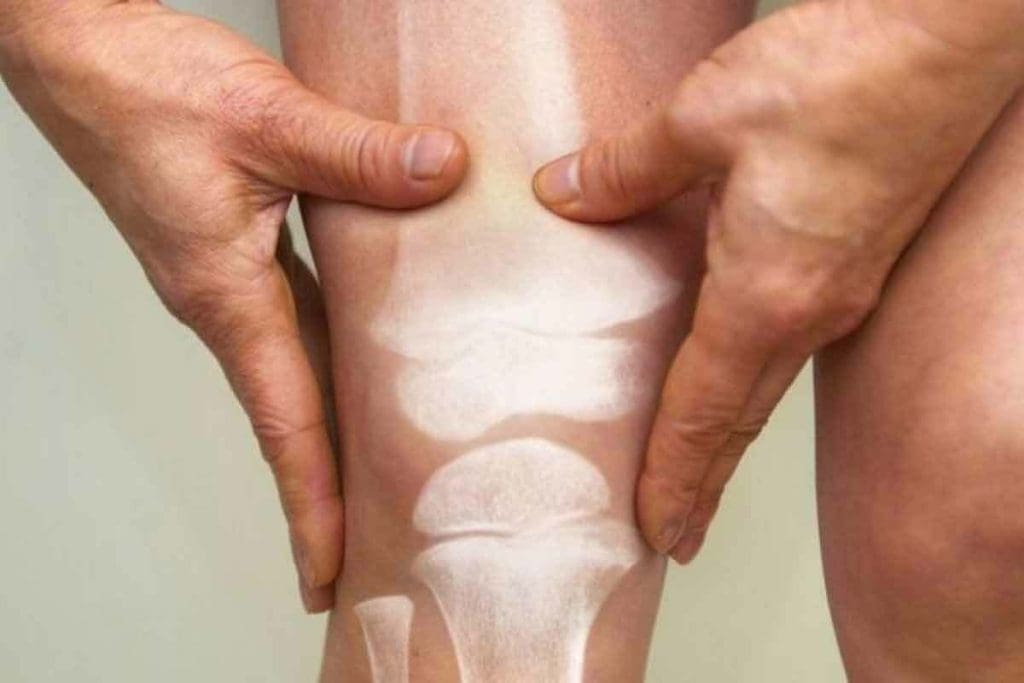
We look at how bone scans help find bone infections and inflammation. These scans spot areas where the bone is more active than usual. This can mean there’s an infection or inflammation.
Osteomyelitis Patterns and 3-Phase Bone Scan Interpretation
Osteomyelitis, a bone infection, is diagnosed with a 3-phase bone scan. This scan uses a special tracer that shows where the bone is most active. The scan has three parts, each showing different things about the bone.
The first part checks blood flow to the area. The second part looks at how the tracer spreads in soft tissues. The third part, done 2-3 hours later, shows how the bone takes up the tracer.
Inflammatory Arthropathies and Soft Tissue Involvement
Inflammatory diseases like rheumatoid arthritis can also show up on bone scans. These diseases cause inflammation in the soft tissues around joints. This leads to bone reactions.
A 3-phase bone scan can tell the difference between these diseases and other joint pain. It shows how much soft tissue and bone are involved.
Using Phase 3 Bone Scan to Differentiate Infection from Other Causes
The third phase of the bone scan is key in telling infection from other causes. In osteomyelitis, this phase shows strong uptake in the infected bone. This means there’s an active infection.
By looking at the uptake in all three phases, doctors can figure out what’s causing the activity. This helps them make accurate diagnoses and plan the best treatment.
Cause #3: Primary and Metastatic Bone Malignancies
It’s key to know how primary and metastatic bone malignancies show up on bone scans. These scans help doctors find and treat bone-related issues, like cancers.
Characteristics of Malignant Uptake Patterns
Bone scans show different patterns for cancer, based on the cancer type and stage. Cancers usually show up bright and focused because they grow fast. For example, a study found that Giant Cell Tumor of Bone (GCTB) had a higher SUVmax than other non-cancerous bone issues like osteoblastoma andLangerhans cell histiocytosis (LCH) . This helps doctors tell cancer apart from non-cancerous conditions, but it’s not always clear.
Does Uptake on a Bone Scan Mean Cancer? Understanding Specificity Limitations
Seeing more activity on a bone scan might mean cancer, but it’s not always cancer. Other non-cancerous issues like fractures, infections, and wear and tear can also show up. So, doctors need to look at the whole picture and use other tests too. It’s important to know the limits of bone scans to make sure we’re not making mistakes.
Metastatic Disease Distribution and Appearance
Metastatic bone disease shows up as many spots of high activity on bone scans, mostly in the spine and pelvis. The look and spread can change based on the original cancer. For instance, prostate cancer spreads in a way that shows up as hard, bright spots, while breast cancer can look different. Knowing these patterns helps doctors spot and treat metastatic bone disease.
Cause #4: Degenerative Changes and Arthritic Conditions
Bone scans often show more activity in areas with degenerative joint diseases and arthritis. As we get older, these changes become more common. It’s important to understand how they affect bone scan results.
Degenerative Uptake Meaning: Arthritis and Age-Related Changes
Degenerative uptake on a bone scan means more activity in areas with joint diseases like osteoarthritis. This is common in older adults due to age-related changes in the joints. The body tries to repair and remodel these areas, leading to more bone activity.
Degenerative changes can make it hard to tell if the uptake is from disease or cancer. But, the pattern and where the uptake is can give us clues.
Typical Distribution Patterns in Osteoarthritis
Osteoarthritis mainly affects joints that bear weight and those with past injuries or abnormal movement. On a bone scan, it shows a specific pattern, like:
- More activity in the lower body joints, like hips and knees.
- Activity in the spine, mainly in the facet joints and at the edges of vertebral bodies.
- Activity in the hands, mostly in the distal interphalangeal joints.
Differentiating Degenerative from Malignant Uptake
Telling degenerative uptake from cancer uptake is key for correct diagnosis. Both can show more activity on a bone scan, but there are differences:
- Distribution: Degenerative changes are usually symmetrical and bilateral. Cancer uptake is often focal or asymmetrical.
- Intensity: Cancer lesions usually have more intense activity than degenerative changes.
- Pattern: Degenerative uptake follows the joint margins in a linear or arcuate pattern. Cancer uptake is more rounded or irregular.
By looking at these factors and combining them with clinical information and other imaging, we can make more accurate interpretations.
Cause #5: Benign Bone Lesions and Formations
Bone scans can show different benign bone formations that might look like serious issues. These benign bone lesions can cause increased activity that might be mistaken for more serious problems.
Bone Islands: Causes, Appearance, and Significance
Bone islands, also known as enostoses, are benign, sclerotic lesions found on bone scans. They are usually small, rounded, and found in the pelvis, femur, and other bones. Bone islands are generally not a cause for concern and are often found by chance.
Characteristics of Bone Islands:
- Typically small, ranging from a few millimeters to several centimeters
- Well-defined borders
- Usually asymptomatic
- May show varying degrees of radiopharmaceutical uptake on bone scans
Bone Island in the Ilium: Specific Characteristics
Bone islands in the ilium have unique features. The ilium is a common spot for bone islands because of its size and type of bone. A bone island in the ilium might look like a focal area of increased density on scans.
Key Features of Ilium Bone Islands:
- Often located in the posterior or superior aspects of the ilium
- May be mistaken for other bone lesions or metastases
- Typically do not cause symptoms or require treatment
Other Benign Lesions with Increased Radiopharmaceutical Uptake
Other benign lesions can also show increased uptake on bone scans. These include:
| Lesion Type | Characteristics | Typical Locations |
| Osteoid Osteoma | Small, benign tumor with a characteristic nidus | Long bones, spine |
| Fibrous Dysplasia | Benign fibro-osseous lesion | Ribs, femur, tibia, craniofacial bones |
| Non-ossifying Fibroma | Benign fibrous lesion | Metaphyseal regions of long bones |
It’s important to understand these benign lesions for accurate bone scan interpretation. By knowing their features and common locations, we can tell them apart from serious conditions. This helps avoid unnecessary tests or treatments.
Cause #6: Metabolic and Systemic Bone Disorders
Bone scans can show signs of metabolic and systemic bone disorders. These conditions change how bones work, which bone scans can spot. We’ll look at how these disorders impact bone health and what they look like on scans.
Paget’s Disease: The “Hot” Bone Scan
Paget’s disease makes bones grow big and deformed. It happens because bones break down and grow back wrong. On a bone scan, Paget’s disease shows up as very active, or “hot”. This is because the disease speeds up bone activity.
Hyperparathyroidism and Altered Bone Metabolism
Hyperparathyroidism happens when parathyroid glands make too much hormone. This hormone makes bones break down too much. Bone scans can show this, showing a pattern that helps doctors tell it apart from other diseases.
Osteomalacia and Vitamin D-Related Conditions
Osteomalacia, or soft bones, comes from not enough vitamin D or problems using it. Bone scans can show signs of this, like spots where bones might break. It’s important to look at all the test results together to make a correct diagnosis.
Cause #7: Iatrogenic and Post-Procedural Changes
Iatrogenic and post-procedural changes can cause bone scans to show more activity. These changes come from medical treatments and procedures. We will look at these in more detail.
Post-Surgical Uptake Patterns and Timeline
After surgery, bone scans often show more activity as the body heals. The pattern and how intense this activity is can change based on the surgery and healing stage. For example, after orthopedic surgery, we see more activity around the surgery site for months.
Knowing when and how much activity to expect is key for understanding bone scans.
Key factors influencing post-surgical uptake include:
- Type of surgical procedure
- Extent of bone trauma during surgery
- Patient’s overall bone health
- Presence of any post-operative complications
Radiation Therapy Effects on Bone Metabolism
Radiation therapy can change bone metabolism, affecting bone scans. At first, it can cause more activity due to inflammation and repair. Later, it can lead to less activity because of bone damage and lower metabolic rates.
It’s important to know the timing and amount of radiation therapy when looking at bone scan results.
Prosthetic Implants and Hardware-Related Uptake
Prosthetic implants or orthopedic hardware can also increase activity on bone scans. This is because the body reacts to the foreign material, causing inflammation and bone changes around the implant. The pattern of activity can help tell if the implant is working properly or if there are problems like loosening or infection.
We need to think about the type of implant, where it is, and the patient’s medical history when looking at uptake from prosthetics.
Advanced Interpretation: Correlating Bone Scan Findings
Interpreting bone scans involves looking at the results with other tests. This helps doctors make better diagnoses and treatment plans.
Integrating NM Bone Scan Three Phase Results with Other Imaging
It’s key to look at bone scan results with other tests. For example, SPECT/CT can tell the difference between a fracture and wear and tear. Mixing bone scan data with CT or MRI gives a clearer picture of what’s going on.
The Importance of Clinical Context in Interpretation
Knowing the patient’s history and symptoms is important for bone scan results. For example, someone with cancer might have different results than someone with joint wear. This helps doctors understand what the scan means.
| Clinical Context | Bone Scan Findings | Interpretation |
| History of Cancer | Increased uptake in spine | Possible metastasis |
| Degenerative Joint Disease | Increased uptake in joints | Degenerative changes |
| Recent Trauma | Increased uptake in affected area | Fracture or stress fracture |
When to Recommend Further Investigation
More tests are needed if bone scan results are unclear or if something doesn’t add up. For example, if a scan shows something unusual but it’s not clear what, MRI or CT might be needed to figure it out.
By linking bone scan results with other tests and the patient’s story, we can improve diagnosis and care.
Conclusion: Practical Applications of Bone Scan Interpretation
Understanding why bone scans show more activity is key in patient care. We’ve looked at many reasons, like fractures, infections, cancers, and wear and tear on bones.
Bone scans help doctors diagnose and manage these issues. They help make the right treatment plans for patients.
Using bone scans helps doctors tell different conditions apart. It also helps track how diseases progress and how well treatments work. By combining scan results with other medical info, we give patients the best care for bone problems.
To interpret bone scans well, we need to know what causes them to show more activity. This knowledge helps us improve patient care and outcomes for those with bone issues.
FAQ
What is a bone scan and how does it work?
A bone scan is a test that uses a tiny bit of radioactive material. This material, called technetium-99m, helps us see how bones work and find problems. It shows up in areas where bones are most active, helping us spot issues.
What does increased uptake on a bone scan mean?
Increased uptake means the bone is very active. This can happen for many reasons, like fractures, infections, or cancer. It shows the bone is doing something it shouldn’t.
Does uptake on a bone scan always mean cancer?
No, not always. While cancer can cause uptake, other things like fractures or infections can too. It’s not always cancer.
What is the significance of mild uptake on a bone scan?
Mild uptake might mean something small is going on, like a tiny infection or early bone wear. But, we need to look at other signs too to understand what it means.
How do bone scans differentiate between acute and healing fractures?
Bone scans can tell if a fracture is new or healing. New fractures show a lot of activity, while healing ones show less. It’s like watching a bone repair itself.
What is a three-phase bone scan, and how is it used?
A three-phase scan looks at bones in different ways. It checks blood flow, how blood pools, and bone activity. This helps find problems like infections and figure out why bones are active.
What is the meaning of degenerative uptake on a bone scan?
Degenerative uptake means the bone is showing signs of wear and tear, like in osteoarthritis. It’s not as intense as other problems, but it shows up in a certain way.
Can bone islands cause increased uptake on a bone scan?
Yes, big or dense bone islands can show up on scans. But, the activity is usually mild. Their shape and where they are helps tell them apart from other issues.
How do metabolic and systemic bone disorders affect bone scan results?
Conditions like Paget’s disease or hyperparathyroidism can change how bones show up on scans. They show up in a special way because of how they affect bone health.
What is the role of clinical context in interpreting bone scan findings?
The clinical context is key. It helps us understand the patient’s symptoms and history. This way, we can make a better diagnosis and suggest the right next steps.
References
- Love, C., Tomas, M. B., Tronco, G. G., & Palestro, C. J. (2003). Radionuclide imaging of infection. Journal of Nuclear Medicine, 44(12), 1863-1873.https://pubmed.ncbi.nlm.nih.gov/14699451/