
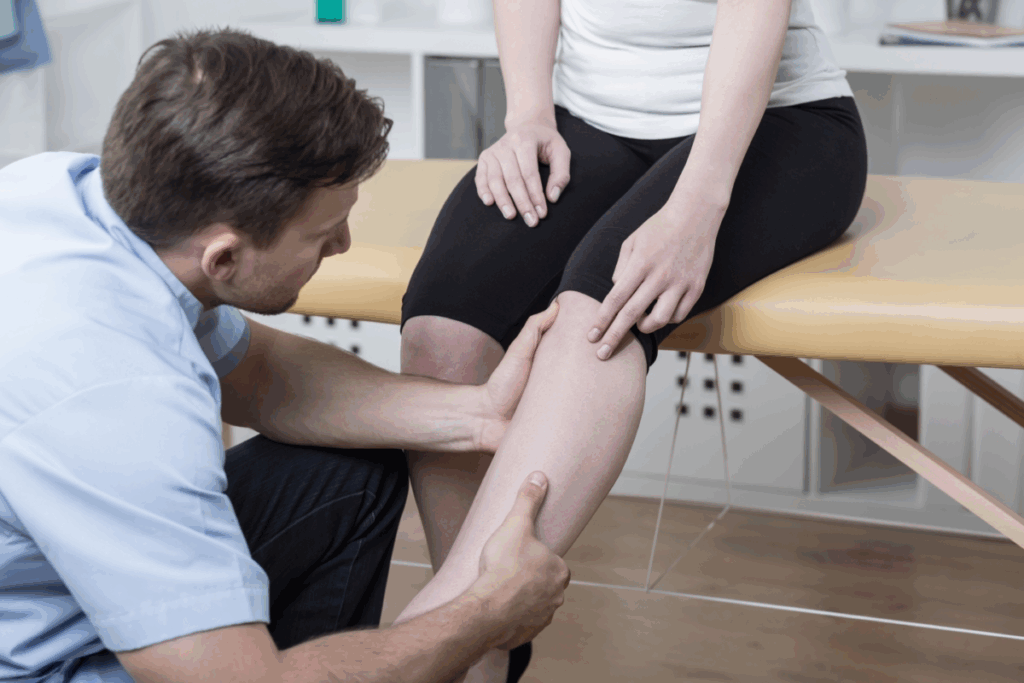
Identifying the specific location and characteristics of pain is vital for accurate diagnosis. Understanding Knee Pain in Females in females is crucial for effective management and treatment.
Key Takeaways
- Knee pain is a common issue among women, especially after age 50.
- Hormonal changes and joint anatomy differences contribute to knee pain.
- Osteoarthritis is a significant factor in knee pain among women.
- Overuse injuries and other medical conditions also play a role.
- Identifying the causes is crucial for effective management and treatment.
Comprehending the intricacies of female knee anatomy is crucial for effectively addressing knee pain.
Comprehending the intricacies of female knee anatomy is crucial for effectively addressing knee pain. The knee is a complex joint that bears significant stress from various activities, making its structure and function critical to overall mobility and health.
Comprehending the intricacies of female knee anatomy is crucial for effectively addressing knee pain.
Structural Differences Between Male and Female Knees
Research has shown that there are significant differences between male and female knee anatomy. For instance, women generally have a wider pelvis, which can affect the alignment of the knee joint. This alignment, along with differences in ligament laxity, can contribute to variations in knee stability between genders.
| Characteristics | Female Knees | Male Knees |
| Pelvis Width | Wider | Narrower |
| Ligament Laxity | Generally more lax | Less lax |
| Q-Angle | Typically larger | Smaller |
Q-Angle and Its Impact on Knee Stability
The Q-angle, which measures the angle between the quadriceps muscle and the patellar tendon, is typically larger in women. A larger Q-angle can lead to increased stress on the knee joint, potentially causing instability and pain. Understanding the Q-angle is crucial for diagnosing and treating knee issues in women.
Female Knee Ligament Characteristics
Identifying the causes is crucial for effective management and treatment.
Knee Pain Causes in Females: An Overview
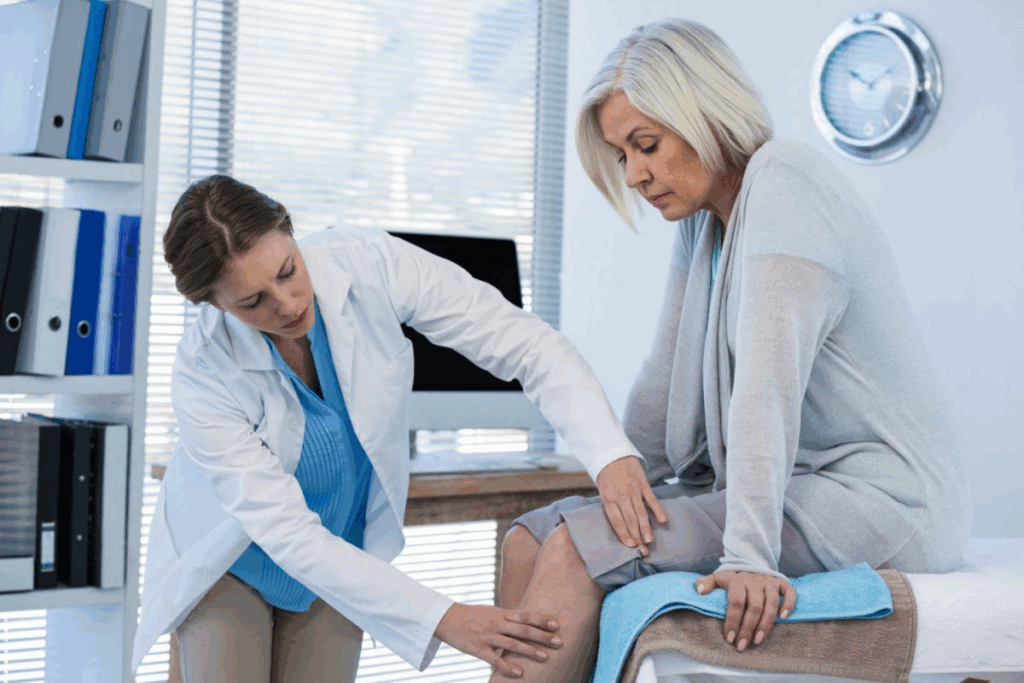
Identifying the causes is crucial for effective management and treatment.
Acute vs. Chronic Knee Pain
Acute knee pain typically results from sudden injuries, such as ligament sprains, meniscal tears, or fractures. In contrast, chronic knee pain develops over time and is often associated with conditions like osteoarthritis, patellofemoral pain syndrome, or tendinopathies. Distinguishing between acute and chronic knee pain is crucial, as it guides the treatment approach.
Acute injuries often require immediate medical attention to prevent further damage and promote healing. On the other hand, chronic conditions may necessitate long-term management strategies, including lifestyle modifications, physical therapy, and potentially surgical interventions.
Location-Specific Pain and What It Indicates
Comprehending the intricacies of female knee anatomy is crucial for effectively addressing knee pain.
It’s also important to note that referred pain from other areas, such as the hip or lower back, can sometimes be felt in the knee. Therefore, a comprehensive evaluation is necessary to determine the true source of the pain.
When to Seek Medical Attention
While some cases of knee pain may resolve with rest and self-care, certain situations warrant prompt medical evaluation. Severe pain, significant swelling, instability, or an inability to bear weight on the knee are all red flags that require immediate attention.
Additionally, if knee pain is accompanied by other symptoms such as fever, redness, or warmth around the knee, it could indicate an infection or inflammatory condition that needs medical intervention. Early diagnosis and treatment can significantly improve outcomes and prevent long-term damage.
We recommend seeking medical attention if you experience any of these symptoms or if your knee pain persists or worsens over time. A healthcare professional can provide a thorough assessment and develop an appropriate treatment plan tailored to your specific needs.
Patellofemoral Pain Syndrome: A Female Predominant Condition
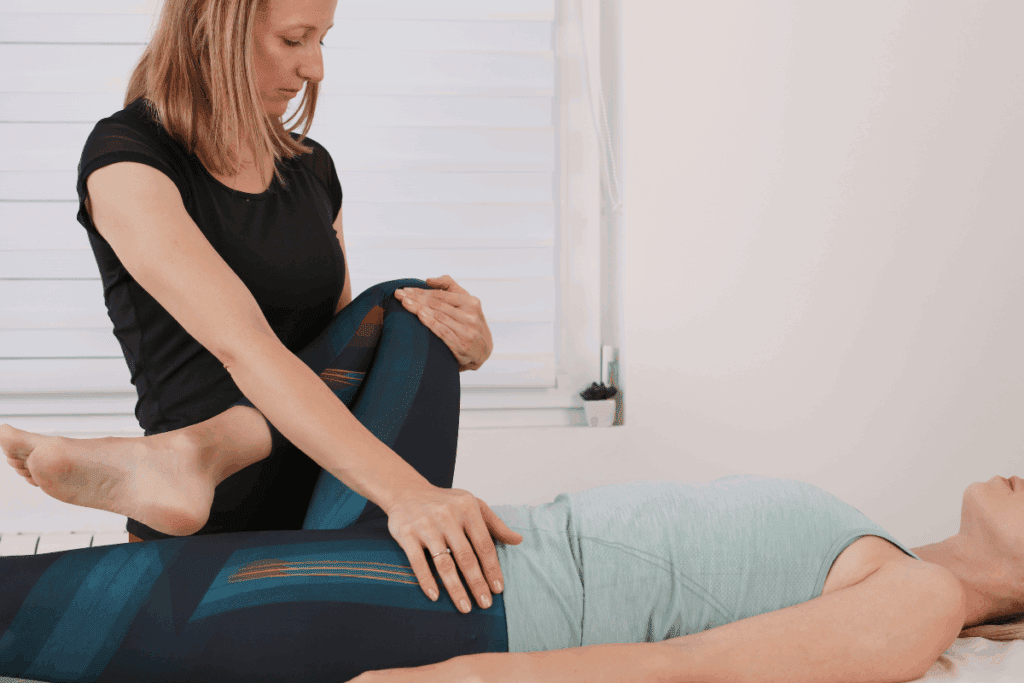
Women are disproportionately affected by patellofemoral pain syndrome, a condition characterized by pain in the front of the knee.
Why Women Are More Susceptible
Several factors contribute to the higher incidence of patellofemoral pain syndrome in women. These include anatomical differences, such as a wider pelvis which can lead to a greater Q-angle, and hormonal influences that can affect ligament laxity.
Key Factors:
- Anatomical differences, including a wider Q-angle
- Hormonal fluctuations affecting ligament laxity
- Muscle imbalances and poor tracking of the patella
Identifying these causes is essential for accurate diagnosis and effective treatment.
Identifying the specific location and characteristics of pain is vital for accurate diagnosis.
| Symptom | Description |
| Identifying the specific location and characteristics of pain is vital for accurate diagnosis. | Often described as dull and aching, worsened by activities that load the knee |
| Pain when squatting or climbing stairs | Activities that involve bending or weight-bearing on the knee exacerbate the pain |
Treatment Approaches
Treatment for patellofemoral pain syndrome focuses on reducing pain, improving knee function, and addressing underlying causes. This can include physical therapy to strengthen the muscles around the knee, orthotics to improve patellar tracking, and lifestyle modifications.
“The key to managing patellofemoral pain syndrome is a multi-faceted approach that includes strengthening the surrounding muscles, improving knee mechanics, and modifying activities to reduce stress on the knee.” – Orthopedic Specialist
Hormonal Influences on Knee Pain in Women
Identifying the specific location and characteristics of pain is vital for accurate diagnosis.
Estrogen Effects on Joint Laxity
Estrogen has been shown to affect joint laxity, which is the looseness or flexibility of a joint. Research indicates that estrogen can influence the ligaments surrounding the knee, potentially leading to increased laxity. This effect is particularly relevant when considering the risk of injuries and the overall stability of the knee joint.
Key effects of estrogen on joint laxity include:
- Increased ligament laxity due to estrogen’s influence on collagen
- Variations in joint stability throughout the menstrual cycle
- Potential increased risk of knee injuries during certain phases of the menstrual cycle
Menstrual Cycle Fluctuations and Knee Discomfort
Identifying the specific location and characteristics of pain is vital for accurate diagnosis.
| Menstrual Cycle Phase | Hormonal Changes | Potential Knee Pain Effects |
| Menstruation | Low estrogen levels | Increased pain sensitivity |
| Follicular Phase | Rising estrogen levels | Potential decrease in knee pain |
| Luteal Phase | Higher progesterone levels | Possible increase in knee pain |
Hormonal Contraceptives and Knee Health
The use of hormonal contraceptives can also impact knee health. These contraceptives alter the body’s hormonal balance, which can affect knee joint stability and pain perception. Some studies suggest that certain types of hormonal contraceptives may influence the risk of knee injuries or the severity of knee pain.
It’s essential for women using hormonal contraceptives to be aware of these potential effects and discuss any concerns with their healthcare provider.
Osteoarthritis in Women’s Knees
Knee osteoarthritis is a prevalent condition among women, influenced by a combination of hormonal, anatomical, and lifestyle factors. As we age, the risk of developing osteoarthritis increases, with women being disproportionately affected.
Disparities in Knee Osteoarthritis
Research indicates that gender disparities exist in the prevalence and severity of knee osteoarthritis. Women are more likely to experience knee osteoarthritis than men, particularly after the age of 50. This disparity is attributed to various factors, including differences in knee anatomy, hormonal influences, and lifestyle factors.
Studies have shown that women tend to have a higher incidence of knee osteoarthritis due to their generally lower bone density and differences in joint alignment. Additionally, hormonal changes, particularly those experienced during menopause, can affect joint health.
Risk Factors Specific to Women
Several risk factors contribute to the higher incidence of knee osteoarthritis in women. These include:
- Hormonal fluctuations, especially during menopause
- Lower bone density
- Greater joint laxity
- Lifestyle factors such as obesity and physical inactivity
Identifying these causes is essential for accurate diagnosis and effective treatment.anagement strategies.
Management Strategies
Managing knee osteoarthritis in women requires a multifaceted approach that includes lifestyle modifications, physical therapy, and potentially, pharmacological interventions.
| Management Approach | Description | Benefits |
| Lifestyle Modifications | Weight loss, exercise, dietary changes | Reduces joint stress, improves overall health |
| Physical Therapy | Strengthening exercises, flexibility training | Improves joint stability, reduces pain |
| Pharmacological Interventions | Pain relief medications, corticosteroid injections | Reduces pain and inflammation |
Early diagnosis and a tailored management plan can significantly improve the quality of life for women with knee osteoarthritis.
ACL Injuries: Why Women Face Higher Risks
Female athletes are disproportionately affected by ACL injuries, highlighting the need for targeted prevention and treatment strategies. ACL (Anterior Cruciate Ligament) injuries are among the most common and serious knee injuries, particularly in sports that involve sudden stops, changes in direction, and jumping.
Neuromuscular Control Differences
One key factor contributing to the higher incidence of ACL injuries in women is the difference in neuromuscular control. Neuromuscular control refers to the ability of the nervous system to coordinate muscle movements. Studies have shown that women tend to have different muscle activation patterns compared to men, which can affect knee stability.
Specifically, women often exhibit greater quadriceps activation and less hamstring activation during landing and cutting maneuvers, potentially increasing the risk of ACL injury. Training programs that focus on improving neuromuscular control, such as those incorporating plyometric exercises and balance training, have been shown to reduce the risk of ACL injuries in female athletes.
| Factor | Men | Women |
| Quadriceps Activation | Lower | Higher |
| Hamstring Activation | Higher | Lower |
| Landing Technique | Often more flexed | Tend to land more stiffly |
Landing Mechanics and Injury Prevention
The way athletes land from jumps is a critical factor in ACL injury risk. Proper landing mechanics involve bending the knees, keeping weight centered, and avoiding stiff-legged landings. Women are more likely to land with their knees more extended and their weight shifted forward, increasing stress on the ACL.
Prevention programs that teach proper landing techniques, along with strengthening exercises for the muscles around the knee, can significantly reduce the risk of ACL injuries. Coaches and trainers should incorporate these elements into training programs for female athletes.
Rehabilitation Considerations for Women
Rehabilitation after an ACL injury or surgery requires a comprehensive approach that addresses not just the knee but also the surrounding muscles and overall lower limb function. For women, it’s particularly important to focus on strengthening the hamstrings and improving neuromuscular control.
A well-structured rehabilitation program should include a gradual return to activity, with a focus on sports-specific training to prepare the athlete for the demands of their sport. Monitoring progress and adjusting the rehabilitation protocol as needed is crucial for optimal recovery.
Pregnancy-Related Knee Pain
Knee pain during pregnancy is a common complaint among women, stemming from various physiological changes. As the body prepares for childbirth, numerous adaptations occur that can impact the musculoskeletal system, particularly the knees.
Weight Distribution Changes During Pregnancy
During pregnancy, the body undergoes significant changes in weight distribution. As the uterus expands, the center of gravity shifts forward, altering the way a woman walks and stands. This change can put additional stress on the knee joint, leading to pain and discomfort. Proper posture and gentle exercises can help mitigate some of this stress.
Relaxin Hormone and Joint Laxity
The hormone relaxin is produced in higher quantities during pregnancy. Its primary role is to relax the ligaments and soften the cervix in preparation for childbirth. However, relaxin can also cause the ligaments around the knee to become more lax, potentially leading to instability and pain in the knee joint. This increased laxity can make pregnant women more susceptible to knee injuries.
| Factor | Effect on Knee |
| Weight Distribution Changes | Increased stress on knee joint |
| Relaxin Hormone | Increased ligament laxity, potential instability |
| Postpartum Changes | Potential for ongoing knee pain if not properly managed |
Postpartum Knee Issues
After childbirth, some women may continue to experience knee pain. This can be due to the lingering effects of relaxin, changes in gait, or the demands of caring for a newborn, which can include lifting and bending. It’s essential for new mothers to prioritize their musculoskeletal health during the postpartum period. Gentle exercises, proper lifting techniques, and supportive footwear can help alleviate postpartum knee pain.
Identifying the causes is crucial for effective management and treatment.tep towards managing it. By being aware of the changes that occur during and after pregnancy, women can take proactive steps to protect their knee health.
Overuse Injuries in Female Athletes
Comprehending the intricacies of female knee anatomy is crucial for effectively addressing knee pain.
Runner’s Knee in Women
Runner’s knee, or patellofemoral pain syndrome, is a common overuse injury among female runners. It is characterized by pain around or behind the patella, often exacerbated by activities like running, squatting, or climbing stairs. Factors contributing to runner’s knee include overtraining, poor foot biomechanics, and muscle imbalances. Treatment typically involves modifying activities, strengthening the quadriceps and hip muscles, and using proper footwear.
Jumper’s Knee and Female Athletes
Jumper’s knee, or patellar tendinopathy, affects athletes who frequently jump and land, such as volleyball and basketball players. Female athletes are particularly susceptible due to differences in neuromuscular control and landing mechanics. Symptoms include pain and tenderness below the kneecap, which can worsen with jumping activities. Management strategies include eccentric strengthening exercises, modifying training regimens, and incorporating injury prevention programs.
Sport-Specific Knee Injury Patterns
Different sports impose unique demands on the knee joint, leading to sport-specific injury patterns. For instance, runners are more prone to iliotibial band syndrome, while soccer players may experience more meniscal injuries. Understanding these patterns can help in developing targeted prevention and rehabilitation programs. Coaches and trainers should be aware of these patterns to implement sport-specific training and injury prevention strategies.
Hypermobility and Knee Pain Connection
For individuals with hypermobile joints, knee pain can be a persistent issue, often requiring a multifaceted approach to management and treatment. Hypermobility refers to the condition where a person’s joints have a greater range of motion than typical, which can lead to instability and pain, particularly in the knees.
Identifying these causes is essential for accurate diagnosis and effective treatment.
Benign Joint Hypermobility Syndrome
Benign joint hypermobility syndrome is characterized by joint hypermobility without other systemic features of a connective tissue disorder. Individuals with this condition may experience knee pain due to the excessive strain on their joints.
Key characteristics include:
- Generalized joint hypermobility
- Musculoskeletal pain
- Joint instability
Managing benign joint hypermobility syndrome involves a combination of physical therapy, lifestyle modifications, and sometimes orthotics to support the joints.
Ehlers-Danlos Syndrome and Knee Stability
Ehlers-Danlos Syndrome (EDS) is a group of genetic disorders affecting connective tissue, leading to hypermobile joints, among other symptoms. Knee stability is a significant concern for individuals with EDS, as their joints are more prone to injury and chronic pain.
“The management of EDS requires a comprehensive approach, including physical therapy, pain management, and sometimes surgical interventions to stabilize the joints.”
Strengthening the muscles around the knee is a critical component of managing knee pain in individuals with hypermobile joints or EDS.
Strengthening Strategies for Hypermobile Joints
Strengthening the muscles around hypermobile joints is essential for improving joint stability and reducing pain. This can be achieved through:
- Targeted physical therapy exercises
- Strengthening the core and leg muscles
- Improving proprioception (the sense of the relative position of one’s own parts of the body)
Proprioception exercises are particularly beneficial as they help improve the body’s ability to sense the position and movement of the joints, thereby enhancing stability.
We recommend consulting with a healthcare professional to develop a personalized exercise program tailored to the individual’s specific needs and condition.
Weight-Related Factors in Female Knee Pain
Identifying the specific location and characteristics of pain is vital for accurate diagnosis.
Body Composition Differences and Joint Loading
Body composition, including the distribution of fat and muscle mass, significantly affects joint loading and knee pain. Women generally have a higher percentage of body fat compared to men, which can increase the stress on their knee joints. For every pound of body weight, the knee joint absorbs several pounds of pressure, making weight management a critical factor in knee health.
Research has shown that differences in body composition between individuals can influence the risk of developing knee pain. For instance, a higher proportion of visceral fat is associated with increased inflammation, which can exacerbate knee pain.
Weight Management for Knee Health
Identifying the specific location and characteristics of pain is vital for accurate diagnosis.
As noted by a health expert, “Maintaining a healthy weight is one of the most effective ways to reduce the strain on your knee joints and alleviate pain.”
“Losing weight, if needed, can significantly reduce the pressure on the knee joint, thereby reducing pain and improving function.”
Metabolic Influences on Joint Inflammation
Metabolic factors, including insulin resistance and metabolic syndrome, can influence joint inflammation and contribute to knee pain. Women with metabolic syndrome are at a higher risk of developing osteoarthritis, a common cause of knee pain.
Understanding the metabolic influences on joint health allows us to adopt a more holistic approach to managing knee pain. This includes not only weight management but also addressing metabolic health through lifestyle changes and, if necessary, medical interventions.
Footwear Choices and Their Impact on Women’s Knees
The relationship between footwear and knee health is complex, with various factors coming into play for women. The shoes we wear can alter our gait, affect our posture, and change the way forces are distributed across our joints, including the knees.
High Heels and Knee Joint Stress
High heels are a particular concern when it comes to knee health. By elevating the heel, these shoes alter the natural alignment of the leg, potentially leading to increased stress on the knee joint. Women who frequently wear high heels may experience knee pain due to the additional pressure on the knee joint, as well as changes in their gait pattern.
Studies have shown that wearing high heels can lead to a higher risk of knee osteoarthritis. The altered biomechanics caused by high heels can result in uneven wear and tear on the joint, potentially accelerating the degenerative process.
Proper Athletic Footwear Selection
For women who are active, choosing the right athletic footwear is crucial for knee health. Proper footwear can help absorb shock, provide support, and stabilize the foot during activities, reducing the impact on the knees. When selecting athletic shoes, it’s essential to consider factors such as arch support, cushioning, and the shoe’s ability to control excessive pronation or supination.
- Look for shoes with adequate arch support to reduce strain on the knee.
- Choose shoes with sufficient cushioning to absorb impact.
- Consider the specific demands of your sport or activity when selecting footwear.
Orthotics and Alignment Correction
For some women, orthotics can be a valuable tool in managing knee pain related to footwear. Custom orthotics can help correct alignment issues, improve foot mechanics, and reduce stress on the knee joint. By providing additional support and correcting biomechanical abnormalities, orthotics can help alleviate knee pain and potentially prevent further damage.
It’s essential to consult with a healthcare professional to determine if orthotics are appropriate and to ensure they are properly fitted. With the right orthotics, women can take a proactive step towards maintaining healthier knees and reducing the risk of knee-related issues.
Muscle Imbalances Contributing to Female Knee Pain
Identifying the specific location and characteristics of pain is vital for accurate diagnosis.
Quadriceps-Hamstring Ratio in Women
The quadriceps and hamstring muscles work together to stabilize the knee. An optimal quadriceps-hamstring ratio is essential for knee health. Research indicates that women often have a different ratio compared to men, which can predispose them to certain knee injuries and pain.
Strengthening both the quadriceps and hamstrings through targeted exercises can help restore a healthy balance, reducing the risk of knee pain.
Hip Strength and Knee Alignment
The strength and stability of the hip muscles significantly influence knee alignment and function. Weak hip muscles can lead to poor knee alignment, putting additional stress on the knee joint and surrounding structures.
Exercises that strengthen the hip, such as the gluteus maximus and hip abductors, are crucial for maintaining proper knee alignment and reducing pain.
Core Stability’s Role in Knee Health
Core stability plays a vital role in overall lower limb function, including knee health. A stable core helps in maintaining proper posture and movement patterns, reducing the stress on the knee joint.
- Engaging in core strengthening exercises can help improve knee stability.
- Activities that promote overall core strength, such as Pilates or yoga, can be beneficial.
By addressing muscle imbalances through a comprehensive exercise program that includes strengthening the quadriceps, hamstrings, hip, and core muscles, women can significantly reduce their risk of knee pain and improve overall knee health.
Autoimmune Conditions Affecting Women’s Knees
Autoimmune conditions such as rheumatoid arthritis and lupus can have a profound effect on women’s knee health, leading to chronic pain and mobility issues. These conditions occur when the body’s immune system mistakenly attacks its own tissues, causing inflammation and damage to the joints.
Gender Disparities in Rheumatoid Arthritis
Rheumatoid arthritis (RA) is a chronic autoimmune disorder that is more common in women than men. Women are approximately two to three times more likely to develop RA, with the peak onset occurring during the reproductive years. The reasons for this gender disparity are not fully understood but are believed to involve a combination of hormonal, genetic, and environmental factors.
We will discuss the impact of RA on knee health and the importance of early diagnosis and treatment. Early intervention can significantly improve outcomes by reducing joint damage and improving quality of life.
| Characteristics | Rheumatoid Arthritis | Osteoarthritis |
| Nature of Condition | Autoimmune, inflammatory | Degenerative, wear-and-tear |
| Typical Age of Onset | 30-60 years | 45+ years |
| Gender Prevalence | More common in women | More common in women after 55 |
Lupus and Knee Joint Involvement
Identifying the specific location and characteristics of pain is vital for accurate diagnosis.
Managing lupus-related knee pain involves a combination of medications to control inflammation and immune system activity, along with lifestyle modifications to maintain joint health.
Managing Autoimmune-Related Knee Pain
Effective management of autoimmune-related knee pain requires a multi-faceted approach. This includes:
- Medications to reduce inflammation and control the immune response
- Physical therapy to maintain joint mobility and strength
- Lifestyle changes such as maintaining a healthy weight and avoiding activities that exacerbate knee pain
We emphasize the importance of working closely with healthcare providers to develop a personalized treatment plan that addresses the specific needs and challenges of each patient.
Menopause and Age-Related Knee Changes
Menopause and the natural aging process can lead to various knee-related issues in women. As we age, the changes in our bodies can significantly impact our knee health, making it essential to understand these changes to manage them effectively.
Estrogen Decline and Joint Health
Identifying the specific location and characteristics of pain is vital for accurate diagnosis.
The decrease in estrogen can also affect the ligaments and tendons surrounding the knee, making them more susceptible to injury. It’s crucial for women going through menopause to be aware of these changes and discuss any knee-related symptoms with their healthcare provider.
Bone Density Changes and Knee Integrity
Aging is associated with changes in bone density, which can impact knee integrity. Osteoporosis, a condition characterized by weakened bones, can increase the risk of fractures and affect the overall stability of the knee joint. Women, especially post-menopause, are at a higher risk of developing osteoporosis due to the decline in estrogen, which is known to protect against bone loss.
Maintaining bone density through a balanced diet rich in calcium and vitamin D, along with regular exercise, is vital for knee health during and after menopause.
Preventative Strategies for Aging Knees
While some age-related changes are inevitable, there are several preventative strategies that can help maintain knee health. Engaging in regular, low-impact exercise such as swimming or cycling can help keep the knee joint mobile and strengthen the surrounding muscles without putting excessive strain on the joint.
- Maintaining a healthy weight to reduce the load on the knee joints
- Incorporating exercises that improve balance and flexibility
- Avoiding smoking and limiting alcohol consumption to improve overall bone health
By adopting these strategies, women can significantly reduce the risk of knee-related problems during menopause and as they age.
Conclusion: Proactive Approaches to Female Knee Health
Comprehending the intricacies of female knee anatomy is crucial for effectively addressing knee pain.
By understanding the knee pain causes in females, women can take proactive steps to mitigate risks. This includes adopting a balanced exercise routine, maintaining a healthy weight, and wearing appropriate footwear to reduce the strain on their knees.
Proactive approaches to knee health can significantly reduce the risk of knee pain and related conditions. We recommend that women prioritize their knee health by incorporating exercises that strengthen the surrounding muscles, improving flexibility, and enhancing overall knee stability.
By taking a comprehensive approach to female knee health, women can enjoy optimal knee function throughout their lives. We encourage women to be proactive in maintaining healthy knees, thereby enhancing their overall quality of life.
FAQ
What are the main causes of knee pain in females?
Knee pain in females can be caused by a variety of factors, including anatomical and biomechanical differences, hormonal influences, and lifestyle factors such as footwear choices and physical activity levels.
How does the Q-angle affect knee stability in women?
The Q-angle, which is generally larger in women, can affect knee stability by altering the alignment of the knee joint and putting additional stress on the surrounding ligaments and muscles.
What is patellofemoral pain syndrome, and why are women more susceptible to it?
Identifying the specific location and characteristics of pain is vital for accurate diagnosis.
How do hormonal changes during the menstrual cycle affect knee pain?
Hormonal fluctuations during the menstrual cycle can lead to changes in joint laxity and pain sensitivity, potentially contributing to knee pain and discomfort in some women.
What is the relationship between osteoarthritis and knee pain in women?
Osteoarthritis is a degenerative joint disease that can cause knee pain, stiffness, and limited mobility. Women are more likely to develop osteoarthritis, particularly after menopause.
Why are women at higher risk of ACL injuries, and how can they be prevented?
Women are at higher risk of ACL injuries due to differences in neuromuscular control, landing mechanics, and hormonal influences. Prevention strategies include proper training, conditioning, and rehabilitation techniques.
How does pregnancy affect knee pain, and what are the postpartum implications?
Pregnancy can lead to changes in weight distribution, joint laxity, and muscle imbalances, potentially contributing to knee pain. Postpartum knee issues can arise due to the physical demands of caring for a new baby and changes in hormone levels.
What are the common overuse injuries in female athletes, and how can they be managed?
Common overuse injuries in female athletes include runner’s knee and jumper’s knee. Management strategies include proper training, recovery techniques, and addressing biomechanical issues.
How does hypermobility contribute to knee pain, and what are the strengthening strategies for hypermobile joints?
Hypermobility can contribute to knee pain by increasing joint instability and stress on surrounding tissues. Strengthening strategies include exercises to improve muscle strength and control around the knee joint.
What is the impact of footwear choices on women’s knee health?
Footwear choices, such as wearing high heels, can affect knee health by altering gait patterns, increasing joint stress, and contributing to muscle imbalances.
How do muscle imbalances contribute to knee pain in women, and what are the corrective strategies?
Muscle imbalances, such as weakness in the hip or core muscles, can contribute to knee pain by altering knee alignment and movement patterns. Corrective strategies include exercises to strengthen weak muscles and improve flexibility.
What are the autoimmune conditions that affect women’s knees, and how can they be managed?
Autoimmune conditions, such as rheumatoid arthritis and lupus, can affect women’s knees, causing pain, stiffness, and limited mobility. Management strategies include medications, lifestyle modifications, and physical therapy.
How does menopause and aging affect knee health, and what are the preventative strategies?
Menopause and aging can lead to changes in estrogen levels, bone density, and joint health, potentially contributing to knee pain and osteoarthritis. Preventative strategies include maintaining a healthy weight, staying physically active, and managing chronic health conditions.
What is the role of weight management in knee health for women?
Maintaining a healthy weight is crucial for knee health, as excess weight can put additional stress on the knee joint, contributing to pain and degenerative changes.
Reference:
Bajwa, J. S., & Bajwa, S. K. (2021). Artificial intelligence in healthcare: Transforming the practice of medicine and delivery of healthcare. PMC, 2020 Dec 31. Retrieved from
https://pmc.ncbi.nlm.nih.gov/articles/PMC8285156
Kandi, V., & et al. (2023). Clinical trials and clinical research: A comprehensive review. PMC, 2023 Feb 15. Retrieved from