An enlarged uterus happens when the uterus grows bigger than it should. This can be due to uterine fibroids, adenomyosis, or hormonal issues.what causes oversized uterusWhat Causes Brain Swelling? 7 Major Causes Explained Simply
Studies reveal that uterine fibroids affect about 80% of women. They are a common reason for an enlarged womb. Signs include heavy bleeding, pelvic pain, and trouble with urination.
At Liv Hospital, our skilled gynecologists offer thorough checks and reliable advice. They help you understand and manage this condition confidently.
Key Takeaways
- An enlarged uterus can be caused by various factors, including uterine fibroids and hormonal imbalances.
- Symptoms may include heavy vaginal bleeding, pelvic pain, and urinary symptoms.
- Uterine fibroids affect approximately 80% of women.
- A thorough evaluation by a gynecologist is key for the right diagnosis.
- Liv Hospital provides trustworthy guidance and care for women with an enlarged uterus.
Understanding the Uterus: Normal Size and Function
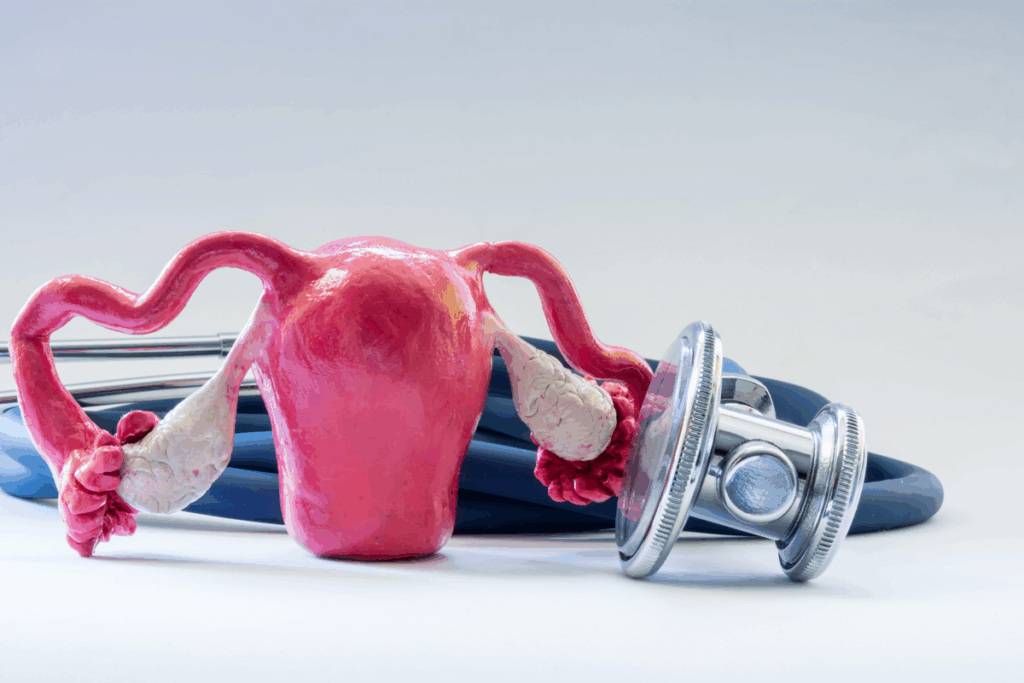
The uterus is a key part of the female body. It’s important for pregnancy and menstrual cycles. Knowing how it works is key to women’s health.
To grasp the meaning of an enlarged uterus, we must first know its usual size and role. The average uterus is about 8 cm long and 5 cm wide. Knowing these sizes helps us spot any unusual changes.
Normal Uterine Dimensions
The uterus is usually 7 to 8 cm long and 4 to 5 cm wide. It’s about 2 to 3 cm thick. Its size can change based on age, if a woman has had children, and her health.
The Role of the Uterus in Female Reproductive Health
The uterus is vital for women’s health. It supports the growing fetus during pregnancy. It also sheds its lining during menstruation if there’s no pregnancy.
The role of the uterus goes beyond pregnancy. It helps control menstrual flow and supports other pelvic structures. Any big change in size or function can cause health problems.
What Constitutes an Enlarged Uterus
An enlarged uterus is bigger than usual, often over 10 cm long. It can be caused by fibroids, adenomyosis, or hormonal issues. Knowing what makes a uterus enlarged is key to finding and treating the cause.
Understanding the normal uterus size and function is the first step to spotting health issues. We’ll look at common causes and symptoms of an enlarged uterus next.
What Causes an Oversized Uterus: Common Conditions

Knowing why an oversized uterus happens is key to managing symptoms. Several conditions can make the uterus bigger. We’ll dive into these to help you understand better.
Uterine Fibroids: The Most Common Cause
Uterine fibroids are non-cancerous growths in or around the uterus. They’re the top reason for an oversized uterus. These growths can vary in size and number. The exact cause is unknown, but genetics, hormones, and environment are thought to play a part.
Symptoms include heavy bleeding, long periods, and pelvic pain. Diagnosis usually involves ultrasound or other imaging tests to find the size and location of the fibroids.
Adenomyosis: When Endometrial Tissue Invades the Uterine Wall
Adenomyosis happens when endometrial tissue grows into the uterus’s muscular wall. This can make the uterus bigger and cause pain. Common symptoms include heavy or prolonged menstrual bleeding and severe menstrual cramps.
- Heavy menstrual bleeding
- Severe menstrual cramps
- Pelvic pain or pressure
Diagnosing adenomyosis can be tough and may need imaging tests or biopsy. Treatment depends on symptom severity and can include hormonal therapies or surgery.
Hormonal Imbalances and Estrogen Dominance
Hormonal imbalances, like estrogen dominance, can make the uterus bigger. Estrogen stimulates the growth of the uterine lining. Too much can cause endometrial hyperplasia.
- Estrogen dominance can lead to uterine enlargement
- Hormonal imbalances affect menstrual cycles and uterine health
- Diagnosis involves hormonal level assessments and symptom evaluation
Treatment for hormonal imbalances might include lifestyle changes, hormonal therapies, or other interventions to balance the reproductive system.
Pregnancy and Uterine Enlargement
The uterus grows a lot during pregnancy to support the baby. This growth is key for a healthy pregnancy.
Normal Uterine Growth During Pregnancy
The uterus grows a lot during pregnancy. It goes from being small to big enough for a full-grown baby. Hormones like estrogen and progesterone help it grow.
Key Changes in Uterine Size During Pregnancy:
Gestational Age | Uterine Size Comparison |
12 weeks | Comparable to a small grapefruit |
20 weeks | Comparable to a large cantaloupe |
36 weeks | Comparable to a large watermelon |
Distinguishing Between Pregnancy and Pathological Enlargement
Uterine growth during pregnancy is normal. But, it’s important to tell it apart from growth due to problems like fibroids. Doctors use tests like ultrasound to figure out why the uterus is big.
Post-Pregnancy Uterine Changes
After pregnancy, the uterus usually goes back to its original size. This is called involution. But, sometimes it doesn’t go back to normal size. This can happen for many reasons, like having more than one baby or problems during delivery.
Factors Influencing Post-Pregnancy Uterine Size:
- Number of pregnancies
- Complications during delivery
- Breastfeeding
Knowing about these changes helps women understand what’s normal. It also tells them when to see a doctor if they notice something unusual.
Perimenopause and Menopause-Related Changes
Perimenopause and menopause are big life changes that can affect the uterus. Hormonal shifts cause these changes. Women may feel symptoms that make their life less enjoyable.
Hormonal Fluctuations and Their Impact
Perimenopause is the time before menopause when hormones change a lot. These changes can make menstrual cycles vary. Women might also get hot flashes and mood swings.
The drop in estrogen can make the uterus grow or shrink. Key effects of hormonal fluctuations include:
- Changes in menstrual bleeding patterns
- Uterine enlargement or shrinkage
- Increased risk of uterine fibroids or polyps
Age-Related Uterine Changes
As women get older, their uterus changes naturally. Hormonal shifts from perimenopause and menopause can speed up these changes. The uterus might get smaller and move in the pelvis.
These changes depend on several factors. They include:
- The decline in estrogen levels
- Previous pregnancies and childbirth
- Overall health and lifestyle
Managing Menopausal Symptoms Affecting the Uterus
Managing symptoms that affect the uterus during menopause is key. It involves lifestyle changes, medical treatments, and sometimes alternative therapies. Knowing these options helps women deal with this big life change.
Strategies for managing symptoms include:
- Hormone Replacement Therapy (HRT) to alleviate hormonal imbalances
- Lifestyle changes such as diet and exercise to reduce symptoms
- Alternative therapies like acupuncture or herbal supplements
Understanding perimenopause and menopause changes helps women manage symptoms. It’s important to talk to a healthcare provider to find the best solution for each person.
Less Common Causes of Uterine Enlargement
There are many reasons why the uterus can grow bigger than usual. Some are not as well-known as others. It’s important to know about these to get the right treatment.
Uterine Polyps
Uterine polyps grow in the uterus lining. They can make the uterus bigger and cause irregular periods. Doctors say removing them can help a lot.
Most polyps are not cancerous. But, they can sometimes show a bigger problem. Doctors use ultrasound to find them. Then, they might remove them.
Endometrial Hyperplasia
Endometrial hyperplasia makes the uterine lining too thick. It’s a sign of too many cells. If not treated, it could lead to cancer.
Women with this condition might bleed more or have irregular periods. Doctors use a biopsy to diagnose it. Treatment depends on how severe it is.
Uterine Cancer and Malignancies
Uterine cancer is rare but serious. It can make the uterus bigger. Hormonal imbalances and obesity increase the risk.
Signs include bleeding, pain, and weight loss. Doctors use tests and biopsies to find it. Treatment varies based on the cancer’s stage and type.
Women should know about these less common causes of a big uterus. If symptoms show up, see a doctor right away. Early action can make a big difference.
Recognizing Symptoms of an Enlarged Uterus
Women should know the signs of an enlarged uterus to get medical help. An enlarged uterus can cause many symptoms. These symptoms can affect daily life in different ways.
Heavy and Prolonged Menstrual Bleeding
Heavy and prolonged menstrual bleeding is a common symptom. This includes:
- Menstrual periods lasting longer than usual
- Passing large blood clots during menstruation
- Needing to change sanitary products frequently
This bleeding can cause anemia and other problems if not treated.
Pelvic Pain and Pressure
An enlarged uterus can also cause pelvic pain and pressure. This may feel like:
- A dull ache in the pelvic area
- Sharp pains during menstruation or intercourse
- A feeling of fullness or pressure in the lower abdomen
This discomfort can really affect a woman’s life.
Urinary and Bowel Symptoms
An enlarged uterus can press on other organs. This can lead to:
- Frequent urination or difficulty emptying the bladder
- Constipation or difficulty with bowel movements
These symptoms can be very distressing and need medical attention.
When Symptoms Indicate a Medical Emergency
While many symptoms are not life-threatening, some are. Seek immediate care if you have:
- Severe abdominal pain
- Heavy bleeding that doesn’t stop
- Fever or signs of infection
Knowing these symptoms and when to get medical help is key. It helps manage and treat an enlarged uterus effectively.
Diagnosis of an Enlarged Uterus
Diagnosing an enlarged uterus involves physical exams, imaging tests, and sometimes biopsies. It’s key for patients to know about these steps to manage their care well.
Physical Examination
A physical exam is the first step to find out if the uterus is enlarged. A healthcare provider will do a pelvic exam to check the uterus’s size and shape. This initial check can show if there are any issues. They also look for tenderness or pain in the pelvic area, which might mean there’s a problem.
Imaging Tests: Ultrasound, MRI, and CT Scans
Imaging tests are vital to confirm the diagnosis and find out why the uterus is enlarged. Ultrasound is often the first test, as it gives clear images of the uterus. It can spot problems like fibroids or adenomyosis. MRI (Magnetic Resonance Imaging) is used for more detailed checks if ultrasound isn’t clear enough. CT scans are less often used but might be needed in some cases to rule out other issues.
A medical expert says, “Imaging tests are key in diagnosing uterine enlargement and deciding on treatment.” This shows how important these tests are in the diagnosis process.
Biopsy and Other Diagnostic Procedures
In some cases, a biopsy is needed to find out why the uterus is enlarged. This means taking a tissue sample from the uterus for testing. Other tests like hysteroscopy or dilation and curettage (D&C) let doctors see and sample the uterine cavity directly.
Understanding Your Diagnostic Results
After the tests are done, it’s important to understand the results. Patients should talk to their healthcare provider to grasp the diagnosis and its health implications. Good communication between patients and doctors is key for making the right treatment choices.
Treatment Options for an Enlarged Uterus
There are many ways to treat an enlarged uterus, depending on the cause. The right treatment depends on how bad the symptoms are, your health, and if you want to have kids.
Medication-Based Approaches
Medication-based approaches can help with symptoms of an enlarged uterus. Birth control pills or GnRH agonists can help with heavy bleeding and shrink the uterus.
These medicines help balance hormones that can make the uterus grow too big. Always talk to a doctor about the good and bad sides of these medicines.
Minimally Invasive Procedures
Minimally invasive procedures are another option. Uterine artery embolization (UAE) and magnetic resonance-guided focused ultrasound surgery (MRgFUS) can shrink fibroids and ease symptoms without big surgery.
These procedures are done as outpatients, so you can go home the same day. This means you’ll recover faster than with traditional surgery.
Surgical Interventions
If symptoms are very bad or other treatments don’t work, surgical interventions might be needed. You might have myomectomy (fibroid removal) or hysterectomy (uterus removal).
Choosing surgery should be a big decision. Talk it over with your doctor, thinking about the risks and benefits.
Lifestyle Modifications and Home Remedies
Changing your lifestyle and trying home remedies can also help. Eating right, staying fit, and keeping a healthy weight can help your uterus.
Some people find relief with acupuncture or herbal supplements. But, always check with your doctor before trying new things.
Conclusion: When to Consult a Healthcare Provider
Knowing when to see a healthcare provider is key for early diagnosis and treatment of an enlarged uterus. If symptoms don’t go away or get worse, it’s time to get medical help. This ensures you get the right care and treatment.
We talked about why a uterus might get bigger, like with fibroids, adenomyosis, or hormonal changes. Signs like heavy bleeding, pelvic pain, and trouble with urination mean it’s time to see a doctor.
At your doctor’s visit, they will check you physically and might suggest tests or a biopsy. This helps find out why your uterus is enlarged. Getting medical help early can really help your symptoms and improve your health.
If you’re worried about an enlarged uterus or its symptoms, don’t hesitate to talk to a healthcare provider. They can offer advice and support tailored to your situation.
FAQ
What is considered a normal size for the uterus?
The normal uterus size is about 7 to 8 centimeters long, 4 to 5 centimeters wide, and 2 to 3 centimeters thick. But, sizes can vary from person to person.
What causes an enlarged uterus?
Many things can make the uterus bigger. This includes uterine fibroids, adenomyosis, and hormonal imbalances. Uterine polyps, endometrial hyperplasia, and uterine cancer are also causes.
Can pregnancy cause an enlarged uterus?
Yes, pregnancy often makes the uterus bigger. This is because the uterus grows to fit the baby.
What are the symptoms of an enlarged uterus?
Signs of a bigger uterus can be heavy bleeding, pelvic pain, and trouble with urination or bowel movements. Sometimes, there are no symptoms at all.
How is an enlarged uterus diagnosed?
Doctors use a physical exam and imaging tests like ultrasound, MRI, or CT scans to find out if the uterus is enlarged. Sometimes, they might need to do a biopsy or other tests.
What are the treatment options for an enlarged uterus?
Treatment depends on why the uterus is bigger. It can include medicines, small surgeries, big surgeries, or changes in lifestyle.
Can an enlarged uterus be a sign of cancer?
Sometimes, a bigger uterus can mean cancer or other cancers. But, many other things can also make the uterus bigger. A proper diagnosis is key to find out why.
How does adenomyosis cause an enlarged uterus?
Adenomyosis happens when endometrial tissue grows into the uterine wall. This causes inflammation, scarring, and makes the uterus bigger.
Can hormonal imbalances contribute to an enlarged uterus?
Yes, hormonal imbalances, like too much estrogen, can make the uterus bigger. This is because they make the uterine lining grow too much, leading to conditions like endometrial hyperplasia.
What lifestyle changes can help manage symptoms of an enlarged uterus?
To feel better, try to stay healthy, eat well, drink plenty of water, and manage stress. These changes can help with symptoms of a bigger uterus.
References
National Center for Biotechnology Information. Evidence-Based Medical Guidance. Retrieved from https://www.ncbi.nlm.nih.gov/books/NBK539868/.