

Feeling like the world is spinning and hearing a constant ringing can be very hard. Many people deal with these issues every day, looking for answers and ways to feel better. At Liv Hospital, we know how these problems affect your life. We’re here to help with all we have.
Ringing in ears, or tinnitus, affects approximately 36 million Americans. When you add dizziness to it, it makes everyday tasks much harder. We’ll look into why these symptoms happen, including Meniere’s disease and benign paroxysmal positional vertigo (BPPV).
Knowing what causes these symptoms is key to feeling better. Our team focuses on you, using the latest tools to find and treat these complex issues.
Key Takeaways
- Tinnitus affects millions of Americans, impacting daily life.
- Dizziness and ringing in ears can be symptoms of underlying conditions.
- Meniere’s disease and BPPV are associated with these symptoms.
- Accurate diagnosis is critical for effective treatment.
- Liv Hospital provides complete care for international patients.
Understanding Humming in Ears and Dizziness
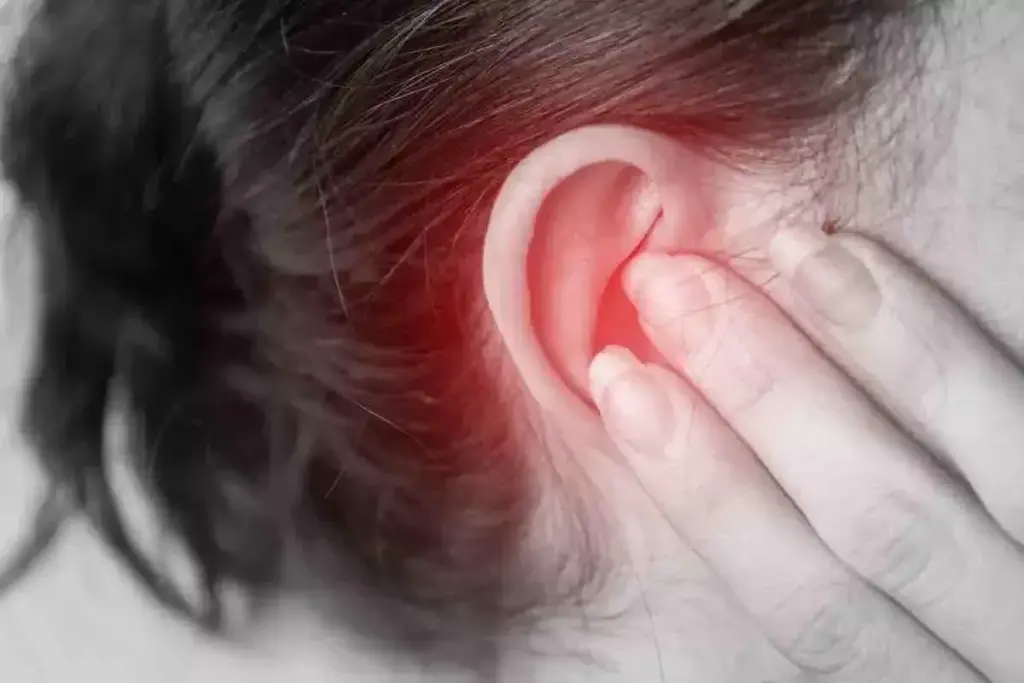
Humming in ears, or tinnitus, often comes with dizziness. This can really mess up your daily life. We’ll look at how common tinnitus is in America and how ear issues can cause dizziness and more.
The Prevalence of Tinnitus in America
Tinnitus is a big problem in America. About 36 million Americans have tinnitus. This means they hear ringing, buzzing, or humming sounds in their ears, even when there’s nothing there.
As people get older, tinnitus becomes more common. It’s often linked to hearing loss. Things like loud noises, certain medicines, and health issues can cause tinnitus.
How Ear Problems Affect Balance
Ear issues can really mess with your balance. This can lead to dizziness and vertigo. The inner ear has a system called the vestibular system. It helps keep your balance.
When this system gets messed up, you might feel dizzy, vertigo, or lose your balance. You might also feel sick to your stomach. These problems can really affect your life.
It’s important to understand how ear problems affect balance. This helps doctors figure out and treat tinnitus and dizziness. By tackling these issues, doctors can help improve your life.
Common Causes of Ear Ringing and Vertigo

It’s important to know why ear ringing and vertigo happen. These issues often come from problems in the inner ear. They can affect how we balance and hear.
Meniere’s Disease and Its Symptoms
Meniere’s disease is a problem in the inner ear. It causes severe spinning, hearing loss, and a feeling of fullness in the ear. It usually hits adults between 40 and 60 years old.
Symptoms of Meniere’s Disease:
- Vertigo or dizziness
- Tinnitus or ringing in the ears
- Hearing loss
- Ear fullness or pressure
Meniere’s disease is linked to an oddity in the inner ear’s fluid. This leads to the symptoms we see. Managing it often means changing what we eat, taking medicine, and sometimes therapy for vertigo.
Benign Paroxysmal Positional Vertigo (BPPV)
BPPV is a common inner ear issue. It causes brief but intense dizziness when we move our heads in certain ways. This happens when tiny crystals in the inner ear move into the semicircular canals.
| Characteristics | BPPV | Meniere’s Disease |
| Primary Symptom | Brief vertigo episodes | Vertigo, hearing loss, tinnitus |
| Trigger | Specific head movements | No specific trigger |
| Duration of Vertigo | Seconds to minutes | Minutes to hours |
Blocked or Clogged Ears and Fluid Imbalances
Blocked or clogged ears can cause dizziness and hearing loss. This is because of fluid imbalances in the inner ear. The Eustachian tube, which controls air pressure in the ears, can get blocked. This can happen due to colds, allergies, or other reasons.
Managing blocked ears often starts with simple steps. Swallowing, yawning, or using nasal decongestants can help open the Eustachian tube.
Knowing about these conditions helps manage their symptoms. By understanding the causes and using the right treatments, people can find relief from ear ringing and vertigo.
Diagnosing the Source of Tinnitus and Dizziness
Diagnosing tinnitus and dizziness is a detailed process. It includes a medical history, physical exam, and advanced tests. We know these symptoms can be scary. A thorough diagnosis is key to managing them well.
Medical Evaluations and Specialized Tests
First, we take a detailed medical history. We’ll ask about when your symptoms started, how long they last, and what they feel like. We also want to know what makes them better or worse. Then, we’ll do a physical exam, focusing on your ears, hearing, and balance.
Special tests are vital to find the cause of your symptoms. Audiological testing checks your hearing and how well you understand speech. Imaging studies, like MRI or CT scans, might be needed to look for any problems in your ear or brain.
| Diagnostic Test | Purpose |
| Audiological Testing | Assess hearing thresholds and speech understanding |
| Imaging Studies (MRI/CT) | Rule out structural abnormalities or lesions |
| Balance Tests (ENG/VNG) | Evaluate balance function and vestibular system |
Recognizing Warning Signs That Require Medical Attention
It’s important to know when to seek medical help fast. Sudden hearing loss, severe dizziness, or other neurological symptoms like numbness or weakness need quick attention. Also, watch out for ear pain, fever, or discharge.
American Academy of Otolaryngology
If you see any of these warning signs, get medical help right away. Early treatment can make a big difference in how well you recover.
Treatment Options and Living with Symptoms
Managing tinnitus and dizziness needs a mix of medical care and lifestyle changes. We’ll look at the different ways to ease symptoms and improve life quality.
Medical Interventions for Meniere’s Disease and BPPV
People with Meniere’s disease or Benign Paroxysmal Positional Vertigo (BPPV) can find relief through medical help. Doctors often prescribe diuretics, vestibular suppressants, and anti-nausea drugs. Sometimes, surgery is needed to fix underlying problems.
For Meniere’s, treatments aim to lessen vertigo attacks. This might include gentamicin to reduce ear balance or surgery like labyrinthectomy. BPPV treatments often include the Epley maneuver, which moves the ear’s calcium particles.
| Condition | Common Treatments | Goals of Treatment |
| Meniere’s Disease | Diuretics, vestibular suppressants, surgery | Reduce vertigo frequency and severity |
| BPPV | Epley maneuver, vestibular rehabilitation | Relieve vertigo symptoms |
Home Remedies for Ear Fullness and Dizziness
Home remedies can also help with ear fullness and dizziness. Stress-reducing activities like meditation and yoga can lessen symptoms. Eating less salt and avoiding caffeine and alcohol can also help.
For blocked ears, the Toynbee maneuver or ear drops can help. Drinking plenty of water and managing allergies can prevent ear tube problems.
Impact on Quality of Life and Coping Strategies
Tinnitus and dizziness can really affect daily life, sleep, and mental health. It’s important to find ways to cope. Support groups, CBT, and counseling can offer emotional support and advice.
For more info on managing tinnitus and dizziness, check out Medical organization’s Tinnitus Diagnosis and Treatment page. It provides detailed info on diagnosis, treatment, and lifestyle changes to manage symptoms.
Conclusion
We’ve looked into the complex issues of humming in ears and dizziness, ringing in ears and vertigo, and dizziness and ringing in ears. It’s key to know the causes, how to diagnose them, and the treatment options. This knowledge helps manage these symptoms well.
Conditions like Meniere’s disease and Benign Paroxysmal Positional Vertigo (BPPV) often cause tinnitus and dizziness. Getting an accurate diagnosis is vital. This is done through medical checks and special tests to find the root cause.
There are many treatments available, from medical care to home remedies. These aim to reduce symptoms and enhance life quality. It’s important to seek medical help to tackle these issues effectively.
Understanding tinnitus and dizziness helps people find the right treatment. This improves their overall health and well-being.
FAQ:
What is the relationship between tinnitus and dizziness?
Tinnitus and dizziness often occur together because they can share inner ear causes, such as balance disorders, ear infections, or nerve-related problems.
What are the symptoms of Meniere’s disease?
Symptoms include episodes of vertigo, ringing in the ears (tinnitus), hearing loss, and a feeling of fullness in the affected ear.
How does BPPV affect balance?
BPPV causes brief episodes of vertigo triggered by head movements due to displaced crystals in the inner ear.
Can blocked or clogged ears cause dizziness?
Yes, earwax buildup, fluid, or pressure changes can affect balance and lead to dizziness.
What diagnostic tests are used to determine the cause of tinnitus and dizziness?
Tests may include hearing tests, balance tests, imaging scans, and physical examinations.
What are the treatment options for Meniere’s disease and BPPV?
Meniere’s disease is managed with diet changes, medications, and therapy, while BPPV is treated with repositioning maneuvers.
How can I manage tinnitus and dizziness at home?
Home management includes avoiding triggers, reducing salt and caffeine, staying hydrated, managing stress, and practicing balance exercises.
When should I seek medical attention for tinnitus and dizziness?
Seek medical help if symptoms are sudden, severe, worsening, or associated with hearing loss, weakness, or vision problems.
Can tinnitus and dizziness affect my quality of life?
Yes, they can impact sleep, concentration, emotional well-being, and daily activities if not managed properly.
References:
National Institutes of Health. Evidence-Based Medical Insight. Retrieved from https://www.nidcd.nih.gov/health/menieres-disease