At Liv Hospital, we understand the critical importance of addressing life-threatening cardiac emergencies. Sudden cardiac death following Acute Myocardial Infarction (AMI) is a dire complication that requires rapid and effective care.
We recognize that lethal ventricular arrhythmias are a primary cause of this complication. These arrhythmias, including ventricular fibrillation and sustained ventricular tachycardia, can occur due to the damage caused by AMI to the heart muscle.
Our medical team is dedicated to providing world-class healthcare with comprehensive support for international patients. By understanding the mechanisms and risks associated with lethal arrhythmias, we can deliver targeted care to those affected by AMI.
Key Takeaways
- Lethal ventricular arrhythmias are a primary cause of sudden cardiac death following AMI.
- Ventricular fibrillation and sustained ventricular tachycardia are common types of lethal arrhythmias.
- Understanding the mechanisms and risks of these arrhythmias is crucial for effective care.
- Liv Hospital is committed to providing advanced medical treatments and comprehensive support.
- Our medical team is dedicated to delivering targeted care to patients affected by AMI.
Understanding Acute Myocardial Infarction (AMI)
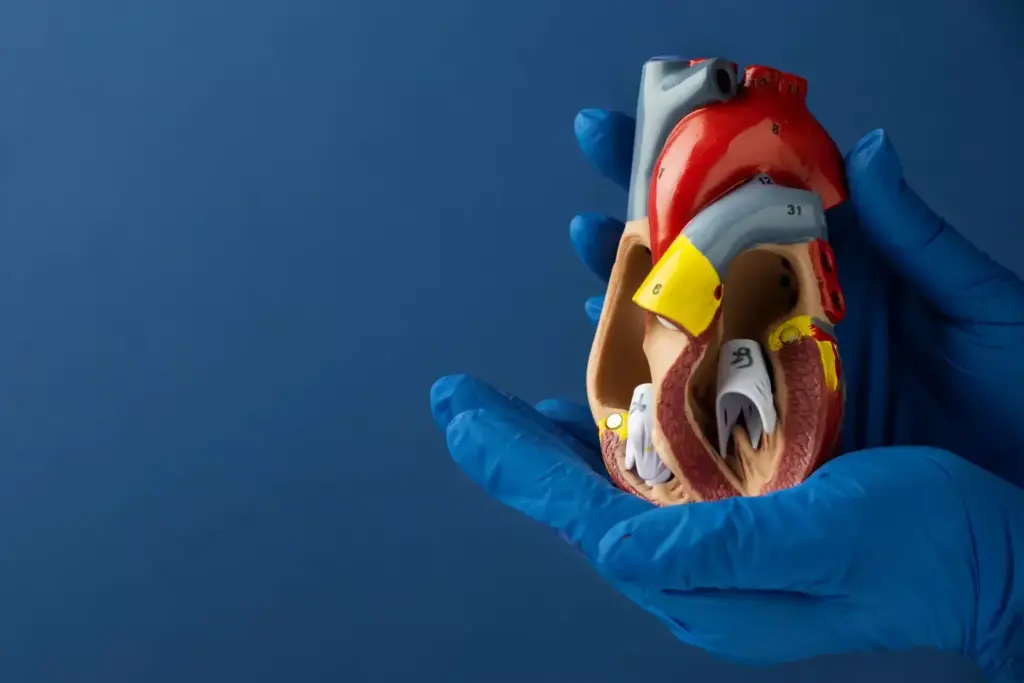
Acute Myocardial Infarction is a life-threatening condition characterized by the interruption of blood flow to the heart, resulting in damage to the heart muscle. We will explore the intricacies of AMI to better comprehend its causes and consequences.
Definition and Pathophysiology of AMI
AMI is defined as an imbalance between myocardial oxygen supply and demand, often due to a blockage in the coronary arteries. This blockage can lead to ischemia, or reduced blood flow, causing damage or death of the heart muscle.
The pathophysiology of AMI involves complex interactions between the coronary arteries, the heart muscle, and the overall cardiovascular system. Understanding these interactions is crucial for diagnosing and treating AMI effectively.
Common Risk Factors for AMI
Several risk factors contribute to the likelihood of experiencing AMI. These include:
- Hypertension: High blood pressure can strain the heart and increase the risk of AMI.
- Hyperlipidemia: Elevated levels of cholesterol and triglycerides can lead to plaque buildup in the arteries.
- Diabetes Mellitus: Diabetes can damage blood vessels and nerves, increasing the risk of AMI.
- Smoking: Tobacco use can damage the cardiovascular system and increase the risk of AMI.
- Family History: A history of heart disease in the family can increase an individual’s risk.
Typical Clinical Presentation
The clinical presentation of AMI can vary among individuals, but common symptoms include:
- Chest Pain or Discomfort: Often described as a pressure or tightness in the chest.
- Shortness of Breath: Difficulty breathing or feeling winded even at rest.
- Lightheadedness or Dizziness: Feeling faint or dizzy.
- Pain or Discomfort in One or Both Arms: Pain can radiate to the arms, back, neck, jaw, or stomach.
Recognizing these symptoms promptly is crucial for timely medical intervention.
The Relationship Between AMI and Sudden Cardiac Death
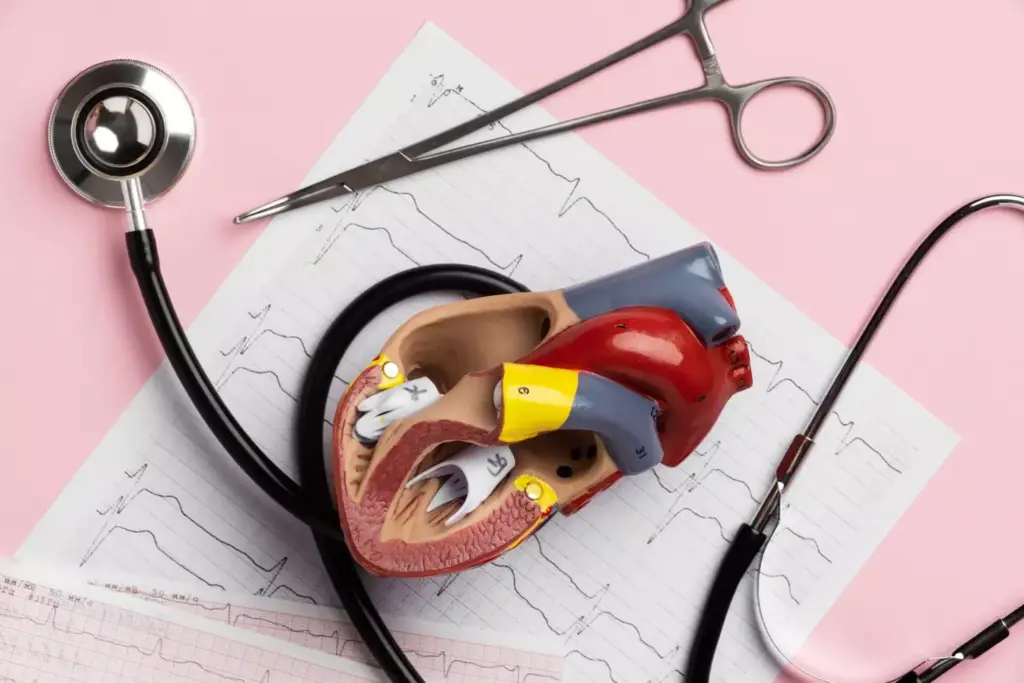
Understanding the link between Acute Myocardial Infarction (AMI) and sudden cardiac death is crucial for effective patient management. We will explore this complex relationship, focusing on the definition, epidemiology, and timeline of risk associated with sudden cardiac death post-AMI.
Defining Sudden Cardiac Death
Sudden cardiac death (SCD) is defined as an unexpected death due to cardiac causes that occurs within a short time period, usually within one hour of symptom onset, in a person with known or unknown cardiac disease. It is a tragic event that often occurs without warning, making understanding its relationship with AMI critical.
Epidemiology of Post-AMI Mortality
The epidemiology of post-AMI mortality is a significant concern, with studies indicating that the risk of SCD is highest in the period immediately following AMI. Epidemiological data show that the incidence of SCD is substantially higher in patients who have survived AMI, highlighting the need for close monitoring and risk stratification.
Timeline of Risk Following AMI
The timeline of risk following AMI is characterized by a high-risk period, particularly within the first 30 days post-AMI. During this critical period, the risk of SCD is significantly elevated, necessitating aggressive management strategies to mitigate this risk. We will discuss the importance of early intervention and long-term management to reduce the incidence of SCD.
By understanding the relationship between AMI and SCD, including the definition, epidemiology, and timeline of risk, healthcare providers can develop targeted strategies to improve patient outcomes. Effective management of AMI patients involves not only acute care but also long-term follow-up to reduce the risk of SCD.
Sudden Death Following AMI Is Most Often Caused By Lethal Arrhythmias
Sudden death following Acute Myocardial Infarction (AMI) is a catastrophic event that is most often caused by lethal arrhythmias. These life-threatening heart rhythm disorders can occur without warning, making immediate medical intervention challenging.
We will explore the mechanisms behind these lethal arrhythmias, focusing on ventricular fibrillation and sustained ventricular tachycardia, and discuss the role of electrical instability in the post-infarct heart.
Ventricular Fibrillation Mechanisms
Ventricular fibrillation (VF) is a severe form of arrhythmia characterized by rapid, erratic electrical activity in the heart’s ventricles. This activity prevents the heart from pumping blood effectively, leading to sudden cardiac arrest if not treated promptly.
- VF is often triggered by ischemia or infarction in the heart muscle.
- The condition can be caused by various factors, including electrolyte imbalances and certain medications.
- Immediate defibrillation is the most effective treatment for VF.
Sustained Ventricular Tachycardia
Sustained ventricular tachycardia (VT) is another potentially life-threatening arrhythmia that can occur after AMI. It is characterized by a fast heart rate originating from the ventricles, which can degenerate into VF if not managed properly.
The mechanisms behind sustained VT involve complex interactions between the infarcted heart tissue and the remaining healthy myocardium. Factors contributing to VT include:
- Scarring from previous myocardial infarctions.
- Electrolyte disturbances.
- Certain antiarrhythmic drugs.
Electrical Instability in the Post-Infarct Heart
The heart after an AMI is electrically unstable, making it prone to arrhythmias. This instability is due to various factors, including:
- Changes in the heart’s structure and function post-AMI.
- Inflammation and scarring.
- Electrolyte imbalances.
Understanding and managing these factors are crucial in preventing lethal arrhythmias and reducing the risk of sudden death following AMI.
Ischemic Heart Disease as a Fundamental Cause
At the heart of sudden death following AMI lies ischemic heart disease, a condition characterized by a mismatch between myocardial oxygen supply and demand. Ischemic heart disease is a broad term that encompasses various pathological processes affecting the heart’s ability to receive sufficient oxygen and nutrients.
The Oxygen Supply-Demand Imbalance
The heart’s demand for oxygen is finely tuned to its workload. During AMI, this delicate balance is disrupted due to the occlusion of a coronary artery, leading to an oxygen supply-demand imbalance. This imbalance results in ischemia, which can precipitate lethal arrhythmias and sudden cardiac death.
We recognize that the oxygen supply-demand imbalance is a critical factor because it directly affects the heart’s ability to function. When the heart muscle does not receive enough oxygen, it becomes electrically unstable, increasing the risk of dangerous arrhythmias.
Coronary Artery Disease Progression
Coronary artery disease (CAD) is the underlying cause of AMI and ischemic heart disease. The progression of CAD involves the gradual buildup of plaque in the coronary arteries, leading to their narrowing and eventual occlusion. This process is often accompanied by inflammation and can be accelerated by various risk factors, including hypertension, diabetes, and smoking.
We understand that the progression of CAD is a key factor in the development of ischemic heart disease. As CAD advances, the risk of AMI and subsequent sudden cardiac death increases.
Reperfusion Injury Complications
Reperfusion injury occurs when blood flow is restored to the heart after a period of ischemia. While reperfusion is essential for survival, it can also lead to additional damage, known as reperfusion injury. This injury can manifest as arrhythmias, myocardial stunning, or even no-reflow phenomenon, further complicating the clinical course.
We acknowledge that reperfusion injury is a significant complication of AMI treatment. The restoration of blood flow, while critical, must be managed carefully to mitigate the risk of reperfusion injury and its potentially fatal consequences.
Temporal Risk Patterns After AMI
After an AMI, patients face a complex and time-dependent risk landscape that clinicians must navigate. The period following an AMI is marked by varying levels of risk for sudden cardiac death, with the highest risk occurring in the initial period post-AMI.
The Critical First 30 Days
The first 30 days post-AMI are considered critical due to the significantly heightened risk of sudden cardiac death. During this period, the risk is particularly elevated due to the potential for lethal arrhythmias, mechanical complications, and other cardiovascular events.
Key factors contributing to the high risk in the first 30 days include:
- Electrical instability of the heart
- Potential for re-occlusion or re-infarction
- Mechanical complications such as ventricular rupture
Long-term Risk Assessment
Beyond the initial 30 days, the risk of sudden cardiac death gradually decreases but remains significant. Long-term risk assessment involves evaluating the patient’s overall cardiovascular health, including factors such as left ventricular function, presence of heart failure, and ongoing ischemia.
Risk Stratification Methods
Effective risk stratification is crucial for identifying patients at highest risk of sudden cardiac death post-AMI. This involves a combination of clinical evaluation, non-invasive testing, and sometimes invasive assessment.
| Risk Stratification Method | Description | Clinical Utility |
|---|---|---|
| Left Ventricular Ejection Fraction (LVEF) | Assessment of the heart’s pumping efficiency | Predicts risk of heart failure and arrhythmic events |
| Electrocardiogram (ECG) Analysis | Monitoring for arrhythmias and ischemic changes | Identifies patients at risk for lethal arrhythmias |
| Holter Monitoring | 24-48 hour ECG monitoring for arrhythmia detection | Useful for detecting transient arrhythmias |
By understanding temporal risk patterns after AMI and utilizing effective risk stratification methods, clinicians can better manage patient care and reduce the risk of sudden cardiac death.
Cardiogenic Shock as a Cause of Sudden Death
Following an AMI, cardiogenic shock represents a critical condition characterized by the heart’s inability to pump enough blood to meet the body’s needs. This condition is associated with high mortality rates and requires immediate medical attention.
Pathophysiology of Cardiogenic Shock
Cardiogenic shock following AMI is primarily due to extensive myocardial damage, leading to a significant reduction in the heart’s pumping function. The pathophysiology involves a complex interplay of factors, including the extent of myocardial infarction, the presence of underlying heart disease, and the body’s compensatory mechanisms.
We will examine the key factors contributing to cardiogenic shock:
- Extensive myocardial damage
- Underlying heart disease
- Compensatory mechanisms
Clinical Presentation and Diagnosis
The clinical presentation of cardiogenic shock includes symptoms such as hypotension, tachycardia, decreased urine output, and signs of peripheral hypoperfusion. Diagnosis is based on clinical findings, hemodynamic parameters, and imaging studies.
Key diagnostic criteria for cardiogenic shock are outlined in the following table:
| Diagnostic Criteria | Values/Characteristics |
|---|---|
| Systolic Blood Pressure | < 90 mmHg |
| Cardiac Index | < 2.2 L/min/m |
| PCWP | > 15 mmHg |
Management Approaches
The management of cardiogenic shock involves a multi-faceted approach, including hemodynamic support, revascularization, and addressing the underlying cause. We will discuss the various strategies used to manage cardiogenic shock, focusing on improving cardiac output and reducing mortality.
Key management strategies include:
- Hemodynamic support with inotropes and vasopressors
- Revascularization through PCI or CABG
- Mechanical support devices like IABP and LVAD
Left Ventricular Dysfunction and Heart Failure
The occurrence of left ventricular dysfunction post-AMI is a serious concern due to its association with an increased risk of sudden cardiac death. Left ventricular dysfunction refers to the reduced ability of the left ventricle to pump blood effectively, which can lead to heart failure. We will explore how this condition develops and its implications for patients who have experienced AMI.
Remodeling After Myocardial Infarction
After an AMI, the heart undergoes various changes in response to the injury, a process known as remodeling. This remodeling can involve changes in the size, shape, and function of the heart. Remodeling can lead to left ventricular dysfunction by altering the normal architecture and function of the heart, potentially resulting in heart failure.
The remodeling process involves complex cellular and molecular changes. It includes hypertrophy of the remaining viable myocardium, changes in the extracellular matrix, and sometimes, an increase in the size of the left ventricle. These changes can impair the heart’s ability to pump blood efficiently.
Systolic vs. Diastolic Dysfunction
Left ventricular dysfunction can manifest as either systolic or diastolic dysfunction. Systolic dysfunction refers to the heart’s inability to contract effectively, leading to a reduced ejection fraction. On the other hand, diastolic dysfunction occurs when the heart has difficulty relaxing and filling during diastole, even if the ejection fraction is normal.
Both types of dysfunction can lead to heart failure, but they have different underlying pathophysiologies. Understanding the type of dysfunction is crucial for determining the appropriate management strategy.
Heart Failure Progression and Sudden Death Risk
The progression of heart failure is a significant concern for patients with left ventricular dysfunction post-AMI. As heart failure advances, the risk of sudden cardiac death increases. This is due to various factors, including electrical instability, progressive remodeling, and the potential for life-threatening arrhythmias.
Assessing the risk of sudden death in these patients involves evaluating the severity of left ventricular dysfunction, the presence of arrhythmias, and other clinical factors. Managing heart failure effectively is crucial to reducing the risk of sudden death and improving the patient’s quality of life.
We recognize the importance of a comprehensive approach to managing patients with left ventricular dysfunction and heart failure. This includes not only medical therapy but also lifestyle modifications and, when necessary, device therapy to prevent sudden cardiac death.
Mechanical Complications Leading to Sudden Death
Mechanical issues post-AMI can result in severe and potentially fatal consequences. Mechanical complications are a critical concern as they can lead to sudden death if not promptly addressed.
Ventricular Free Wall Rupture
Ventricular free wall rupture is a catastrophic mechanical complication that occurs when the wall of the ventricle tears, leading to cardiac tamponade and potentially fatal outcomes. This condition requires immediate medical intervention.
Risk factors for ventricular free wall rupture include large infarct size, hypertension, and the use of anticoagulant therapy. Early recognition and management are crucial to prevent this complication.
Ventricular Septal Defects
Ventricular septal defects (VSDs) post-AMI are another serious mechanical complication. They occur when there is a rupture of the septum between the ventricles, leading to a left-to-right shunt. This condition can result in heart failure and cardiogenic shock.
The clinical presentation of VSDs includes a new-onset harsh holosystolic murmur, hemodynamic instability, and signs of heart failure. Prompt diagnosis and surgical intervention are essential to manage this condition effectively.
Papillary Muscle Rupture and Acute Mitral Regurgitation
Papillary muscle rupture is a mechanical complication that leads to acute mitral regurgitation, causing severe heart failure and potentially cardiogenic shock. The posteromedial papillary muscle is more commonly affected due to its single blood supply.
Management involves initial stabilization with vasodilators and inotropes, followed by surgical repair or replacement of the mitral valve. Early recognition and intervention are critical to improving outcomes.
Hypertensive Emergencies and AMI
Hypertensive emergencies can significantly complicate acute myocardial infarction (AMI), increasing the risk of sudden death. We will explore how these emergencies impact AMI patients and the strategies for managing hypertension in this critical context.
Recognizing Hypertensive Crisis
A hypertensive crisis is characterized by severely elevated blood pressure that can lead to organ damage. In AMI patients, recognizing this condition is crucial as it can exacerbate cardiac workload and worsen ischemia.
Key indicators of a hypertensive crisis include:
- Severely elevated blood pressure (typically >180/120 mmHg)
- Signs of organ damage, such as chest pain, dyspnea, or neurological deficits
Common Signs and Symptoms
Patients experiencing a hypertensive emergency may present with various signs and symptoms. We must be vigilant in identifying these to provide timely intervention.
| Signs and Symptoms | Clinical Implications |
|---|---|
| Severe hypertension | Increased cardiac workload, potential for further ischemia |
| Chest pain | Possible extension of myocardial infarction or acute coronary syndrome |
| Dyspnea | Potential for acute heart failure or pulmonary edema |
| Neurological deficits | Possible stroke or hypertensive encephalopathy |
Management of Hypertension in AMI Patients
Managing hypertension in AMI patients requires a careful balance to avoid compromising coronary perfusion. We recommend a cautious approach to lowering blood pressure.
Key principles include:
- Gradual reduction of blood pressure to avoid sudden drops
- Use of intravenous antihypertensive agents for precise control
- Continuous monitoring of blood pressure and clinical status
By understanding and promptly addressing hypertensive emergencies in AMI patients, we can significantly improve outcomes and reduce the risk of sudden death.
Vascular Complications Post-AMI
Following an AMI, the risk of vascular complications, including aortic dissection and embolic events, becomes a critical issue. We need to be aware of these potential complications to provide optimal care for our patients.
Aortic Dissection Considerations
Aortic dissection is a serious vascular complication that can occur after AMI. It involves a tear in the inner layer of the aorta, which can lead to separation of the layers of the aortic wall. This condition is life-threatening and requires immediate medical attention.
The symptoms of aortic dissection can be similar to those of AMI, making diagnosis challenging. We should consider aortic dissection in the differential diagnosis when patients present with severe, tearing chest pain.
Iliac Artery Involvement
Iliac artery involvement is another vascular complication that can arise post-AMI. This can include iliac artery occlusion or stenosis, which may lead to lower limb ischemia. Prompt recognition and treatment are crucial to prevent long-term damage.
- Iliac artery occlusion can cause severe leg pain and decreased pulses.
- Early intervention, such as angioplasty or stenting, can restore blood flow.
Embolic Events
Embolic events are a significant concern post-AMI, as they can lead to stroke, limb ischemia, or other organ damage. The risk of embolic events is higher in patients with large infarctions or those with mural thrombi.
- Patients with AMI should be assessed for the risk of embolic events.
- Anticoagulation therapy may be necessary to reduce this risk.
In conclusion, vascular complications post-AMI, including aortic dissection, iliac artery involvement, and embolic events, require careful consideration and management. We must be vigilant in monitoring patients for these potential complications to improve outcomes.
Emergency Recognition and Intervention
In the critical hours following AMI, swift emergency recognition and intervention can be lifesaving. We will discuss the importance of prompt identification and treatment of AMI complications.
Pre-Hospital Management
Pre-hospital management is a critical phase in the care of AMI patients. It involves rapid assessment, appropriate triage, and timely transportation to a medical facility. Key elements include:
- Early recognition of AMI symptoms by patients and bystanders
- Prompt calling of emergency services
- Initial assessment and stabilization by emergency medical technicians (EMTs)
Effective pre-hospital care can significantly reduce the time to treatment, thereby improving outcomes.
Emergency Department Protocols
Upon arrival at the emergency department, established protocols ensure that AMI patients receive timely and appropriate care. These protocols typically include:
- Rapid triage and assessment by the emergency department team
- Immediate electrocardiogram (ECG) and other diagnostic tests
- Activation of the cardiac catheterization lab for primary percutaneous coronary intervention (PCI)
Adherence to these protocols is crucial for minimizing door-to-balloon time, a key metric in AMI care.
Time-Critical Interventions
Time-critical interventions are vital in the management of AMI. These include:
- Primary PCI: The preferred reperfusion strategy for AMI patients, if available promptly.
- Thrombolysis: An alternative reperfusion strategy when primary PCI is not readily available.
- Management of complications such as cardiogenic shock.
Timely intervention can significantly improve survival and reduce morbidity in AMI patients.
Conclusion
Sudden death following AMI is a significant concern that necessitates a comprehensive understanding of its underlying causes. Throughout this article, we have explored the various factors that contribute to this risk, including lethal arrhythmias, cardiogenic shock, left ventricular dysfunction, and mechanical complications.
Understanding the temporal risk patterns after AMI is crucial for identifying individuals at high risk and implementing timely interventions. We have discussed the critical role of ischemic heart disease, hypertensive emergencies, and vascular complications in contributing to sudden death following AMI.
By recognizing the causes and risk factors associated with sudden death following AMI, healthcare providers can develop targeted strategies for prevention and management. Effective emergency recognition and intervention are also vital in reducing mortality rates.
In conclusion, sudden death following AMI is a complex issue that requires a multifaceted approach to prevention and treatment. By continuing to advance our understanding of the underlying causes and risk factors, we can work towards reducing the incidence of sudden death and improving outcomes for patients with AMI.
What is Acute Myocardial Infarction (AMI)?
Acute Myocardial Infarction (AMI), commonly known as a heart attack, occurs when blood flow to the heart is severely blocked, causing damage to the heart muscle due to lack of oxygen.
What are the common risk factors for AMI?
Common risk factors for AMI include hypertension, hyperlipidemia, diabetes mellitus, smoking, family history of coronary artery disease, and obesity.
What is sudden cardiac death, and how is it related to AMI?
Sudden cardiac death is an unexpected death due to cardiac causes that occurs within a short time frame, usually within an hour of symptom onset. It is often related to AMI due to lethal arrhythmias such as ventricular fibrillation.
What are lethal arrhythmias, and how do they cause sudden death following AMI?
Lethal arrhythmias, including ventricular fibrillation and sustained ventricular tachycardia, are abnormal heart rhythms that can lead to sudden cardiac death by disrupting the heart’s ability to pump blood effectively.
How does ischemic heart disease contribute to sudden death following AMI?
Ischemic heart disease contributes to sudden death following AMI by causing an oxygen supply-demand imbalance, promoting coronary artery disease progression, and potentially leading to reperfusion injury complications.
What is the timeline of risk following AMI?
The risk of sudden death is highest in the first 30 days following AMI, but it remains elevated beyond this initial period, necessitating long-term risk assessment and management.
What is cardiogenic shock, and how does it lead to sudden death?
Cardiogenic shock is a condition where the heart is unable to pump enough blood to meet the body’s needs, often due to severe AMI. It can lead to sudden death if not promptly and effectively managed.
How do mechanical complications such as ventricular free wall rupture lead to sudden death?
Mechanical complications like ventricular free wall rupture can lead to sudden death by causing cardiac tamponade, where fluid accumulates in the sac around the heart, compressing it and preventing it from pumping effectively.
What is the role of hypertensive emergencies in AMI?
Hypertensive emergencies can complicate AMI by increasing the workload on the heart, potentially worsening ischemia and leading to further cardiac damage.
What vascular complications can occur post-AMI?
Vascular complications post-AMI can include aortic dissection, where the inner layer of the aorta tears, and embolic events, where clots form and travel to other parts of the body, potentially causing organ damage.
Why is emergency recognition and intervention critical in AMI?
Emergency recognition and intervention are crucial in AMI to promptly restore blood flow to the heart, minimize damage, and prevent complications such as lethal arrhythmias and sudden cardiac death.
What are the key elements of pre-hospital management for AMI?
Key elements of pre-hospital management for AMI include rapid assessment, administration of aspirin, and activation of the emergency medical services (EMS) system for timely transport to a medical facility.
What are the critical interventions in the emergency department for AMI?
Critical interventions in the emergency department for AMI include electrocardiogram (ECG) assessment, administration of antiplatelet therapy and anticoagulation, and timely activation of the cardiac catheterization laboratory for revascularization.
References:
• American Heart Association. (n.d.). Circulation. Retrieved from https://www.ahajournals.org/circ/about
• Pulsed Field Ablation Using Focal Contact Force–Sensing Catheters for Treatment of Atrial Fibrillation: 1-Year Outcomes of the ECLIPSE AF Study. (2024, December 19). Retrieved from https://www.ahajournals.org/journal/circep
• Sudden Death after Myocardial Infarction. (n.d.). Retrieved from https://pmc.ncbi.nlm.nih.gov/articles/PMC2731625/
• Rates of Sudden Death After Myocardial Infarction-Insights From the Study. (n.d.). Retrieved from https://pubmed.ncbi.nlm.nih.gov/39110471/