

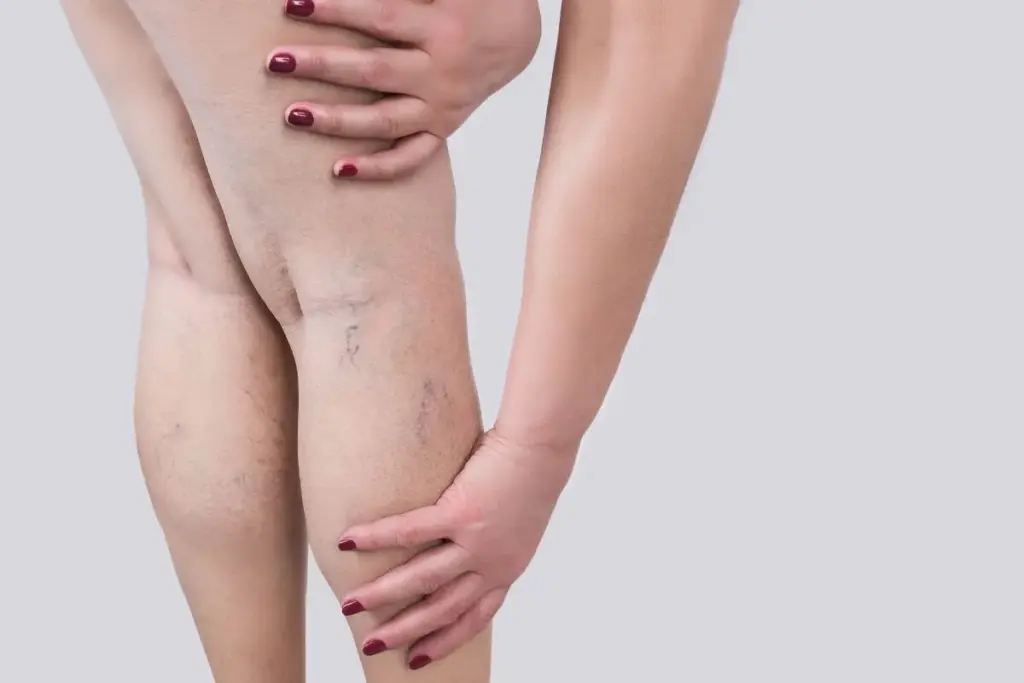
Varicose veins often run in families, with genetics playing a big role. If your parent has varicose veins, you’re more likely to get them too. This shows how important it is to know about the genetic link to this common condition.
We know that genetic factors are key in getting varicose veins. Knowing this can help you prevent them or find the right treatment. Our team offers top-notch care for those dealing with this issue.
Key Takeaways
- Varicose veins have a strong hereditary component.
- Genetic influence is a key risk factor for developing varicose veins.
- Having one parent with varicose veins increases your risk by about 40%.
- Understanding the genetic link can help individuals take preventive measures.
- Comprehensive care is available for those affected by varicose veins.
Understanding Varicose Veins: A Common Vascular Condition
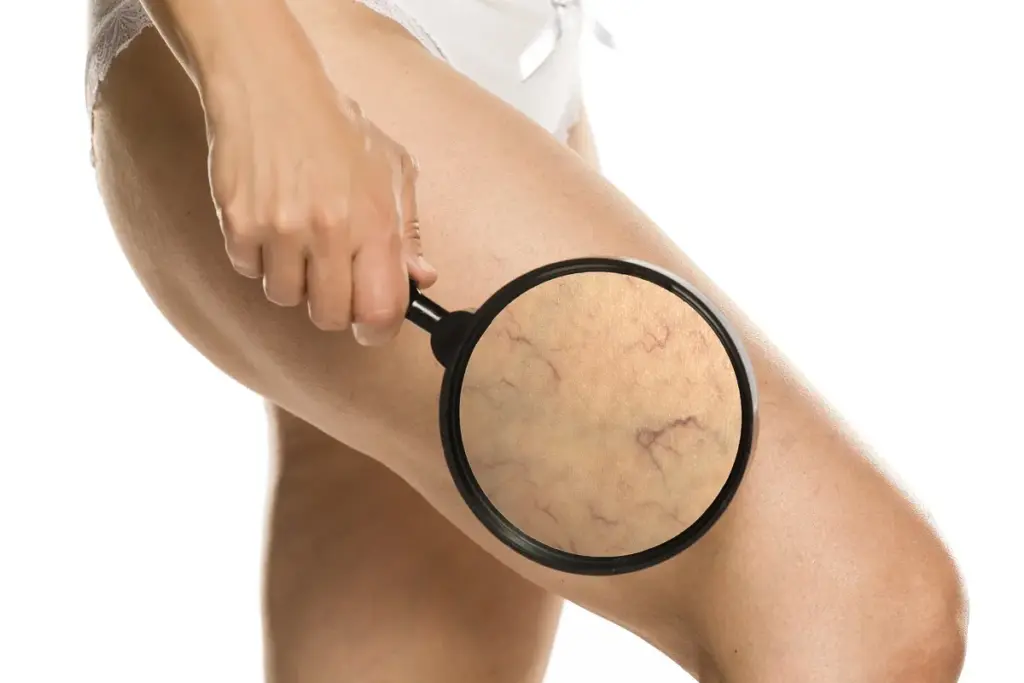
Varicose veins are more than just a cosmetic issue. They show an underlying vascular problem. This can cause discomfort and serious health issues if not treated.
What Are Varicose Veins?
Varicose veins are enlarged, twisted veins on the legs. They happen when the veins’ valves don’t work right. This leads to blood pooling, making veins big and twisted.
Studies show genetics play a big role, affecting 13% to 28% of people. Knowing your family history is key to understanding vascular health.
How Varicose Veins Develop
Varicose veins develop from many factors. Weak or damaged valves cause blood to pool, stretching veins. Age, gender, and hormones also influence their development.
Learn more about genetics and varicose veins at. It offers insights into venous disease genetics.
Knowing how varicose veins form is key to prevention and treatment. Recognizing causes and risk factors helps prevent them. It also guides when to seek medical help.
The Genetic Link: Are Varicose Veins Hereditary?

Varicose veins often run in families, hinting at a genetic link. This has led to many studies on the hereditary factors behind them.
Research Evidence on Hereditary Factors
Studies have found genetic variants that raise the risk of varicose veins. Genes like CASZ1 and PIEZO1 are connected to the condition. Researchers have found dozens of genetic variants in these genes, linked to a higher risk of varicose veins.
|
Gene |
Association with Varicose Veins |
|---|---|
|
CASZ1 |
Linked to increased risk |
|
PIEZO1 |
Associated with venous disease |
Family History as a Predictor
A family history of varicose veins is a big risk factor. If both parents have them, the risk is as high as 90%. This shows how important it is to understand genetic risk in managing and preventing varicose veins.
What Causes Varicose Veins in Legs: The Genetic Component
Genetics play a big role in varicose veins, affecting vein structure and function. Studies show that genes are responsible for 13% to 28% of varicose vein risk.
Genes are key in shaping vein structure and function. Certain genetic variants raise the risk of varicose veins. For example, the FOXC2 gene is linked to varicose veins by influencing blood vessel development.
How Genes Influence Vein Structure and Function
Genes shape the venous system’s development and strength. Gene variations can weaken vein walls and valves. This increases the risk of varicose veins.
- Genetic variants can affect the production and function of proteins essential for vein health.
- Alterations in genes related to vascular development can lead to abnormal vein structure.
- Some genetic mutations can impair the normal functioning of vein valves.
Genetic Variants Associated with Venous Disease
Several genetic variants are linked to varicose veins. These variants often affect genes involved in blood vessel development and maintenance.
- The FOXC2 gene is vital for the development of the lymphatic and vascular systems.
- Variants in genes such as CASZ1 and PIEZO1 have been associated with an increased risk of varicose veins.
- Genetic studies have identified multiple loci associated with varicose veins, highlighting the complex genetic landscape of the disease.
Understanding genetic variants linked to varicose veins helps identify those at higher risk. It can also guide preventive measures.
The Science Behind Genetic Predisposition
Genetics play a big role in varicose veins, thanks to new research. We can now spot certain genes and variants linked to varicose veins. This knowledge helps us create better treatments and ways to prevent it.
Significant Genes Associated with Varicose Veins
Studies have found several genes linked to varicose veins. CASZ1 and PIEZO1 are key players. They help with blood vessel growth and work, and changes in them can raise the risk of varicose veins.
Key Findings from Genome-Wide Association Studies
Genome-wide association studies (GWAS) have been key in finding genetic links to varicose veins. They compare the genes of people with varicose veins to those without. Recent research has found many genetic variants in CASZ1 and PIEZO1, shedding light on varicose veins’ genetic roots.
The table below shows some important genes and their roles:
|
Gene |
Function |
Association with Varicose Veins |
|---|---|---|
|
CASZ1 |
Involved in vascular development |
Variations increase susceptibility |
|
PIEZO1 |
Plays a role in mechanosensation and vascular function |
Mutations can lead to increased risk |
Getting to know how genetics lead to varicose veins is vital. By figuring out which genes are involved, we can make better prevention and treatment plans.
Statistical Evidence: Measuring Genetic Influence
esearch has shown that genetics play a big role in varicose veins risk. Studies have found that genes significantly affect the chance of getting varicose veins.
Quantifying Genetic Risk
13-28% Genetic Contribution to Risk
Genetic factors are responsible for 13% to 28% of varicose veins risk. This shows that genetics vary in different groups.
A study in a Journal found that genes account for about 20% of varicose veins risk in Europeans.
40-90% Risk Based on Parental History
Having parents with varicose veins raises your risk a lot. Studies say that if one or both parents have it, your risk is 40% to 90%.
A study in a European Journal found that family history increases your risk. The risk is highest if both parents have varicose veins.
This evidence shows how important genetics are in varicose veins. Knowing this can help you understand your risk and prevent it.
By recognizing genetics’ role, you can work with doctors to lower your risk of varicose veins.
- Genetic factors contribute significantly to varicose vein risk.
- Parental history is a strong predictor of varicose vein development.
- Understanding genetic risk can inform preventive measures.
Inheritance Patterns of Varicose Veins
Studies show that having varicose veins is more likely if one or both parents have them. This is why knowing about the inheritance patterns of varicose veins is key.
Parental history greatly affects the risk of getting varicose veins. If one parent has them, the risk is about 40%. But if both parents do, the risk goes up to 90%. This shows how genetics play a big role in varicose veins.
Single vs. Dual Parental Influence
Parental history affects varicose veins in two ways: single and dual influence. Having one parent with varicose veins raises the risk a lot. But if both parents have them, the risk goes up even more, showing a strong genetic effect.
Key statistics on parental influence include:
- Having one parent with varicose veins increases the risk to approximately 40%.
- Having both parents with varicose veins increases the risk to about 90%.
Multi-Generational Patterns
Varicose veins can run in families for generations. This shows a strong genetic link. It helps identify who might be at higher risk.
Understanding these patterns can aid in early detection and prevention. Knowing your family history can help you take steps to avoid varicose veins. This can greatly improve your quality of life.
For example, people with a family history of varicose veins can make lifestyle changes. These changes can lower their risk. Taking proactive steps can make a big difference.
Beyond Genetics: Other Risk Factors for Varicose Veins
Varicose veins aren’t just about genes. Other factors also play a big role. While genes can influence it, other elements can increase your risk.
Age, Gender, and Hormonal Influences
Age is a big risk factor for varicose veins. As we get older, our vein valves weaken. This can lead to poor blood flow and varicose veins. Women are more likely to get varicose veins than men.
Hormonal changes, like those during pregnancy or menopause, can also affect veins. These changes can make veins relax and not work right. This is why some women see varicose veins get worse during these times.
Lifestyle and Environmental Factors
Lifestyle and environment also play a big part. Being overweight is a risk because it puts more pressure on leg veins. Sitting or standing for long times can also harm blood flow.
|
Risk Factor |
Description |
Impact on Vein Health |
|---|---|---|
|
Age |
Weakening of vein valves over time |
Increased risk of varicose veins |
|
Gender |
Hormonal influences, particular in women |
Higher incidence in women |
|
Obesity |
Excess weight putting pressure on leg veins |
Increased risk due to added pressure |
|
Prolonged Sitting/Standing |
Affects blood circulation |
Contributes to varicose vein development |
Knowing these risk factors can help you prevent varicose veins. Stay healthy, exercise regularly, and avoid sitting or standing for too long.
Common Misconceptions About Varicose Veins and Heredity
Many people don’t understand varicose veins well. They think genetics or lifestyle changes are the only causes. But, the truth is more complex.
Separating Myths from Facts
Some think varicose veins are just for looks. But, they can be a sign of a bigger problem. Ignoring them can lead to serious health issues.
Others believe family history means you’ll definitely get varicose veins. While genes matter, they’re not the only factor.
Many believe varicose veins only happen to older people. But, they can affect anyone, young or old. This is due to genetics, being overweight, or not moving enough.
Understanding Genetic vs. Environmental Causes
Varicose veins come from both genes and lifestyle. Some people might be more likely to get them because of their genes. But, things like standing a lot, being overweight, or not exercising can also play a big role.
To understand how genes and lifestyle interact, let’s look at some data:
|
Risk Factor |
Genetic Influence |
Environmental Influence |
|---|---|---|
|
Family History |
High |
Low |
|
Obesity |
Moderate |
High |
|
Prolonged Standing |
Low |
High |
|
Age |
Moderate |
High |
The table shows both genes and lifestyle are important for varicose veins. Knowing this can help people prevent them and get the right treatment if needed.
Prevention Strategies for Those with Genetic Predisposition
If you’re at risk for varicose veins due to your genes, it’s key to take steps to prevent them. We can’t change our genes, but we can act to lower the risk of getting varicose veins.
Combining lifestyle changes with medical prevention can help a lot. This way, we can make it less likely to get varicose veins.
Lifestyle Modifications to Reduce Risk
Changing your lifestyle can greatly lower the risk of varicose veins. Here are some good changes to make:
- Regular Exercise: Exercise helps blood flow better and makes vein-supporting muscles stronger.
- Maintaining a Healthy Weight: Being overweight can strain veins. So, eating right and exercising is important.
- Avoiding Prolonged Sitting or Standing: Moving around often can ease vein pressure.
- Elevating Legs: Raising your legs can help with swelling and improve blood flow.
Preventive Medical Approaches
Medical steps can also help prevent varicose veins. Here are some:
- Compression Stockings: These stockings can boost blood flow and ease vein pressure.
- Regular Check-Ups: Seeing a doctor often can catch problems early.
- Sclerotherapy: This treatment might be suggested for those at high risk.
By using these prevention strategies, people at risk for varicose veins can lower their chances of getting them.
Treatment Options for Hereditary Varicose Veins
There are many ways to treat hereditary varicose veins. You can choose from simple steps to more serious surgeries. Knowing your options helps you find the best way to manage your condition.
Conservative Management Approaches
Starting with simple steps is often the first choice. Wearing compression stockings helps improve blood flow and reduces swelling. Also, staying active, keeping a healthy weight, and not sitting or standing for too long are key.
Compression stockings are a simple yet effective solution. They apply pressure to help blood flow back to the heart. This can greatly lessen the pain from varicose veins.
Medical and Surgical Interventions
For more serious cases, doctors might suggest medical or surgical treatments. Sclerotherapy involves injecting a solution to close the vein. Other options include endovenous laser ablation and surgically removing the vein.
These treatments are usually done without needing to stay in the hospital. The right choice depends on how bad the varicose veins are and your overall health.
The Future of Genetic Research in Venous Disease
Genetic research is changing how we treat venous disease. We’re learning more about how genes affect varicose veins. This knowledge opens up new ways to prevent and treat the condition.
Emerging Genetic Technologies
Genetic technologies are evolving fast, changing venous disease research. Tools like genome-wide association studies (GWAS) and next-generation sequencing (NGS) help find genes linked to varicose veins. These new tools promise to deepen our understanding of venous disease genetics.
Gene editing technologies, like CRISPR/Cas9, are being looked at for treating genetic disorders. They’re in the early stages but could be a game-changer for fighting varicose veins.
Potential for Personalized Medicine
Personalized medicine for venous disease is an exciting future possibility. It means treatments could be tailored to an individual’s genetic makeup. This could make managing varicose veins more effective and improve patient results.
Personalized medicine might include targeted therapies based on a person’s genetic markers. For example, finding specific genes linked to venous disease could lead to new drugs. This could change the way we treat venous disease, moving away from a one-size-fits-all approach.
As genetic research grows, we’ll understand more about how genes and environment interact in varicose veins. This knowledge is key for creating prevention and treatment plans that fit each person’s needs.
When to Seek Medical Help for Varicose Veins
Knowing when to get medical help for varicose veins is key. They are not just a cosmetic issue. Untreated varicose veins can lead to serious health problems. We will look at warning signs and how to find a good vascular specialist.
Warning Signs and Complications
It’s important to know the signs that varicose veins need medical attention. Look out for increasing pain, swelling, and skin changes. If you notice these, get medical help right away.
Complications from varicose veins include:
- Thrombophlebitis: Inflammation of the veins due to a blood clot.
- Venous ulcers: Open sores that can develop due to poor circulation.
- Bleeding: Varicose veins can bleed easily due to the thin walls of the veins.
Knowing about these complications and their symptoms helps you know when to seek help. Here’s a quick summary:
|
Complication |
Symptoms |
|---|---|
|
Thrombophlebitis |
Pain, swelling, redness, and warmth around the affected vein |
|
Venous ulcers |
Open sores, typically around the ankle area |
|
Bleeding |
External bleeding from the varicose vein |
Finding the Right Vascular Specialist
If you’re seeing warning signs or complications, finding the right vascular specialist is vital. Look for someone experienced in treating varicose veins. Ask your primary care doctor for a referral or check with your insurance for specialists in your network.
Varicose veins can really affect your quality of life. So, it’s important to get medical help when needed.
Conclusion: Understanding Your Risk and Taking Action
Knowing about the genetic link to varicose veins and other risk factors is key. Being informed and proactive can help lower the chance of getting varicose veins. It’s important to understand your risk to make smart health choices.
Acting on varicose veins risk means making lifestyle changes and seeking medical help. These steps can help manage risk and prevent serious problems. We suggest talking to a vascular specialist to find the right plan for you.
By knowing your risk and taking steps to prevent it, you can control your vascular health. We aim to offer top-notch healthcare and support for international patients. We believe that knowing your health situation helps you manage it better.
FAQ
Are varicose veins genetic?
Yes, research shows genetics play a big role in varicose veins. Certain genes increase the risk of getting them.
Can you get rid of varicose veins?
Yes, there are many ways to treat varicose veins. Options range from lifestyle changes to surgery. The best choice depends on the severity and your situation.
How to get rid of veins on legs?
To treat varicose veins on legs, try lifestyle changes and compression stockings. Sclerotherapy or surgery like vein stripping might also work. A vascular specialist can guide you.
Are varicose veins hereditary?
Yes, varicose veins often run in families. If your parents have them, you’re more likely to get them too.
What are varicose veins caused from?
Varicose veins happen when vein valves don’t work right. This causes blood to pool and veins to get bigger. Genetics, age, and lifestyle can all play a part.
How to get rid of varicose veins on legs?
For varicose veins on legs, try lifestyle changes and compression therapy. Medical or surgical treatments might also be needed. The right choice depends on how severe they are and your health.
What causes varicose veins in legs?
Varicose veins in legs come from genetics, lifestyle, and environment. Weak valves, age, and hormones all contribute.
Are varicose veins inherited?
Yes, varicose veins often run in families. If your family has them, you’re more likely to get them too.
How to prevent varicose veins?
To prevent varicose veins, live a healthy lifestyle. Exercise regularly, avoid standing or sitting too long, and elevate your legs. Compression stockings can also help.
What are the risk factors for varicose veins?
Risk factors for varicose veins include genetics, age, gender, and hormonal changes. Obesity and certain lifestyles also increase the risk.
Can varicose veins be treated without surgery?
Yes, not all varicose veins need surgery. Conservative treatments and minimally invasive options like sclerotherapy or laser therapy can work for some.

























