
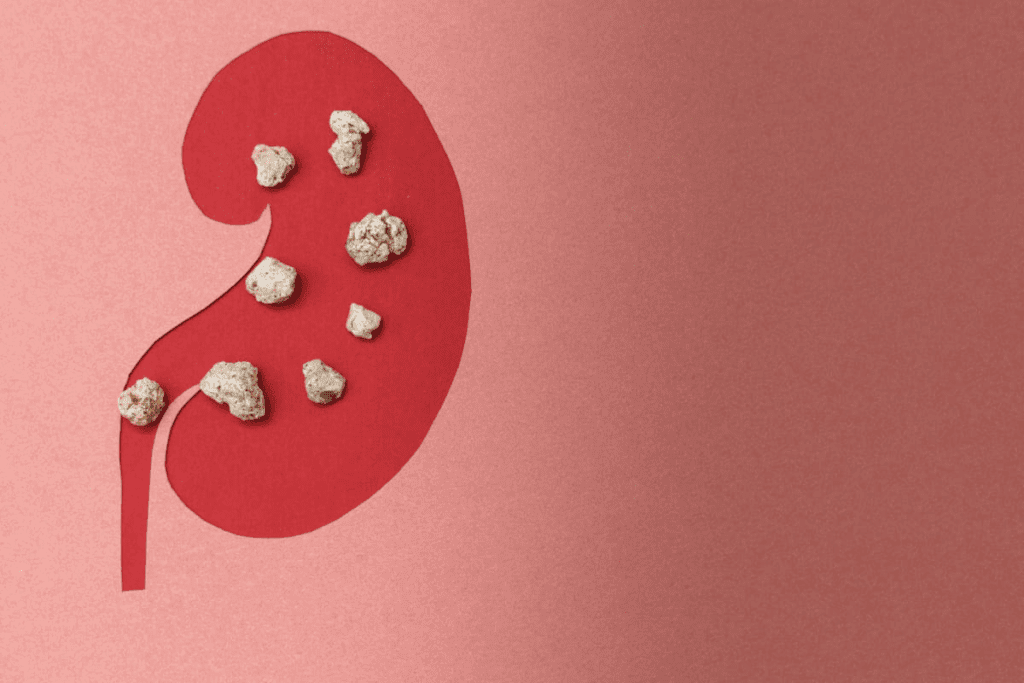
Kidney stones are hard objects made of minerals and salts in urine. They form inside the kidneys. Knowing what they look like is key to spotting them.What color are kidney stones? Get a visual guide to the colors of different stone compositions and what their appearance indicates.c
Most kidney stones are yellow or brown in color. But, their size and look can change a lot. At Liv Hospital, we help you understand these stones and their impact on your health.
Knowing the different types of kidney stones is important. It helps us understand what they’re made of and why they form.
Key Takeaways
- Kidney stones vary in color, size, and appearance.
- Most are yellow or brown, depending on composition.
- Understanding stone characteristics is key for your health.
- Liv Hospital offers full care for kidney stone patients.
- Knowing the stone type can show what’s causing it.
Understanding Kidney Stones: Formation and Basics
Kidney stones form when there’s an imbalance in the urine. This imbalance causes minerals and salts to crystallize, forming stones.
We will look into how kidney stones develop and what causes them. We’ll also discuss how to prevent and treat them.
How Kidney Stones Develop
Kidney stones form through crystallization. Normally, urine has chemicals that stop stones from forming. But, if there’s too much of the wrong substances, stones can form.
The process starts with minerals like calcium, oxalate, and uric acid in the urine. When these minerals are too concentrated, they crystallize and form stones.
Common Causes of Kidney Stone Formation
Several factors lead to kidney stone formation. These include:
- Diet: Foods high in salt, animal protein, and oxalate increase the risk.
- Dehydration: Not drinking enough water can make urine more concentrated, raising the risk.
- Family History: If your family has a history of kidney stones, you’re more likely to get them.
- Medical Conditions: Certain conditions, like hyperparathyroidism and urinary tract infections, also increase the risk.
Cause | Description | Prevention Strategy |
Diet | High intake of salt, animal protein, and oxalate | Balance diet, reduce salt and oxalate intake |
Dehydration | Inadequate fluid intake | Increase water intake |
Family History | Genetic predisposition | Regular check-ups, monitor urine concentration |
“Understanding the causes of kidney stones is key to prevention and treatment. Knowing the underlying factors helps individuals take steps to lower their risk.”
What Color Are Kidney Stones? A Comprehensive Overview

The color of a kidney stone tells us more than just how it looks. It shows what the stone is made of and what health issues might have caused it. Kidney stones can be white, cream, reddish-brown, or amber. Each color might mean the stone is made of something different.
Factors Affecting Kidney Stone Color
Many things can change the color of a kidney stone. These include what the stone is made of, the minerals in it, and how it formed. For example, stones with calcium oxalate are often dark brown or black. Stones made of uric acid are usually yellow or reddish-brown.
Composition is key in determining a stone’s color. Different stones have unique colors because of their chemical makeup.
Common Color Variations
Kidney stones come in many colors, each linked to a specific type:
- White or cream: Often found in calcium phosphate stones.
- Dark brown or black: Usually means the stone is calcium oxalate.
- Yellow or reddish-brown: Common in uric acid stones.
- Amber: Often seen in cystine stones.
What Kidney Stone Color Can Tell You
The color of a kidney stone can tell us a lot about it. It can show what the stone is made of and why it formed. Knowing the color helps doctors figure out what kind of stone it is and how to treat it.
Stone Color | Possible Composition | Clinical Implication |
Dark Brown/Black | Calcium Oxalate | High oxalate intake or metabolic disorders. |
Yellow/Reddish-Brown | Uric Acid | Diet high in purines or dehydration. |
White/Cream | Calcium Phosphate | Hyperparathyroidism or renal tubular acidosis. |
Amber | Cystine | Genetic disorder affecting cystine transport. |
Looking at the color of a kidney stone helps doctors understand its causes. They can then plan the best treatment.
Calcium Oxalate Stones: The Most Common Type
Calcium oxalate stones are the most common type of kidney stone. They are found in a big part of cases all over the world. These stones are made mostly of calcium oxalate and have special features.
Appearance and Color Characteristics
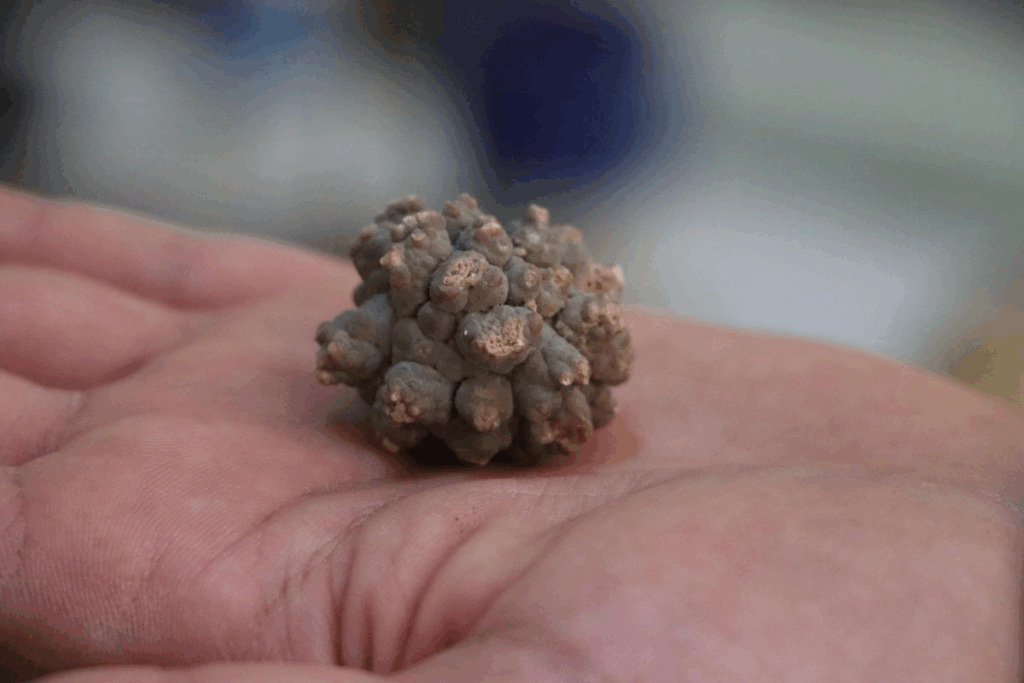
Calcium oxalate stones usually look dark brown or black. Their color might change a bit based on what else is in them. The dark color comes from oxalate, a key part of these stones.
Their look can also change because of how they’re structured. This structure often makes them look spiky or irregular.
Surface Texture and Structure
The surface of calcium oxalate stones is often rough or spiky. This is because of their structure. This can make them more likely to cause pain as they move through the urinary tract.
The structure of these stones can differ. Some are more packed than others. This can change how they look and how they show up in medical images.
Visual Examples and Identification
You can find pictures of calcium oxalate stones in medical resources. These pictures show their dark color and spiky surface.
To identify calcium oxalate stones, doctors use imaging and analyze the stone’s makeup. Knowing what these stones look like is key for correct diagnosis and treatment.
Calcium Phosphate Stones: Appearance and Identification
Calcium phosphate stones form in the kidneys under certain conditions. They have unique looks that help identify them.
Color Range and Visual Properties
These stones are usually white or pale yellow. Their color is a key way to tell them apart from other stones. The look of these stones can change based on other minerals or how they form.
Distinguishing Features
Calcium phosphate stones have a smooth texture. This is different from calcium oxalate stones, which are often rougher. Their smoothness is a key feature for identifying them.
Comparison with Other Stone Types
Calcium phosphate stones differ from others like calcium oxalate or uric acid stones. They are lighter and smoother. Knowing these differences helps in identifying and treating the stones correctly.
The look of kidney stones varies a lot based on their makeup. By looking at their color, texture, and other features, doctors can learn a lot. This helps them understand the stone’s type and possible causes.
Uric Acid Stones: Color and Visual Characteristics
Knowing how to spot uric acid stones is key to managing them. We’ll look at what makes these stones unique, like their color and how they look. This includes their color, how clear they are, and their surface details.
Amber and Reddish Hues
Uric acid stones usually show up in yellow, orange, or reddish-brown colors. They might look translucent or smooth, which helps them stand out. Their color comes from the uric acid crystals they’re made of.
Transparency and Surface Features
How clear uric acid stones are can vary. Some are more transparent or have a smooth surface. Others might be less clear. The surface details can tell us about the stone’s makeup and how it formed.
How Diet Affects Appearance
What we eat affects uric acid stones a lot. Eating a lot of animal protein can up the risk of getting these stones. Dehydration and some health issues can also change how they look. Knowing this helps us prevent and manage uric acid stones better.
Uric acid stones are linked to certain diets and health issues. Making smart choices in our lifestyle can lower the risk of getting them.
Struvite Stones: Infection-Related Formations
We look at struvite stones, a type of kidney stone linked to urinary tract infections. These stones grow fast and have unique features. Knowing about them is key for diagnosis and treatment.
Color and Appearance
Struvite stones usually look white or light gray. Their color hints at their makeup and cause. These stones often show up with infections. They might not cause symptoms until they grow big.
Unique Structural Properties
Struvite stones grow fast and can form a branched or staghorn shape. This quick growth can cause serious problems if not treated quickly. Their shape is linked to urinary tract infections.
Identifying Infection-Related Stones
Spotting struvite stones means knowing their look and the situation they appear in. Doctors look for certain signs, like color and shape, to spot them right. Spotting these stones is key to treating the infection well.
Understanding struvite stones helps both patients and doctors manage and treat these stones better.
Cystine Stones: Rare but Distinctive
Cystine stones are a rare type of kidney stone linked to a genetic disorder. They have a unique look and play a big role in diagnosing and treating kidney stone disease.
Amber Coloration
Cystine stones are known for their amber color. This color comes from the cystine, an amino acid, in the stones. The color can change but is always a key sign.
Identifying Features
These stones are smooth and have a uniform texture. Knowing these traits is key for spotting them.
Genetic Factors and Appearance
The making of cystine stones is tied to cystinuria, a genetic disorder. This condition makes the kidneys leak cystine into the urine. This leads to stone formation. The genetic link affects how they look and come back.
Characteristics | Description |
Color | Amber |
Texture | Smooth |
Composition | Cystine |
Genetic Link | Cystinuria |
Kidney Stone Sizes: From Microscopic to Staghorn
Kidney stones vary in size, from tiny crystals to large staghorn stones. The size of a stone affects its symptoms and treatment. Knowing about different sizes helps doctors diagnose and treat them.
Size Classification
Kidney stones are sorted by size. They can be:
- Microscopic stones: These are tiny, not seen without a microscope.
- Small stones: Less than 5 mm in diameter.
- Medium stones: Between 5 mm to 10 mm in diameter.
- Large stones: Over 10 mm, up to several centimeters.
- Staghorn stones: Large, filling the renal pelvis and branching into calyces.
How Size Affects Appearance
The size of a stone changes how it looks:
- Surface texture: Bigger stones have a rougher surface.
- Color: Size doesn’t affect color, but bigger stones might look more mixed.
- Shape: Staghorn stones are big and have a unique branched shape.
What Do Passed Kidney Stones Look Like?
Looking at passed kidney stones is key to understanding kidney stone disease. By examining them, we can figure out what they’re made of. This helps us know why they formed in the first place.
Appearance in Urine
Kidney stones in urine can look different, depending on their size and what they’re made of. Some are tiny and hard to see, while others are big and easy to spot. Passing a stone can also change the color or feel of your urine, giving clues about the stone itself.
Using a Strainer for Collection
To study a passed kidney stone, using a strainer is helpful. We suggest using a fine-mesh strainer to catch the stone. This lets you see its size, shape, and color more clearly.
- Place the strainer in the toilet bowl before urinating.
- After passing the stone, carefully pour the urine and stone into the strainer.
- Rinse the stone gently with water to remove any debris.
- Examine the stone for its size, shape, and color.
Differences Between Male and Female Passed Stones
Studies show men and women pass different types of kidney stones. Men often get calcium oxalate stones, while women might get struvite stones. But, each person’s stone can be different, so these are just general trends.
Changes in Urine Color and Consistency
Kidney stones can make your urine look or feel different. Some common signs include:
- Cloudy or murky urine
- Blood-tinged urine
- Strong-smelling urine
These changes might mean there’s an infection or another problem with the stone. If your urine looks or smells odd, see a doctor right away.
Conclusion: Understanding Your Kidney Stones
It’s important to know about kidney stones to diagnose and prevent them. The color and look of kidney stones tell us a lot about what they’re made of and why they form. Knowing about different types of stones helps people take steps to avoid them.
Diet and genetics play big roles in kidney stone formation. Stones can be yellow or brown, like calcium oxalate, or amber, like cystine. Knowing the color can help figure out what the stone is made of.
Knowing the color and characteristics of kidney stones helps manage them better. This knowledge lets people work with doctors to prevent more stones. It’s a step towards reducing the chance of getting more stones in the future.
FAQ
What color are kidney stones?
Kidney stones can be white, yellow, brown, or even black. This depends on what they’re made of.
What does a kidney stone look like?
They can be small and smooth or big and jagged. Their surface can be rough or smooth.
What do different colors of kidney stones indicate?
The color can tell you what the stone is made of. For example, brown or tan stones are often calcium oxalate. Yellow or reddish stones are usually uric acid.
How do calcium oxalate stones appear?
These stones are usually dark brown or tan. They can also have a rough surface.
What do uric acid stones look like?
Uric acid stones are yellow or reddish. They can be smooth or have a rough surface.
What is the appearance of struvite stones?
Struvite stones are white or light-colored. They can grow into large, staghorn shapes due to infection.
How do cystine stones appear?
Cystine stones are yellow or amber. They have a unique crystalline structure.
Can the size of a kidney stone affect its appearance?
Yes, bigger stones might look more jagged or irregular.
What do passed kidney stones look like in urine?
Passed stones look like small, solid particles in urine. Their color and shape can hint at their type.
How can using a strainer help in identifying passed kidney stones?
A strainer can catch stones. This lets you examine their size, shape, and color up close.
Are there differences in the appearance of kidney stones between men and women?
No, men and women’s stones look similar. This is because the factors that form stones are the same for both.
Can diet affect the appearance of kidney stones?
Yes, what you eat can change the look of your stones. Certain foods can lead to specific types of stones.
What color is a typical kidney stone?
Many stones are brown or tan. This is because they’re often made of calcium oxalate.
What do small kidney stones look like?
Small stones appear as tiny, smooth particles or grains in urine.
References
Reimer, R. P., Engels, R., & Huizinga, W. (2021). Manual kidney stone size measurements in computed tomography: How accurate are they? Scientific Reports, 11, Article 15881. https://www.nature.com/articles/s41598-021-95962-z