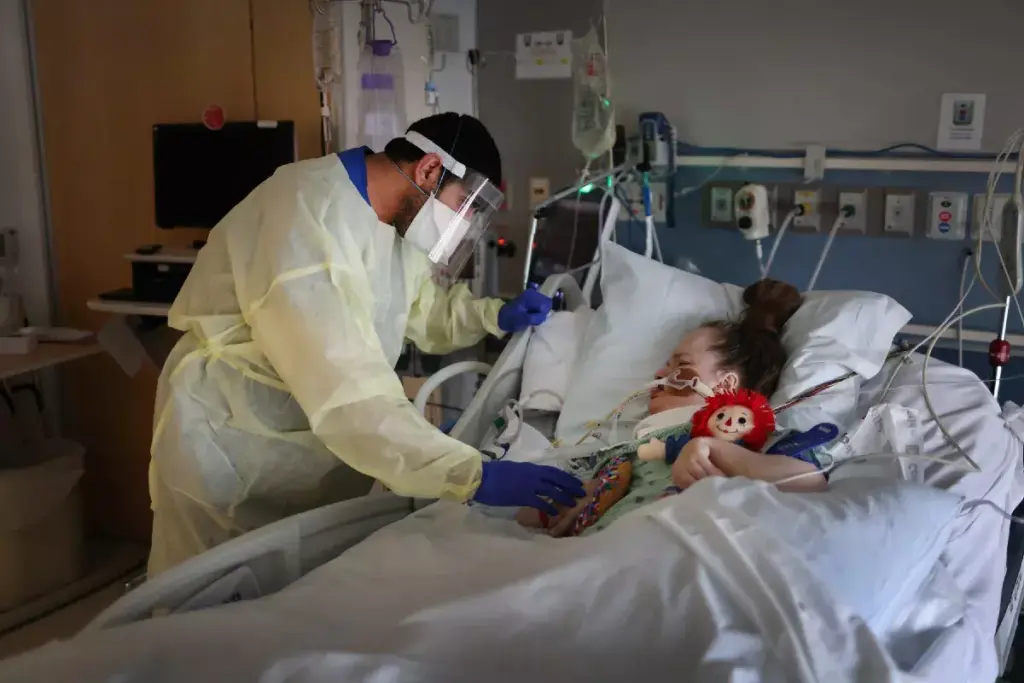
Getting a cancer diagnosis can change your life. It brings uncertainty, fear, and a loss of control. The emotional impact of cancer is as big as its physical effects.

About one-third of people with cancer feel very stressed. When you find out you have cancer, it feels like your life is spinning out of control. You might worry about living, your routine gets disrupted, or you feel alone and helpless.
We know how vital emotional support is in cancer care. It’s key to offer care that is both compassionate and effective. Meeting the emotional needs of cancer patients is a must.
Key Takeaways
- A cancer diagnosis can cause significant emotional distress.
- Emotional support is critical for cancer patients.
- Addressing emotional needs is essential for effective cancer care.
- Research shows that many oncology patients feel deeply stressed.
- Compassionate care means understanding the emotional struggles of cancer patients.
The Psychological Reality of Cancer Diagnosis
A cancer diagnosis can be very upsetting. It’s not just medical news; it shakes a person’s life. It brings out many complex emotions.
Initial Emotional Responses to Diagnosis
When someone gets a cancer diagnosis, they often feel shocked, deny it, and are scared. They worry about pain, how treatment will change them, and caring for their family. They feel sad and grieve for their old life and the unknown future.
Many patients are filled with fear and worry. They fear pain, feeling sick, or looking different. They worry about their family, bills, job, and even dying. One patient said:
“I felt like my world was crashing down around me. I was consumed by the fear of the unknown and the anxiety of potentially leaving my family behind.”
Understanding the Prevalence of Distress
Studies show that many cancer patients feel emotional distress. About 58% say their emotional needs are ignored more than their physical ones. This makes them feel isolated and hopeless.
This shows we need to support cancer patients fully. We must help with both their physical and emotional health. Emotional distress is a serious issue that affects treatment and well-being.
- Fear and anxiety are common reactions to a cancer diagnosis.
- Patients often experience a range of emotions, from sadness to anger.
- Emotional support is key to dealing with cancer’s psychological impact.
Understanding these emotions and the need for support helps us care for cancer patients better. We ensure they get the care they need.
Why Emotional Support Matters in Cancer Treatment
Emotional support is key in cancer care. It affects treatment success and overall health. Cancer diagnosis and treatment are stressful and emotional, impacting mental health and quality of life.
Emotional support is vital for cancer patients. It comes from various people and services. Patients unhappy with emotional support often feel anxious and depressed. This shows the importance of enough emotional support.
The Impact on Treatment Outcomes
Emotional support has a big impact on treatment success. Patients with strong support tend to stick to their treatment plans better. This is because support reduces anxiety and depression, which harms treatment results.
A patient with good emotional support is more likely to follow their treatment. They also attend follow-up appointments and make healthy choices for recovery. Around 25% of patients need mental health support in the first year after diagnosis. This highlights the need to meet their emotional needs.
Key benefits of emotional support include:
- Reduced anxiety and depression
- Improved treatment adherence
- Better overall well-being
- Enhanced coping mechanisms
The Mind-Body Connection in Cancer Recovery
The mind-body connection is vital in cancer recovery. Emotional support affects how the body responds to cancer and treatment. For example, stress and anxiety can weaken the immune system. A positive mind can boost immune function and resilience.
Healthcare providers can offer holistic care by recognizing the mind-body connection. A care approach that includes emotional support can improve patient outcomes and quality of life.
Common Emotional Challenges Cancer Patients Face
When cancer strikes, patients often feel a mix of emotions. They might feel shocked, deny the news, or worry a lot. One patient shared, “All I do is think of u and the future we’re uncertain about.”
Cancer patients deal with many emotional hurdles. These can affect how they feel and their treatment plans. These challenges fall into several main areas.
Fear and Uncertainty About the Future
Fear is a big emotion for cancer patients. It comes from not knowing what the future holds. This fear can be hard to handle, as seen in a study on NCBI.
Patients worry about how their disease might progress, if treatments will work, and how it will affect their family. They might feel “I don’t feel good but can’t explain it,” showing how physical and emotional health are linked.
Feelings of Loss and Grief
Getting a cancer diagnosis can make patients feel like they’ve lost a lot. They might miss their health, their old life, and even who they used to be. This grief can be very deep, feeling like the “saddest feeling,” as they adjust to their new life.
Everyone grieves differently. It’s important for patients to have a place to share their feelings with support.
Managing Anxiety and Depression
Anxiety and depression are common in cancer patients. They can make life harder and affect treatment success. It’s key to find ways to manage these feelings.
By understanding and supporting cancer patients’ emotional struggles, we can help them face their journey with more strength and hope.
Primary Emotional Needs of Cancer Patients
It’s key to understand the emotional needs of cancer patients for full care. Cancer diagnosis and treatment are tough, affecting the body, mind, and spirit. We must recognize the emotional needs often missed due to physical symptoms.
Need for Validation and Understanding
Cancer patients often feel alone or not understood, even by loved ones. It’s vital to validate their feelings and experiences. We need to create a space where they feel heard and understood, showing empathy and compassion.
Need for Control and Autonomy
Being diagnosed with cancer can make patients feel out of control. Their emotional health needs to regain autonomy. This can be done by involving them in treatment decisions and respecting their choices.
Empowering patients with information about their condition and treatment options helps them feel in control. It’s about balancing guidance through the healthcare system with respecting their independence.
Need for Hope and Meaning
Hope is a strong emotional tool for cancer patients, helping them face challenges. Finding meaning in their experience, through spiritual beliefs or loved ones, brings comfort. We should support patients in their search for hope and meaning, as it’s a personal journey.
58% of cancer patients feel their emotional needs are overlooked. This highlights the need to address emotional aspects of cancer care. By understanding and meeting these needs, we offer more holistic support to those with cancer.
When Emotional Needs Go Unmet: The Consequences
A cancer diagnosis is more than just a physical challenge. Unmet emotional needs can make things worse. When cancer patients’ emotional needs aren’t met, it can lead to many negative effects. These effects can harm their mental health and overall quality of life.
Increased Psychological Distress
Unmet emotional needs can lead to increased psychological distress. Cancer patients often feel scared, anxious, depressed, and hopeless. If these feelings aren’t supported, they can get worse. Around 25% of patients need mental health support in the first year after diagnosis.
The emotional struggle can be too much. It can cause panic and uncertainty about the future. Healthcare providers must recognize these signs and offer the right support.
Impact on Treatment Adherence
Unmet emotional needs can also make it hard for patients to follow their treatment plans. When patients are emotionally struggling, they may lose the motivation needed for treatment. This can lead to reduced treatment adherence, which can harm the effectiveness of their care.
By focusing on the emotional needs of cancer patients, healthcare providers can help patients stay committed to their treatment. This approach can greatly improve treatment outcomes and patient well-being.
Risk of Suicidal Ideation
In severe cases, unmet emotional needs can increase the risk of suicidal ideation. The emotional pain and hopelessness some cancer patients feel can be overwhelming. It’s important for healthcare providers to watch for risk factors and provide timely help.
By actively addressing the emotional needs of cancer patients, we can lower the risk of such extreme outcomes. Making mental health support available and creating a supportive environment can greatly help those affected by cancer.
In conclusion, the effects of unmet emotional needs on cancer patients are serious. They can deeply affect their well-being and treatment success. By focusing on emotional care and providing full support, we can improve the lives of cancer patients. We can help them face this tough journey with more resilience and hope.
Effective Communication Strategies for Supporting Cancer Patients
Effective communication is key in supporting cancer patients. A cancer diagnosis affects them physically and emotionally. It’s important to offer emotional support and validation to help them cope.
When talking to cancer patients, be genuine, empathetic, and clear. Provide emotional support by being present, listening actively, and validating their feelings. This builds trust and makes them feel supported.
What to Say to Someone Diagnosed with Cancer
Finding the right words can be tough. Be supportive but avoid being overly optimistic or dismissive. Simple words like “I’m here for you” or “I’m sorry you’re going through this” can comfort them. Asking open-ended questions helps them share their feelings and concerns.
For example, asking “How are you feeling about your diagnosis?” lets them express their emotions. Avoid statements that minimize their experience, like “You’re lucky it’s caught early,” as it can seem insensitive.
Active Listening Techniques
Active listening is vital when talking to cancer patients. Give them your full attention, maintain eye contact, and avoid interruptions. This creates a safe space for them to share their thoughts and feelings.
Use techniques like paraphrasing, asking clarifying questions, and showing empathy through non-verbal cues. This shows you value and respect their feelings, which is important for their emotional well-being.
Avoiding Common Communication Pitfalls
When communicating with cancer patients, avoid common pitfalls. Giving unsolicited advice or making assumptions about their feelings or needs is not helpful. Instead, focus on understanding their unique experience and providing support tailored to their needs.
Another mistake is avoiding discussions about their fears or worries. Create an environment where they feel comfortable discussing their concerns. Address these concerns with sensitivity and honesty.
By using effective communication strategies, we can offer the emotional support and validation cancer patients need. This improves their emotional well-being and can positively impact their treatment outcomes.
The Role of Professional Mental Health Support
Getting a cancer diagnosis can change your life. It often means you need help with your feelings. Cancer patients often feel anxious, depressed, and worried about the future. Professional help can make these feelings easier to handle, help with treatment, and improve your life.
When to Seek Professional Help
About 25% of patients need mental health support in the first year after finding out they have cancer. If you’re feeling too much stress, can’t manage daily life, or feel sad or anxious all the time, it’s time to get help. Your doctor can send you to a mental health expert who can support you.
Types of Therapeutic Interventions
There are many ways to help cancer patients. These include:
- Cognitive-behavioural therapy (CBT) to manage anxiety and depression
- Mindfulness-based stress reduction to reduce stress and improve well-being
- Family therapy to support loved ones and improve communication
- Individual counselling to address specific emotional needs
These methods can be adjusted to fit each patient’s needs. This way, mental health support is more personal.
Overcoming Stigma and Barriers to Mental Health Care
But many patients face challenges in getting the help they need. Stigma, cost, and availability are big hurdles. We need to spread the word about how vital mental health support is. We should aim for cancer care that supports both body and mind.
By understanding the value of mental health support in cancer care, we can offer better care. This means recognizing the need for mental health support, making sure patients have access to different therapies, and fighting stigma and barriers to care.
How Caregivers Can Address the Needs of Cancer Patients
Caregivers play a key role in supporting cancer patients emotionally. They handle many tasks, from emotional support to practical care.
Creating a Supportive Environment
Creating a supportive space is vital for cancer patients. Caregivers can do this by listening without judgment and asking open-ended questions. They should also support the patient’s treatment choices. This makes patients feel heard and understood.
A cancer support specialist once said,
“A supportive environment is not just about physical care; it’s about creating a space where patients feel emotionally safe.”
Balancing Practical and Emotional Support
Caregivers need to mix practical and emotional support. Practical help, like managing meds and daily tasks, affects a patient’s mood. For example, helping with chores can lower stress and help with recovery.
- Manage daily tasks and medications.
- Provide emotional support through active listening.
- Encourage patients to participate in activities they enjoy
Self-Care for Caregivers
Caregivers often forget to take care of themselves. But self-care is key to their health. They should do things that relax and recharge them, like exercise or hobbies.
By focusing on a supportive environment, balancing support, and caring for themselves, caregivers can meet cancer patients’ needs. This approach helps both the patient and the caregiver.
Community and Peer Support Resources
Community and peer support are key for cancer patients’ emotional and mental health. They offer a sense of belonging and connection. These are vital during the cancer journey.
Benefits of Cancer Support Groups
Cancer support groups are safe spaces for patients to share and get support. They help reduce feelings of loneliness and improve coping skills. Patients find comfort and strength by connecting with others who understand their journey.
Online Communities and Digital Resources
In today’s world, online communities and digital resources are vital for cancer patients. They offer a wealth of information and support from home. Online forums and cancer support websites provide flexibility and anonymity, helping those who can’t attend in-person groups.
Finding the Right Support Network
Finding the right support network is a personal choice for cancer patients. It’s important to explore different options to find what works best for you. Consider your cancer type, treatment stage, and what kind of support you need.
By using community and peer support, cancer patients can build emotional strength. They can improve their quality of life and face their journey with more confidence and support.
Integrating Emotional Care into Cancer Treatment Plans
Emotional care is vital in cancer treatment. As we learn more about cancer, we see that caring for patients fully is key. This means helping with the disease’s physical side and also supporting their emotional well-being.
Multidisciplinary Approaches to Cancer Care
A team of experts works together in cancer care. This team includes doctors, nurses, and more. They all help patients in different ways to support their health fully.
Key components of multidisciplinary care include:
- Collaboration between healthcare professionals to develop personalized treatment plans
- Access to mental health services, such as counselling and therapy
- Support groups and peer networks for patients and their families
- Education and resources to help patients manage their emotional and physical needs
Advocating for Your Emotional Needs
Patients must speak up for their emotional needs. Talking openly with their healthcare team is important. This way, they can make sure their emotional health is looked after.
Effective advocacy can make treatment better and life quality higher. Patients should talk about their emotional needs with their doctors.
Working with Healthcare Providers
Healthcare providers are key in supporting patients emotionally. Together, patients and doctors can create a care plan that covers everything. This teamwork can lead to better treatment and outcomes.
Patients should talk about their emotional needs with their doctors. Doctors can offer help, support, and resources for emotional care during treatment.
Conclusion: Embracing a Holistic Approach to Cancer Care
Cancer patients face big emotional challenges. It’s key to address their emotional needs for full care. A holistic approach includes emotional support and promoting well-being.
Understanding cancer patients’ emotional struggles helps us support them better. Good communication, mental health support, and community resources are vital. They help meet cancer patients’ emotional needs.
It’s important to include emotional care in cancer treatment plans. This ensures patients get the support they need. A holistic approach improves treatment results and patient well-being.
Emotional support is a core part of healing, not just extra help. By focusing on holistic care, we can greatly help cancer patients and their families.
FAQ
What are the initial emotional responses to a cancer diagnosis?
People often feel scared, worried, and unsure when they get a cancer diagnosis. They might feel overwhelmed and find it hard to deal with the news.
Is it normal to feel sad or anxious after a cancer diagnosis?
Yes, feeling sad or anxious is common after a cancer diagnosis. Many studies show that cancer patients often feel a lot of emotional pain.
How can emotional support impact cancer treatment outcomes?
Emotional support can really help. It can make people feel less anxious and depressed. This can make them feel better overall and stick to their treatment plans.
What are the primary emotional needs of cancer patients?
Cancer patients need to feel understood and validated. They also need to feel in control and have hope and meaning in their lives.
What happens when emotional needs go unmet?
If emotional needs aren’t met, patients can feel more stressed and anxious. They might not follow their treatment plans as well. They could even think about harming themselves.
How can caregivers support cancer patients emotionally?
Caregivers can create a supportive space. They should balance helping with everyday tasks and emotional support. Taking care of themselves is also important.
What are some effective communication strategies for supporting cancer patients?
Good communication involves listening well and being empathetic. It’s also important to avoid saying things that might upset them.
When should cancer patients seek professional mental health support?
Patients should get help if they’re feeling too much emotional pain. This includes feeling anxious or depressed, and it’s affecting their daily life.
What are the benefits of cancer support groups?
Support groups offer a sense of community and help people feel less alone. They provide emotional support and practical advice from others facing similar challenges.
How can cancer patients advocate for their emotional needs?
Patients can speak up for their emotional needs. They should talk openly with their doctors, ask for help from loved ones and support groups, and take care of themselves.
What does emotional support mean to cancer patients?
Emotional support means feeling understood and connected. It helps patients deal with the emotional side of cancer diagnosis and treatment.
Can being anxious or depressed affect cancer treatment?
Yes, feeling anxious or depressed can affect treatment. It can make it harder to stick to treatment plans and affect overall well-being and quality of life.
How will I feel after being diagnosed with cancer?
You might feel shocked, deny the news, be scared, and unsure after a cancer diagnosis. It’s normal to feel overwhelmed and struggle to cope.
What to say to someone who is diagnosed with cancer?
Be kind, supportive, and genuine when talking to someone with cancer. Avoid clichés and offer specific help, like “I’m here for you” or “I’ll go with you to your appointments.”
References
- Huynh, T. V., Bang, H. T., & Lam, Q. T. (2025). Psychosocial support needs and associated factors among cancer patients: A hospital-based, single-center cross-sectional study. Asian Pacific Journal of Cancer Prevention, 26(7), 2619-2626. https://journal.waocp.org/article_91765_94853cfa0c2669e5c563d688df1ff37c.pdf
- Slevin, M. L., et al. (1995). Emotional support for cancer patients. European Journal of Cancer Care, 5(4), 207-210. https://pmc.ncbi.nlm.nih.gov/articles/PMC2075927/
- Kershaw, T., et al. (2021). Addressing the psychological needs of cancer survivors and caregivers. Asian Pacific Journal of Oncology Nursing. https://journal.waocp.org/article_91631_4939266e54a99b7a74bfc303a7e901f5.pdf
- Bergerot, C., et al. (2024). Global unmet psychosocial needs in cancer care: A narrative review. European Journal of Cancer Care. https://www.sciencedirect.com/science/article/pii/S2589537024005212