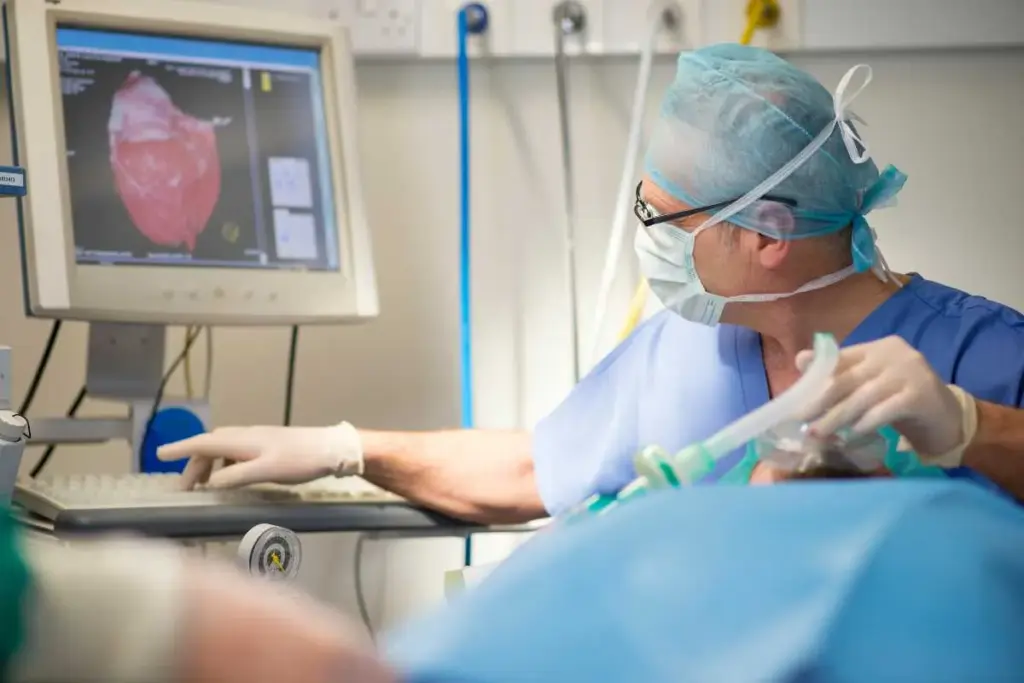
Heart failure is a big problem worldwide, affecting over 26 million people. A heart failure cardiologist is key in managing this condition. They use advanced tests like the cardiac stress test to check how the heart works under stress.
What do cardiologists do for failure? Get top insights into their role. Learn how these specialists manage complex heart issues to save lives daily.
We will look into what a heart failure cardiologist does. We’ll cover their duties, the tools they use, and the treatments they offer. This will help you understand how they help patients with heart failure.
Key Takeaways
- Heart failure is a significant global health issue affecting millions.
- A heart failure cardiologist specializes in managing and treating heart failure.
- Diagnostic tools like cardiac stress tests are critical in understanding heart function.
- Treatment plans are tailored to individual patient needs.
- Heart failure cardiologists play a vital role in improving patient outcomes.
The Role of a Heart Failure Cardiologist

Heart failure cardiologists play a key role in treating heart failure. This condition affects millions globally, as stated by the European Society of Cardiology. Their specialized care is vital for managing it effectively.
Specialized Focus on Heart Failure
These doctors get advanced training for heart failure. They handle complex cases and use the latest treatments. Their focus includes:
- Advanced pharmacological therapies
- Device-based treatments such as ICDs and CRT
- Mechanical circulatory support and heart transplantation
Difference Between General Cardiologists and Heart Failure Specialists
General cardiologists treat many heart conditions. But heart failure specialists focus on advanced heart failure. The main differences are in their approach and care level:
- General cardiologists handle a wide range of heart issues, like hypertension and coronary artery disease.
- Heart failure specialists focus on heart failure, giving advanced care for complex cases.
Knowing these differences helps patients get the right care for their condition.
Education and Training Requirements

To become a heart failure cardiologist, you need a tough educational journey. Heart failure is complex, so the training is too.
Medical School and Residency
It starts with medical school. Here, future cardiologists learn about the body’s inner workings. Then, a residency in internal medicine follows. This hands-on experience helps them deal with adult diseases.
“The foundation laid in medical school and internal medicine residency is key,” says the need for a solid base in general medicine.
Cardiology Fellowship
After the residency, comes a three-year cardiology fellowship. Here, they dive deep into heart diseases, including heart failure. They learn how to diagnose and treat these conditions.
This fellowship is vital. It’s where future specialists learn about new diagnostic tools and treatments in heart medicine.
Advanced Heart Failure and Transplant Cardiology Training
For deeper heart failure knowledge, there’s an extra year of training. This advanced training prepares them for complex heart failure cases. It includes managing patients who need heart transplants or mechanical support.
The updated ESC/EACTS Guidelines stress the value of this advanced training. They show the need for cardiologists to keep up with heart failure management breakthroughs.
In summary, becoming a heart failure cardiologist is a long and challenging path. It involves many stages of education and training. But this hard work prepares them to give top-notch care to patients with serious heart issues.
Common Heart Failure Conditions Treated
Heart failure includes several conditions, each with its own treatment. Knowing these conditions is key for effective care, as the British Heart Foundation stresses.
Systolic Heart Failure
Systolic heart failure happens when the heart can’t pump blood well. It’s marked by a low ejection fraction, which is the blood the heart pumps out. To treat it, doctors use medicines to help the heart pump better and ease symptoms.
Diastolic Heart Failure
Diastolic heart failure, or heart failure with preserved ejection fraction (HFpEF), occurs when the heart’s ventricles are stiff. They can’t fill up properly during the heart’s relaxation phase. Managing this condition often involves controlling symptoms and treating underlying issues like high blood pressure and diabetes.
Ischemic Cardiomyopathy
Ischemic cardiomyopathy is when the heart muscle is damaged due to poor blood flow, often from coronary artery disease. This can lead to heart failure. Treatment includes procedures to improve blood flow, medicines, and lifestyle changes.
Non-Ischemic Cardiomyopathy
Non-ischemic cardiomyopathy is heart muscle disease not caused by heart attacks or coronary artery disease. It includes conditions like dilated cardiomyopathy and hypertrophic cardiomyopathy. Treatment varies based on the cause and may include medicines, devices, or other interventions.
|
Condition |
Characteristics |
Treatment Approaches |
|---|---|---|
|
Systolic Heart Failure |
Impaired heart contraction, reduced EF |
Medications to improve heart function |
|
Diastolic Heart Failure |
Stiff heart ventricles, preserved EF |
Symptom management, control underlying conditions |
|
Ischemic Cardiomyopathy |
Heart muscle damage due to reduced blood flow |
Revascularization, symptom management, lifestyle changes |
|
Non-Ischemic Cardiomyopathy |
Heart muscle disease not caused by coronary artery disease |
Depends on underlying cause, may include medications, device therapy |
Understanding the different heart failure types helps doctors create better treatment plans. Heart failure cardiologists are key in diagnosing and managing these complex conditions.
Diagnostic Procedures and Evaluations
Diagnosing heart failure involves several steps. We use physical exams, medical history, and advanced tests. These steps help us understand the type and severity of heart failure. This ensures we can treat it effectively.
Physical Examination and Medical History
A detailed physical exam and medical history are key. We look for signs like edema, jugular venous distension, and cardiac murmurs. These signs suggest fluid buildup and heart problems. The medical history helps us spot risk factors and symptoms like shortness of breath, fatigue, and palpitations.
New medical tech has improved these exams. For example, AI-powered stethoscopes help detect heart issues more accurately and quickly. These tools aid cardiologists in diagnosing heart problems better.
Blood Tests and Biomarkers
Blood tests are vital for diagnosing heart failure. They measure biomarkers that show heart damage or stress. Important biomarkers include B-type natriuretic peptide (BNP) and N-terminal pro-b-type natriuretic peptide (NT-proBNP). These tests help us understand how severe heart failure is and if treatment is working.
Imaging Studies
Imaging studies are key for checking the heart’s structure and function. We use echocardiography, cardiac magnetic resonance imaging (MRI), and coronary angiography for this. These tests give us important info about the heart’s pumping ability, valve function, and any coronary artery disease. This info helps us make a proper diagnosis and treatment plan.
What Do Cardiologists Do During Cardiac Stress Tests?
Cardiologists use cardiac stress tests to check how the heart works when stressed. This stress can come from exercise or medicine. These tests help find heart problems and see how bad coronary artery disease is.
Types of Stress Tests
There are many types of cardiac stress tests. Each has its own use and benefits. Here are some common ones:
- Exercise Stress Test: Patients walk on a treadmill or bike to raise their heart rate.
- Pharmacological Stress Test: For those who can’t exercise, medicine is used to mimic exercise effects.
- Nuclear Stress Test: A tiny amount of radioactive material is injected to see heart blood flow under stress.
- Stress Echocardiogram: Uses ultrasound to check how well the heart works under stress.
How Stress Tests Are Performed
During a cardiac stress test, doctors watch the heart, blood pressure, and other signs closely. The test starts with a baseline check, then the stress part, which can be exercise or medicine. The patient’s ECG is watched all the time, and blood pressure is checked often.
What Stress Test Results Reveal
The results of a cardiac stress test show a lot about the heart. If the results are not normal, it might mean heart disease, valve problems, or other heart issues. Doctors use these results to find problems, check if treatments are working, and plan the best care.
Average Duration and Expectations
A cardiac stress test usually takes 30 to 60 minutes. But, the whole visit might take longer because of getting ready and recovering. Wear comfy clothes and shoes for exercise. Don’t eat a big meal before, and tell the doctor about any medicines or health issues.
Knowing what to expect during a cardiac stress test helps patients prepare. It makes them feel more comfortable during the test.
Medical Management of Heart Failure
Managing heart failure well means using a mix of treatments, lifestyle changes, and keeping a close eye on the patient. As heart failure doctors, we focus on a plan that fits each patient. This approach helps improve their life quality and health outcomes.
Pharmacological Therapies
Medicines are key in treating heart failure. We use different drugs to ease symptoms, slow the disease, and help patients live longer. For example, a new study at the European Society of Cardiology Congress showed great results with a drug called baxdrostat for high blood pressure, a big problem in heart failure.
The main medicines we use are:
- ACE inhibitors and ARBs to lower blood pressure and ease the heart’s work
- Beta-blockers to slow the heart rate and make it work less hard
- Diuretics to get rid of extra fluid and ease congestion
- ARNI (angiotensin receptor-neprilysin inhibitors) to boost heart function
|
Medication Class |
Primary Use |
Benefits |
|---|---|---|
|
ACE Inhibitors |
Reduce blood pressure |
Improve survival, reduce hospital stays |
|
Beta-blockers |
Slow heart rate |
Make the heart work better, lower death rates |
|
Diuretics |
Remove extra fluid |
Lessen congestion, improve symptoms |
Lifestyle Modifications
Changing how we live is also vital in managing heart failure. We guide patients on what to eat, how to exercise, and other lifestyle changes to help their condition.
Important lifestyle changes include:
- Eating less salt to avoid fluid buildup
- Doing regular, gentle exercise to boost heart health
- Keeping a healthy weight to ease the heart’s job
- Handling stress with relaxation methods
Monitoring and Follow-up Care
Keeping a close eye on the patient and adjusting treatment as needed is key. We work with patients to watch their condition, tweak their treatment, and quickly handle any issues.
Good monitoring means:
- Regular check-ups to check heart health and overall well-being
- Changing medicines based on how the patient responds
- Teaching patients and caregivers to spot signs of worsening heart failure
By using medicines, lifestyle changes, and careful monitoring, we can greatly improve heart failure outcomes.
Device-Based Therapies
Device-based therapies are key in treating heart failure. They use medical devices to help the heart work better and lower the risk of problems.
Implantable Cardioverter Defibrillators (ICDs)
ICDs are small devices put under the skin. They watch the heart’s rhythm and shock it if needed to stop dangerous arrhythmias. Studies show ICDs cut down on deaths in heart failure patients at high risk of sudden cardiac death. Getting an ICD is a simple procedure, and most people can go back to normal activities in a few days.
“ICDs have changed how we treat dangerous heart rhythms,” says a top cardiologist. They’re a big help for those with a history of ventricular tachycardia or fibrillation.
Cardiac Resynchronization Therapy (CRT)
CRT helps the heart’s chambers beat in sync. It uses a device to send electrical impulses to both ventricles. This makes the heart work better and lessens heart failure symptoms. CRT improves quality of life, cuts down on hospital stays, and boosts survival in some heart failure patients.
Getting a CRT device is a minor surgery. Afterward, the patient’s heart health is closely watched to fine-tune the device settings.
Remote Monitoring Systems
Remote monitoring systems let doctors check on a patient’s implanted device and heart health from afar. This tech spots problems early, leading to quick action. Remote monitoring has been linked to fewer hospital visits and better patient results.
These systems send data from the patient’s device to a secure server. Doctors can then check on the patient and adjust their treatment plan as needed.
Using ICDs, CRT, and remote monitoring systems greatly improves heart failure care. These technologies are vital for managing heart failure and improving patient outcomes.
Advanced Heart Failure Interventions
Advanced heart failure interventions are key to improving life quality and survival for patients. They are used when standard treatments fail.
We will explore three main interventions: mechanical circulatory support, Left Ventricular Assist Devices (LVADs), and heart transplantation. These are based on the latest ESC/EACTS Guidelines.
Mechanical Circulatory Support
Mechanical circulatory support devices help the heart in advanced heart failure. They can be lifesaving and improve function.
- Types of Devices: There are many devices, like intra-aortic balloon pumps and ECMO systems.
- Benefits: They greatly improve blood flow and reduce symptoms in advanced heart failure patients.
Left Ventricular Assist Devices (LVADs)
LVADs are for the left ventricle and are used in severe left ventricular dysfunction. They are a type of mechanical support.
- Implantation Process: The device is surgically placed to support the left ventricle.
- Patient Selection: Patients are chosen based on their condition and chance for recovery or transplant.
Heart Transplantation Evaluation and Management
Heart transplantation is a final treatment for advanced heart failure. The evaluation checks if the patient is a good candidate for the transplant.
- Evaluation Criteria: Patients are assessed based on their medical history, current health, and recovery chances post-transplant.
- Post-Transplant Care: After the transplant, care includes immunosuppressive therapy and regular check-ups to monitor the graft and overall health.
These advanced interventions need a team effort and careful patient choice for the best results.
The Multidisciplinary Heart Failure Team Approach
Patients with heart failure get the best care from a team of experts. This team looks at all parts of a patient’s health. They make sure everything is managed well.
Collaboration with Other Specialists
Heart failure care needs many specialists. This includes cardiologists, primary care doctors, and more. Working together, they manage the patient’s heart and other health issues.
A cardiologist helps with the heart, while a primary care doctor handles other health needs. Good communication among team members is key. This ensures the patient gets all-around care.
Role of Nurses, Pharmacists, and Nutritionists
Nurses, pharmacists, and nutritionists are important in the team. Nurses take care of patients, teach them, and watch their health. Pharmacists manage medicines to help patients get better. Nutritionists guide on what to eat to help manage heart failure.
|
Team Member |
Role in Heart Failure Care |
|---|---|
|
Nurses |
Direct patient care, education, and monitoring |
|
Pharmacists |
Medication management and optimization |
|
Nutritionists |
Dietary guidance and management |
Cardiac Rehabilitation Programs
Cardiac rehab is a big part of heart failure care. It’s where patients work on their heart health through exercise and learning. It helps them live better lives.
Studies show cardiac rehab helps heart failure patients a lot. It makes them feel better and live better. It’s a big part of managing heart failure. It helps patients reach their best health and function.
When to See a Heart Failure Cardiologist
Knowing when to see a heart failure cardiologist is key to managing heart failure well. Heart failure is a serious condition that needs expert care. We’ll help you understand the warning signs, how to get a referral from your primary care, and what to do in emergencies.
Warning Signs and Symptoms
Spotting the signs of heart failure is the first step to getting help quickly. Common signs include:
- Shortness of breath during routine activities or while lying down
- Fatigue and weakness
- Swelling in the legs, ankles, and feet
- Rapid or irregular heartbeat
- Coughing up pink, frothy mucus
If you notice any of these signs, see your primary care doctor or a heart failure cardiologist right away.
Referral Process from Primary Care
Seeing a heart failure cardiologist usually starts with a referral from your primary care doctor. They’ll check your health and decide if you need specialized care. The steps are:
- They’ll look at your medical history and current symptoms
- They might do tests like blood work and echocardiograms
- They’ll talk about your treatment options and if you need a specialist
If you need a heart failure cardiologist, your primary care doctor will refer you.
Emergency Situations
Heart failure can sometimes be an emergency. These include:
- Severe difficulty breathing
- Chest pain or pressure
- Fainting or severe dizziness
- Rapid or irregular heartbeat that is severe
If you or someone you know has these emergency symptoms, call 911 or go to the emergency room.
|
Symptom |
Description |
Action |
|---|---|---|
|
Shortness of Breath |
Difficulty breathing during routine activities or while lying down |
Consult a doctor or heart failure cardiologist |
|
Fatigue and Weakness |
Feeling unusually tired or weak |
Discuss with your primary care physician |
|
Swelling |
Swelling in the legs, ankles, and feet |
Seek medical evaluation |
What to Expect During Your Appointment
When you book a visit with a heart failure cardiologist, knowing what to expect can ease your worries. We aim to give you the best care and support during your visit.
Initial Consultation
At your first meeting, we’ll do a detailed check-up to get to know your health better. This includes:
- Medical History Review: We’ll look over your medical history, including past diagnoses, treatments, and medicines.
- Physical Examination: A full physical check-up will help us see how you’re doing now.
- Diagnostic Tests: We might do tests like echocardiograms, electrocardiograms, or blood tests to learn more about your heart.
Follow-up Visits
Follow-up visits are important for checking on your progress and tweaking your treatment if needed. During these visits, we will:
- Assess Your Condition: We’ll check how your heart failure is doing with the current treatment.
- Adjust Medications: If needed, we’ll change your medicines to better fit your treatment.
- Provide Lifestyle Guidance: We’ll give advice on lifestyle changes to help manage your heart failure.
Communication and Shared Decision Making
Good communication is vital for managing heart failure well. We focus on shared decision making. This means we work together with you to make choices about your care. This way, your treatment fits your needs and wishes.
By knowing what to expect and being involved in your care, you can play a bigger role in managing your heart failure. We’re here to support you every step of the way.
Patient Outcomes and Quality of Life
Effective heart failure treatment is more than just extending life. It’s about making life better. We focus on a whole approach. This includes medical care, lifestyle changes, and support to improve life quality and length.
Measuring Success in Heart Failure Treatment
We measure treatment success in many ways. These include better survival rates, fewer hospital visits, and a better quality of life. We use clinical checks, patient feedback, and advanced tests to see how well our treatments work.
|
Outcome Measure |
Description |
Importance |
|---|---|---|
|
Survival Rates |
Percentage of patients surviving over a specific period |
Indicates overall effectiveness of treatment |
|
Hospitalization Rates |
Frequency of hospital admissions due to heart failure exacerbation |
Reflects the ability to manage the condition effectively |
|
Quality of Life |
Patient-reported assessments of physical and emotional well-being |
Essential for understanding the impact of treatment on daily life |
Palliative Care Considerations
Palliative care is key in heart failure management. It helps ease symptoms, manage pain, and meets patients’ psychological and social needs. Adding palliative care to our plans greatly improves patient comfort and life quality.
“Palliative care is not just for end-of-life; it’s about living with a serious illness with dignity and comfort.”
— Palliative Care Specialist
Psychological Support and Resources
Heart failure affects patients not just physically but also emotionally. We offer psychological support, like counseling and support groups. This helps them deal with the stress and anxiety of their condition.
By using a full care approach, we can greatly improve patient outcomes and life quality for those with heart failure.
Conclusion
Heart failure care is complex and needs special attention from cardiologists. This article has shown how important heart failure cardiologists are. They help from the start to advanced treatments.
These specialists work with a team to give full care. This improves patients’ lives and outcomes. Getting care from a heart failure cardiologist means getting the newest treatments and plans made just for you.
In the end, heart failure care is about making lives better, not just managing symptoms. We urge anyone with heart failure to find a heart failure cardiologist. They can offer the best care possible.
FAQ
What is a heart failure cardiologist?
A heart failure cardiologist is a doctor with extra training in heart failure. They help patients with complex heart issues.
What is the difference between a general cardiologist and a heart failure cardiologist?
A general cardiologist handles regular heart care. A heart failure cardiologist focuses on heart failure. They deal with more complex cases.
What kind of training does a heart failure cardiologist have?
A heart failure cardiologist has a lot of training. This includes medical school, residency, and fellowship. They learn to care for heart failure patients well.
What are the common heart failure conditions treated by heart failure cardiologists?
They treat many heart failure conditions. This includes systolic and diastolic heart failure. They tailor care to each patient’s needs.
What is a cardiac stress test?
A cardiac stress test checks the heart under stress. It’s done through exercise or medicine. It finds heart problems and checks function.
How is a cardiac stress test performed?
During the test, an ECG monitors the heart. Patients walk on a treadmill or bike. Or, they get medicine to simulate exercise.
What do stress test results reveal?
Results show heart disease, valve issues, or other problems. They also show how well the heart pumps blood.
How long does a cardiac stress test take?
The test lasts about 30-60 minutes. It depends on age and fitness.
What are the benefits of device-based therapies in heart failure management?
Therapies like ICDs and CRT improve heart function. They reduce symptoms and enhance life quality for heart failure patients.
When should I see a heart failure cardiologist?
See one if you have shortness of breath, fatigue, or leg swelling. Your doctor might also refer you.
What can I expect during my appointment with a heart failure cardiologist?
Expect a thorough check-up, including a physical and tests. They’ll create a treatment plan just for you.
How are patient outcomes and quality of life measured in heart failure treatment?
Outcomes are measured by symptom reduction and better function. Palliative care and support also play a big role.
Reference
The Lancet. Evidence-Based Medical Insight. Retrieved from https://www.thelancet.com/journals/lancet/article/PIIS0140-6736(17)32812-6/fulltext