

Kidney stones are a painful and potentially serious condition that affects millions of people worldwide. Being aware of the warning signs is crucial to seeking medical attention promptly. What do kidney stones look like? Crystals. Get best facts. Other illnesses mimic the pain. Accurate diagnosis is vital for amazing recovery.
Recognizing the symptoms of kidney stones can help individuals take the necessary steps to address the issue. Common signs include severe pain in the side or back, below the ribs, and pain that radiates to the lower abdomen or groin.
If you’re experiencing these symptoms, it’s essential to understand how to check for kidney stones and determine the best course of action.
Key Takeaways
- Recognizing the symptoms of kidney stones is crucial for prompt medical attention.
- Severe pain in the side or back is a common sign of kidney stones.
- Understanding how to check for kidney stones can help individuals address the issue.
- Kidney stones can be a painful and potentially serious condition.
- Knowing the warning signs can help individuals seek medical help.
Understanding Kidney Stones
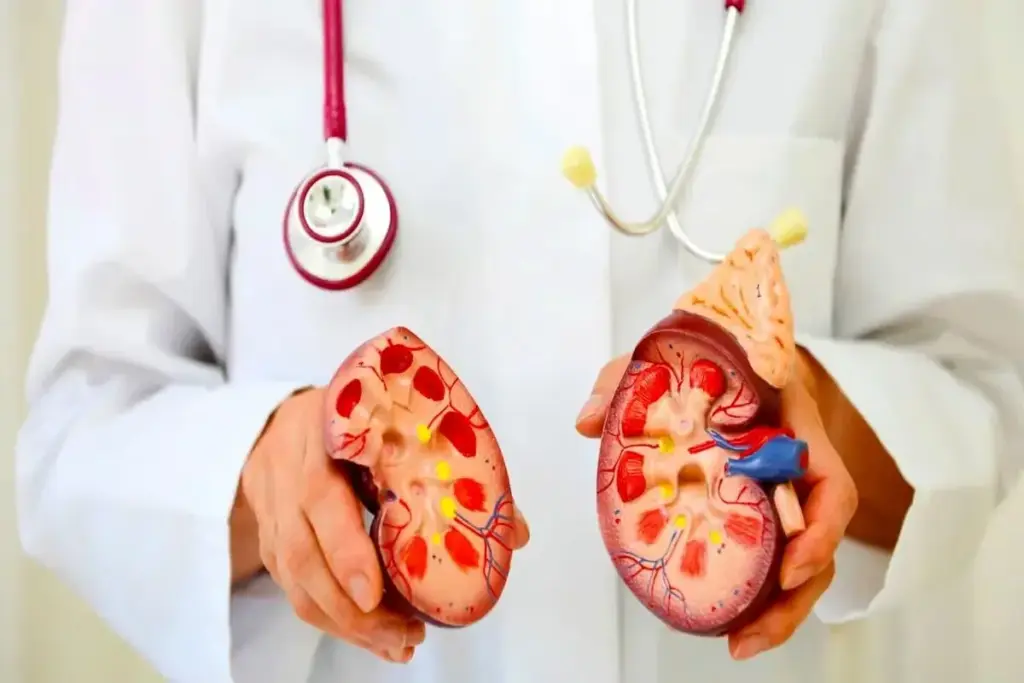
Kidney stones, or renal calculi, are hard deposits made of minerals and salts that form inside the kidneys. These stones can cause severe pain, nausea, and vomiting, and are a significant health concern for many individuals. Understanding what kidney stones are, how they form, and the risk factors associated with them is crucial for prevention and effective management.
What Are Kidney Stones?
Kidney stones are solid masses of crystalline material that develop in the kidneys. They can be as small as a grain of sand or as large as a pea or even a golf ball. The composition of kidney stones varies, with the most common types being calcium oxalate stones, uric acid stones, struvite stones, and cystine stones.
Causes of Kidney Stone Formation
The formation of kidney stones is a complex process that involves the concentration of minerals and salts in the urine. Several factors contribute to the development of kidney stones, including:
- Dietary Factors: Consuming foods high in oxalate, sodium, and animal protein can increase the risk of stone formation.
- Dehydration: Inadequate fluid intake can concentrate the urine, making it more likely for stones to form.
- Genetic Predisposition: Individuals with a family history of kidney stones are more likely to develop them.
- Medical Conditions: Certain conditions, such as hyperparathyroidism and urinary tract infections, can increase the risk of developing kidney stones.
Risk Factors for Developing Kidney Stones
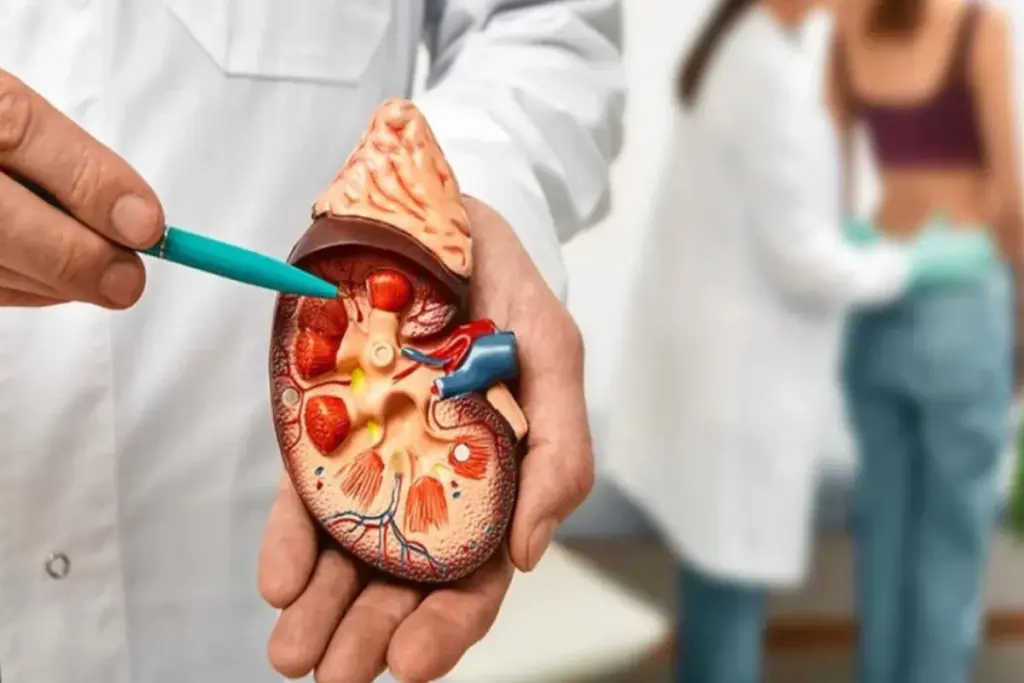
Several risk factors increase an individual’s likelihood of developing kidney stones. These include:
|
Risk Factor |
Description |
|---|---|
|
Family History |
Having a family history of kidney stones increases the risk. |
|
Diet |
A diet high in sodium, animal protein, and oxalate can contribute to stone formation. |
|
Obesity |
Being overweight or obese increases the risk of developing kidney stones. |
|
Certain Medications |
Some medications, such as diuretics and certain antibiotics, can increase the risk of kidney stone formation. |
Understanding kidney stones, their causes, and the risk factors associated with them is essential for prevention and effective management. By being aware of these factors, individuals can take steps to reduce their risk of developing kidney stones.
Types of Kidney Stones
Understanding the different types of kidney stones is crucial for effective treatment and prevention. Kidney stones are hard deposits made of minerals and salts that form inside the kidneys, and they can vary significantly in composition.
The main types of kidney stones include calcium oxalate stones, uric acid stones, struvite stones, and cystine stones. Each type has distinct characteristics and is associated with different risk factors.
Calcium Oxalate Stones
Calcium oxalate stones are the most common type of kidney stone. They are often associated with high levels of calcium and oxalate in the urine. Dietary factors, such as high intake of oxalate-rich foods, can contribute to their formation.
Uric Acid Stones
Uric acid stones form when there is too much uric acid in the urine. This type of stone is more common in people who have gout or are overweight. A diet high in meat, seafood, and sweets can increase the risk of developing uric acid stones.
Struvite Stones
Struvite stones are typically associated with urinary tract infections (UTIs). They can grow quickly and become quite large, sometimes with few or no symptoms until they cause a blockage.
Cystine Stones
Cystine stones are rare and usually occur in people with a genetic disorder called cystinuria. This condition causes cystine to leak through the kidneys and into the urine, where it can form stones.
|
Type of Kidney Stone |
Causes/Risk Factors |
Characteristics |
|---|---|---|
|
Calcium Oxalate Stones |
High calcium and oxalate levels, dietary factors |
Most common type, often small |
|
Uric Acid Stones |
Gout, high purine diet, obesity |
More common in men, associated with acidic urine |
|
Struvite Stones |
Urinary tract infections (UTIs) |
Can grow quickly, often large |
|
Cystine Stones |
Genetic disorder (cystinuria) |
Rare, caused by excessive cystine in urine |
Understanding the specific type of kidney stone is essential for determining the best course of treatment and for making lifestyle changes to prevent future stones.
What Kidney Stones Look Like
The physical characteristics of kidney stones, including size, shape, color, and texture, can differ based on their type. Kidney stones are hard mineral deposits that form inside the kidneys, and understanding their appearance is crucial for diagnosis and treatment.
Size and Shape Variations
Kidney stones can vary significantly in size and shape. Some stones are small and smooth, while others can be large and jagged. The size of a kidney stone can range from as small as a grain of sand to as large as a golf ball or even bigger in some cases.
The shape of kidney stones can also vary. Some are round or oval, while others have irregular shapes with jagged edges. The shape and size of a stone can influence the level of pain and discomfort it causes when passing through the urinary tract.
|
Stone Type |
Typical Size |
Typical Shape |
|---|---|---|
|
Calcium Oxalate |
Small to Medium |
Irregular, Jagged |
|
Uric Acid |
Small to Large |
Round or Oval |
|
Struvite |
Large |
Irregular, Branching |
Color and Texture of Kidney Stones
The color and texture of kidney stones can also provide valuable information about their composition. Calcium oxalate stones are typically dark in color, ranging from brown to black, and often have a rough texture. Uric acid stones are usually yellow or brown and can be smooth or irregular in texture.
The texture of kidney stones can range from smooth to very rough. Smooth stones might pass more easily through the urinary tract, while stones with a rough texture can cause more irritation and discomfort.
- Calcium Oxalate Stones: Dark brown or black, rough texture
- Uric Acid Stones: Yellow or brown, smooth or irregular texture
- Struvite Stones: Often white or light-colored, can be smooth or have a branching shape
Understanding the appearance of kidney stones, including their size, shape, color, and texture, is essential for both diagnosis and treatment planning. If you’ve passed a kidney stone, examining its characteristics can provide valuable insights into its type and help guide preventive measures for the future.
Common Symptoms of Kidney Stones
Understanding the common symptoms of kidney stones is crucial for timely medical intervention. Kidney stones can cause a range of symptoms that vary in severity and impact daily life significantly.
Pain and Discomfort
One of the most common symptoms of kidney stones is severe pain, often described as one of the most intense pains experienced. This pain typically starts in the back or side and moves to the lower abdomen or groin. The pain can be intermittent or constant and may vary in intensity.
Key characteristics of pain caused by kidney stones include:
- Severe, sharp pain
- Pain that radiates to the lower abdomen or groin
- Pain that changes in intensity or comes in waves
Other Accompanying Symptoms
In addition to pain, other symptoms may accompany kidney stones, including:
- Nausea and vomiting
- Fever and chills, indicating possible infection
- Blood in the urine, which may appear pink, red, or brown
- Frequent or painful urination
These symptoms can vary in severity and may indicate the presence of a kidney stone or other complications. If you experience any of these symptoms, it is essential to seek medical attention.
“The pain associated with kidney stones can be debilitating, and it’s crucial to understand that not all kidney stones cause symptoms. Sometimes, stones are discovered during tests for other conditions.”
According to medical professionals, recognizing the symptoms of kidney stones is vital for effective treatment. Early diagnosis can help prevent complications and reduce the severity of symptoms.
Diagnosing Kidney Stones
The diagnosis of kidney stones typically involves a multi-faceted approach, incorporating both imaging technologies and laboratory evaluations. This comprehensive strategy enables healthcare providers to accurately identify the presence, size, and location of kidney stones, which is crucial for determining the most effective treatment plan.
Medical Imaging Techniques
Medical imaging plays a vital role in diagnosing kidney stones. The most common imaging techniques used include:
- X-rays: Useful for detecting stones that are visible on X-ray, such as those made of calcium.
- CT Scans: Considered the gold standard for diagnosing kidney stones due to their high sensitivity and ability to detect stones of all types.
- Ultrasounds: A non-invasive option that is particularly useful for pregnant women and individuals who should avoid radiation.
Each imaging technique has its advantages and is chosen based on the patient’s specific condition and medical history.
Laboratory Tests
In addition to medical imaging, laboratory tests are essential for diagnosing kidney stones and understanding their composition. These tests include:
- Urinalysis: Helps identify blood in the urine, infection, or other abnormalities that may indicate the presence of a kidney stone.
- Blood Tests: Used to assess kidney function and detect any metabolic disorders that could be contributing to stone formation.
- Stone Analysis: After a stone is passed or removed, it can be analyzed to determine its composition, which is crucial for preventing future stones.
These laboratory tests provide valuable information that, when combined with imaging results, helps healthcare providers develop a personalized treatment plan.
Treatment Options for Kidney Stones
Understanding the different treatment options for kidney stones is crucial for patients to make informed decisions about their care. The choice of treatment depends on several factors, including the size, type, and location of the stone, as well as the patient’s overall health and medical history.
Medical Treatments
For many patients, medical treatments are the first line of defense against kidney stones. These treatments focus on managing pain, promoting hydration, and helping the stone pass out of the body. Pain management is a critical aspect, with medications ranging from over-the-counter pain relievers to stronger prescription drugs for more severe pain. Additionally, hydration is encouraged to help flush out the stone.
Medications may also be prescribed to help prevent future stone formation, depending on the type of stone. For instance, patients with calcium stones may be advised to take medications that reduce calcium in the urine. Other medical treatments might include medications to control conditions like high blood pressure or gout, which can contribute to stone formation.
Surgical Procedures
When surgical procedures are necessary, there are several options available. One common treatment is lithotripsy, a non-invasive procedure that uses shock waves to break the stone into smaller pieces that can then be easily passed out of the body. For larger stones or stones that are causing significant obstruction, other surgical interventions might be required.
Surgical options can range from minimally invasive techniques, such as percutaneous nephrolithotomy, to more traditional open surgery in complex cases. The choice of surgical procedure depends on the stone’s characteristics and the patient’s overall health. Advances in medical technology have made many of these procedures less invasive and more effective, reducing recovery times and improving outcomes.
Home Remedies and Prevention
Making informed dietary choices and staying hydrated are crucial steps in preventing kidney stones. By adopting a few simple home remedies and preventive measures, individuals can significantly reduce their risk of developing these painful stones.
Dietary Changes
Diet plays a significant role in the prevention of kidney stones. Certain foods can increase the risk of stone formation, while others can help prevent it. Increasing consumption of citrus fruits, such as lemons and oranges, can help prevent kidney stones due to their high citrate content, which can help break up stones.
Avoiding foods high in oxalate, such as spinach, beets, and rhubarb, can also be beneficial for individuals prone to calcium oxalate stones. Additionally, reducing sodium intake can help decrease the risk of stone formation by reducing calcium in the urine.
|
Food |
Effect on Kidney Stones |
|---|---|
|
Citrus Fruits |
High in citrate, helps prevent stones |
|
Spinach, Beets, Rhubarb |
High in oxalate, may increase risk |
|
Low-Sodium Diet |
Reduces calcium in urine, helps prevent stones |
Hydration Tips
Adequate hydration is essential for preventing kidney stones. Drinking enough water helps dilute the urine, reducing the concentration of substances that can form stones. Aim to drink at least 8-10 glasses of water per day, and consider increasing intake if you are physically active or live in a hot climate.
- Drink water regularly throughout the day
- Monitor urine color to ensure it is pale yellow or clear
- Avoid sugary drinks that can increase the risk of stone formation
By incorporating these dietary changes and hydration tips into daily life, individuals can significantly reduce their risk of developing kidney stones and alleviate symptoms if stones do occur.
Illnesses That Mimic Kidney Stones
The symptoms of kidney stones can be mimicked by other serious health issues, including gallstones, appendicitis, and ovarian cysts. Understanding these conditions is crucial for accurate diagnosis and treatment.
Gallstones
Gallstones are hardened deposits that form in the gallbladder, a small organ located under the liver. Like kidney stones, gallstones can cause severe pain, often referred to as a gallstone attack. The pain typically occurs in the upper right abdomen and can radiate to the back or right shoulder.
Key differences between gallstones and kidney stones:
- Gallstones are usually associated with eating fatty foods, which can trigger a gallstone attack.
- The pain from gallstones is typically located in the upper right abdomen, whereas kidney stone pain often starts in the lower back and radiates to the lower abdomen.
Appendicitis
Appendicitis is the inflammation of the appendix, a small, tube-like structure attached to the large intestine. The symptoms of appendicitis can be similar to those of kidney stones, including severe abdominal pain, nausea, and vomiting.
Distinguishing features of appendicitis:
- The pain from appendicitis often begins near the navel and then moves to the lower right abdomen.
- Appendicitis typically presents with fever and loss of appetite, which are not typical primary symptoms of kidney stones.
|
Condition |
Typical Pain Location |
Associated Symptoms |
|---|---|---|
|
Kidney Stones |
Lower back, radiating to lower abdomen |
Nausea, vomiting, possibly blood in urine |
|
Gallstones |
Upper right abdomen, radiating to back or right shoulder |
Pain after eating fatty foods, possibly jaundice |
|
Appendicitis |
Lower right abdomen, starting near navel |
Fever, loss of appetite, nausea, vomiting |
|
Ovarian Cysts |
Lower abdomen, often one-sided |
Pelvic pain, bloating, possibly irregular menstrual cycle |
Ovarian Cysts
Ovarian cysts are fluid-filled sacs that develop on the ovaries. While often asymptomatic, they can cause pelvic pain, bloating, and discomfort, which can be confused with the symptoms of kidney stones.
Differentiating ovarian cysts from kidney stones:
- Ovarian cysts typically cause pain on one side of the lower abdomen.
- The pain from ovarian cysts can be related to the menstrual cycle.
Understanding the differences between these conditions is crucial for proper diagnosis and treatment. If you’re experiencing severe abdominal pain, it’s essential to consult a healthcare professional for an accurate diagnosis.
When to Seek Medical Attention
Recognizing the severity of kidney stone symptoms can be the difference between effective treatment and serious complications. Kidney stones can cause severe pain and other symptoms that may require immediate medical attention.
Signs of Severe Pain
Severe pain is one of the hallmark symptoms of kidney stones. This pain can be felt in the side, back, or lower abdomen and can radiate to the groin. If you experience any of the following, seek medical help:
- Pain that is severe and doesn’t subside
- Pain accompanied by nausea and vomiting
- Pain that radiates to the groin or is felt in the genital area
It’s crucial to understand that severe pain can be a sign of a stone that is causing an obstruction or is about to pass.
Other Warning Signs
Beyond severe pain, there are other warning signs that indicate a need for medical attention. These include:
|
Symptom |
Description |
|---|---|
|
Fever and Chills |
Indicates possible infection |
|
Blood in Urine |
Can be a sign of a stone causing bleeding |
|
Difficulty Urinating |
May indicate a blockage |
A healthcare professional can assess these symptoms and provide appropriate treatment.
As a medical expert once said,
“The key to managing kidney stones effectively is early detection and treatment. Recognizing the signs of severe symptoms can significantly impact the outcome.”
If you’re experiencing any of these symptoms, it’s essential to seek medical attention promptly. Delaying treatment can lead to complications such as infection or kidney damage.
FAQs About Kidney Stones
Kidney stones can be a painful and confusing condition. Many people have questions about what causes them, how they are treated, and how to prevent them. Here, we address some of the most common questions about kidney stones.
Common Questions Answered
Some of the most frequently asked questions about kidney stones include: What are the symptoms of kidney stones? How are they diagnosed? And what are the treatment options? The symptoms can vary, but often include severe pain, nausea, and vomiting. Diagnosis typically involves medical imaging and laboratory tests. Treatment options range from medical treatments to surgical procedures, depending on the size and type of stone.
Resources for Further Information
For those seeking more information on kidney stones, there are several reliable resources available. The National Kidney Foundation and the American Urological Association are two organizations that provide comprehensive information on kidney stones, including causes, symptoms, diagnosis, and treatment. Visiting these resources can help individuals better understand their condition and make informed decisions about their care.
FAQ
How can you test for kidney stones?
Testing for kidney stones typically involves a combination of medical imaging techniques, such as X-rays, CT scans, or ultrasounds, and laboratory tests, including urinalysis and blood tests.
What does a kidney stone look like?
Kidney stones can vary in size, shape, color, and texture, depending on their composition. They can appear as small, smooth stones or larger, jagged ones.
Can you have kidney stones without pain?
Yes, it is possible to have kidney stones without experiencing pain, although this is relatively rare. Some people may not exhibit symptoms until the stone has moved into the urinary tract.
How are kidney stones diagnosed?
Kidney stones are typically diagnosed using a combination of medical imaging techniques and laboratory tests, which help determine the presence, size, and location of the stone.
Can a urine test detect kidney stones?
A urine test, or urinalysis, can help detect signs of kidney stones, such as blood or minerals that contribute to stone formation, but it may not directly detect the stone itself.
Can kidney stones be detected by ultrasound?
Yes, ultrasounds can be used to detect kidney stones, particularly larger ones. However, smaller stones may be more difficult to detect using this method.
Can kidney stones be missed on a CT scan?
While CT scans are highly effective in detecting kidney stones, it is possible for very small stones to be missed, especially if they are not calcified.
What is the best test for kidney stones?
The best test for kidney stones often involves a combination of imaging tests, such as CT scans or ultrasounds, and laboratory tests, including urinalysis and blood tests, to provide a comprehensive diagnosis.
Can you check for kidney stones at home?
While there are some home remedies and tests that can help alleviate symptoms or detect signs of kidney stones, a definitive diagnosis typically requires medical evaluation and testing.
How do doctors check for kidney stones?
Doctors typically use a combination of medical imaging techniques and laboratory tests to diagnose kidney stones and determine the best course of treatment.
National Center for Biotechnology Information. Evidence-Based Medical Insight. Retrieved from https://pubmed.ncbi.nlm.nih.gov/