Ever felt a strong urge to chew ice or other non-food items? This might signal a health problem, like iron deficiency.
Iron-deficiency anemia affects red blood cells, causing fatigue, shortness of breath, or a fast heart rate. Unusual cravings, or pica, are also symptoms. Pagophagia, the need to chew ice, is the most common.
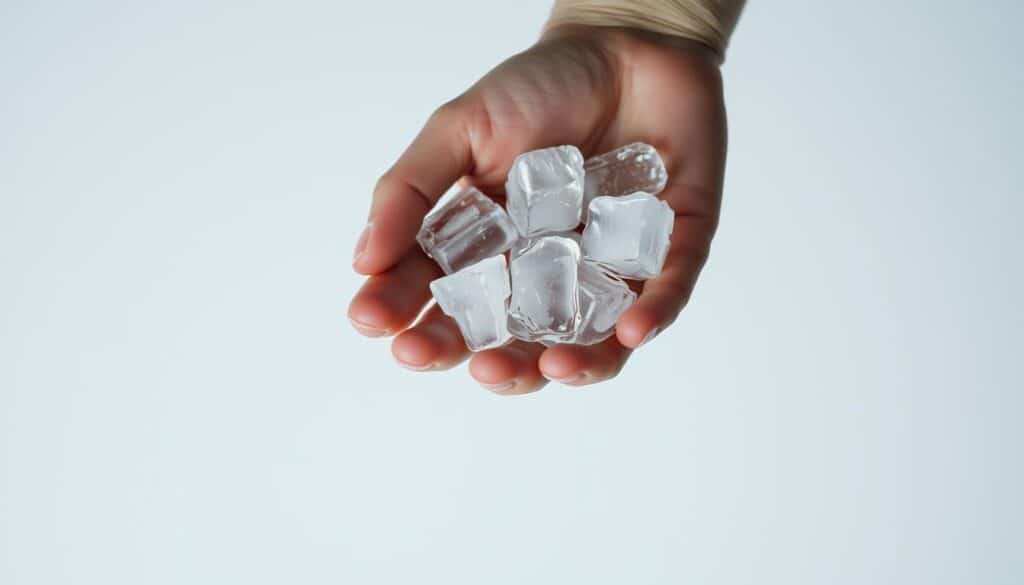
We’ll look into how low iron levels link to these cravings. We’ll find out why they happen to help diagnose and treat them.
Key Takeaways
- Iron deficiency can cause unusual cravings for non-food substances.
- Pagophagia, or the urge to chew ice, is a common symptom of iron deficiency.
- Pica is a condition characterized by cravings for non-food items.
- Iron-deficiency anemia affects red blood cells and overall health.
- Understanding the causes of these cravings is key for proper diagnosis.
Understanding Iron Deficiency and Its Impact on the Body
It’s important to know about iron deficiency and how it affects the body. Iron is key for many body functions, like making hemoglobin. Hemoglobin is a protein in red blood cells that carries oxygen.
The Essential Role of Iron in Human Health
Iron helps make hemoglobin, which is vital for carrying oxygen. Without enough hemoglobin, your body’s tissues and muscles don’t get enough oxygen. Iron deficiency can cause anemia, leading to fatigue, weakness, and shortness of breath. It’s also important for brain function, immune system, and body temperature regulation.
How Iron Deficiency Develops
Iron deficiency happens when the body’s iron stores are low. This can be due to not getting enough iron, needing more, or losing blood. The body uses iron to make hemoglobin and other important compounds. Without enough, it can’t make enough healthy red blood cells, leading to anemia.
Some common reasons for iron deficiency include:
- Not eating enough iron-rich foods
- Chronic blood loss from menstruation, internal bleeding, or frequent blood donation
- Need for more iron during pregnancy or breastfeeding
- Poor iron absorption due to certain health conditions or medicines
Populations at Higher Risk for Low Iron
Some groups are more likely to have iron deficiency. These include women of childbearing age, pregnant women, and people with certain health issues. Women with heavy menstrual bleeding are at higher risk because they lose iron through blood loss. People with conditions like celiac disease or Crohn’s disease may also be at risk because their bodies can’t absorb iron well.
Studies show that up to 30% of people with iron deficiency anemia crave ice. Knowing who’s at risk helps in catching and treating iron deficiency early.
Recognizing Common Low Iron Symptoms
It’s important to know the signs of low iron early. Iron deficiency can cause many health problems. It affects how well you feel and function.
Physical Manifestations of Iron Deficiency
Iron deficiency can show in many ways. You might feel fatigue, look pallor, or have shortness of breath. You could also have dry or damaged hair and skin.
Places like Liv Hospital use the latest methods to spot and treat these signs. Their teams work together to give you the best care.
Cognitive and Emotional Effects
Iron deficiency can also mess with your mind and feelings. You might find it hard to concentrate, have memory issues, or feel moody. These problems can really affect your life.
How Low Iron Symptoms Differ in Women
Women, and those with heavy periods, are more likely to lack iron. Symptoms can vary. Some women feel more tired, while others notice changes in their periods.
Knowing these symptoms helps you get help sooner. This can lead to better treatment and a better life.
The Science Behind Iron Deficiency Cravings
Iron deficiency and unusual cravings have a long-standing link. Scientists are working to understand the science behind this connection. They are exploring how iron levels, brain chemistry, and behaviour interact.
How Low Iron Levels Affect Brain Chemistry
Iron is key for a healthy brain. It helps make dopamine, a chemical that controls pleasure and reward. Low iron can change how dopamine works, leading to cravings for odd things.
Iron deficiency can change brain chemistry in many ways. For example, it can lower dopamine levels, causing more cravings. Iron also helps enzymes and proteins in the brain work properly, and without it, brain activity can be off.
The Connection Between Iron and Dopamine
The bond between iron and dopamine is key to understanding cravings. Dopamine is called the “reward neurotransmitter” because it motivates us and helps us feel pleasure. Iron is needed for dopamine to work properly in the brain.
Research shows iron deficiency can mess with dopamine, leading to cravings. This shows why treating iron deficiency is important for managing cravings.
Current Research on Craving Mechanisms
Scientists are studying how iron deficiency causes cravings. They’ve found that behaviours like chewing ice might help with alertness or speed in people with iron deficiency.
More research is needed to fully grasp these cravings. But what’s known so far stresses the need to treat iron deficiency. This can help reduce cravings and improve health.
Pica: When Iron Deficiency Leads to Non-Food Cravings
When iron levels drop, some people may crave and eat non-food items. This is called pica. It’s not just an odd habit. It shows a serious nutritional problem, often iron deficiency.
Defining Pica and Its Relationship to Iron Status
Pica means eating things that aren’t food, like dirt, chalk, paper, or ice. There’s a strong link between pica and iron deficiency. Studies show people with low iron are more likely to have pica.
“Pica is often linked to nutritional deficiencies, and iron deficiency is a common cause,” says a nutrition expert. This shows how our diet affects our eating habits.
Historical Documentation of Pica
Pica has been seen and recorded for centuries, in many cultures. It was once thought to only happen during pregnancy. Now, we know it’s tied to many nutritional issues, including iron deficiency.
Prevalence Rates in Different Populations
Pica affects people differently. Up to 30% of those with iron deficiency anemia have pagophagia. This is eating ice, which stops when iron levels are fixed.
Pagophagia is a special case of pica linked to iron deficiency. The urge to eat ice can be so strong. It usually stops once iron levels are back to normal.
It’s key to understand pica and its link to iron deficiency for treatment. By spotting pica signs and fixing nutritional issues, doctors can help those with this condition.
Pagophagia: Why Ice Becomes Irresistible with Low Iron
Pagophagia is when people can’t stop eating ice because they have low iron. It shows how iron deficiency can lead to strange cravings.
The Ice Craving Phenomenon Explained
Pagophagia is more than a weird habit. It’s linked to iron deficiency anemia. Chewing ice might help improve alertness for those with low iron by boosting blood flow to the brain.
Scientists are trying to figure out why people with low iron levels crave ice. They think chewing ice can help in several ways, mainly for those who don’t have enough iron.
- Stimulation of blood flow to the brain
- Temporary improvement in alertness or processing speed
- Potential relief from fatigue associated with low iron levels
Potential Benefits of Ice Chewing for Iron-Deficient Individuals
Chewing ice might offer quick, but short-lived, benefits for those with iron deficiency. These benefits include:
- Increased alertness due to the stimulation of brain activity
- Possible improvement in cognitive function, such as processing speed
But, these benefits don’t make up for the need to fix the iron deficiency.
How to Recognize Problematic Ice Consumption
Chewing ice now and then is usually okay. But eating too much ice can cause dental or stomach problems. Knowing when it’s a problem is key.
Signs of too much ice eating include:
- Frequent desire to chew ic
- Dental issues, such as chipped teeth or tooth sensitivity
- Gastrointestinal problems, potentially due to swallowing ice
If you see these signs, talk to a doctor. They can help with both the pagophagia and the iron deficiency.
Other Unusual Cravings and Signs of Low Iron
People with low iron might crave things other than ice. These cravings can be different and not just for non-food items. It’s important to understand these cravings to diagnose and treat iron deficiency well.
Tactile Cravings Beyond Ice
Some people, often adult women, might chew on things like gum or even non-food items. This could be a sign of iron deficiency.
“Unusual cravings can show iron deficiency,” says a doctor. “Healthcare providers should watch for these signs. Sometimes, these cravings are mistaken for other issues, so testing is key.”
Food-Based Cravings and Preferences
Iron deficiency can make people crave certain foods or tastes. Some might want sour or salty foods. These cravings can differ from person to person and are influenced by culture and personal taste.
For instance, some might really want red meat or other foods high in iron. This could be the body’s way of trying to get more iron. Medical studies say people with iron deficiency might crave specific nutrients as a way to make up for it.
Gender Differences in Iron Deficiency Cravings
Studies show that men and women crave iron differently. Women, who are more likely to have iron deficiency, might crave certain foods more. Knowing these differences helps doctors give better care.
By understanding how iron deficiency shows up in different ways, doctors can treat it more effectively. As we learn more about iron deficiency, we see that treating it needs a detailed approach to meet everyone’s needs.
Diagnosing and Testing for Iron Deficiency
Diagnosing iron deficiency requires several tests to check the body’s iron levels. Advanced hospitals use the latest methods to spot and treat iron deficiency. This ensures patients get the best care possible.
Laboratory Tests for Iron Status
Laboratory tests are key to checking iron levels. These tests measure serum iron, total iron-binding capacity (TIBC), and ferritin levels. Serum iron shows the amount of iron, TIBC checks iron binding capacity, and ferritin shows stored iron.
It’s important to know how these tests work. Low serum iron and high TIBC usually mean iron deficiency. Ferritin levels tell us about the body’s iron stores.
Understanding Ferritin Levels and Their Significance
Ferritin stores iron, and its levels show the body’s iron stores. Low ferritin levels often mean iron deficiency, even before symptoms show. But, ferritin levels can also be affected by inflammation and some health issues.
Doctors look at ferritin levels along with other health signs. For example, a ferritin level under 30 ng/mL usually means iron deficiency.
When to Seek Medical Help for Unusual Cravings
Unusual cravings, like pica or pagophagia, need medical attention. These cravings can signal iron deficiency. A doctor will do tests to find out why you’re craving these things.
Getting diagnosed and treated early can help manage symptoms and prevent problems. If you or someone you know has persistent or unusual cravings, see a doctor.
Effective Treatments for Iron Deficiency and Related Cravings
Fixing iron deficiency needs a mix of supplements and diet changes. Low iron can cause odd cravings like eating ice and other non-food items. Knowing how to treat these symptoms is key to feeling better.
Iron Supplementation Options and Absorption Factors
Iron supplements are a common fix for low iron. There are many types, like ferrous sulphate and iron citrate. The right one depends on how well you can take it and how bad your deficiency is. Vitamin C helps your body absorb iron, so eating foods high in vitamin C with iron is good. But tea and coffee can block iron absorption, so avoid them with supplements.
Iron supplements can sometimes upset your stomach. To lessen these side effects, start with a small dose and slowly increase it. Or, take it with food to help.
Dietary Approaches to Increase Iron Levels
Eating more iron-rich foods is also vital. There are two kinds of iron: heme, in animal products, and non-heme, in plants. Heme iron is easier for your body to use. But eating vitamin C-rich foods with non-heme iron can help your body absorb it better.
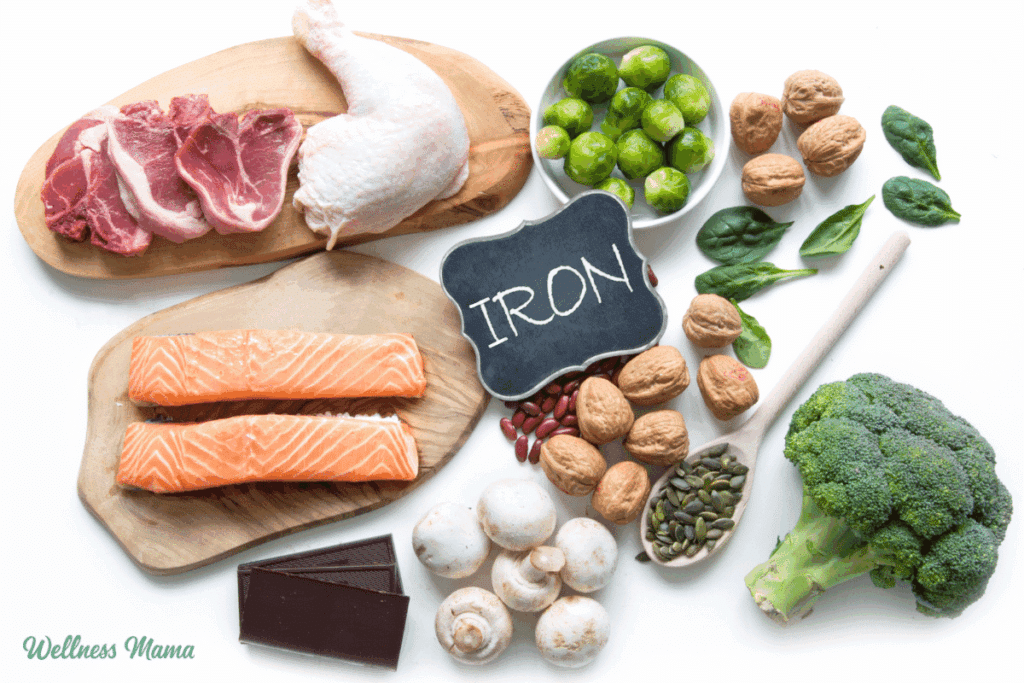
Good iron sources include red meat, fish, beans, lentils, and fortified cereals. If you don’t eat meat, make sure to eat a variety of non-heme iron foods. Also, pay attention to how different foods affect iron absorption.
Timeline for Symptom and Craving Resolution After Treatment
How fast you feel better after starting iron treatment varies. Most people notice better energy and fewer symptoms in a few weeks. But it can take months to fully build up iron levels.
Cravings like eating ice usually go away when iron levels get back to normal. It’s important to keep in touch with your doctor to check your iron levels and adjust your treatment as needed.
Conclusion: Preventing and Managing Iron Deficiency
To prevent iron deficiency, we need to keep iron levels up through food and supplements. Top hospitals focus on the best care and always strive to get better. It’s key to know the signs early and treat them right to stay healthy.
Women should watch out for signs of low iron, like feeling tired, weak, and having trouble focusing. Spotting these symptoms early helps us stop iron deficiency before it starts.
Handling iron deficiency means regular doctor visits and tests to check iron levels. Working with doctors, we can find good treatments. This helps manage cravings and boosts health.
By focusing on preventing iron deficiency, we avoid serious problems and keep people healthy. Our aim is to give each patient the care they need. This ensures they get the best treatment and support.
FAQ’s
What are the common symptoms of low iron?
Symptoms of low iron include feeling very tired and weak. You might also have pale skin, shortness of breath, and dizziness. Women might also notice heavy menstrual bleeding and hair loss.
What is pica, and how is it related to iron deficiency?
Pica is when you crave non-food items. It’s often linked to iron deficiency. People with pica might want to eat ice, dirt, or clay.
Why do people with low iron crave ice?
Craving ice, or pagophagia, is a sign of iron deficiency. The body tries to make up for the lack of iron, but it’s not fully understood.
How is iron deficiency diagnosed?
Doctors use tests like serum ferritin and hemoglobin levels to find iron deficiency. They look at the results to see how bad it is.
What are the treatment options for iron deficiency?
Treatment includes iron supplements and eating more iron-rich foods. It also means dealing with the cause, like heavy periods. The goal is to get iron levels back up and feel better.
How long does it take to resolve symptoms of iron deficiency?
It depends on how bad the deficiency is and how well treatment works. Most people start feeling better in a few weeks to months.
Can iron deficiency cause cognitive and emotional symptoms?
Yes, it can lead to problems like trouble concentrating and mood swings. Getting enough iron can help with these issues.
Are there any risks associated with ice chewing?
Ice chewing might feel good but can harm your teeth and jaw. It’s better to treat the iron deficiency to stop the craving.
How can I increase my iron levels through diet?
Eat foods high in iron like red meat, beans, and fortified cereals. Vitamin C helps your body absorb iron, so eat foods with vitamin C too.
Are there any gender differences in iron deficiency cravings?
Both men and women can crave non-food items due to iron deficiency. But women might crave ice more. Everyone is different, and cravings can vary.
References
- MedlinePlus. (2024). Pica. U.S. National Library of Medicine. Retrieved fromhttps://medlineplus.gov/ency/article/001538.html