
Advanced neuroimaging has changed how we see bipolar disorder. It shows big differences in brain scans between those with bipolar and those without. At Liv Hospital, we see how these tools help us understand this complex condition better.
Recent studies have found clear differences in brain scans between people with bipolar and those without. The ENIGMA consortium looked at 6,503 people. They found big changes in the brain of those with bipolar disorder.
A brain scan can’t diagnose bipolar disorder on its own. But it’s very important for research. It helps us learn about the brain’s role in this condition.
Key Takeaways
- Advanced neuroimaging techniques reveal differences between bipolar and normal brain scans.
- Bipolar disorder is associated with significant structural and functional brain abnormalities.
- Brain scans are not used for diagnosing bipolar disorder but are critical in research.
- The ENIGMA consortium’s analysis revealed significant structural abnormalities in bipolar disorder.
- Neuroimaging research helps us understand the neurobiological mechanisms of bipolar disorder.
The Science Behind Bipolar Brain Scans
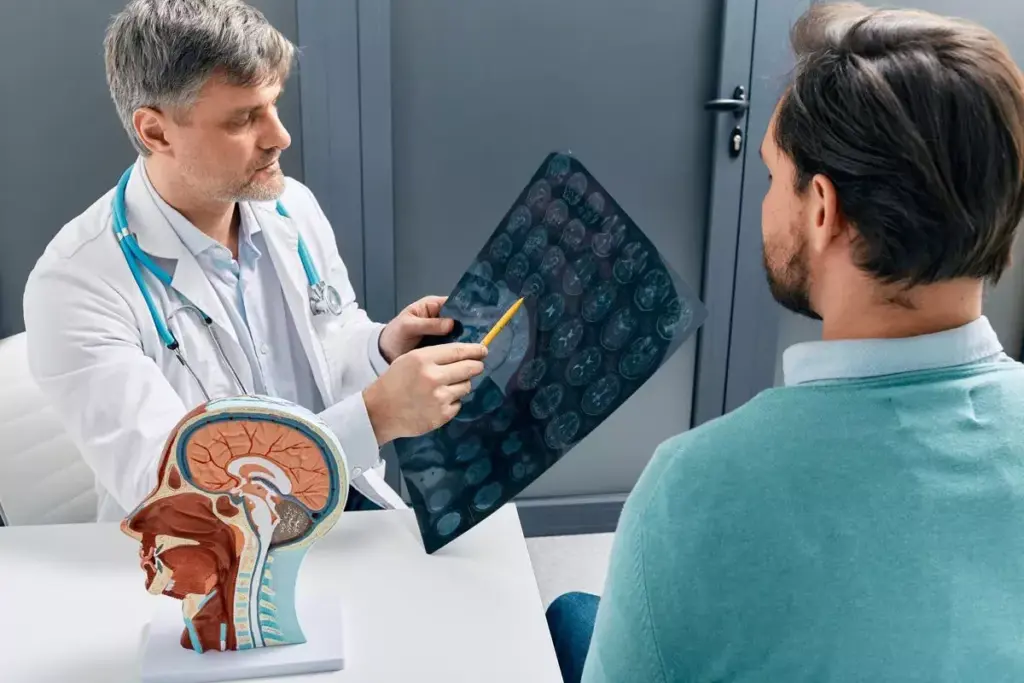
Recent breakthroughs in neuroimaging have helped us understand the brain differences in bipolar disorder. This progress is key to better diagnosis and treatment.
Types of Neuroimaging Techniques Used
We use many neuroimaging methods, like Magnetic Resonance Imaging (MRI). MRI gives us detailed brain images. MRI for bipolar disorder helps spot structural issues.
Functional MRI (fMRI) tracks brain activity by watching blood flow. It shows how bipolar brains work differently. Other methods, like Diffusion Tensor Imaging (DTI), look at white matter tracts. Structural MRI checks brain region sizes and thickness.
The ENIGMA Consortium’s Groundbreaking Research
The ENIGMA Consortium has greatly contributed to bipolar disorder research. Their study in Molecular Psychiatry mapped bipolar disorder’s effects on the brain. It shed light on bipolar disorder brain chemistry.
By combining data from many studies, ENIGMA found clear brain differences in bipolar disorder. This research could lead to better treatments. Advanced neuroimaging and teamwork, like ENIGMA’s, are vital for bipolar disorder research.
Key Differences Between Bipolar Brain Scans vs Normal Brain Images

Researchers have found key differences between bipolar brain scans and normal brain images. These differences help us understand bipolar disorder better. They are important for diagnosing and treating the condition.
Thinning Cortical Gray Matter in Frontal, Temporal, and Parietal Regions
Studies show that bipolar disorder is linked to thinning cortical gray matter in the brain. This thinning is seen in the frontal, temporal, and parietal lobes. It affects both sides of the brain, showing a wide impact.
The biggest changes are in the left pars opercularis, left fusiform gyrus, and left rostral middle frontal cortex.
Reduced Subcortical Volume and White Matter Abnormalities
MRI studies have found that bipolar disorder is linked to reduced subcortical volume and white matter issues. These changes can disrupt brain connectivity and function. This affects the complex symptoms of bipolar disorder.
Research on USC’s website shows these abnormalities are key to understanding bipolar disorder’s neurobiology.
Altered Functional Connectivity and Amygdala Activation
Functional imaging reveals that bipolar disorder has altered functional connectivity and abnormal amygdala activity. The amygdala, which handles emotions, is too active in those with bipolar disorder. This leads to mood swings and emotional issues.
These findings show the importance of looking at both structural and functional brain changes in bipolar disorder.
| Brain Region | Abnormality in Bipolar Disorder | Impact on Brain Function |
| Frontal Lobe | Thinning cortical gray matter | Affects decision-making and emotional regulation |
| Temporal Lobe | Reduced subcortical volume | Influences mood and emotional processing |
| Parietal Lobe | Disrupted white matter integrity | Impacts sensory processing and integration |
Conclusion: How Brain Scan Findings Advance Bipolar Disorder Treatment
Neuroimaging techniques, like MRI for bipolar disorder, have greatly improved our understanding. By looking at bipolar disorder brain images, researchers find important differences. These help us understand bipolar brains better than normal ones.
Bipolar MRI scans show structural and functional issues in bipolar disorder patients. These findings are key for better diagnosis and treatment. Knowing the neurobiological causes helps us create more effective treatments.
As we learn more about bipolar disorder through brain scans, we can improve care. Looking at bipolar pictures and brain images is vital. It helps us tailor treatments to meet each patient’s needs.
FAQ
What does a bipolar brain scan look like compared to a normal brain scan?
Bipolar brain scans show clear differences. They have thinner gray matter, smaller subcortical areas, and white matter issues.
How do brain scans help in understanding bipolar disorder?
Brain scans, like MRI, are key in research. They help us see how bipolar brains differ from normal ones. This knowledge helps us understand bipolar disorder better.
What are the key differences between bipolar brain scans and normal brain images?
Bipolar scans show thin gray matter in certain areas. They also have smaller subcortical areas and white matter problems. Plus, there are changes in how brain areas talk to each other.
Can brain scans be used to diagnose bipolar disorder?
No, brain scans aren’t used for diagnosing bipolar disorder yet. But, they’re vital in research. They help us learn more about bipolar disorder and how to better diagnose and treat it.
What is the significance of the ENIGMA consortium’s research on bipolar disorder?
The ENIGMA consortium’s work is very important. They analyzed a big dataset. This gave us new insights into bipolar disorder’s brain changes.
How do MRI scans contribute to the understanding of bipolar disorder?
MRI scans have been very helpful. They show clear brain structure and function differences in bipolar disorder. This helps us understand bipolar disorder’s neurobiological roots.
What are the implications of brain scan findings for bipolar disorder treatment?
Brain scan research has big implications for treatment. It helps us create better diagnostic and treatment plans. This could lead to better outcomes for people with bipolar disorder.
What is bipolar brain imaging, and how is it used?
Bipolar brain imaging uses neuroimaging, like MRI, to study brain differences. It helps us understand bipolar disorder’s neurobiological mechanisms.