Every year, over 80 million CT scans are done globally. This shows how important they are for medical checks. CT scan machines are high-tech tools. They use computers and X-rays to make detailed pictures of our bodies.
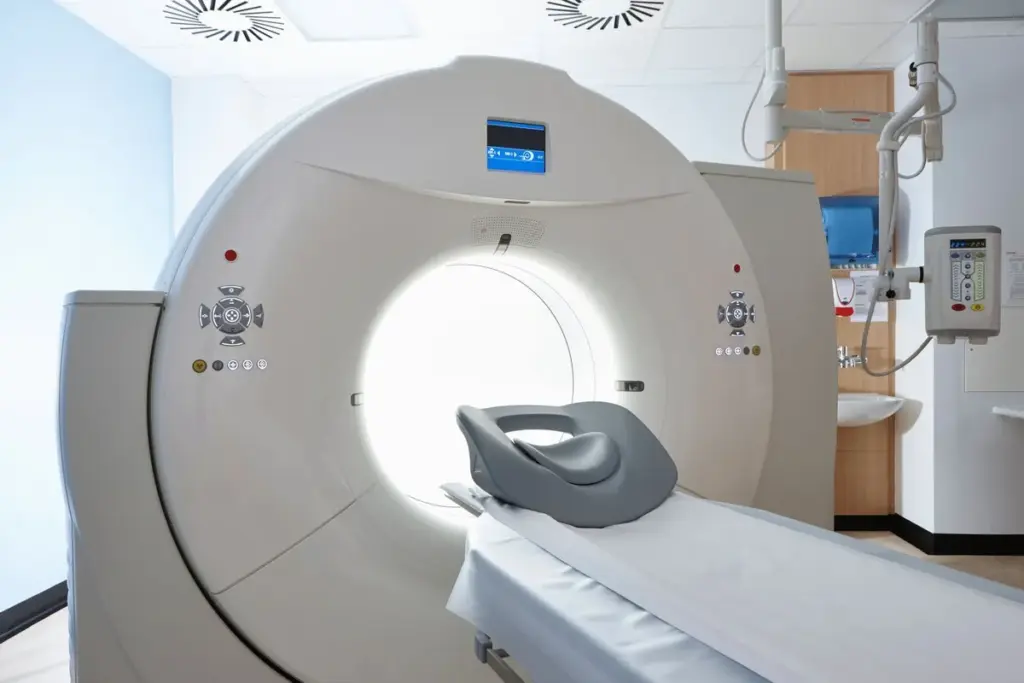
Scared? What does a CT scan machine look like? It is a donut, not a tunnel. Learn why it is much less claustrophobic than an MRI now.
These machines help doctors find out what’s wrong with us. They can spot injuries, cancers, and heart problems. Thanks to advanced technology, doctors can give us the right treatment.
Key Takeaways
- CT scan machines are vital for diagnosing various medical conditions.
- They use a combination of computer technology and X-rays.
- Detailed images produced help in creating effective treatment plans.
- CT scans are a key part of modern healthcare.
- Annual CT scan procedures number over 80 million worldwide.
Overview of CT Scan Machines
Computed Tomography (CT) scan machines have changed medical imaging a lot. They give detailed pictures of the body’s inside parts. These machines are key in today’s medical world, helping doctors see inside the body clearly.
Definition of a CT Scan
A CT scan is a test that shows the body’s inside parts. It uses X-rays from different angles to make detailed pictures. These pictures show bones, soft tissues, and blood vessels.
Basic Functionality and Purpose
CT scan machines work by moving an X-ray source and detectors around the body. They capture data to make images. The main goal is to help diagnose and track many health issues, like injuries, cancers, and blood vessel problems.
Importance in Medical Diagnosis
CT scans play a crucial role in medical diagnosis. They give high-resolution images fast and accurately. They are most useful in emergencies when quick decisions are needed.
The detailed pictures from CT scans help doctors make better choices for patient care. This shows how important CT scans are in today’s healthcare.
Key Components of a CT Scan Machine
A CT scan machine has many important parts. These parts work together to create detailed images inside the body.
The Gantry: What It Is and Its Role
The gantry is a key part of a CT scan machine. It holds the X-ray tube and detectors. It looks like a big doughnut that the patient moves through.
The gantry can rotate around the patient. This lets it take pictures from different angles.
The X-ray Tube and Detectors
The X-ray tube makes X-rays that go through the body. The detectors catch the X-rays that pass through. Together, they help make clear images.
The Control Panel and User Interface
The control panel is where the radiographer works. They set up the scan and watch it happen. The interface is easy to use, helping avoid mistakes.
|
Component |
Function |
|---|---|
|
Gantry |
Houses X-ray tube and detectors, rotates around the patient |
|
X-ray Tube |
Generates X-rays that penetrate the patient’s body |
|
Detectors |
Captures X-rays that pass through the patient |
|
Control Panel |
Operated by radiographer to set scan parameters and monitor progress |
Knowing about the parts of a CT scan machine shows how advanced this technology is.
Visual Description of a CT Scan Machine
At first glance, a CT scan machine may seem complex. But its design focuses on patient comfort and precise diagnosis.
Appearance and Size
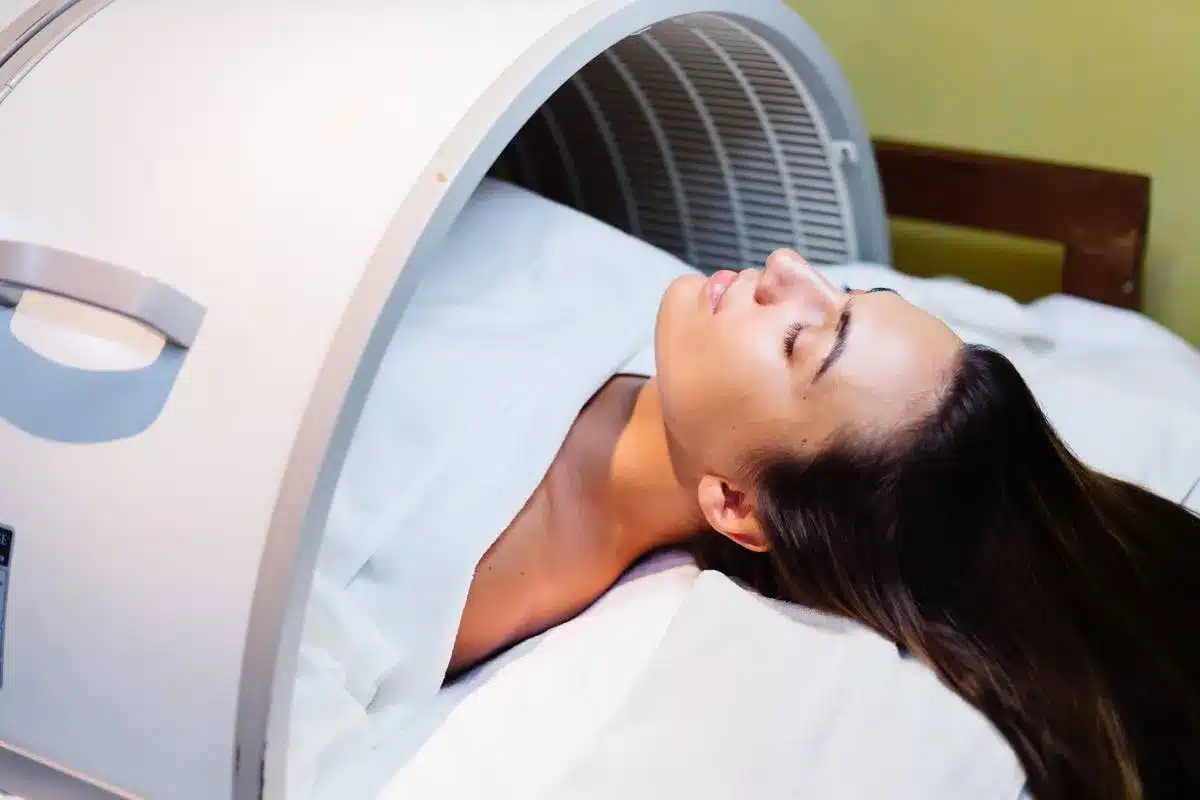
A typical CT scan machine is quite large. It looks like a big, circular, or doughnut-shaped device. The central hole, called the gantry, is where patients lie during the scan.
The machine’s size is big enough to hold the advanced technology inside. This includes the X-ray tube and detectors that move around the patient to take detailed images.
Color and Material Composition
Most CT scan machines have a white or light-colored exterior. They are made of metal and plastic. This makes them durable and easy to clean.
The patient table is often made of a sturdy, cushioned material. This ensures patient comfort during the scan.
The control panel and user interface are electronic. They may have touch screens or buttons. These are designed to be easy for medical staff to use.
Comparison with Other Imaging Devices
CT scan machines are more open than MRI machines. This makes them less scary for patients who fear being trapped.
Here are some key differences:
- Size and Openness: CT scanners are more open than MRI machines.
- Technology Used: CT scans use X-rays, while MRI machines use magnetic fields and radio waves.
- Purpose: Both are for diagnostic imaging, but CT scans are better for emergencies and certain injuries.
Types of CT Scans Available
CT scan technology offers many scanning options today. This variety helps healthcare professionals pick the best scan for each patient. They choose based on the patient’s condition and what they need to diagnose.
Standard CT Scans
Standard CT scans are the most used type. They give clear images of organs, bones, and tissues inside the body. These scans help find injuries, cancers, and vascular diseases.
We use them to see how big an injury or disease is. This helps us understand the extent of the problem.
Contrast CT Scans
Contrast CT scans use a contrast agent to make certain areas more visible. This agent is given through an IV line. It makes blood vessels, organs, and other structures stand out.
This makes it easier to spot tumors, vascular diseases, and inflammation. We suggest these scans when we need to see specific areas in detail.
Advanced Techniques: 3D and Cardiac CT
Advanced CT scans include 3D imaging and cardiac CT scans. 3D CT scans make three-dimensional images from cross-sectional data. This helps us see complex structures and their relationships better.
This is great for planning surgeries and checking complex injuries or diseases. Cardiac CT scans focus on the heart and its vessels. They help diagnose coronary artery disease, check calcium scores, and evaluate heart function.
We use these advanced scans to understand patients’ conditions better. This helps us give them accurate diagnoses and effective treatments.
How a CT Scan Machine Operates
A CT scan machine works by combining scanning, reconstruction, and analysis. It uses advanced technology to create detailed images. These images are key for making accurate diagnoses.
The Scanning Process
The scanning process starts with the CT machine moving around the patient. It takes images from different angles. This is done with X-ray tubes and detectors moving together in the gantry.
Key steps in the scanning process include:
- Patient positioning on the scanning table
- Gantry rotation to capture images
- X-ray emission and detection
Image Reconstruction Techniques
After scanning, the raw data is turned into images. Image reconstruction techniques are essential for clear images.
The reconstruction process involves:
- Data acquisition and processing
- Application of reconstruction algorithms
- Image filtering and enhancement
Software and Technology Used
The software and technology in CT scan machines are critical. They help capture, reconstruct, and analyze images precisely.
Some key technologies include:
- Advanced reconstruction algorithms
- High-speed data processing units
- User-friendly interfaces for operators
These technologies allow CT scan machines to provide detailed images. These images are vital for accurate diagnoses and treatment plans.
Pre-Scan Preparation for Patients
Before getting a CT scan, it’s key to know what to do. Our team helps you get ready to make sure you’re comfortable and safe.
What to Expect Before the Procedure
When you arrive, our staff will welcome you and explain the scan. You’ll change into a gown and take off any metal or jewelry.
We’ll also check your medical history and medications. This helps us know if you need any special care.
Necessary Precautions and Guidelines
To keep you safe during the scan, follow these steps:
- Tell your doctor about any allergies or sensitivities, like to contrast agents.
- Share your medical history, including kidney disease, diabetes, or past reactions to contrast.
- Don’t eat or drink for a few hours before if contrast is used.
- Remove any metal objects, glasses, or jewelry that could get in the way.
Role of Contrast Agents
Contrast agents make CT scan images better. They help doctors see specific areas of the body more clearly.
There are many types of contrast agents. The right one depends on the body part being scanned and your medical history.
|
Preparation Step |
Description |
|---|---|
|
Remove Metal Objects |
Take off jewelry, glasses, or any other metal items that could interfere with the scan. |
|
Disclose Medical History |
Inform your doctor about any allergies, kidney disease, or previous reactions to contrast agents. |
|
Follow Dietary Instructions |
Avoid eating or drinking for a few hours before the scan if contrast is used. |
Knowing what to expect and following guidelines makes your CT scan safe and effective. If you have questions, our team is here to help.
During the CT Scan Procedure
We’ll walk you through the CT scan process. This will help you know what to expect and how to prepare. It’s designed to ease any worries and make the experience as easy as possible.
Step-by-Step Process
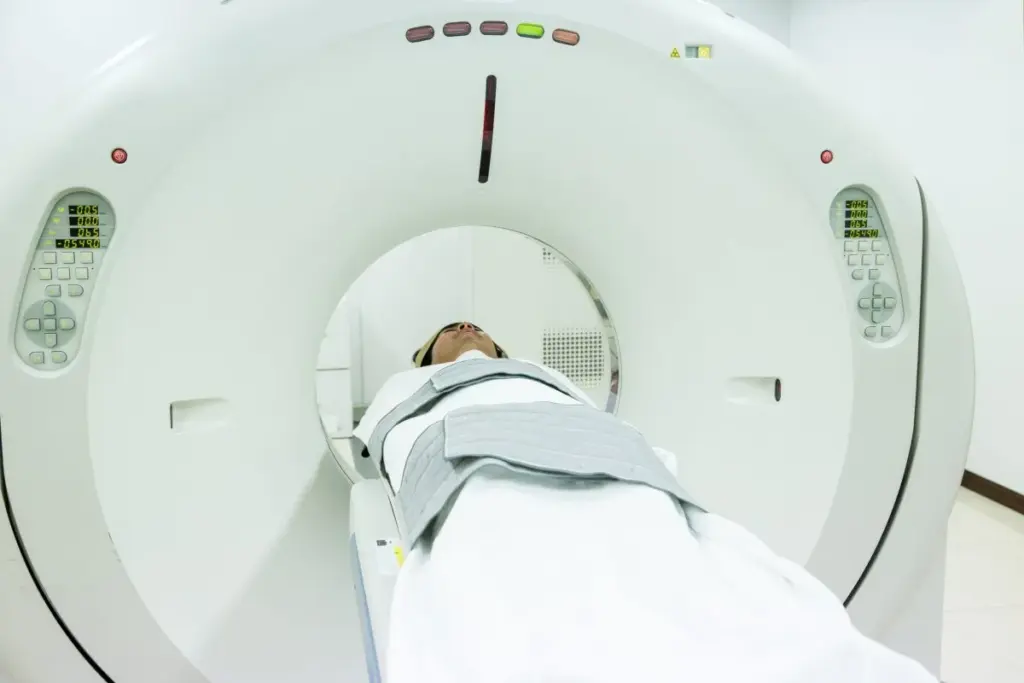
The CT scan process involves several steps. First, patients are placed on a table that moves into the CT scanner. The scanner then takes images of the body area of interest. Our medical team is there to ensure everything goes smoothly.
During the scan, the table will move slowly. You might hear a humming or whirring noise. This is normal and means the machine is working right. The technician will talk to you through an intercom, giving instructions and reassurance.
Patient Positioning and Comfort Measures
Getting the right position is key for clear images. Our team will help you get comfortable on the table, using pillows or straps if needed. We’ll make sure you’re as comfortable as possible to avoid movement.
We might give you earplugs or headphones to block out the scanner’s noise. Our goal is to keep you relaxed during the procedure. If you’re feeling uncomfortable or anxious, please let our team know.
Duration of a Typical Scan
The time it takes for a CT scan varies. Usually, it lasts between 10 to 30 minutes. But, some scans might take longer due to extra detail or complex procedures.
We know waiting and scan times can be a worry. Our staff works hard to keep things efficient while ensuring top care. You’ll be told about the expected time when you book your appointment, so you can plan.
Post-Scan: Understanding the Results
Getting the results of your CT scan is a key part of your health journey. After the scan, experts look at the images. They are called radiologists and are skilled in understanding these images.
How Images Are Analyzed
Radiologists carefully examine the CT scan images. They search for things like tumors, broken bones, or signs of disease. They compare these images to what’s normal in the body.
They use special software to make the images clearer. This software also helps create 3D pictures. These tools help doctors make more accurate diagnoses.
Common Conditions Diagnosed via CT
CT scans are great for finding many health issues. These include:
- Cancerous tumors and their staging
- Fractures and musculoskeletal injuries
- Vascular diseases, such as aneurysms or blockages
- Infections and inflammatory conditions
By closely looking at the CT scan images, doctors can spot these problems accurately.
Sharing Results with Patients
After the radiologist checks the images, they tell the doctor. The doctor then talks to the patient about the results.
We know waiting for results can be tough. Our team works hard to share the news quickly. We explain it in a way that’s easy to get.
|
Condition |
CT Scan Findings |
Typical Next Steps |
|---|---|---|
|
Cancer |
Presence of tumors, staging |
Oncology consultation, treatment planning |
|
Fractures |
Evidence of bone fractures |
Orthopedic consultation, immobilization |
|
Vascular Disease |
Aneurysms, blockages |
Vascular specialist consultation, possible intervention |
Addressing Anxiety and Claustrophobia
Many patients worry about CT scans because of anxiety and claustrophobia. We get it. Getting a CT scan can really stress people out.
Causes of Anxiety During CT Scans
The CT scan machine’s closed space can make people feel anxious or claustrophobic. The loud noises and need to stay very quiet make it worse.
We take these worries seriously. We want to help make patients feel better during the scan.
Strategies for Overcoming Claustrophobia
Here are some ways to deal with claustrophobia during a CT scan:
- Talking to the medical team about your fears
- Trying relaxation techniques like deep breathing or meditation
- Having someone you know there for support
- Using open or wide-bore CT scanners for more room
These methods can really help lower anxiety levels.
Sedation Options for Nervous Patients
If you’re really scared or anxious, sedation might help. We have different sedation options to help you relax during the scan.
|
Sedation Method |
Description |
Benefits |
|---|---|---|
|
Oral Sedation |
Given orally before the scan |
Makes you relax without losing consciousness |
|
IV Sedation |
Given through an IV, for adjustable sedation |
Offers deeper relaxation, with quick recovery |
|
Nitrous Oxide |
Inhaled through a mask, for mild sedation |
Easy to use, with fast start and end |
Our team will talk to you about the best sedation. We want you to be comfortable and safe during the CT scan.
Safety Considerations of CT Scans
CT scans are a big deal in healthcare, but they come with safety concerns. These include radiation exposure, who gets scanned, and new tech to lower doses. Knowing about these is key for doctors and patients alike.
Radiation Exposure and Safety Protocols
CT scans use X-rays to see inside the body. This means patients get some radiation. But, the benefits often outweigh the risks. It’s important to keep doses low to keep patients safe.
Key safety protocols include:
- Only scan when it’s really needed.
- Adjust scans based on patient size and needs.
- Use new tech to lower radiation.
Who Should Avoid CT Scans
Some people should think twice about getting CT scans. Pregnant women should only get them if really needed. People with kidney disease might need to be extra careful or avoid certain agents.
Advances in Reducing Radiation Dose
New tech has made CT scans safer. Modern scanners use better materials and tech to cut radiation. This keeps images clear while lowering doses.
By using these new tools and following safety rules, we can keep CT scans safe and useful.
The Future of CT Scan Technology
The future of CT scans looks bright. New technologies will make them better for diagnosing and more comfortable for patients. Several key areas are set for big improvements.
Advancements in Imaging Techniques
One exciting change is better imaging techniques. These advancements will give doctors clearer, more detailed images. This is key for accurate diagnoses.
Some of the innovations include:
- High-resolution imaging for better detection of small lesions
- Advanced reconstruction algorithms for improved image quality
- Dual-energy CT scans for enhanced tissue characterization
|
Technique |
Description |
Benefits |
|---|---|---|
|
High-Resolution Imaging |
Provides detailed images of small structures |
Better detection of lesions and abnormalities |
|
Advanced Reconstruction Algorithms |
Improves image quality through sophisticated processing |
Enhanced diagnostic accuracy |
|
Dual-Energy CT Scans |
Uses two different energy levels to scan the body |
Better tissue characterization and reduced need for contrast agents |
Integration of AI and Machine Learning
Artificial Intelligence (AI) and Machine Learning (ML) are changing CT scans. They help analyze images, automate tasks, and improve accuracy.
For example, AI can:
- Automate finding abnormalities
- Help radiologists with complex images
- Make scan protocols better for patients
AI-driven solutions make diagnosis faster and radiology departments more efficient.
Enhancements for Patient Experience
Future CT scans will also focus on making patients more comfortable. Innovations aim to reduce anxiety, improve comfort, and make the process smoother.
Some enhancements include:
- Open CT scanners to reduce claustrophobia
- Faster scan times for better patient flow
- Better systems for patient communication
By improving these areas, we can make CT scans less scary and more comfortable for patients.
Conclusion: The Role of CT Scans in Healthcare
CT scans are key in healthcare, giving doctors vital information. They help diagnose and treat many conditions. This technology has changed how doctors work, making care better.
Recapitulation
We talked about CT scan machines and the scans they offer. We also looked at how to prepare for a scan and keep patients safe. The scanning process and how images are made were covered too.
Diagnostic Importance
CT scans are very important for making diagnoses. They let doctors see inside the body clearly. This helps them find the right treatment. New CT tech is making diagnoses even better, helping patients more.
Patient-Centric Approach
CT scans focus on keeping patients safe and comfortable. They try to use less radiation and make patients feel at ease. As CT tech gets better, so will the care patients receive.
FAQ
What is a CT scan machine?
A CT scan machine is a device used in medicine. It uses X-rays and computer tech to make detailed images of the body.
How does a CT scan machine work?
It works by moving an X-ray tube and detectors around the body. A computer then makes images from the data captured.
What are the different types of CT scans available?
There are many types, like standard and contrast CT scans. There are also advanced ones like 3D and cardiac CT scans.
What is the role of contrast agents in CT scans?
Contrast agents help make CT scan images better. They highlight specific areas or structures in the body.
How long does a typical CT scan take?
Most CT scans take just a few minutes to complete.
What can I expect during a CT scan procedure?
You’ll lie on a table that slides into the scanner. You’ll need to stay very quiet while the scan is done.
How are CT scan images analyzed?
Radiologists look at the images to find and diagnose medical issues.
Can CT scans cause anxiety or claustrophobia?
Yes, some people might feel anxious or claustrophobic. But there are ways to help manage these feelings.
What are the safety considerations for CT scans?
CT scans use radiation. But there are safety steps to reduce this and keep patients safe.
Are there any advances in CT scan technology?
Yes, CT scan tech is always getting better. This includes new uses of AI and machine learning, and ways to make the experience better for patients.
How will I receive my CT scan results?
Your doctor will share the results with you. They’ll explain what they mean and what to do next.
Who should avoid CT scans?
Some people, like pregnant women or those with certain health issues, should avoid CT scans or take extra precautions.
Reference
National Institutes of Health. Evidence-Based Medical Insight. Retrieved from https://www.nibib.nih.gov/science-education/science-topics/computed-tomography-ct