

Getting a prostate cancer diagnosis can be scary, and a Gleason score of 7 adds to the worry. At Liv Hospital, we know how important it is to be clear and caring. A Gleason score of 7 means the tumor is not too bad but not too good either. It can be either 3+4 or 4+3, which affects treatment and how well you might do.
Getting a correct diagnosis is key to planning your treatment. We offer top-notch, patient-focused care that meets your specific needs. Our team is here to help you every step of the way, from finding out you have cancer to getting treatment and after.
Key Takeaways
- Understanding the Gleason score is key to knowing how serious prostate cancer is.
- A Gleason score of 7 means the tumor is in the middle.
- The exact score, 3+4 or 4+3, helps decide how to treat you.
- Liv Hospital gives personalized care for prostate cancer patients.
- Good treatment planning starts with a precise diagnosis and knowing the cancer’s stage.
- We offer full support during your treatment journey.
Understanding Prostate Cancer Basics
To understand a Gleason score of 7, we must first learn about prostate cancer. It’s a big health issue for men. Knowing the basics helps with diagnosis and treatment choices.
The Role of the Prostate Gland
The prostate gland is a small, walnut-sized organ below the bladder in men. It makes fluids for semen. The prostate surrounds the urethra, which carries urine out of the body. The health of the prostate gland is key for both urine and reproductive functions.
How Prostate Cancer Develops
Prostate cancer starts when abnormal cells in the prostate gland grow too much. These cells can spread to other areas if not treated. The exact cause is not known, but age, family history, and genetics are important factors. For more on Gleason scores, visit the AACR blog on Gleason scores.
Adenocarcinoma: The Most Common Type
Adenocarcinoma is the most common prostate cancer type. It starts in glandular cells of the prostate, which make prostate fluid. Adenocarcinoma’s aggressiveness is measured by the Gleason grading system. Knowing about adenocarcinoma helps choose the right treatment.
Understanding these basics helps patients and their families. They can better grasp prostate cancer diagnosis and treatment, including what a Gleason score of 7 means.
The Gleason Grading System Explained
The Gleason grading system is key in figuring out how aggressive prostate cancer is. It’s now a main tool for checking prostate cancer and guessing how it will progress.
History and Development of the Gleason System
He was an American pathologist. His work changed how we diagnose prostate cancer by giving a way to grade it based on how the cells look.
Over time, the Gleason system has been updated to make it more accurate. These changes help it stay useful in doctor’s offices today.
How Pathologists Determine Gleason Patterns
Pathologists look at prostate biopsy samples under a microscope to find Gleason patterns. They check how the tumor cells look compared to normal prostate cells. The Gleason score is made by adding the two most common patterns found in the sample.
The Gleason score goes from 2 to 10. Lower scores mean less aggressive tumors, and higher scores mean more aggressive ones. For example, a Gleason score of 7 can be 3+4 or 4+3, which means different things for treatment.
The Importance of Accurate Grading
Getting the Gleason score right is very important. It helps doctors know how to treat prostate cancer. The score helps doctors decide if a patient should watch and wait, have surgery, or radiation therapy.
Getting the Gleason score right is key for the right treatment. If it’s wrong, treatment might be too much or too little. This affects how well a patient does and their quality of life.
What Is Gleason 7? Breaking Down the Score
Getting a Gleason score of 7 can feel scary, but knowing what it means can help. This score shows that the cancer is moderately aggressive. It’s split into two types: 3+4 and 4+3. Each type has its own impact on how the cancer might grow and how it should be treated.
The Significance of Primary and Secondary Patterns
The Gleason score is based on the two most common patterns in the tumor. The primary pattern is the most common, and the secondary pattern is the second. For a Gleason score of 7, these patterns can be 3+4 or 4+3. Knowing these patterns is key because they show how aggressive the cancer is.
For more details on Gleason scores, check out Understanding the Prostate Biopsy Gleason Score.
Differentiating Between 3+4 and 4+3 Scores
The difference between 3+4 and 4+3 Gleason scores matters a lot. A 3+4 score means the cancer is less aggressive in the primary pattern but more aggressive in the secondary. On the other hand, a 4+3 score has a more aggressive primary pattern. Research shows that patients with a 4+3 score often face a worse prognosis than those with a 3+4 score.
This difference is critical for deciding the best treatment plan.
Adenocarcinoma Prostate Gleason Score 7 Characteristics
Adenocarcinoma is the most common prostate cancer type with a Gleason score of 7. It has specific traits. Tumors with a 3+4 score are generally less aggressive than those with a 4+3 score. Knowing these traits helps doctors predict how the cancer will grow and choose the best treatment.
Dealing with a Gleason 7 prostate cancer diagnosis can be tough. Our team is here to offer full care and support. We aim to help patients make informed choices about their treatment.
Gleason 3+4=7: Characteristics and Prognosis
The Gleason 3+4=7 score is key in planning treatment for prostate cancer. It shows the tumor has a mix of Gleason patterns 3 and 4, with 3 being more common.
Cellular Patterns in 3+4 Tumors
Gleason 3+4=7 tumors have a mix of glandular structures and some loss of cell shape. The main pattern (Gleason 3) has clear glandular structures. The secondary pattern (Gleason 4) may have fused or poorly defined glands.
Knowing these patterns helps predict how the tumor will behave. It also helps decide the best treatment.
Expected Growth Rate and Behavior
Gleason 3+4=7 prostate cancer is seen as intermediate risk. It grows at a moderate pace. Active surveillance might be an option for some. Others might need more aggressive treatment based on PSA levels, age, and health.
Risk Classification in Clinical Practice
In clinical practice, Gleason 3+4=7 prostate cancer is classified as intermediate-risk. This helps guide treatment choices and predict outcomes. The risk classification considers the Gleason score, PSA levels, and clinical staging.
Understanding the risk helps tailor treatment plans. It aims to control cancer effectively while minimizing side effects.
Gleason 4+3=7: A More Aggressive Variant
Gleason 4+3=7 prostate cancer has more grade 4 cells, showing it’s more aggressive. It’s important to know about its cells, risk of getting worse, and how to treat it.
Cellular Patterns in 4+3 Tumors
The Gleason scoring system helps figure out how aggressive prostate cancer is. A score of 4+3=7 means the main cells are grade 4, and the secondary cells are grade 3. This shows the tumor is more aggressive than a 3+4=7 score, where grade 3 is the main cell type.
Key characteristics of 4+3 tumors include:
- More grade 4 cells, which are more abnormal and aggressive.
- Higher chance of the tumor spreading and growing in other parts of the body.
- Worse outlook compared to tumors with a lower Gleason score.
Risk Factors for Disease Progression
Several factors can make prostate cancer with a Gleason score of 4+3=7 progress faster. Knowing these factors helps us plan the best treatment.
| Risk Factor | Description | Impact on Disease Progression |
|---|---|---|
| PSA Levels | High initial PSA levels or rapid PSA doubling time. | Increased risk of disease progression. |
| Tumor Stage | Advanced tumor stage at diagnosis. | Higher likelihood of metastasis. |
| Patient Age | Younger patients may have a different risk profile compared to older patients. | Variable impact depending on overall health. |
Implications for Treatment Planning
Gleason 4+3=7 prostate cancer needs a careful and detailed treatment plan. We look at the patient’s health, tumor details, and what they prefer to make a plan just for them.
Treatment options may include:
- Radical prostatectomy with or without lymph node dissection.
- Radiation therapy, possibly with hormone therapy.
- Active surveillance in some cases, with close monitoring for disease progression signs.
Understanding Gleason 4+3=7 prostate cancer and looking at each person’s risk factors helps us plan a treatment that works well. This approach balances fighting the cancer with keeping the patient’s quality of life good.
Diagnostic Process for Gleason Score 7 Prostate Cancer

Diagnosing Gleason score 7 prostate cancer is a detailed process. It includes a biopsy and imaging tests. We aim to help you understand this journey with kindness and clarity.
Biopsy Procedures and Analysis
A biopsy is key to diagnosing prostate cancer. A urologist takes tissue samples from the prostate. These samples are checked under a microscope to see if cancer cells are present.
The biopsy results tell us about the Gleason score. A score of 7 means the cancer cells are moderately aggressive. This information helps decide the best treatment.
| Biopsy Type | Description | Advantages |
|---|---|---|
| Transrectal Ultrasound-Guided Biopsy | Uses ultrasound imaging to guide the biopsy needle into the prostate. | Provides accurate sampling of prostate tissue. |
| Transperineal Biopsy | Involves inserting the biopsy needle through the perineum, the area between the scrotum and anus. | Reduces the risk of infection compared to transrectal biopsy. |
| Fusion Biopsy | Combines MRI and ultrasound imaging to target specific areas of the prostate. | Improves detection of clinically significant prostate cancer. |
Additional Tests for Staging
After a Gleason score of 7 diagnosis, more tests are done. These tests help find out if the cancer has spread. They guide treatment choices.
Tests like bone scans, CT scans, and MRI are used. They show how far the disease has spread. This helps doctors plan the best treatment.
The Role of MRI and Other Imaging
MRI is very important in diagnosing prostate cancer. It shows where the tumor is and how big it is. It also checks if the cancer has spread.
Advanced imaging, like MRI, is very helpful. It helps doctors plan treatments more accurately. By using biopsy results and imaging, doctors can give care that fits each patient’s needs.
Treatment Decision Factors for Prostate Cancer Score of 7
When you get a Gleason score of 7 for prostate cancer, knowing what affects treatment choices is key. Each treatment plan is unique. It depends on the cancer’s type, your health, and what you prefer.
Age and Overall Health Considerations
Your age and health are big factors in picking a treatment. We look at your age, any health problems, and how well you can handle treatment. Younger people with fewer health issues might get more aggressive treatments. Older folks or those with big health problems might need gentler options.
PSA Levels and Doubling Time
PSA levels and how fast they double are key in figuring out how fast your cancer is growing. We watch PSA levels to see how the cancer is doing and how it’s reacting to treatment. If your PSA is going up fast, it might mean your cancer is aggressive and needs stronger treatment.
| PSA Level | Doubling Time | Implication |
|---|---|---|
| Low (<10 ng/mL) | Long (>12 months) | Less aggressive, potentially suitable for active surveillance |
| Moderate (10-20 ng/mL) | Moderate (6-12 months) | May require monitoring or treatment, depending on other factors |
| High (>20 ng/mL) | Short (<6 months) | More aggressive, likely requiring active treatment |
Patient Preferences and Quality of Life Goals
Your wishes and what you value in life are also important. We talk with you to understand what matters most. This helps make sure the treatment fits your life goals and values. We discuss how treatments might affect your life and quality of life.
By looking at all these factors, we can create a treatment plan that’s just right for you. It aims to balance fighting the cancer with keeping your quality of life good. This way, we give you the best care for your Gleason score of 7 prostate cancer.
Active Surveillance: When Watching Is the Best Approach
Men with a Gleason score of 7 prostate cancer might choose active surveillance. This method means watching the cancer closely with tests and check-ups. It’s a choice instead of starting treatment right away.
Active surveillance is good for men with low-risk cancer. It helps avoid the side effects of treatments like surgery or radiation. But, for a Gleason score of 7, it’s a big decision. It needs careful thought about several factors.
Eligibility Criteria for Active Surveillance
To be on active surveillance, patients must meet certain criteria. They need a low or intermediate risk of cancer growing, a PSA level under a certain number, and a small amount of cancer in biopsies.
We decide if active surveillance is right for each patient. We look at their health, cancer type, and what they want.
| Criteria | Description |
|---|---|
| PSA Level | Typically less than 10 ng/mL |
| Gleason Score | 7 (3+4) or low-volume 7 (4+3) |
| Cancer in Biopsy | Limited to a few cores, with a low percentage of cancer in each core |
Monitoring Protocols and Follow-up Schedule
Patients on active surveillance get regular checks for cancer growth. This includes:
- Regular PSA blood tests
- Periodic prostate exams
- Repeated biopsies at intervals (e.g., every 1-3 years)
- Imaging tests like MRI, as needed
We adjust the monitoring schedule for each patient. We change the frequency and types of tests based on their risk and test results.
When to Transition to Active Treatment
Switching to active treatment is decided when the cancer shows signs of growing more aggressively. Signs include:
- A big jump in PSA level
- Changes in the Gleason score on biopsies
- More cancer in biopsy samples
We help our patients decide when to move to treatment. We talk about the treatment options and help them make informed choices.
Surgical Options for Treating Gleason 7 Prostate Cancer
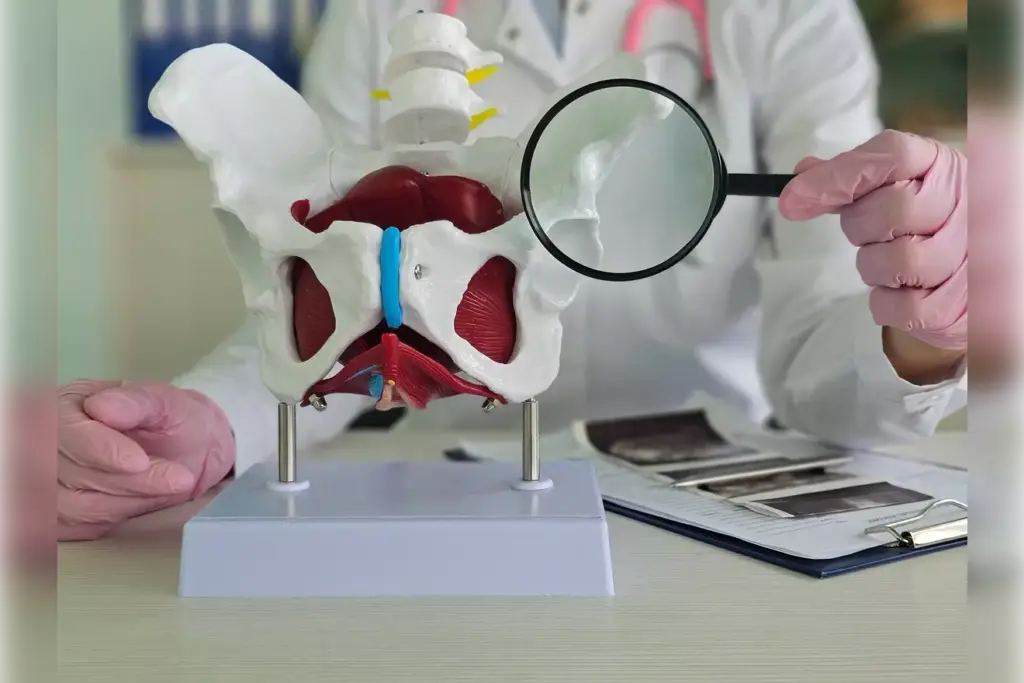
Surgery is a key treatment for Gleason 7 prostate cancer. New surgical methods have made it a good choice for many patients. This is true for those with cancer that hasn’t spread too far.
Radical Prostatectomy Techniques
Radical prostatectomy means removing the prostate gland. There are different ways to do this surgery, each with its own benefits. The right method depends on the patient’s health and the cancer’s stage.
“The goal of radical prostatectomy is to remove the cancerous prostate while preserving surrounding tissues and maintaining urinary and sexual function,” says a renowned urologist. This requires precision and expertise, making it important to choose an experienced surgeon.
Robotic and Minimally Invasive Approaches
Robotic-assisted surgery has changed urology for the better. It offers improved precision and reduced recovery times. This method lets surgeons do complex tasks with better control and vision.
Robotic prostatectomy uses small incisions. Robotic arms, controlled by the surgeon, do the surgery. This leads to less blood loss, less pain, and faster recovery.
Recovery and Side Effect Management
Recovery from prostate surgery varies. But most men can get back to normal in a few weeks. Managing side effects well is key to a better life after surgery.
Side effects like urinary incontinence and erectile dysfunction are common. But, thanks to better surgery and care, these problems are less severe.
“With proper care and support, many men can recover well from prostate surgery and maintain a good quality of life,” notes a specialist in urologic oncology. “It’s essential for patients to follow post-operative instructions carefully and attend follow-up appointments to monitor their recovery.”
Knowing about surgical options for Gleason 7 prostate cancer helps patients make informed choices. Talking to a healthcare provider is key to finding the best treatment.
Radiation Therapy Approaches for Gleason Score 7
Radiation therapy is key for Gleason score 7 prostate cancer. It offers various methods tailored to each patient. We’ll look at the different radiation therapy options for this condition.
External Beam Radiation Therapy
External beam radiation therapy (EBRT) is a non-invasive method. It uses high-energy beams from outside the body to target the prostate gland. This approach is precise, aiming to hit the tumor while sparing healthy tissues.
We use advanced technologies like intensity-modulated radiation therapy (IMRT) and image-guided radiation therapy (IGRT). These improve the accuracy and effectiveness of EBRT.
Brachytherapy (Internal Radiation)
Brachytherapy involves placing small radioactive seeds in the prostate gland. This method delivers high doses of radiation directly to the tumor. It reduces harm to nearby tissues.
There are two types of brachytherapy: permanent (low-dose rate) and temporary (high-dose rate). We see brachytherapy as a good option for Gleason score 7 prostate cancer, mainly for those with localized disease.
Side Effects and Management Strategies
Radiation therapy is generally safe but can cause side effects. These include urinary frequency, fatigue, and gastrointestinal symptoms. We use various strategies to manage these effects.
These strategies include medication, dietary changes, and pelvic floor exercises. It’s important for patients to talk to their healthcare team about any concerns or side effects. This ensures they receive the best care.
Combination with Hormone Therapy
In some cases, we suggest combining radiation therapy with hormone therapy. Hormone therapy can shrink the prostate gland. This makes it easier to target the tumor with radiation.
This combined approach may benefit patients with aggressive disease or those at high risk of recurrence.
Understanding the various radiation therapy options helps patients with Gleason score 7 prostate cancer make informed decisions. We aim to provide personalized treatment plans that meet each patient’s unique needs and preferences.
Advanced and Emerging Treatment Options
Prostate cancer treatment is getting better, thanks to new options for those with a Gleason score of 7. These new methods aim to make treatments more effective, lessen side effects, and improve life quality.
Hormone Therapy Approaches
Hormone therapy, or androgen deprivation therapy (ADT), lowers male hormones in the body. This helps slow down prostate cancer growth. There are different types of hormone therapy, like:
- Luteinizing hormone-releasing hormone (LHRH) agonists and antagonists, which lower testosterone levels
- Anti-androgens, which block androgens’ effect on cancer cells
Hormone therapy can be used in various ways. It can be combined with other treatments or used alone for advanced cancer.
Focal Therapy Techniques
Focal therapy targets the cancer area in the prostate, not the whole gland. This can lessen side effects and keep healthy tissue safe.
High-intensity focused ultrasound (HIFU) and laser ablation are focal therapy methods for localized cancer. They are less invasive than surgery and lead to faster recovery.
Promising Clinical Trials
Clinical trials are exploring new treatments for prostate cancer, including Gleason score 7. These trials are key to finding better treatments.
Immunotherapy Developments
Immunotherapy uses the immune system to fight cancer. Treatments like sipuleucel-T (Provenge) have shown promise. Trials are looking into more immunotherapies, like checkpoint inhibitors and vaccines.
These new treatments are a big step forward for Gleason score 7 prostate cancer. They offer hope for better patient outcomes and life quality.
Conclusion: Living with a Gleason Score 7 Diagnosis
A Gleason score 7 prostate cancer diagnosis means you need to know a lot about the disease and how to treat it. We’ve looked at the Gleason grading system and the different ways to treat it.
Many men with Gleason score 7 prostate cancer can control the disease for a long time. At Liv Hospital, we focus on creating a treatment plan that fits each person. This plan considers their health, PSA levels, and what they want to achieve in life.
Dealing with prostate cancer can be tough, but with the right support, men can face it with confidence. Knowing about the Gleason score 7 prognosis and treatment options helps make better care choices.
By teaming up with healthcare providers, men with Gleason score 7 prostate cancer can find a treatment that meets their needs. This approach can improve their outcome and quality of life.
What does a Gleason score of 7 mean for prostate cancer?
A Gleason score of 7 means the cancer is of intermediate grade. It can be either 3+4 or 4+3. Each has different treatment and prognosis implications.
What is the difference between Gleason 3+4 and 4+3 scores?
A 3+4 score means the tumor is less aggressive. On the other hand, a 4+3 score indicates a more aggressive tumor.
How is Gleason score 7 prostate cancer treated?
Treatment for Gleason score 7 prostate cancer varies. It depends on age, health, PSA levels, and patient preferences. Options include active surveillance, surgery, radiation, or a mix of these.
What is active surveillance for Gleason score 7 prostate cancer?
Active surveillance involves regular monitoring. This includes PSA tests, biopsies, and imaging studies. It’s often recommended for low- or intermediate-risk cancer.
Can Gleason score 7 prostate cancer be cured?
Yes, Gleason score 7 prostate cancer can be treated and potentially cured. Early detection is key. Treatment success depends on health and cancer characteristics.
What are the surgical options for treating Gleason 7 prostate cancer?
Surgical options include radical prostatectomy. This can be done robotically or minimally invasively. The goal is to remove the prostate and surrounding tissues.
What are the radiation therapy approaches for Gleason score 7?
Radiation therapy for Gleason score 7 includes external beam and brachytherapy. These aim to kill or slow cancer cells.
Are there any advanced or emerging treatment options for Gleason score 7 prostate cancer?
Yes, advanced options include hormone therapy and focal therapy. Clinical trials are also available. These may be for more aggressive or advanced cases.
How does a Gleason score of 7 impact prognosis?
A Gleason score of 7 indicates an intermediate-grade tumor. The prognosis varies with 3+4 being more favorable than 4+3.
What is the role of MRI in diagnosing and managing Gleason score 7 prostate cancer?
MRI is key for assessing disease extent, guiding biopsies, and monitoring treatment response in Gleason score 7 prostate cancer.
References :
- Sakr, W.A., Tefilli, M.V., Grignon, D.J., et al. “Gleason score 7, in different proportions of grades 3 and 4, is the score most frequently assigned to prostate cancer in our radical prostatectomy specimens.” Urology. 2000;56(5):730‑734. doi:10.1016/S0090‑4295(00)00791‑3. Retrieved from https://pubmed.ncbi.nlm.nih.gov/11068289/ (PubMed)