
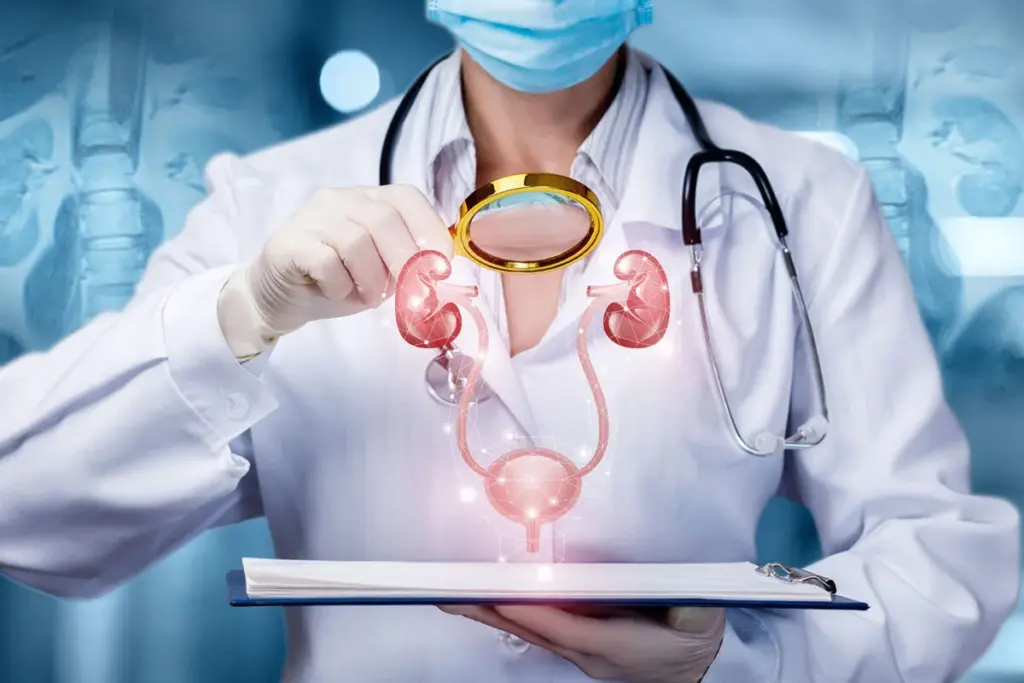
Did you know that urologists diagnose and treat conditions affecting millions of people worldwide? This impacts their quality of life a lot. Urology is vital in addressing these health problems. What does a urologist do? Treat bad issues. When to worry? Blood in urine is a dangerous sign. Get vital help for amazing recovery.
A urologist is a doctor who focuses on the urinary and reproductive systems in adults and kids. They can handle many issues, like kidney stones and urinary incontinence, and prostate problems and male infertility.
Urologists do surgeries and give advice on keeping the urinary system healthy. They are key in helping patients. We see how important their work is in making patients’ lives better.
Key Takeaways
- Urologists specialize in treating conditions related to the urinary and reproductive systems.
- They diagnose and treat a wide range of urological conditions.
- Urologists perform surgeries and provide health guidance.
- Their role is critical in addressing issues like kidney stones and prostate problems.
- Urologists treat patients of all ages, from children to adults.
Urology is an essential medical specialty.
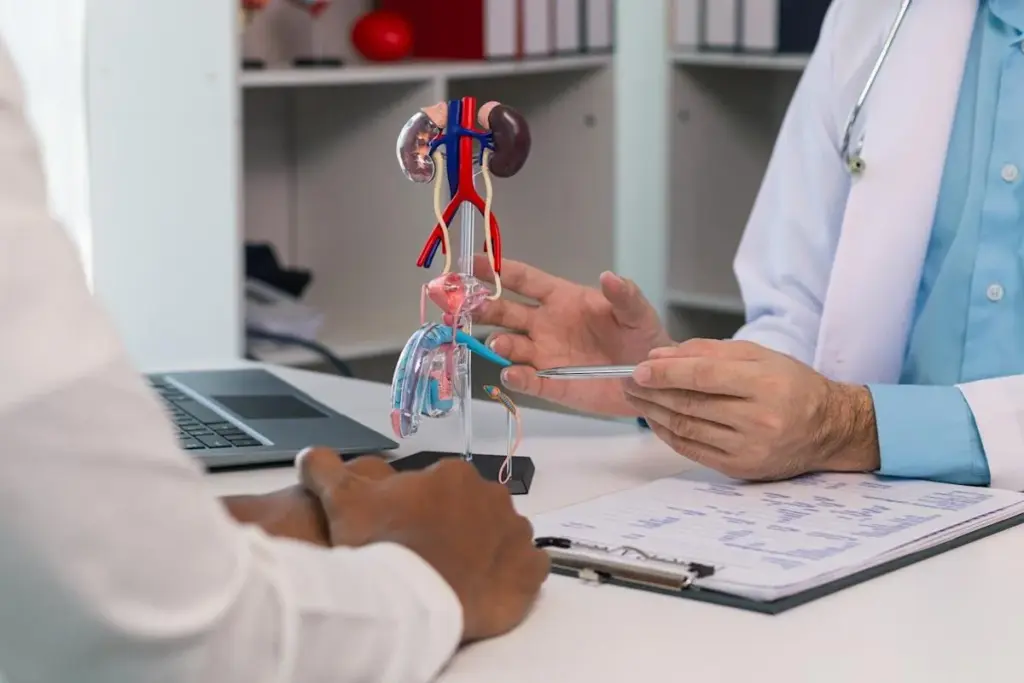
Urology is a key part of medicine. It deals with the urinary tract and male reproductive system. Urologists help keep people healthy by treating many urological issues.
Definition of Urology
Urology is about treating urinary tract and male reproductive system problems. It covers many conditions, like kidney stones and prostate issues. It also includes treating male infertility.
The Scope of Urology: Urologists handle kidney, ureter, bladder, prostate, and male reproductive organ issues. They use surgery and other treatments.
Importance of Urology in Healthcare
Urology is very important in healthcare. Urological problems can really affect someone’s life. They can cause pain and lead to bigger health issues if not treated.
Urology helps with many health problems, from simple infections to serious diseases like prostate cancer. Seeing a urologist early can make a big difference in treatment success.
|
Condition |
Description |
Urological Impact |
|---|---|---|
|
Kidney Stones |
Hard deposits made of minerals and salts |
Severe pain, obstruction of urine flow |
|
Urinary Incontinence |
Loss of bladder control |
Affects quality of life, social embarrassment |
|
Prostate Issues |
Enlargement or cancer of the prostate gland |
Urinary difficulties, possible cancer |
Knowing about urology helps people see why it’s so important. It encourages them to take care of their urological health. This knowledge helps patients stay proactive about their health.
Common Conditions Treated by Urologists

Urologists are experts in treating issues with our urinary tract and reproductive health. They handle many problems, like kidney stones, urinary incontinence, prostate issues, and male infertility.
Kidney Stones
Kidney stones are small, hard deposits that form in the kidneys. They happen when there’s an imbalance of water, salts, and other substances in the urine. These stones can cause a lot of pain, nausea, and vomiting.
Symptoms and Diagnosis: You might feel intense pain in your back or side, see blood in your urine, and sometimes have a fever. Doctors use CT scans or ultrasounds to find out if you have kidney stones.
Treatment Options: How you’re treated depends on the stone’s size and where it is. Small stones might go away on their own. But bigger stones might need surgery, like lithotripsy or ureteroscopy.
Urinary Incontinence
Urinary incontinence means you can’t control your bladder, leading to urine leaks. It can happen for many reasons, like weak pelvic muscles, certain health problems, or some medicines.
Management Strategies: To manage it, you might need to change your diet and do pelvic floor exercises (Kegels). In some cases, doctors might prescribe medicines or surgery.
Prostate Health
Prostate health problems are common in men, getting worse with age. Issues like benign prostatic hyperplasia (BPH) and prostate cancer can really affect your life.
Screening and Treatment: It’s important to get regular check-ups, including PSA tests and digital rectal exams. Treatment depends on the problem and how serious it is. It can range from watching it closely and taking medicines to surgery.
Male Infertility
Male infertility means you can’t get your partner pregnant after a year of trying. It can be due to many things, like hormonal imbalances, physical problems, or lifestyle choices.
Diagnosis and Treatment: Doctors use semen analysis and check your hormones to figure out what’s going on. Treatment might include changing your lifestyle, taking medicines, or using advanced fertility treatments like IVF.
|
Condition |
Common Symptoms |
Diagnostic Tests |
Treatment Options |
|---|---|---|---|
|
Kidney Stones |
Severe pain, nausea, hematuria |
CT scan, ultrasound |
Lithotripsy, ureteroscopy, hydration |
|
Urinary Incontinence |
Involuntary urine leakage |
Urodynamic tests, cystoscopy |
Lifestyle changes, medications, surgery |
|
Prostate Health Issues |
Urinary frequency, weak flow |
PSA test, digital rectal exam |
Watchful waiting, medications, surgery |
|
Male Infertility |
Inability to conceive |
Semen analysis, hormonal evaluation |
Lifestyle changes, medications, IVF |
Diagnostic Procedures in Urology
Diagnostic procedures are key in urology. They help doctors find and treat urinary and reproductive issues. These tests show what’s causing symptoms, leading to the right treatment.
“Accurate diagnosis is the foundation of effective treatment,” and in urology, this is achieved through a range of diagnostic procedures. We use these tests to get vital info about a patient’s health. This info helps us create treatment plans that fit each patient’s needs.
Urinalysis
Urinalysis is a basic but important test in urology. It checks a urine sample for any problems. It can spot infections, inflammation, or other issues in the urinary tract.
We look at the urine’s color, clarity, and chemical makeup. We also check for tiny particles under a microscope.
Imaging Tests
Imaging tests are vital in urology. Ultrasound, CT scans, and MRI let us see inside the urinary tract and male reproductive organs. These images help find problems like kidney stones, tumors, or cysts.
Cystoscopy
Cystoscopy uses a thin, flexible tube with a camera to look inside the urethra and bladder. It lets us see the bladder and urethra up close. This helps find issues like bladder stones, tumors, or inflammation.
Urodynamics
Urodynamic tests check how well the lower urinary tract works. They look at the bladder, sphincters, and urethra’s ability to store and release urine. These tests are great for finding problems like urinary incontinence or blockages.
In conclusion, diagnostic procedures in urology are key for accurate diagnosis and effective treatment. By using tests like urinalysis, imaging, cystoscopy, and urodynamics, we can offer care that meets each patient’s unique needs.
Treatment Options Offered by Urologists
Urologists use many treatments for urological problems. These include medicines and surgeries. The right treatment depends on the problem, how bad it is, and the patient’s health.
Medications
Medicines are often the first choice for many urological issues. They can help with symptoms, treat infections, and sometimes cure the problem. For example, antibiotics fight urinary tract infections. Alpha-blockers help with symptoms of benign prostatic hyperplasia (BPH).
Minimally Invasive Procedures
These procedures aim to reduce recovery time and pain. Shockwave lithotripsy treats kidney stones, and transurethral microwave therapy helps with BPH. These treatments usually happen on an outpatient basis.
Surgical Treatments
Surgery is needed for some urological issues that don’t get better with other treatments. There are different types of surgery, from open surgery to laparoscopic and robotic-assisted surgeries. For example, robotic-assisted prostatectomy is a common surgery for prostate cancer.
Lifestyle Recommendations
Changing your lifestyle is often suggested along with other treatments. This can include eating differently, drinking more water, and doing pelvic floor exercises. These changes can help manage symptoms and improve urological health.
To show the variety of treatments available, here’s a summary:
|
Treatment Option |
Description |
Example Conditions |
|---|---|---|
|
Medications |
Pharmacological treatments to manage symptoms or cure conditions. |
UTIs, BPH, Overactive Bladder |
|
Minimally Invasive Procedures |
Techniques that minimize recovery time and discomfort. |
Kidney Stones, BPH |
|
Surgical Treatments |
Surgical interventions for conditions requiring more invasive care. |
Prostate Cancer, Kidney Cancer |
|
Lifestyle Recommendations |
Changes to diet, exercise, and habits to improve urological health. |
Urinary Incontinence, Kidney Stones |
We make treatment plans that fit each person. We consider their condition, health, and what they prefer. By having many treatment options, urologists can give care that meets each patient’s needs.
When to See a Urologist
Knowing when to see a urologist is key. Urologists deal with the urinary tract and male reproductive system. They are experts in many health issues.
Symptoms to Watch For
Some symptoms mean it’s time to see a urologist. Look out for changes in how you urinate, pelvic pain, or sexual problems. If you notice these, don’t hesitate to get help.
- Painful urination or persistent pain in the pelvic area
- Blood in the urine or semen
- Difficulty starting or stopping urination
- Frequent or urgent need to urinate
- Erectile dysfunction or other sexual health issues
These signs might mean you have a serious issue. Seeing a doctor early can make a big difference.
Regular Health Screenings
Regular check-ups are important for your urological health. Talk to your doctor about screenings, if you have a family history of urological problems.
|
Screening Type |
Description |
Recommended Age |
|---|---|---|
|
Prostate-Specific Antigen (PSA) Test |
Measures the level of PSA in the blood to screen for prostate cancer |
50+ (or earlier with risk factors) |
|
Urinalysis |
Tests urine for signs of disease, including infection or kidney disease |
Any age, as needed |
|
Urodynamic Tests |
Assesses how well the bladder and urethra are storing and releasing urine |
Any age, based on symptoms |
Being proactive about your urological health is smart. This way, you can catch and treat problems early with your doctor’s help.
Pediatric Urology Overview
Pediatric urology focuses on the health of children’s urinary and genital systems. It covers newborns to teens. Pediatric urologists are experts in diagnosing and treating many conditions in kids.
Common Pediatric Conditions
Pediatric urologists deal with many special cases. Some common ones include:
- Undescended testes, where testicles don’t move down into the scrotum.
- Urinary tract infections (UTIs), which can cause serious problems if not treated.
- Hypospadias, a birth defect where the urethra opens on the underside of the penis.
- Vesicoureteral reflux, where urine flows back from the bladder to the kidneys.
These issues can affect a child’s health and growth. So, early and right treatment is key.
Importance of Early Intervention
Early treatment of these conditions is very important. It helps avoid long-term problems and improves health outcomes. For example, undescended testes can lead to infertility and cancer if not treated.
Early intervention greatly improves a child’s life. It tackles the health issue right away and lowers the chance of future problems. This way, kids can grow and develop as they should.
As a parent, hearing your child has a urological issue can be scary. But, thanks to pediatric urology, many conditions can be managed or cured. This lets kids live healthy lives.
Urologist vs. Nephrologist: What’s the Difference?
It’s important to know the difference between urologists and nephrologists for kidney care. Both deal with kidney issues, but they have different areas of focus and treatment methods.
Areas of Specialization
Urologists and nephrologists have different specializations.
- Urologists are surgeons who handle diseases of the urinary tract and male reproductive organs in both men and women.
- Nephrologists are medical doctors who focus on kidney disorders and diseases, including their diagnosis and treatment.
When to Consult Each Specialist
Deciding when to see a urologist or a nephrologist depends on your specific issue.
- See a urologist for problems like kidney stones, urinary incontinence, or prostate issues that might need surgery.
- For chronic kidney disease, kidney failure, or electrolyte imbalances, see a nephrologist.
Here are some key points to remember:
- Urologist: Handles kidney stones, prostate issues, and urinary tract infections. May perform surgery.
- Nephrologist: Manages kidney disease, performs dialysis, and treats related conditions like hypertension and electrolyte disorders.
The Role of Urologists in Men’s Health
Urologists are key in men’s health, focusing on the urinary tract and reproductive system. They are trained to diagnose and treat many health issues in men.
Urologists are vital for men’s health, focusing on prostate health and sexual issues. They offer both surgical and non-surgical treatments, giving men many care options.
Prostate Cancer Screenings
Prostate cancer is common in men, and catching it early is key. Urologists use tests like the PSA test and DRE to find problems early.
Regular screenings have many benefits:
- They help find prostate cancer early, leading to better treatment
- They can spot other prostate issues like prostatitis or BPH
- Men can talk about their risk and screening options with a specialist
Erectile Dysfunction Treatment
Erectile dysfunction (ED) affects many men, impacting their life quality. Urologists lead in treating ED, with options from meds to lifestyle changes.
Some treatments for ED are:
- Oral meds like PDE5 inhibitors
- Lifestyle changes, like diet, exercise, and quitting smoking
- Advanced therapies like penile implants or vacuum devices for severe cases
Talking about ED can be tough for men. But, with the right care from urologists, it can be managed and treated well.
Urologists do more than just treat conditions. They help improve men’s overall well-being. Regular visits to a urologist can keep men healthy and address issues quickly.
Women’s Health and Urology
Urologists are key players in women’s health, helping with urinary issues that affect daily life. They play a big role in treating urinary conditions, which are common in women.
Overactive Bladder
Overactive bladder (OAB) makes you feel a sudden, strong need to pee. Symptoms can be really tough, messing with your daily life and sleep. Doctors figure out if you have OAB by looking at your medical history and doing tests like urodynamics.
Doctors might suggest lifestyle changes like eating differently or training your bladder. They might also give you medicine to relax your bladder. Sometimes, treatments like percutaneous tibial nerve stimulation (PTNS) or sacral neuromodulation are needed.
Pelvic Floor Disorders
Pelvic floor disorders, like pelvic organ prolapse and urinary incontinence, affect the muscles and tissues in your pelvis. Urologists help diagnose and treat these issues, working with other doctors too.
Doctors might suggest pelvic floor physical therapy or surgery for these disorders. They might also tell you to lose weight or avoid heavy lifting to help symptoms. For serious cases, they might suggest sling procedures or prolapse repair surgery.
|
Condition |
Common Symptoms |
Treatment Options |
|---|---|---|
|
Overactive Bladder |
Urinary urgency, frequency, incontinence |
Lifestyle changes, medications, PTNS, sacral neuromodulation |
|
Pelvic Floor Disorders |
Pelvic organ prolapse, urinary incontinence |
Pelvic floor physical therapy, lifestyle changes, surgery |
It’s important to know how urologists help with women’s health. Seeing a urologist can really help you feel better and live a better life.
Innovations in Urology
The field of urology is seeing big changes, making patient care better. New medical technology and techniques are changing how we diagnose and treat urological issues.
Urology deals with the urinary tract and male reproductive system. In recent years, we’ve seen a lot of new advancements. These changes are improving patient care and outcomes.
Advances in Surgical Techniques
Surgical methods in urology have changed a lot. This is thanks to new technology and a focus on less invasive procedures. Robotic-assisted surgery is a big part of this change, making surgeries more precise and reducing recovery times.
“The integration of robotics in urological surgery has marked a significant shift towards more precise and less invasive procedures, improving patient recovery and outcomes.”
Other important advancements include:
- Laser surgery for conditions like kidney stones and prostate enlargement, providing quicker recovery options.
- Laparoscopic surgery, which uses smaller incisions, reducing scarring and speeding up recovery.
|
Surgical Technique |
Benefits |
Common Applications |
|---|---|---|
|
Robotic-Assisted Surgery |
Enhanced precision, less invasive, quicker recovery |
Prostate surgery, kidney surgery |
|
Laser Surgery |
Minimally invasive, less bleeding, faster recovery |
Kidney stone removal, prostate enlargement treatment |
|
Laparoscopic Surgery |
Smaller incisions, less pain, shorter hospital stay |
Various urological procedures, including kidney and bladder surgeries |
Telehealth in Urology
Telehealth in urology is making it easier for patients to get care. It’s great for those who have trouble moving or live far from doctors.
Telehealth services in urology include:
- Virtual consultations, cutting down on the need for in-person visits.
- Remote monitoring of chronic conditions, helping catch problems early.
- Follow-up care, keeping treatment going without hospital visits.
As we keep using these new tools, the future of urology looks bright. It promises better care and outcomes for patients.
Conclusion: Taking Charge of Your Urological Health
Good urological health is key to feeling your best. We’ve looked at what urologists do, how they diagnose, and how they treat problems. Knowing about urology helps you stay healthy and manage any issues that come up.
Being proactive about your health means knowing when to see a doctor. Regular check-ups can catch problems early. This makes treatment more effective. Taking care of your urological health improves your life and lowers the chance of serious issues.
We urge you to be involved in your urological health. Stay informed and see a qualified urologist when needed. This way, you get the best care for your health. It leads to better health and a happier life.
FAQ
What does a urologist do?
A urologist is a doctor who deals with the urinary tract and male reproductive system. They diagnose, treat, and perform surgery for related disorders.
What conditions do urologists treat?
Urologists handle many conditions. These include kidney stones, urinary incontinence, prostate issues, and male infertility.
What is the difference between a urologist and a nephrologist?
A urologist focuses on the urinary tract and male reproductive system. A nephrologist deals with kidney disorders.
When should I see a urologist?
See a urologist for symptoms like painful urination, frequent need to urinate, or blood in urine. Also, if you’re worried about your prostate or male fertility.
What diagnostic procedures do urologists use?
Urologists use tests like urinalysis, imaging, cystoscopy, and urodynamics. These help diagnose urinary and reproductive issues.
What treatment options are available for urinary incontinence?
For urinary incontinence, treatments include medications, lifestyle changes, and surgery. The choice depends on the cause and severity.
Can women see urologists?
Yes, women can see urologists for urinary tract issues. This includes incontinence and overactive bladder.
What is pediatric urology?
Pediatric urology is a part of urology. It deals with urinary tract problems in children.
What are the symptoms of prostate cancer?
Prostate cancer symptoms include trouble urinating, painful urination, and blood in urine or semen.
How do urologists diagnose prostate cancer?
Urologists use digital exams, PSA tests, and biopsies to diagnose prostate cancer.
What is telehealth in urology?
Telehealth in urology uses technology like video calls for remote care. It’s for urological services.
What are the benefits of telehealth in urology?
Telehealth in urology offers more access, lower costs, and better care outcomes.
How can I maintain good urological health?
To keep your urological health good, drink plenty of water, practice hygiene, and visit your urologist regularly.
References
National Institutes of Health. Evidence-Based Medical Insight. Retrieved from https://www.niddk.nih.gov/health-information/urologic-diseases/kidney-stones