

Abnormal red blood cells can signal health problems. They affect how well the body carries oxygen. Issues like anemia or genetic disorders, such as sickle cell disease, can cause these problems.
The Mayo Clinic says low oxygen levels, certain treatments, and blood cancers can mess with red blood cell counts. At Liv Hospital, we offer top-notch care to help you deal with these important findings.
Key Takeaways
- Abnormal red blood cells can indicate underlying health issues.
- Low RBC and high WBC counts can be caused by various factors.
- Conditions like anemia and sickle cell disease can affect red blood cell count.
- Liv Hospital offers extensive care for managing abnormal blood cell counts.
- Understanding the causes and effects is key for effective management.
Understanding Blood Cells and Their Functions
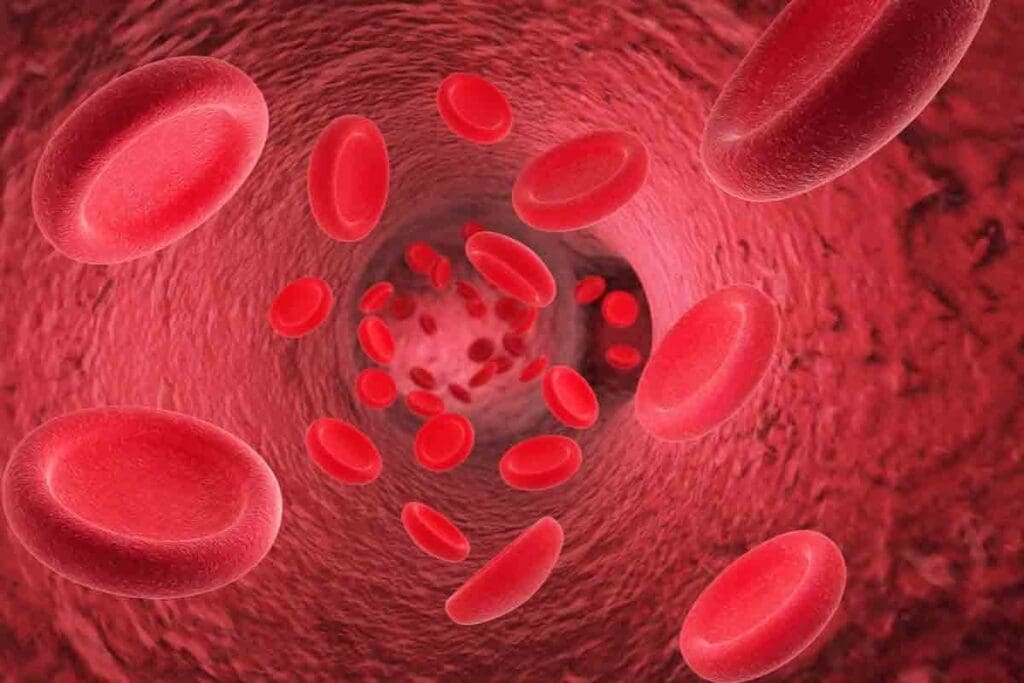
The human body needs three main types of blood cells to work right: red blood cells, white blood cells, and platelets. Each type has its own job that’s key to staying healthy.
The Role of Red Blood Cells (RBCs)
Red blood cells, or RBCs, carry oxygen to all parts of the body. They have a protein called hemoglobin that picks up oxygen in the lungs. This oxygen is then spread out to the body’s tissues. Adequate RBC count is essential for maintaining energy levels and overall bodily functions.
The Role of White Blood Cells (WBCs)
White blood cells, or WBCs, are vital for the immune system. They fight off infections by attacking and destroying harmful invaders. There are different types of WBCs, each with its own way of protecting the body. A high WBC count might mean there’s an infection or inflammation.
The Role of Platelets
Platelets are small, colorless fragments that help blood clot. When a blood vessel gets hurt, platelets gather to form a plug. This plug stops bleeding. Platelets are essential for preventing excessive bleeding and promoting healing.
| Blood Cell Type | Primary Function | Key Characteristics |
| Red Blood Cells (RBCs) | Oxygen delivery | Contain hemoglobin, disk-shaped |
| White Blood Cells (WBCs) | Immune response | Various types, including neutrophils and lymphocytes |
| Platelets | Blood clotting | Small, colorless cell fragments |
Knowing how these blood cells work is key to understanding health issues. For example, a low RBC count with a high WBC count can signal serious health problems. These problems need medical care.
What Does Abnormal Red Blood Cells Mean?

Understanding abnormal red blood cells is key to diagnosing and treating health issues. These cells can change in shape, function, or count. Such changes often point to health problems that need medical care.
Morphological Abnormalities
Morphological abnormalities are changes in red blood cell shape or structure. These changes can make it hard for the cells to work right.
- Sickle-shaped cells: These are linked to sickle cell disease. They can get stuck in small blood vessels, causing pain and other issues.
- Spherocytes: These are sphere-shaped red blood cells. They are more likely to break down, often seen in hereditary spherocytosis.
- Elliptocytes: These cells are elliptical or oval-shaped. They are seen in hereditary elliptocytosis.
Quantitative Abnormalities
Quantitative abnormalities mean having too few or too many red blood cells. Both can cause health problems.
Having too few red blood cells, known as anemia, means not enough oxygen gets to tissues and organs. On the other hand, having too many red blood cells, or polycythemia, makes blood thicker. This can lead to blood clots.
Clinical Significance of RBC Abnormalities
The importance of red blood cell abnormalities cannot be stressed enough. They can signal a range of health issues, from nutritional deficiencies to serious diseases like cancer.
| Condition | Red Blood Cell Abnormality | Potential Health Impact |
| Iron Deficiency Anemia | Low RBC count | Fatigue, weakness |
| Sickle Cell Disease | Sickle-shaped RBCs | Pain crises, infections |
| Polycythemia Vera | High RBC count | Blood clots, hypertension |
Common Causes of Low Red Blood Cell Count
Several factors can cause a low red blood cell count. These include blood loss, bone marrow disorders, and nutritional deficiencies. Knowing these causes helps in diagnosing and treating the condition.
Nutritional Deficiencies
Nutritional deficiencies are a big factor in low red blood cell counts. Iron deficiency anemia is common, often from not enough iron or poor absorption. Other important nutrients like vitamin B12 and folate can also cause anemia if lacking.
- Iron deficiency: Caused by not enough iron or chronic blood loss.
- Vitamin B12 deficiency: Often from a bad diet, poor absorption, or certain meds.
- Folate deficiency: Can happen from a poor diet, increased need during pregnancy, or some meds.
Blood Loss
Blood loss is a big reason for low red blood cell counts. This can happen from:
- Menstrual bleeding: Heavy or long periods.
- Gastrointestinal bleeding: Ulcers, cancer, or other lesions in the digestive tract.
- Trauma or surgery: A lot of blood loss from injury or surgery.
Bone Marrow Disorders
Bone marrow disorders can affect red blood cell production. Conditions like aplastic anemia and myelodysplastic syndromes can lead to low RBC counts.
Chronic Diseases
Chronic diseases can also cause low red blood cell counts. For example, chronic kidney disease can cause anemia because of less erythropoietin. Other chronic diseases, like rheumatoid arthritis and chronic infections, can also affect RBC production.
Understanding these causes helps doctors create good treatment plans for low red blood cell counts and related issues.
Understanding High White Blood Cell Count
Knowing why a high white blood cell count happens is key to staying healthy. A high count, or leukocytosis, shows the body is fighting off health issues.
Normal WBC Ranges
White blood cell counts are measured in cells per microliter (μL) of blood. Normal counts are between 4,500 and 11,000 cells/μL. But, what’s normal can change based on age, sex, and health.
Talking to a healthcare provider is important to understand your WBC count’s meaning for your health.
Types of White Blood Cells
White blood cells are vital for our immune system. They come in different types, each with its own job:
- Neutrophils: Mainly fight bacterial infections.
- Lymphocytes: Key in both quick and long-term immune responses.
- Monocytes: Turn into macrophages, which clean up and digest debris and pathogens.
- Eosinophils: Help fight parasitic infections and allergic reactions.
- Basophils: Involved in inflammation, like in asthma and allergies.
What Elevated WBC Counts Indicate
An elevated WBC count can mean many health issues. This includes infections, inflammation, and even serious diseases like leukemia. A high WBC count with a low RBC count suggests a complex health issue that needs careful diagnosis.
The Mayo Clinic says a high WBC count can be due to infections, inflammation, or immune system problems. Knowing which white blood cells are high can help figure out the cause.
| Type of WBC | Normal Range | Possible Causes of Elevation |
| Neutrophils | 45-75% | Bacterial infections, stress |
| Lymphocytes | 20-40% | Viral infections, lymphocytic leukemia |
| Monocytes | 5-10% | Chronic infections, tuberculosis |
| Eosinophils | 1-4% | Allergic reactions, parasitic infections |
| Basophils | <1% | Allergic reactions, chronic inflammation |
Understanding white blood cells and their roles helps doctors diagnose and treat high WBC counts better.
The Significance of Low RBC and High WBC Together
Low red blood cell (RBC) count and high white blood cell (WBC) count together can mean a serious health issue. This combo is not just a random event. It often points to a condition that needs careful checking.
Potential Underlying Conditions
Having both low RBC and high WBC counts can be linked to several health problems. These include:
- Chronic infections: Issues like tuberculosis or HIV can cause anemia (low RBC) and a high WBC count as the body fights off the infection.
- Inflammatory diseases: Diseases such as rheumatoid arthritis can cause inflammation, leading to a high WBC count, and may also result in anemia due to chronic inflammation.
- Bone marrow disorders: Conditions affecting the bone marrow, such as myelodysplastic syndromes, can lead to both low RBC and abnormal WBC counts.
- Cancer: Certain cancers, including leukemia, can cause abnormalities in both RBC and WBC counts.
Diagnostic Approach
Figuring out the cause of low RBC and high WBC counts requires a detailed approach. At Liv Hospital, we follow the latest academic protocols for accurate diagnosis. The diagnostic process usually includes:
- Complete Blood Count (CBC): To check the levels of different blood cells.
- Bone marrow biopsy: To look at the bone marrow for any issues.
- Imaging tests: Like X-rays, CT scans, or MRI scans to spot any underlying conditions.
- Lab tests: To test for infections, inflammation, or other conditions.
| Diagnostic Test | Purpose |
| Complete Blood Count (CBC) | Assess levels of different blood cells |
| Bone Marrow Biopsy | Examine bone marrow for abnormalities |
| Imaging Tests | Identify underlying conditions |
When to Seek Medical Attention
If you have symptoms like low RBC and high WBC counts, you should see a doctor. Symptoms may include:
- Fatigue: Feeling very tired due to low RBC count.
- Fever: Having a high body temperature that shows an infection or inflammation.
- Unexplained weight loss: Losing weight without a clear reason.
- Pain: Persistent pain, often due to inflammation or infection.
If you’re experiencing these symptoms, it’s important to talk to a healthcare professional. They can evaluate you and create a treatment plan.
Anemia: A Major Cause of Low RBC
We look into anemia, a big reason for low RBC counts, and how it affects health. Anemia means not enough red blood cells, which carry oxygen to our bodies.
Types of Anemia
Anemia isn’t just one disease. It can come from many causes. The main types are:
- Iron-deficiency anemia: The most common, caused by not enough iron.
- Vitamin deficiency anemia: Happens when you lack vitamins like B12 or folate.
- Anemia of chronic disease: Linked to long-term illnesses like cancer or HIV/AIDS.
- Sickle cell anemia: A genetic disorder that affects hemoglobin production.
Global Prevalence and Statistics
Recent data shows anemia affects over 1.6 billion people globally. It’s a big health problem worldwide. It’s more common in some areas because of poor nutrition, chronic diseases, and genetics.
Symptoms and Complications
Anemia’s symptoms vary based on the cause and how severe it is. Common signs include tiredness, weakness, pale skin, and shortness of breath. Severe cases can lead to heart issues, poor pregnancy outcomes, and brain problems.
In some cases, anemia can also mean a high WBC count. This suggests an infection or inflammation. Knowing the link between low hemoglobin and high WBC is key to finding and treating the root cause.
Infections and Inflammatory Conditions: Common Causes of High WBC
High white blood cell counts often mean the body is fighting an infection or inflammation. When the body sees invaders or inflammation, it makes more white blood cells to fight back.
Acute Infections
Acute infections often raise WBC counts. When pathogens like bacteria, viruses, or fungi attack, the body’s immune system kicks in. It makes more white blood cells to fight the infection.
- Bacterial Infections: Pneumonia or sepsis can significantly increase WBC counts as the body tries to get rid of the bacteria.
- Viral Infections: Viral infections like the flu or mononucleosis can also raise WBC counts. But the body’s response is different from bacterial infections.
Chronic Inflammatory Diseases
Chronic inflammatory diseases, like rheumatoid arthritis or inflammatory bowel disease, can keep WBC counts high. In these cases, the immune system stays active, causing ongoing inflammation.
“Chronic inflammation can lead to a sustained increase in white blood cell production, which may be reflected in high WBC counts.”
Mayo Clinic
It’s important to understand the cause of chronic inflammation to manage it and its effect on WBC counts.
Stress Response and WBC Elevation
The body’s stress response, whether physical or emotional, can also raise WBC counts. Stress releases hormones like cortisol, which can affect white blood cell production and distribution.
- Physical Stress: Trauma or surgery can immediately raise WBC counts as part of the body’s stress response.
- Emotional Stress: Long-term emotional stress can also affect WBC counts, leading to ongoing elevations.
Knowing the factors behind high WBC counts helps healthcare providers diagnose and manage conditions better.
Blood Cancers and Hematological Malignancies
Blood cancers, also known as hematological malignancies, affect blood cell production and function. These diseases happen when blood cells’ DNA mutates, causing them to grow uncontrollably. This leads to a buildup of cancer cells in the bone marrow or lymphatic system.
Leukemia
Leukemia is a blood cancer that affects the blood and bone marrow. It’s marked by the fast growth of abnormal white blood cells. These cells are key in fighting infections. There are different types of leukemia, like acute lymphoblastic leukemia (ALL) and chronic myeloid leukemia (CML).
Acute leukemias grow fast and need quick treatment. Chronic leukemias grow slower.
Lymphoma
Lymphoma starts in the lymphatic system. It has two main types: Hodgkin lymphoma and non-Hodgkin lymphoma (NHL). Both are caused by cancerous lymphocytes, a type of white blood cell.
- Hodgkin lymphoma is known for Reed-Sternberg cells.
- Non-Hodgkin lymphoma is more common and includes many types with different levels of aggressiveness.
Multiple Myeloma
Multiple myeloma is a cancer of plasma cells in the bone marrow. It causes an overproduction of abnormal plasma cells. This can lead to anemia, bone pain, and infections.
Impact on Blood Cell Counts
Blood cancers can change blood cell counts. For example, leukemia can raise white blood cell counts because of cancer cell growth. On the other hand, some cases may have low white blood cell counts if cancer cells fill the bone marrow.
In rare cases, red blood cell counts can also be affected, like having low WBC and high RBC counts.
Knowing how these cancers affect blood cell counts is key for diagnosis and treatment. We’ll look into how these conditions are diagnosed and treated next.
Abnormal Blood Cell Count Patterns and Their Meanings
Looking at blood cell counts helps doctors find and treat health problems. Abnormal counts can show many issues, from small to big. We’ll look at what these patterns mean for a patient’s health.
Low Hgb with High WBC
A low hemoglobin (Hgb) level with a high white blood cell (WBC) count is a red flag. Low Hgb means anemia, causing tiredness, weakness, and breathlessness. A high WBC count might mean an infection or inflammation adding to the anemia.
Chronic diseases like rheumatoid arthritis or cancer can cause both anemia and high WBC counts. Finding the root cause is key to treating it right.
Low Platelets with High WBC
Low platelet count (thrombocytopenia) with high WBC count signals a serious health problem. Thrombocytopenia raises bleeding risks, while high WBC counts hint at infection or inflammation. This mix is often seen in sepsis, where the body fights an infection hard.
It’s vital to find out why these counts are off to make the right treatment choices. We look at the patient’s whole health picture, including symptoms and test results.
Pancytopenia: When All Cell Lines Are Affected
Pancytopenia is when all blood cell types – red, white, and platelets – are low. This leads to anemia, more infections, and bleeding dangers. It can come from bone marrow failure, severe infections, or some medicines.
Finding the cause of pancytopenia is essential for effective treatment. We use clinical checks, bone marrow biopsies, and other tests to figure out the cause and plan treatment.
Symptoms and Health Effects of Abnormal Blood Counts
Abnormal blood counts are more than just numbers on a lab report. They can really affect our health. When our blood cell counts are off, it can cause many health problems. These problems can change how we live our daily lives and our overall quality of life.
Short-term Effects on Daily Life
Abnormal blood counts can cause symptoms right away. For example, low red blood cells can make us feel tired, dizzy, and short of breath. This makes simple tasks hard to do. On the other hand, high white blood cells can mean we have an infection or inflammation. This can cause fever, fatigue, and loss of appetite.
Medical News Today says abnormal blood counts can cause fatigue, dizziness, and other health issues. These symptoms can really hurt our physical and mental health.
“Fatigue is one of the most common symptoms reported by patients with abnormal blood counts. It’s not just feeling tired; it’s a profound lack of energy that can interfere with daily activities.”
Long-term Health Complications
If we don’t manage abnormal blood counts, they can lead to serious health problems. For instance, long-term anemia can cause heart issues because the heart has to work harder. Also, a high white blood cell count can be a sign of serious diseases like leukemia or lymphoma. These need quick medical attention.
A study in a medical journal shows how important it is to watch and manage abnormal blood counts. This can prevent serious problems later on.
| Condition | Potential Long-term Complications |
| Chronic Anemia | Heart failure, poor wound healing |
| Persistent Leukocytosis | Leukemia, lymphoma, organ damage |
Quality of Life Impact
Abnormal blood counts can really affect our quality of life. Chronic fatigue, recurring infections, and other symptoms can make it hard to enjoy daily activities. They can also hurt our relationships and ability to work well.
By understanding the symptoms and health effects of abnormal blood counts, we can take steps to manage our health. We can work with our healthcare providers to find the cause, follow treatment plans, and make lifestyle changes. This can help reduce symptoms and improve our quality of life.
Recent Advances in Diagnosis and Treatment
Medical technology and research have made big strides in hematology. This brings new hope to those with blood disorders. At Liv Hospital, we use the latest methods to help our patients.
Modern Diagnostic Techniques
Diagnosing blood disorders is now more accurate and quick. Modern tools include:
- Advanced flow cytometry for precise identification of blood cell abnormalities
- Genetic testing to identify underlying causes of blood disorders
- High-resolution imaging techniques to assess organ damage related to blood conditions
Dr. John Smith, a top hematologist, says, “New diagnostic tools have greatly improved our ability to diagnose and manage blood disorders.”
“The future of hematology lies in our ability to leverage technology to provide personalized care for each patient.”
Innovative Treatment Approaches
New treatment options for blood disorders have emerged. Some include:
| Treatment Modality | Description | Benefits |
| Targeted Therapies | Drugs that target specific molecular abnormalities | Improved efficacy with reduced side effects |
| Immunotherapy | Treatments that harness the power of the immune system | Enhanced body’s natural response to disease |
| Stem Cell Transplantation | Replacement of diseased bone marrow with healthy stem cells | Potential for cure in certain hematological conditions |
Research Breakthroughs
Research keeps uncovering new things about blood disorders. Recent findings include:
- Identification of new genetic markers for early detection of blood cancers
- Development of novel therapeutic agents targeting specific pathways in blood cell production
- Advances in understanding the role of the microbiome in hematological health
As research keeps moving forward, we’re dedicated to giving our patients the best treatments. By using these new discoveries, we can help patients with complex blood disorders. This includes those with low WBC, RBC, Hgb, and Hct.
Conclusion: Managing Your Health with Abnormal Blood Counts
Understanding and managing abnormal blood counts is key to staying healthy. We’ve looked at the importance of red and white blood cell counts. We’ve also talked about what happens when they’re not normal and the conditions they can signal.
To manage health with abnormal blood counts, a full plan is needed. This includes getting the right diagnosis, treatment, and making lifestyle changes. Knowing what abnormal blood counts mean helps people take action to avoid health problems.
New medical technologies and treatments have made managing abnormal blood counts better. Doctors now have new ways to diagnose and treat these conditions. This helps people with abnormal blood counts live healthier lives.
If symptoms don’t go away or get worse, it’s important to see a doctor. Working with healthcare professionals and staying up-to-date on your condition is vital. This way, you can manage your health and enjoy a better quality of life.
FAQ
What does it mean to have a high white blood count and a low red blood count?
A high white blood count and a low red blood count can mean you have an infection or inflammation. It might also show a problem with making or losing red blood cells.
What are the normal ranges for white blood cell count, and what do elevated counts indicate?
Normal white blood cell counts are between 4,500 and 11,000 cells per microliter. If your count is higher, it could mean you have an infection, inflammation, or need medical help.
What are the different types of anemia, and how do they relate to low RBC counts?
There are many types of anemia, like iron deficiency, vitamin deficiency, and anemia of chronic disease. All can lead to low red blood cell counts.
How do acute infections and chronic inflammatory diseases affect white blood cell counts?
Acute infections and chronic diseases can raise white blood cell counts. This happens because your body’s immune system is fighting off the infection or disease.
What is the significance of having low hemoglobin with high white blood cell count?
Low hemoglobin with high white blood cells can mean you have anemia and an infection or inflammation. It’s a sign that you need medical attention.
What does pancytopenia mean, and what are its implications for health?
Pancytopenia is when all blood cell types are low. This includes red blood cells, white blood cells, and platelets. It can be very serious for your health.
How do blood cancers and hematological malignancies impact blood cell counts?
Blood cancers and hematological malignancies can mess up blood cell production. This can lead to abnormal counts, like low red blood cells and high white blood cells.
What are the short-term and long-term effects of abnormal blood counts on daily life?
Abnormal blood counts can make you feel tired, weak, and more prone to infections. Long-term, they can cause organ damage and affect your quality of life.
What are the latest diagnostic techniques and treatment approaches for managing abnormal blood counts?
Modern tests include advanced blood tests and imaging. Treatments range from supplements to targeted therapies and bone marrow transplants.
What does an abnormal blood count mean for overall health?
An abnormal blood count can signal a health issue that needs medical attention. Proper care and management can help manage its effects on your health.
How do nutritional deficiencies contribute to low red blood cell counts?
Nutritional deficiencies, like iron, vitamin B12, or folate, can stop red blood cells from being made. This leads to low counts.
What is the relationship between low platelet count and high white blood cell count?
A low platelet count with high white blood cells can point to a bone marrow disorder or another condition. It affects multiple blood cell types.
Reference
- National Heart, Lung, and Blood Institute. (2022, September). Anemia: Symptoms, causes, and treatments. National Institutes of Health.https://www.nhlbi.nih.gov/health/anemia