At Liv Hospital, we use top-notch tools to check heart health. The angiogram, also known as a cardiac dye test or angiocardiogram, is key. It uses contrast dye and X-rays to see the heart’s blood vessels.
An angiogram is a vital tool for doctors. It helps spot blockages, narrowings, or other issues in the heart’s arteries. This could raise the risk of a heart attack. Knowing the test’s results helps patients understand their heart health and risks better.
Key Takeaways
- An angiogram is a diagnostic tool that visualizes the heart’s blood vessels using contrast dye and X-ray technology.
- It helps detect blockages, narrowing, or abnormalities in the coronary arteries.
- The test results provide insights into heart health and associated risks.
- Cardiologists use angiogram results to plan appropriate treatments.
- Liv Hospital is committed to providing cutting-edge, patient-centered care for heart health.
Understanding Cardiac Angiograms: The Basics
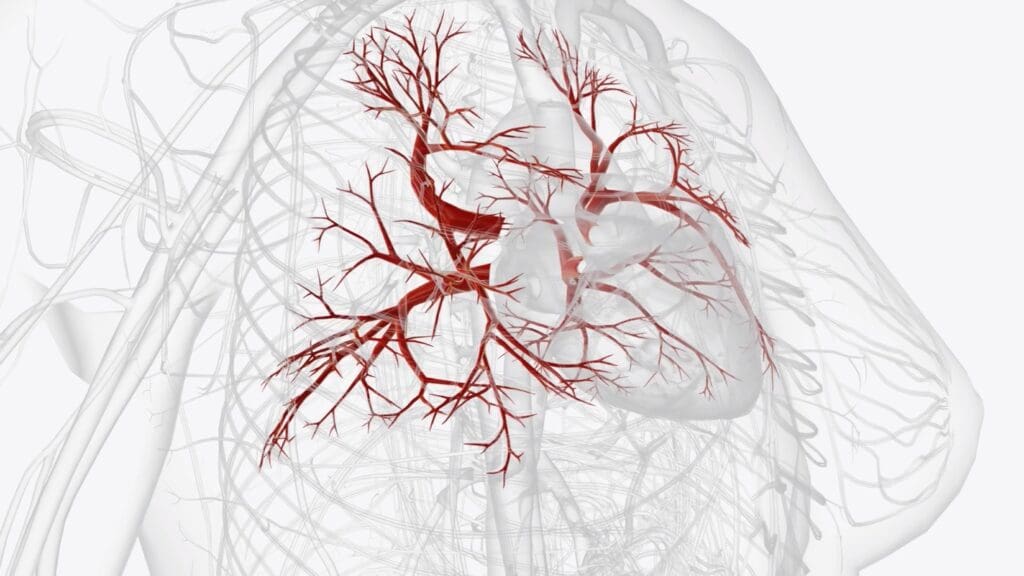
A cardiac angiogram is a test that lets doctors see the heart’s arteries. It uses dye and X-rays to make detailed pictures of the blood vessels. This helps find heart problems.
Definition and Purpose of an Angiocardiogram
An angiocardiogram shows the heart’s chambers and blood vessels. It finds blockages in the arteries that supply blood to the heart. Doctors use dye to get clear images of these arteries.
This test is key for diagnosing heart issues like coronary artery disease. It helps doctors decide the best treatment, like medicine or surgery.
How Angiograms Differ from Other Cardiac Tests
Angiograms show the arteries directly, unlike other tests. They use a dye injected through a catheter, seen under X-ray. This gives doctors a detailed look at the arteries.
“Angiography has revolutionized the field of cardiology by providing a clear and detailed picture of the coronary arteries, enabling precise diagnosis and treatment planning.”
Angiograms are more detailed than non-invasive tests. They help doctors decide on treatments like stenting or surgery. This makes them a valuable tool in cardiology.
| Test Type | Method | Information Provided |
|---|---|---|
| Angiogram | Injecting contrast dye into arteries via catheter | Detailed images of coronary arteries, blockages, and narrowing |
| Echocardiogram | Ultrasound waves | Heart structure and function, valve operation |
| Stress Test | Monitoring heart activity during exercise | Heart’s response to stress, possible ischemia |
Knowing about cardiac angiograms is important for patients. It helps them understand the test and what it might show. This way, patients can prepare better for the procedure and its results.
What Does an Angiogram Show About Your Heart?

‘]An angiogram is key for understanding heart health. It shows the state of your coronary arteries. This test gives doctors insights into your heart’s blood vessels, helping them diagnose and treat heart conditions.
Visualization of Coronary Arteries
An angiogram lets doctors see your coronary arteries. These arteries carry blood to your heart. The test uses dye and X-rays to show any blockages or problems in these arteries. This is important for knowing your heart’s health.
Detection of Blockages and Narrowing
An angiogram’s main goal is to find blockages and narrowings in your coronary arteries. These can be caused by plaque buildup and can cut off blood flow to your heart. Doctors can then suggest treatments to fix this.
Assessment of Blood Flow and Heart Function
An angiogram also checks your blood flow and heart function. It shows how well your heart pumps blood and where blood flow might be low. This info is key for creating a treatment plan just for you.
| Aspect of Heart Health | What an Angiogram Shows | Clinical Significance |
|---|---|---|
| Coronary Artery Condition | Blockages, narrowing, or abnormalities | Helps diagnose coronary artery disease |
| Blood Flow | Restricted or normal flow through coronary arteries | Assesses risk of heart attack or ischemia |
| Heart Function | Efficiency of heart pumping and possible damage | Informs treatment decisions for heart conditions |
An angiogram gives a detailed look at your heart’s blood vessels and function. It’s a vital tool in cardiology. It helps diagnose and guide treatments to better your heart health.
Types of Cardiac Angiogram Procedures
Heart angiogram procedures have grown, giving doctors many tools to check heart health. We use these methods to understand heart health well and find problems early.
Conventional Coronary Angiography
Conventional coronary angiography is a key way to see the heart’s arteries. A thin tube, called a catheter, is put into an artery, usually through the wrist or groin. Then, a dye is injected to show the arteries on X-ray images.
Key benefits of conventional coronary angiography include:
- High-resolution images of coronary arteries
- Ability to diagnose blockages and narrowing
- Opportunity for immediate intervention, such as angioplasty or stenting
CT Coronary Angiogram Procedure
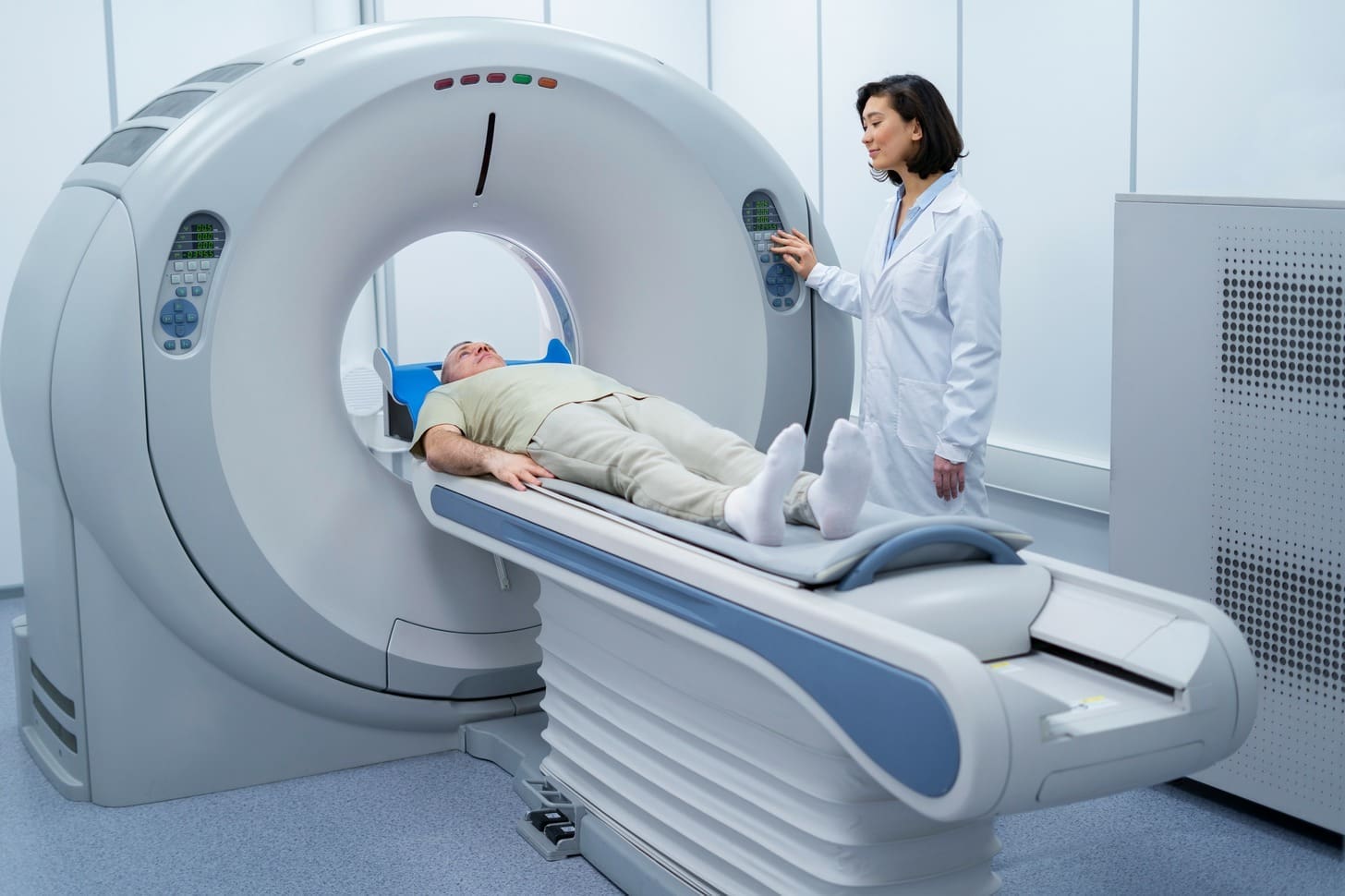
A CT coronary angiogram is a non-invasive option. It uses CT technology to see the heart’s arteries. A dye is given through a vein, and then a CT scan takes detailed images of the heart and blood vessels.
The advantages of CT coronary angiography include:
- Non-invasive nature, reducing the risk of complications
- Quick procedure time, typically completed within minutes
- High sensitivity in detecting coronary artery disease
Other Specialized Angiogram Variations
There are more angiogram types beyond the usual ones. These include:
- Cardiac catheterization with angiography
- Rotational angiography for 3D imaging
- Angiography combined with other diagnostic tests
Each procedure has its own use and benefits. This lets us choose the best test for each patient’s needs.
The Step-by-Step Angiogram Heart Procedure
Let’s explore the angiogram heart procedure together. You’ll learn what happens before, during, and after. Knowing this can make you feel less anxious and more ready.
Pre-Procedure Preparation
Getting ready for an angiogram is important. Here’s what you should do:
- Tell your doctor about any allergies, like to contrast dye.
- Share any medications you’re taking.
- Avoid eating or drinking before the test.
On the day of the angiogram, you’ll wear a hospital gown. An IV line will be put in your arm. This is for medications and dye.
During the Cardiac Dye Test
A local anesthetic numbs the area where the catheter goes. This is usually in the wrist or groin. Then, a catheter is guided through your blood vessels to your heart using X-ray images.
With the catheter in place, contrast dye is injected. This dye makes the coronary arteries visible on an X-ray monitor. It helps doctors find any blockages or issues.
| Procedure Step | Description | Duration |
|---|---|---|
| Preparation | Patient preparation, including IV insertion and local anesthesia | 30 minutes |
| Catheter Insertion | Guiding the catheter to the heart | 15-30 minutes |
| Contrast Dye Injection | Injecting dye to visualize coronary arteries | 5-10 minutes |
Post-Procedure Recovery
After the angiogram, you’ll be watched for any immediate issues. The recovery time can vary, but usually, it’s a few hours.
Here’s what to do after:
- Rest for the rest of the day.
- Avoid heavy lifting or strenuous activities for a day or two.
- Follow specific instructions for the catheter site care.
Knowing the step-by-step angiogram heart procedure can make it less scary. It helps you feel more at ease and prepared.
Access Points for Angiograms: Wrist vs. Groin
We use two main ways to do angiograms: the wrist and the groin. Each has its own benefits and things to think about. The choice affects how the patient feels and recovers.
Transradial Approach (Angiogram Wrist)
The wrist method is becoming more popular because it’s less invasive. It leads to faster recovery and fewer complications than the traditional groin way.
Benefits of Transradial Approach:
- Less chance of bleeding and swelling
- Patients can move around sooner
- Less pain during healing
Transfemoral Approach (Groin Access)
The groin method is the older way of doing angiograms. It has some benefits but also risks like more bleeding and longer healing times.
Considerations for Transfemoral Approach:
- More risk of bleeding
- Need to stay in bed longer
- More bruising and pain
Comparing Recovery and Complications
Looking at recovery and risks is key when choosing between the two. Here’s a table that shows the main differences:
| Aspect | Transradial (Wrist) | Transfemoral (Groin) |
|---|---|---|
| Recovery Time | Shorter | Longer |
| Bleeding Risk | Lower | Higher |
| Patient Comfort | Generally higher | May experience more discomfort |
Knowing these differences helps make better choices for angiogram procedures. The right access point can reduce risks and improve patient results.
Heart Conditions Diagnosed Through Angiograms
Angiograms help doctors find many heart problems. They show the heart’s blood vessels. This helps spot different heart issues.
Coronary Artery Disease and Atherosclerosis
Angiograms are key for finding coronary artery disease (CAD) and atherosclerosis. These problems block the heart’s arteries. Angiograms show how bad the blockage is. This helps doctors decide how to treat it.
Heart Attack Risk Assessment
Angiograms also check if you might have a heart attack. They look for blockages in the arteries. This tells doctors how likely you are to have a heart attack.
This info helps doctors plan how to prevent it. They might suggest changes in lifestyle, medicine, or even surgery. For more on angiograms, visit https://int.livhospital.com/angiogram/.
Structural Abnormalities and Congenital Defects
Angiograms can also find heart problems like structural issues and birth defects. These might include wrong blood vessel connections or heart chamber problems. The detailed images from angiograms help doctors understand and treat these problems.
In short, angiograms are a key tool for finding heart issues. They give doctors clear pictures of the heart’s blood vessels. This helps them make the best plans for patient care.
The Role of Dye in Heart Tests
Contrast dye is key in heart tests, like angiograms. It makes the heart’s blood vessels clear. This dye is made to show up on imaging tests, helping doctors see the heart’s structure and function well.
How Contrast Dye for Heart Tests Works
In an angiogram, we inject contrast dye into the blood through a catheter. The dye has iodine, which blocks X-rays. This makes the blood vessels show up on X-ray images.
This lets us see the coronary arteries and spot any problems.
The contrast dye does several things:
- It makes blood vessels stand out against other tissues.
- It lets us see blood flow in real-time through the coronary arteries.
- It shows details about the heart’s blood vessels, like narrow spots or blockages.
Tracking the Dye Through Blood Vessels
We use X-ray imaging to track the dye as it moves through the blood. This shows us how the dye flows through the coronary arteries. It gives us important info about blood flow and any blockages.
Tracking the dye helps us:
- See how the dye moves through the coronary arteries.
- Find out where the dye is blocked or slowed.
- Check the overall health of the heart’s blood vessels.
Allergies and Reactions to Cardiac Dye
While contrast dye is usually safe, some people might have allergic reactions or other problems. We check patients for allergies before the test to avoid these issues.
Some concerns with cardiac dye include:
- Allergic reactions to iodine or other dye parts.
- Kidney issues, as the dye is removed through the kidneys.
- Rare but serious reactions, like anaphylaxis.
By knowing how contrast dye works in heart tests and taking precautions, we can make sure the tests are safe and effective.
CT Coronary Angiography: A Non-Invasive Alternative
CT coronary angiography is a big step forward in heart imaging. It lets doctors see the heart’s arteries without surgery. This tool is key in finding and treating heart disease.
Procedure and Technology
CT coronary angiography uses X-rays and dye to show artery details. You lie on a table that moves into a CT scanner. This big machine takes pictures from all sides.
“This method is safer than old tests,” says a top cardiologist. “It helps avoid more serious procedures.”
The tech behind it is advanced. It uses high-quality images and software to show arteries in 3D. This helps doctors see blockages and narrow spots.
Benefits and Limitations
CT coronary angiography is safe because it’s not invasive. It helps doctors decide on treatments without needing to do more harm.
But, it’s not perfect. The dye might be bad for some kidneys, and there’s a little radiation. “We must think about the good and bad for each person,” says a doctor.
CT Coronary Angiography Side Effects
Like any test, CT coronary angiography can cause problems. Some people might have dye reactions or kidney issues. You might feel a bit uncomfortable, but it’s usually not bad.
Talk to your doctor about risks and worries before the test. This helps you make the best choice for your health.
How Long Does an Angiogram Last?
Patients often wonder how long an angiogram takes. Knowing this can help them prepare and set realistic expectations.
Typical Duration of the Procedure
An angiogram usually lasts between 30 minutes and 2 hours. The exact time depends on the case’s complexity and if extra steps like angioplasty are needed.
Factors That May Extend Procedure Time
Several things can make an angiogram longer. These include:
- The need for more imaging or tests
- Complex vascular anatomy
- Multiple blockages or lesions
- Need for immediate stenting or angioplasty
Our medical team keeps a close eye on the procedure. They also keep the patient informed to ensure their comfort and safety.
Hospital Stay Requirements
The length of stay after an angiogram varies. It depends on the approach used and the patient’s health. Usually, patients are discharged the same day or after an overnight stay for observation.
| Procedure Type | Typical Duration | Hospital Stay |
|---|---|---|
| Simple Diagnostic Angiogram | 30 minutes – 1 hour | Same day discharge |
| Complex Angiogram with Intervention | 1 – 2 hours | Overnight stay |
We know patients worry about hospital stay time. Our healthcare team will give personalized advice based on the patient’s needs and condition.
Risks and Complications of Angiograms
Angiograms, like any medical procedure, have their own set of risks and complications. They are generally safe, but it’s important for patients to know about these risks. This knowledge helps them make informed decisions about their care.
Common Minor Complications
Most people who get an angiogram have only minor side effects. Some might experience:
- Bruising or swelling at the catheter insertion site
- Bleeding or hematoma formation
- Allergic reactions to the contrast dye used during the procedure
These minor issues are usually easy to handle and get better on their own. For example, bruising after an angiogram is common but usually heals without problems.
| Minor Complication | Frequency | Typical Management |
|---|---|---|
| Bruising/Swelling | Common | Observation, Cold Compress |
| Bleeding/Hematoma | Less Common | Pressure Application, Monitoring |
| Allergic Reaction | Rare | Antihistamines, Steroids |
Serious Possible Risks
Though rare, serious complications can happen. These include:
- Severe allergic reactions to the contrast dye
- Damage to the blood vessels or heart
- Infection at the catheter site
- Stroke or heart attack during or after the procedure
It’s key for patients to talk to their healthcare provider about their risk factors before an angiogram. They should understand their risk for serious complications and how to reduce them.
Knowing about both minor and serious risks helps patients understand what an angiogram means for them. This knowledge aids in making informed choices about their health.
Treatment Planning Based on Angiogram Results
Reading angiogram results is key to making a treatment plan for patients. The detailed images from the angiogram let cardiologists see the coronary arteries’ condition. They can spot blockages or any other issues.
Interpreting Angiogram Findings
Cardiologists look for signs of coronary artery disease in the angiogram. They check for narrowing or blockages in the arteries. The size and location of these blockages help decide the best treatment. Getting the angiogram right is vital for knowing if a patient needs more help.
Potential Interventions: Stents and Bypass Surgery
After looking at the angiogram results, several treatments might be suggested. For example, if a big blockage is found, the doctor might suggest:
- Angioplasty with stenting to open the blocked artery
- Bypass surgery to bypass the blockage
The choice between these options depends on the blockage’s severity and the patient’s health.
Follow-up Care and Monitoring
After an angiogram and any treatments, follow-up care is important. It helps track the patient’s progress and handles any complications. This might include:
- Regular visits with the cardiologist
- Medicine to stop more blockages
- Changes in lifestyle to lower heart disease risk
Good follow-up care is key to the treatment’s success and improves the patient’s life quality.
Conclusion: The Value of Angiograms in Heart Health Management
Angiograms are key in finding and managing heart disease. They show us how healthy our coronary arteries are. This helps us see why they’re so important for our heart health.
The angiogram heart procedure lets doctors see blockages and narrow spots in our arteries. This helps them decide the best treatment for us. Accurate diagnoses are key to good heart health, and angiograms are a big help.
Angiograms help spot coronary artery disease and predict heart attack risks. With this info, doctors can create specific treatment plans. This might include stents or bypass surgery.
In short, angiograms are essential for taking care of our hearts. By knowing what they reveal, we can work to keep our hearts healthy. This reduces the chance of heart disease.
What is an angiogram and how does it work?
An angiogram is a test that uses dye and X-rays to see the heart’s arteries. We use a thin tube to put dye into the arteries. Then, we take X-rays to check blood flow and find blockages.
What does an angiogram show about heart health?
An angiogram shows detailed pictures of the heart’s arteries. It helps us find problems like blockages and see how well blood flows. This info helps us decide the best treatment.
What is the difference between a coronary angiogram and a CT coronary angiogram?
A coronary angiogram is a test that uses a catheter to inject dye into the arteries. A CT coronary angiogram uses CT scans to see the arteries without a catheter. Both tests give important info but in different ways.
How long does an angiogram procedure take?
An angiogram usually takes 30-60 minutes. But, you might spend more time in the hospital. This is because we need to get you ready and watch you after the test.
What are the risks and complications associated with angiograms?
Angiograms are mostly safe, but there are risks. These include minor issues like bruising and serious problems like allergic reactions. We work hard to keep you safe during the test.
How is contrast dye used in heart tests?
Contrast dye helps us see the heart’s arteries. We inject it through a tube, then take X-rays to check for blockages. Some people might be allergic, but we try to avoid this.
What is the difference between a transradial and transfemoral approach for angiograms?
The transradial approach uses the wrist, while the transfemoral uses the groin. Both have their own benefits and risks. We choose the best one for you.
How do you interpret angiogram results?
We look at the images to see how blood flows and find blockages. This helps us plan treatments like stents or surgery.
What are the benefits of CT coronary angiography?
CT coronary angiography is non-invasive and shows detailed artery images. It’s great for diagnosing heart disease and checking blood flow. It’s good for people who can’t have invasive tests.
How risky is an angiogram?
Angiograms are mostly safe, but there are risks. These include minor issues and serious problems like allergic reactions. We do our best to keep you safe.
What are the potentially side effects of CT coronary angiography?
CT coronary angiography is mostly safe, but there are risks. These include allergic reactions and radiation exposure. We work to minimize these risks.
How long does it take to recover from an angiogram?
Recovery time varies. You’ll rest for a few hours after the test. You might be back to normal in a day or two.
References
- Coronary angiography. Retrieved from: https://www.mountsinai.org/health-library/tests/coronary-angiography
- Coronary angiogram. Retrieved from: https://www.betterhealth.vic.gov.au/health/conditionsandtreatments/coronary-angiogram
- Coronary angiography. Retrieved from: https://www.pennmedicine.org/treatments/coronary-angiography
- CT angiography. Retrieved from: https://www.radiologyinfo.org/en/info/angioct?PdfExport=1