
Results are in. What does an echocardiogram show? Understand risks and the next best steps if your doctor finds an abnormality today.
Heart disease is a big problem worldwide. The American Heart Association says heart disease causes one in five deaths in the U.S. To fight heart disease, cardiac imaging is key. The echocardiogram is a big help, giving us a peek into heart health without needing surgery.
Echocardiograms check how well the heart works and its shape. They help find many heart problems. This test is vital for medical diagnosis. It lets doctors see the heart’s valves, chambers, and blood vessels. Knowing what an echocardiogram shows helps patients understand their heart health and what treatments they need.
Key Takeaways
- Echocardiograms are a key tool for checking heart health.
- They show how the heart works and its shape.
- They help find many heart problems, like valve and chamber issues.
- This test is important for deciding on treatments.
- Understanding echocardiogram results helps patients take care of their heart.
Understanding Echocardiograms
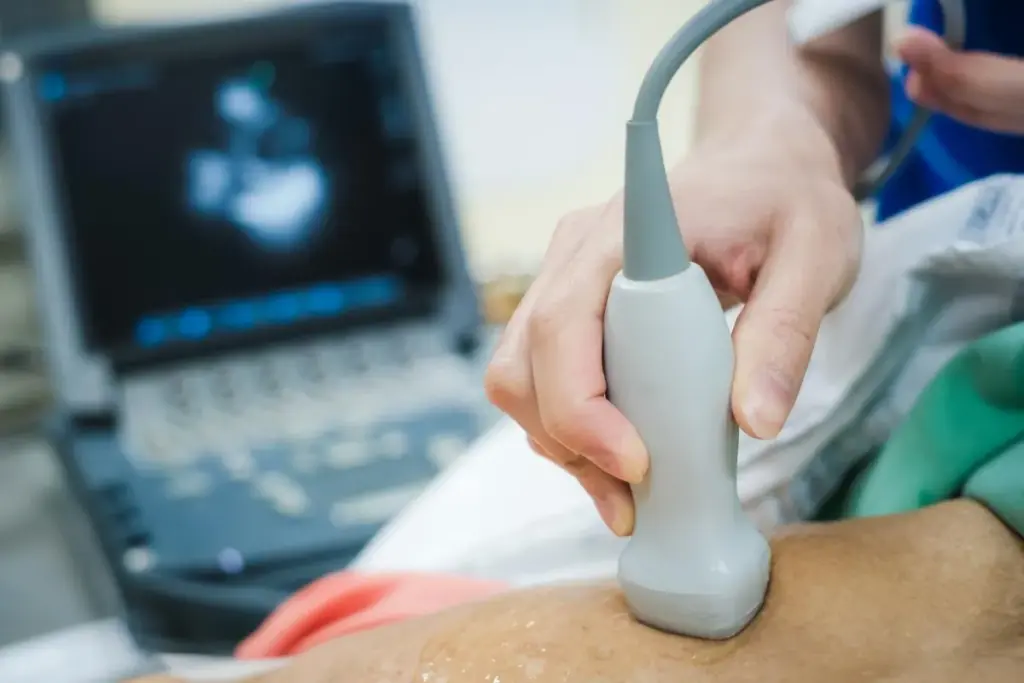
An echocardiogram is a non-invasive test that uses ultrasound technology to show the heart’s images. It’s key for checking heart health and finding problems early.
Definition and Purpose
An echocardiogram, or “echo,” uses sound waves to create detailed heart images. It helps diagnose heart conditions, monitor health, and guide treatment.
We use echocardiograms to look at the heart’s chambers, valves, and walls. It also checks how well the heart pumps. This helps find issues like leaky valves or heart failure and see if treatments work.
How Echocardiograms Are Performed

Echocardiograms use a device called a transducer to send and receive sound waves. The process starts with applying gel to the chest. Then, the transducer captures heart images from different angles.
There are two main ways to do echocardiograms. Transthoracic echocardiography uses the transducer on the chest. Transesophageal echocardiography uses a probe through the esophagus for clearer images.
Types of Echocardiograms
Echocardiography includes various tests like transthoracic, transesophageal, and stress echocardiograms. Each test offers unique insights into heart health. They meet different diagnostic needs and patient conditions.
Transthoracic Echocardiogram
A transthoracic echocardiogram (TTE) is the most common. It uses an ultrasound probe on the chest to see the heart. This method is non-invasive and widely used for its simplicity and effectiveness.
TTE is great for checking heart chambers, valves, and walls. It helps diagnose heart failure, valve disease, and pericardial disease. The test is quick, painless, and doesn’t need special preparation.
Transesophageal Echocardiogram
A transesophageal echocardiogram (TEE) looks at the heart with an ultrasound probe in the esophagus. It’s useful for detailed images, mainly for the heart’s back structures.
TEE is used for conditions like atrial septal defects and blood clots in the heart. It’s more invasive than TTE but gives clearer images. This helps in precise diagnosis and treatment planning.
Stress Echocardiogram
A stress echocardiogram, or cardiac stress test, checks heart function under stress. This stress is usually from exercise or medication. It compares heart function at rest and under stress.
Stress echocardiography helps find heart areas that might not get enough blood flow under stress. This suggests possible coronary artery blockages. It’s key for making treatment decisions and lifestyle advice.
Benefits of Echocardiograms
Echocardiograms offer many benefits, giving a safe and detailed look at the heart. They are non-invasive and provide a thorough heart function analysis.
Non-Invasive Procedure
Echocardiograms are done without touching the skin or entering the body. This makes them a safe diagnostic option with little risk of problems. Patients can get an echocardiogram without the pain and recovery time of surgery.
Detailed Heart Function Analysis
Echocardiograms give a detailed analysis of heart function. They help doctors see how well the heart works, including its pumping, valves, and chambers. This info is key for diagnosing heart issues and planning treatments.
With echocardiograms, doctors can make better decisions for patient care. The insights from these tests help guide treatments, leading to better results for heart patients.
Common Uses of Echocardiograms
Echocardiograms are key in diagnosing and managing heart issues. They give insights into the heart’s structure and function. This helps doctors make better decisions for patient care.
Diagnosing Heart Conditions
Echocardiograms help find many heart problems, like valve issues, heart failure, and coronary artery disease. They show detailed images of the heart. Doctors can then check how well the heart pumps, spot problems, and catch issues early.
“Echocardiography is a non-invasive and highly effective diagnostic tool that has revolutionized the field of cardiology.” This quote shows how important echocardiograms are in medicine today.
Monitoring Heart Health
Echocardiograms also help keep an eye on heart health over time. For those with heart conditions, regular tests track disease progress and treatment success. This ongoing monitoring is key for adjusting treatments to better patient outcomes.
- Assessing the impact of treatment on heart function
- Monitoring changes in heart structure over time
- Guiding surgical decisions, such as valve replacement
What an Echocardiogram Reveals
Echocardiograms give us a lot of information about the heart. They show its size, structure, and how well it works. This tool is key for spotting problems and planning treatments.
Heart Size and Structure
Echocardiograms create detailed images of the heart. Doctors use these to check the heart’s size and shape. They look for signs of cardiomyopathy or heart valve problems.
They measure the heart’s walls and chambers. This helps them find and fix any issues that might be affecting its work.
- Assess the heart’s chambers and valves for any abnormalities.
- Measure the thickness of the heart’s walls to identify possible problems.
- Evaluate the heart’s overall size and shape.
Heart Function and Pumping Ability
Echocardiograms also check how well the heart pumps blood. They look at the cardiac function to see if there are any problems. This helps doctors find the best treatment for heart issues.
- Evaluate the heart’s ejection fraction to assess its pumping efficiency.
- Assess the heart’s wall motion to identify areas of abnormal movement.
- Monitor the heart’s overall cardiac output.
Echocardiograms give a full picture of the heart’s health. This lets doctors create treatment plans that really help patients.
Interpretation of Results
Understanding echocardiogram results is key to diagnosing heart issues. We’ll help you grasp what these results mean for your heart health.
Normal Findings
Normal echocardiogram results show the heart is working well. This includes:
- Normal heart size and chamber dimensions
- Proper valve function
- No significant wall motion abnormalities
- Normal ejection fraction
These signs mean the heart is pumping efficiently. There are no major problems with its structure or function.
Abnormal Findings
Abnormal echocardiogram results can point to heart conditions. Some examples are:
- Valve disorders (e.g., stenosis or regurgitation)
- Heart failure or reduced ejection fraction
- Wall motion abnormalities suggesting coronary artery disease
- Cardiac structural abnormalities (e.g., septal defects)
If results show abnormalities, more tests or a cardiologist’s advice may be needed. This helps figure out the best next steps.
|
Finding |
Normal |
Abnormal |
|---|---|---|
|
Heart Size |
Within normal limits |
Enlarged or reduced |
|
Valve Function |
Proper function |
Stenosis or regurgitation |
|
Ejection Fraction |
Normal (55-70%) |
Reduced ( |
What If Echocardiogram Results Are Abnormal?
If your echocardiogram shows abnormal results, talk to your doctor right away. It doesn’t mean you have a serious heart problem. But, it does mean you need more tests to find out what’s going on.
Next Steps for Patients
When you get abnormal echocardiogram results, here’s what to do:
- Make an appointment with your doctor to go over the results.
- Ask questions about your condition, what might have caused the abnormal results, and what’s next.
- Remember, you might need more tests to get a clear diagnosis.
Following these steps is key to getting the right care for your condition.
Potential Further Testing
More tests might include:
- Additional Imaging Tests: Like a TEE or cardiac MRI for better heart images.
- Stress Test: To see how your heart works when stressed, often through exercise or medicine.
- Consultation with a Specialist: You might see a cardiologist for more help with your heart issue.
Also, some insurance plans, like Medicaid, might cover these extra tests, like MRI scans, if they’re needed.
Treatment Options for Abnormal Results
When an echocardiogram shows abnormal results, it’s key to look at treatment options. The right treatment depends on the condition and how serious it is. We’ll talk about different ways to manage heart issues and help patients get better.
Making Lifestyle Adjustments
Changing your lifestyle is often the first step for abnormal echocardiogram results. This can mean eating healthier, being more active, quitting smoking, and handling stress better. These changes can greatly improve heart health.
Some lifestyle changes you might be advised to make include:
- Lowering salt intake to control blood pressure
- Eating more fruits, veggies, and whole grains
- Doing regular exercise like walking or swimming
- Keeping a healthy weight to ease heart strain
Exploring Medical Interventions
For some, medical interventions are needed to handle their condition. These can be anything from medicines to surgeries, based on the diagnosis. We’ll work with patients to find the best treatment plan.
Some common medical treatments for abnormal echocardiogram results are:
- Medicines for high blood pressure or heart failure
- Surgeries to fix or replace damaged heart valves
- Other treatments to boost heart function and health
FAQs About Echocardiograms
Many people have questions about echocardiograms. They want to know about preparation, risks, and what happens during the test. Echocardiograms are key for checking heart health. Knowing what to expect can make the process easier.
How to Prepare for an Echocardiogram
Getting ready for an echocardiogram is easy. Wear comfy clothes and skip heavy meals before the test. Tell your doctor about any medicines you’re taking.
On test day, take off any jewelry or objects that might get in the way. You won’t need to fast or get sedated for this test.
Is There Any Risk Involved?
Echocardiograms are usually safe and don’t hurt. But, there are some things to think about. For example, a TEE might be a bit riskier because it goes through the esophagus.
Even though serious problems are rare, talk to your doctor about any worries. This is important if you have esophageal issues or other health problems.
|
Aspect |
Details |
|---|---|
|
Preparation |
Wear comfortable clothing, avoid heavy meals, inform about medications |
|
Risks |
Generally safe, but TEE may have higher risk due to esophageal probe insertion |
|
Complications |
Rare, but discuss concerns with healthcare provider if you have esophageal issues |
Conclusion
Regular heart monitoring is key to keeping your heart healthy. Echocardiograms are a big part of this. They show detailed images of the heart’s structure and function.
This helps doctors diagnose and manage heart conditions well.
Maintaining Heart Health
Heart monitoring is very important. Regular check-ups can spot problems early. This way, doctors can act fast and prevent serious issues.
Cardiac care is a big part of staying healthy. Knowing the latest health guidelines is very important.
Professional Guidance
If you’re worried about your heart, get professional advice. Doctors can give you personalized advice and suggest tests like echocardiograms. This helps them check your heart’s function.
Knowing about medicare guidelines for MRI and other tests can also help you. It makes navigating the healthcare system easier.
FAQ
What is an echocardiogram and how does it work?
An echocardiogram is a test that uses sound waves to see the heart. It helps doctors check the heart’s structure and how well it works.
How should I prepare for an echocardiogram?
For most echocardiograms, you don’t need to do anything special. Just wear comfy clothes and remove any jewelry. For some tests, you might need to not eat before it.
Is there any risk involved with having an echocardiogram?
Echocardiograms are usually safe. But, some tests might cause a bit of discomfort or a small risk of bleeding or infection.
What can an echocardiogram reveal about my heart health?
This test can show a lot about your heart. It can check the heart’s size, how well it pumps, and if there are any problems with the valves.
What happens if my echocardiogram results are abnormal?
If the test shows something unusual, your doctor will talk to you about it. They might suggest more tests or changes to your treatment plan.
How often will I need to have an echocardiogram?
How often you need this test depends on your heart health. Your doctor will tell you how often you should come back for another test.
Can I undergo an MRI if I have a pacemaker or other implanted device?
Some pacemakers and devices are safe for MRI. But, always tell your doctor about any devices before getting an MRI.
Does Medicare cover echocardiograms?
Yes, Medicare usually covers echocardiograms if they’re needed for your health. But, the details can depend on your Medicare plan.
What are the benefits of having a stress echocardiogram?
A stress echocardiogram can spot heart disease and see how the heart works when it’s stressed. It helps doctors plan the best treatment.
Reference
National Center for Biotechnology Information. Evidence-Based Medical Insight. Retrieved from https://pubmed.ncbi.nlm.nih.gov/25559473/