

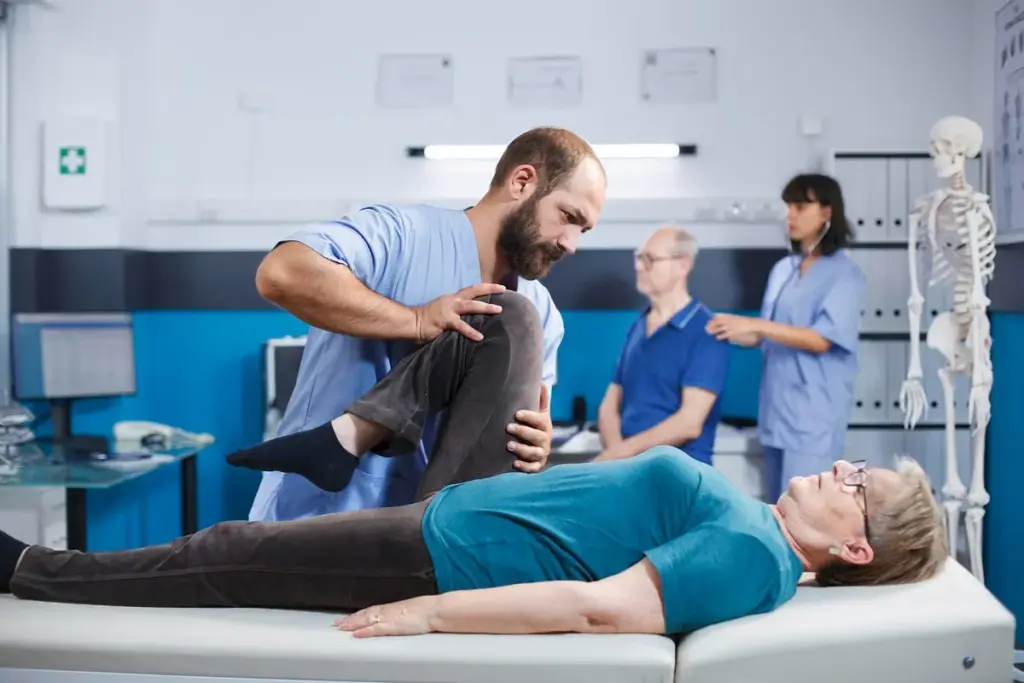
Musculoskeletal conditions affect millions of people worldwide. They cause pain, discomfort, and limited mobility. The first visit to an orthopedic surgeon is key in diagnosing and treating these conditions.
In this initial consultation, the bone and joint specialist will assess the patient’s condition. They will discuss medical history and symptoms to find the cause. The surgeon aims to create an effective treatment plan. This plan might include surgery or non-surgical options.
Key Takeaways
- Understanding the role of an orthopedic surgeon in diagnosing musculoskeletal conditions.
- Expectations during the first visit to an orthopedic surgeon.
- The importance of discussing medical history and symptoms.
- Developing an effective treatment plan tailored to the patient’s needs.
- The possibility of both surgical and non-surgical treatment options.
Understanding Orthopedic Medicine

The musculoskeletal system is our body’s framework. Orthopedic medicine keeps it healthy and working well. It focuses on treating and preventing disorders and injuries in this system.
The Field of Orthopedics Explained
Orthopedics is a part of medicine that looks at the musculoskeletal system. This includes bones, joints, muscles, and soft tissues. Specialists in this field can diagnose and treat many conditions, from fractures to arthritis.
Common Conditions Treated by Orthopedic Specialists
Orthopedic specialists handle many conditions. These include degenerative diseases, injuries, and congenital disorders. Common issues include osteoarthritis, tendonitis, and fractures.
|
Condition |
Description |
Common Treatment Options |
|---|---|---|
|
Osteoarthritis |
A degenerative joint disease causing cartilage loss and bone friction. |
Physical therapy, pain management, joint injections, surgery |
|
Tendonitis |
Inflammation of tendons, often due to overuse or repetitive strain. |
Rest, physical therapy, anti-inflammatory medications |
|
Fractures |
Breaks in bones, ranging from minor hairline fractures to complex breaks. |
Casting, surgery, physical therapy |
Difference Between Orthopedists and Orthopedic Surgeons
Orthopedists and orthopedic surgeons both work on musculoskeletal health. But, they differ in what they do. Orthopedists treat conditions without surgery. Orthopedic surgeons perform surgery when needed.
It’s important to understand orthopedic medicine for musculoskeletal health. Whether it’s an injury or a long-term condition, knowing what specialists can do is key to getting better.
What Does an Orthopedic Doctor Do?
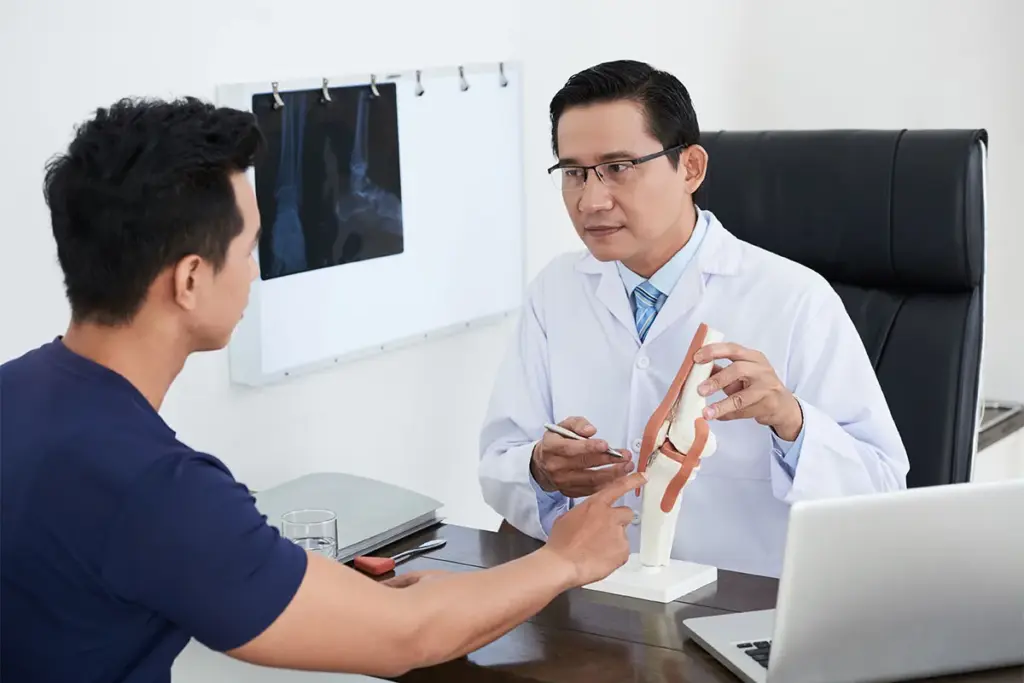
An orthopedic doctor deals with the musculoskeletal system. This includes bones, joints, muscles, and soft tissues. They help with many conditions, from injuries to long-term problems.
Diagnostic Responsibilities
Orthopedic doctors diagnose and treat musculoskeletal issues. They use medical history, physical exams, and imaging tests. This helps them find the cause and plan treatment.
Their diagnostic work includes:
- Reviewing medical histories to understand the patient’s situation.
- Checking physical health to see how well the body moves and functions.
- Ordering tests like X-rays and MRI scans to see inside the body.
Treatment Capabilities
Orthopedic doctors can treat many conditions with surgery or without. They use different methods to help patients.
|
Treatment Type |
Description |
Examples |
|---|---|---|
|
Non-Surgical |
Managing conditions without surgery. |
Physical therapy, medicines, injections |
|
Surgical |
Operations to fix or replace damaged tissues. |
Joint replacement, fixing fractures, ligament repair |
Surgical and Non-Surgical Interventions
Orthopedic surgeons do many surgeries, from small to big ones. They also use non-surgical methods. This includes medicines, physical therapy, and injections to ease pain and inflammation.
Specialized Training and Expertise
Orthopedic doctors get a lot of training. They go to medical school, do residency, and sometimes fellowship. This makes them experts in musculoskeletal health.
Thanks to their training, they know the latest in musculoskeletal care. This means patients get the best treatments available.
When to See an Orthopedic Doctor
Musculoskeletal problems can come on suddenly or slowly. It’s key to know when you need orthopedic care. Orthopedic specialists can handle many issues with bones, joints, muscles, and soft tissues.
Common Symptoms That Warrant a Visit
Some symptoms mean it’s time to see an orthopedic doctor. These include:
- Persistent pain in your joints, bones, or muscles
- Swelling or redness around a joint or bone
- Instability or weakness in your joints
- Deformity or abnormal shape of a limb or joint
- Loss of mobility or reduced range of motion
Chronic vs. Acute Conditions
Orthopedic issues can be either sudden or long-term. Acute conditions come from sudden injuries, like fractures or sprains. Chronic conditions develop over time, like osteoarthritis or osteoporosis. Knowing if your issue is sudden or long-term helps in choosing the right treatment.
Red Flags That Shouldn’t Be Ignored
Some signs mean you need to see an orthopedic doctor right away. These include:
- Severe pain after a fall or accident
- Sudden loss of function or mobility in a limb
- Signs of infection, like fever, redness, or warmth around a joint
- Numbness, tingling, or weakness in your limbs
- Trauma or injury to the spine or neck
If you’re experiencing any of these symptoms, seeing an orthopedic specialist is important. They can give you a proper diagnosis and create a treatment plan just for you. This helps you get the best results.
The Referral Process
Starting your journey to orthopedic care means figuring out if you need a referral. Knowing this can help you get the care you need.
Do I Need a Referral to See an Orthopedic Doctor?
It’s key to talk to your insurance to know their rules. You can find this info on your card or by calling them.
Insurance Considerations
Insurance rules are important when it comes to referrals. Even without a referral, your insurance might have its own rules for seeing an orthopedic doctor. Knowing your plan’s network and what it covers can help you.
|
Insurance Type |
Referral Requirement |
Out-of-Network Coverage |
|---|---|---|
|
HMO |
Usually Required |
Limited or Not Covered |
|
PPO |
Not Always Required |
Covered, Higher Copay |
|
EPO |
Varies |
Not Covered Except in Emergencies |
Self-Referral Options
If your insurance lets you self-refer, you can see an orthopedic doctor without a referral. This is good for those who want to take charge of their care.
But, it’s wise to tell your primary doctor about your plans. They can share important info about your health.
Preparing for Your First Orthopedic Appointment
Getting ready for your first visit to an orthopedic specialist is important. It makes your appointment more effective and helps you get the best treatment plan.
Medical History Documentation
Start by gathering your medical history. List your current medications, past surgeries, and any allergies. Also, note any treatments or therapies you’ve had before.
Tip: Bring your medical records to your appointment. This helps your orthopedic surgeon understand your health better.
Questions to Prepare
Write down questions for your orthopedic surgeon. Ask about your diagnosis, treatment options, and what to expect during recovery.
- What is my diagnosis?
- What are my treatment options?
- Are there any alternative treatments available?
- What are the risks and benefits of each treatment option?
What to Bring With You
Bring any relevant imaging studies, like X-rays or MRIs, to your appointment. Also, bring a list of your current medications and insurance information.
|
Item to Bring |
Description |
|---|---|
|
Medical Records |
Previous treatments, surgeries, and test results |
|
Imaging Studies |
X-rays, MRIs, CT scans |
|
Medication List |
Current medications and dosages |
|
Insurance Information |
Insurance cards and relevant policy details |
Appropriate Clothing for Examination
Wear comfortable, loose-fitting clothes for your examination. For example, shorts are good if you’re seeing the doctor for a knee issue.
Tip: Choose clothes that make it easy for the doctor to examine the area.
Arrival and Check-In Procedures
When you arrive at the orthopedic clinic, you start a smooth process. It’s designed to get you ready for your consultation. This first step is key to gather all needed info and ensure you’re set for your appointment.
Paperwork and Insurance Verification
The first thing you do is fill out any paperwork. This might include your medical history and consent forms. The staff will also check your insurance to see what’s covered and any costs you might face. Arriving a bit early helps you finish this part faster.
Initial Screening by Medical Staff
After you’ve checked in, you’ll wait in a designated area. The medical team will call you over for a quick check. They might take your vital signs or talk about why you’re there. This helps the orthopedic team get ready for your consultation.
Typical Wait Times and What to Expect
Wait times can vary. They depend on the clinic’s schedule and the types of cases they’re dealing with. You might wait anywhere from 15 to 30 minutes. Sometimes it’s longer, sometimes shorter.
During this wait, you can read materials from the clinic, use your phone, or just relax. Knowing what to expect can make your visit to the orthopedic clinic more comfortable. It helps you understand the process better and get the most out of your time with the specialist.
The Initial Consultation
The first meeting with an orthopedic surgeon is key to diagnosing and treating musculoskeletal issues. It’s where a diagnosis is made and a treatment plan is created just for you.
Meeting Your Orthopedic Surgeon
At your first visit, you’ll meet the surgeon who will check your condition. They will look at your symptoms, talk about your health history, and explain your treatment options.
The surgeon will introduce themselves and explain their role in your care. They will also walk you through the consultation steps, making sure you’re comfortable and informed.
Discussion of Symptoms and Medical History
Talking about your symptoms and health history is a big part of the first visit. The surgeon will ask questions to understand your condition. They want to know when your symptoms started, how bad they are, and what makes them better or worse.
- Detailing your symptoms and how they affect your daily activities
- Sharing your medical history, including previous injuries or conditions
- Discussing any treatments you have tried so far
This info is critical for the surgeon to make an accurate diagnosis and plan your treatment.
Establishing Doctor-Patient Rapport
Building a good relationship with your surgeon is key to a successful treatment. The first visit is a chance to see how they communicate and to ask questions.
A strong doctor-patient relationship is based on trust, understanding, and open communication. The surgeon’s job is not just to treat you but also to keep you informed and supported during treatment.
By the end of the first visit, you should know about your condition, the treatment plan, and your surgeon’s role in your care. This meeting is the start of working together to manage your orthopedic health.
Physical Examination Techniques
A physical examination is key in diagnosing orthopedic issues. It lets doctors check the musculoskeletal system well. During your visit, the orthopedic surgeon will use different methods to fully understand your condition.
Range of Motion Testing
Range of motion testing checks how flexible and mobile your joints are. This test shows how much your condition affects your daily life.
Strength and Stability Assessments
Strength assessments check the muscle power around the affected area. Stability assessments look at how stable your joints are. These tests are important for diagnosing muscle and joint problems.
Neurological Evaluations
Neurological evaluations check nerve function and look for any nerve problems. This is key for diagnosing nerve issues like radiculopathy or peripheral neuropathy.
Pain Response Assessment
Pain response assessment looks at how you react to pain from certain movements or pressure. It helps find out where and how bad your pain is. This guides the orthopedic surgeon to the right diagnosis.
|
Examination Technique |
Purpose |
Information Gained |
|---|---|---|
|
Range of Motion Testing |
Evaluate joint flexibility and mobility |
Extent of condition impact on daily activities |
|
Strength Assessments |
Determine muscle power around the affected area |
Muscle strength and possible weaknesses |
|
Neurological Evaluations |
Assess nerve function and identify neurological deficits |
Nerve health and possible neurological conditions |
|
Pain Response Assessment |
Evaluate pain levels in response to movements or pressure |
Source and severity of pain |
Diagnostic Imaging in Orthopedics
Diagnostic imaging has changed how we diagnose and treat musculoskeletal disorders. It lets doctors see inside the body, helping them make accurate diagnoses and treatment plans.
Purpose and Types of Diagnostic Imaging
There are many imaging techniques used in orthopedics. These include X-rays, Magnetic Resonance Imaging (MRI), Computed Tomography (CT) scans, and Ultrasound.
X-rays are often the first choice. They help see bones and find fractures, osteoporosis, or bone spurs.
Advanced Imaging Options
For detailed looks, advanced imaging is used. MRI shows soft tissues like tendons and ligaments well. It’s great for finding tendonitis or ligament sprains.
CT scans give detailed images of bones and soft tissues. They help diagnose complex fractures or bone tumors.
Ultrasound checks soft tissue injuries and guides injections. It’s good for finding rotator cuff tears or tendon injuries.
|
Imaging Modality |
Primary Use in Orthopedics |
Examples of Diagnoses |
|---|---|---|
|
X-rays |
Bone visualization |
Fractures, osteoporosis, bone spurs |
|
MRI |
Soft tissue visualization |
Tendonitis, ligament sprains, cartilage damage |
|
CT Scan |
Detailed bone and soft tissue imaging |
Complex fractures, bone tumors |
|
Ultrasound |
Soft tissue and blood flow assessment |
Rotator cuff tears, tendon injuries |
When Imaging Happens During the Visit
Imaging might happen right away if the doctor thinks it’s needed. The choice depends on symptoms, medical history, and the physical exam.
What to Expect During Imaging Procedures
During imaging, patients need to stay very quiet and might be positioned in certain ways. The time it takes varies by the type of imaging.
“The integration of diagnostic imaging into orthopedic practice has significantly enhanced our ability to diagnose and treat musculoskeletal conditions effectively.” – Orthopedic Specialist
Knowing about diagnostic imaging in orthopedics helps patients understand their care. It shows how technology helps diagnose and treat musculoskeletal conditions.
Can an Orthopedic Doctor Diagnose Arthritis?
Orthopedic doctors play a key role in diagnosing arthritis. They use different methods to spot the condition. These doctors can handle various types of arthritis, giving patients the care they need.
Diagnostic Methods for Arthritis
Orthopedic specialists use several ways to find arthritis. These include:
- Medical history review
- Physical examination
- Imaging tests (X-rays, MRI, CT scans)
- Laboratory tests (blood work, joint fluid analysis)
By using these tools, doctors can pinpoint arthritis and its type.
Types of Arthritis Identified by Orthopedists
Orthopedic specialists can spot many types of arthritis. These include:
|
Type of Arthritis |
Characteristics |
|---|---|
|
Osteoarthritis |
Wear and tear on joints, often affecting older adults |
|
Rheumatoid Arthritis |
Autoimmune disorder causing inflammation and joint damage |
|
Psoriatic Arthritis |
Associated with psoriasis, causing joint inflammation and skin lesions |
Differential Diagnosis Considerations
When diagnosing arthritis, doctors must rule out other conditions. This includes:
- Infections
- Autoimmune disorders
- Traumatic injuries
Discussing Your Diagnosis
It’s key to understand your orthopedic diagnosis to make smart care choices. When an orthopedic surgeon talks about your condition, they aim to give a clear and detailed view.
How Orthopedic Surgeons Explain Conditions
Orthopedic surgeons use a combination of simple language and medical terms to explain conditions, making sure to consider that patients come from various backgrounds and may not be familiar with medical jargon.
Breaking down complex terms: Surgeons take the time to define and explain medical terms. This ensures patients understand their diagnosis.
Understanding Medical Terminology
Medical terms can be tough to understand, but they’re key to knowing your diagnosis. Orthopedic surgeons often use visual aids to make complex terms clearer.
For instance: Terms like “osteoarthritis” or “tendonitis” are explained in context. This helps patients understand their condition better.
Visual Aids and Models Used in Explanations
Visual aids like diagrams, models, and imaging studies are very helpful. They help show the condition and the treatment plans.
|
Visual Aid |
Purpose |
Benefit |
|---|---|---|
|
X-rays |
Show bone structure and alignment |
Helps diagnose fractures or bone misalignments |
|
MRI Scans |
Detail soft tissue injuries |
Useful for diagnosing ligament and tendon injuries |
|
3D Models |
Provide a detailed view of the affected area |
Enhances understanding of complex conditions |
By using these visual aids, orthopedic surgeons can help patients understand better. This makes it easier to talk about treatment options.
Treatment Plan Development
Treatment plans are made to fit each patient’s unique needs. They consider the condition, the patient’s health, and what they prefer.
Conservative Treatment Options
Conservative treatments are often the first choice for orthopedic issues. These may include:
- Physical therapy to improve mobility and strength
- Medications to manage pain and inflammation
- Lifestyle modifications such as diet and exercise changes
- Bracing or orthotics to provide support
These treatments aim to reduce symptoms and improve function without surgery.
Surgical Interventions When Necessary
When conservative treatments fail, surgery might be needed. Orthopedic surgeons perform many surgeries, from small arthroscopy to big reconstructive ones.
Surgical options depend on the condition’s severity and the patient’s health.
Pain Management Strategies
Managing pain is key in any treatment plan. Strategies include:
- Pharmacological interventions, such as pain relievers
- Non-pharmacological approaches, like physical therapy and alternative therapies
- Interventional procedures, such as injections
Pain management plans are made for each person and changed as needed.
Rehabilitation Considerations
Rehabilitation is important for recovery. It helps patients get stronger, move better, and function well. Plans are made for each patient, whether after surgery or as part of non-surgical care.
Follow-Up Care and Expectations
Knowing what to expect during follow-up care is key to a smooth recovery. After your first visit with an orthopedic surgeon, a good follow-up plan is vital. It helps in monitoring progress and adjusting your treatment if needed.
Scheduling Additional Appointments
Your orthopedic surgeon will set up more visits to check on your recovery. It’s important to keep these appointments. This ensures your recovery stays on track.
Monitoring Progress
At follow-up visits, your surgeon will check how you’re doing. They look for any improvements or issues. This helps them make changes if necessary.
When to Contact Your Doctor Between Visits
It’s important to know when to call your doctor between visits. If you’re in more pain, notice big changes, or have concerns, reach out. Don’t wait to contact your orthopedic surgeon’s office.
Typical Treatment Timelines
Knowing the treatment timelines for your condition helps set realistic expectations. Your surgeon will guide you on what to expect. They’ll tell you about the treatment length and important milestones.
By sticking to the follow-up care plan, you can have a smoother recovery. This way, you’ll get the best results from your orthopedic treatment.
Essential Questions to Ask Your Orthopedic Surgeon
To make informed decisions about your orthopedic care, it’s key to ask the right questions. Being prepared helps you understand your condition and the treatment options available.
About Your Specific Condition
Understanding your orthopedic condition is the first step towards recovery. Ask your surgeon to explain your condition in detail, including its causes and symptoms.
- What is my diagnosis?
- What are the causes of my condition?
- How will this condition affect my daily life?
It’s also essential to inquire about the prognosis and any possible complications associated with your condition.
About Treatment Options and Alternatives
There are often multiple treatment options available for orthopedic conditions. Ask your surgeon to discuss the available treatments, including both surgical and non-surgical interventions.
|
Treatment Option |
Description |
Benefits |
|---|---|---|
|
Surgery |
Surgical intervention to repair or replace damaged joints or bones. |
Potential for significant pain relief and improved mobility. |
|
Physical Therapy |
A non-surgical approach focusing on exercises to strengthen muscles and improve joint mobility. |
Less invasive, can improve strength and function. |
Understanding the benefits and risks of each option will help you make an informed decision.
“The goal of orthopedic treatment is not just to alleviate pain but to restore function and improve quality of life.”
— Orthopedic Specialist
About Recovery and Rehabilitation
Recovery and rehabilitation are key aspects of orthopedic treatment. Ask your surgeon about what to expect during the recovery process.
- What is the expected recovery time?
- Are there any specific rehabilitation exercises I should do?
- How will my progress be monitored?
Understanding the recovery process can help you prepare and ensure a smoother rehabilitation.
About Costs and Insurance Coverage
It’s also important to discuss the financial aspects of your treatment. Ask your surgeon or their staff about the costs associated with your treatment and what is covered by your insurance.
- What are the total costs for the recommended treatment?
- What portion of the costs is covered by my insurance?
- Are there any additional fees or expenses I should be aware of?
Clarifying these details can help you plan financially.
Conclusion
Knowing what happens at your first visit to an orthopedic surgeon can make you feel less anxious. Orthopedic care is key to keeping your muscles and bones healthy. It helps with many issues, from sudden injuries to long-term diseases.
Being prepared for your visit helps a lot. You can ask smart questions and help plan your treatment. Whether you need help with a specific problem or just want to stay healthy, an orthopedic expert can guide you.
Good orthopedic care can really change your life. It helps you manage pain, get back to doing things you love, and live more normally. Taking care of your musculoskeletal health is important. It helps you stay active and healthy for a long time.
FAQ
What is an orthopedic doctor?
An orthopedic doctor is a specialist who deals with bones, joints, muscles, and soft tissues. They diagnose, treat, and prevent disorders and injuries in these areas.
When should I see an orthopedic doctor?
See an orthopedic doctor if you have ongoing pain, limited movement, or discomfort in your bones, joints, or muscles. Also, if an injury affects your musculoskeletal health.
Do I need a referral to see an orthopedic doctor?
Whether you need a referral depends on your insurance. Some plans require a referral from a primary care doctor. Others allow you to go directly. Check your insurance to be sure.
What does an orthopedic doctor do during the first visit?
At the first visit, the doctor will look at your medical history and talk about your symptoms. They will also do a physical exam and might order imaging tests to find out what’s wrong.
Can an orthopedic doctor diagnose arthritis?
Yes, orthopedic doctors can diagnose arthritis. They use your medical history, physical exam, and imaging tests to identify the type of arthritis and plan treatment.
What kind of treatments do orthopedic doctors offer?
Orthopedic doctors offer many treatments. These include medication, physical therapy, injections, and surgery. The choice depends on the condition and its severity.
How do I prepare for my first orthopedic appointment?
Prepare by gathering your medical history and writing down your symptoms and questions. Wear clothes that are easy to move in.
What happens during a physical examination by an orthopedic doctor?
The exam may include tests of your range of motion, strength, and nerve function. It helps find any problems in your musculoskeletal system.
Will I need diagnostic imaging?
You might need imaging tests like X-rays or MRI scans. The doctor will decide based on your symptoms, medical history, and the exam findings.
How do orthopedic surgeons communicate diagnoses?
Orthopedic surgeons explain diagnoses clearly. They use simple language and visual aids to help you understand your condition and treatment plan.
What should I ask my orthopedic surgeon?
Ask about your condition, treatment options, and what to expect during recovery. Also, ask about costs and insurance coverage.
What is the role of follow-up care in orthopedic treatment?
Follow-up care is important. It lets the doctor check on your progress, make changes to your treatment if needed, and address any issues during recovery.
Reference
Treating a Disease vs. Understanding a Disease

























