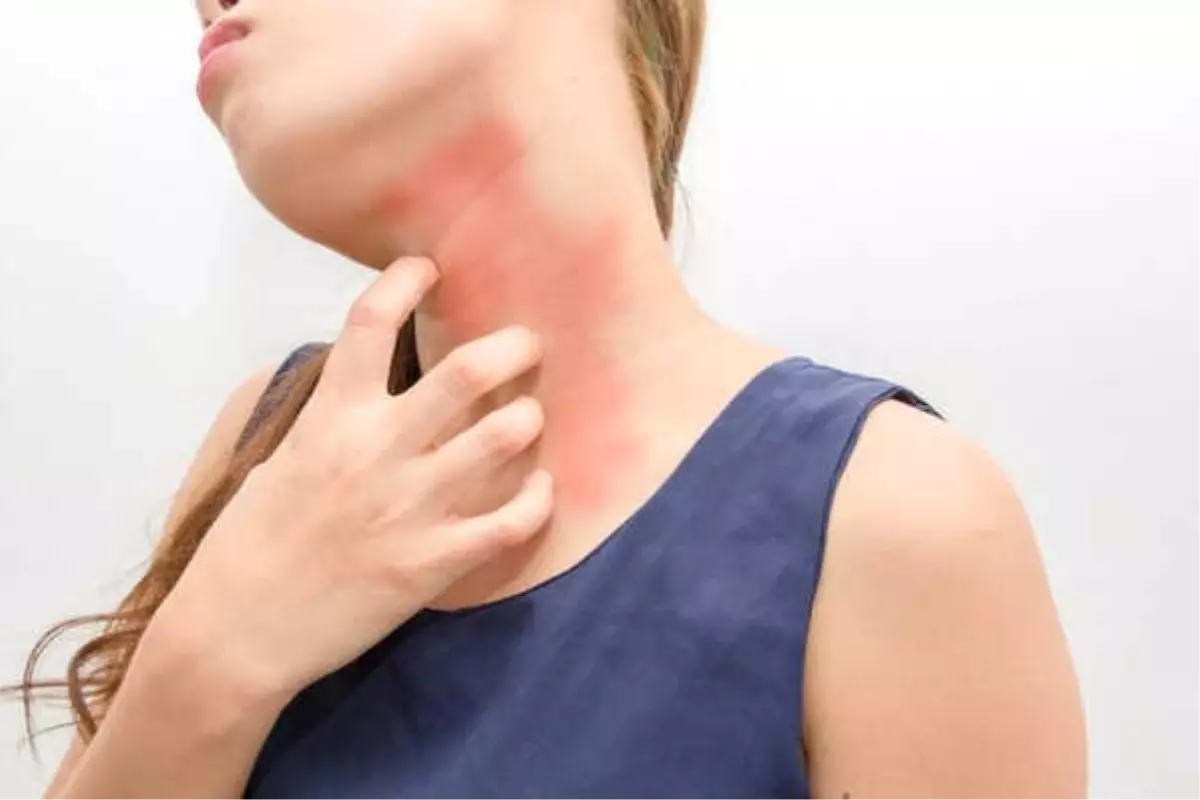
Wondering what does asthma rash look like? Learn the vital signs of associated skin conditions like eczema and when to seek help. If you see itchy, raised bumps on your skin and have breathing problems, knowing about an asthma rash is key. It could be important for your health.
People with asthma often have skin issues too. At Liv Hospital, we make sure you know about these skin problems. We give you care that covers both your breathing and skin.
Asthma rashes look different based on the cause and skin condition. This can include hives, atopic dermatitis, or contact dermatitis. Allergic reactions can lead to mild to severe skin reactions.
Key Takeaways
- Asthma rashes can manifest differently depending on associated skin conditions.
- Understanding the underlying causes is key for the right diagnosis and treatment.
- Quickly recognizing and managing asthma rashes is vital for full care.
- At Liv Hospital, we offer new ways to help patients with asthma and skin issues.
- Allergic reactions can cause a variety of skin symptoms, from mild to severe.
Understanding the Connection Between Asthma and Skin Conditions
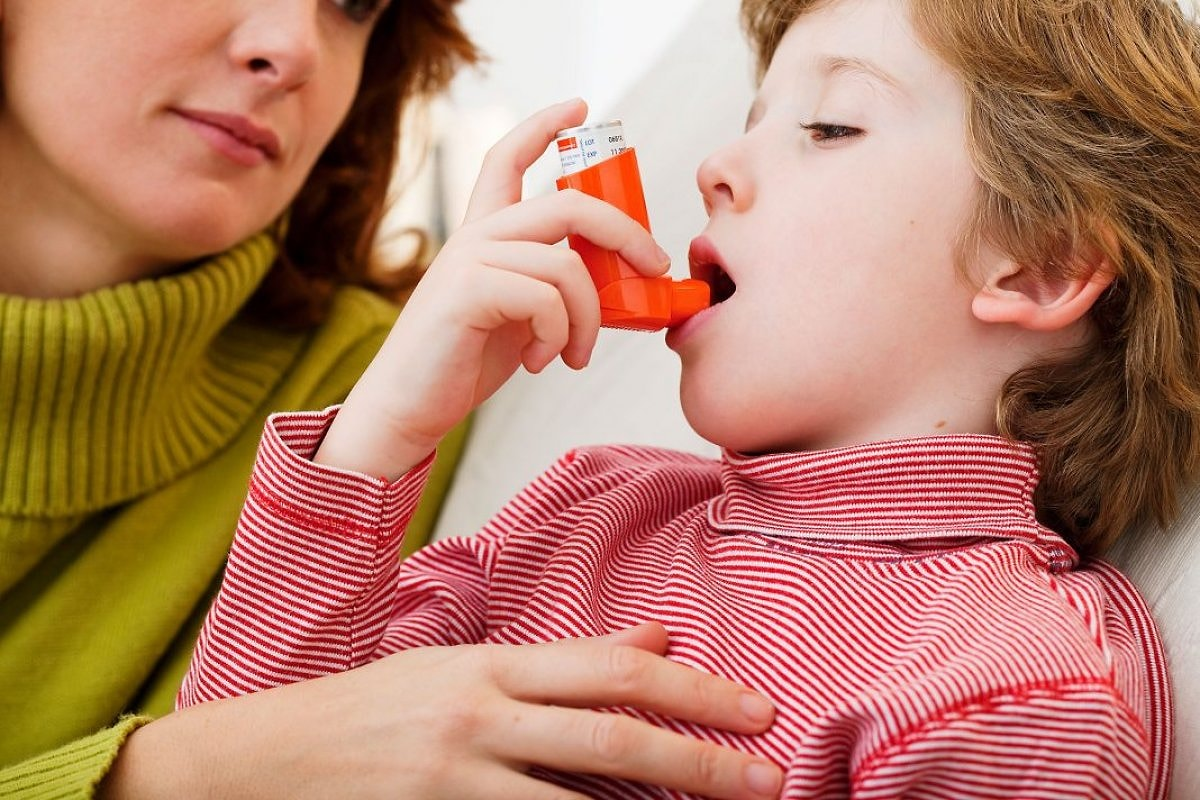
It’s important to understand how asthma and skin conditions are linked. Asthma is a long-term lung disease that can also affect the skin. We’ll look into why these two often go together, and how they impact each other.
The Immune System Link: Elevated IgE Levels
The immune system plays a big role in the link between asthma and skin issues. Allergic asthma, which is common, has high IgE levels. These levels are also seen in allergic skin problems. High IgE levels mean the immune system is overactive, leading to both lung and skin problems. Studies show IgE is key in both asthma and skin allergies like atopic dermatitis.
Shared Inflammatory Pathways
Asthma and skin issues share the same inflammatory pathways. Both involve type 2 inflammation, with cytokines like IL-4, IL-5, and IL-13. This is why treatments for one can help the other.
Prevalence of Skin Manifestations in Asthma Patients
Many asthma patients also have skin problems. Studies show a big number of people with asthma also have skin conditions. Here’s a table showing how common these skin issues are in asthma patients:
|
Skin Condition |
Prevalence in Asthma Patients |
|---|---|
|
Atopic Dermatitis (Eczema) |
30-50% |
|
Urticaria (Hives) |
20-30% |
|
Contact Dermatitis |
15-25% |
This table shows how often asthma and skin conditions go together. It shows we need to treat both lung and skin problems together.
What Does an Asthma Rash Look Like? Common Presentations

Knowing what an asthma rash looks like is key to managing it well. Asthma can cause different skin issues, leading to discomfort and worry.
General Characteristics of Asthma-Related Skin Conditions
Asthma rashes can look different but share some traits. They often show redness, itching, and swelling. The skin might get dry, cracked, or change color, causing pain and distress.
These rashes can be short-term or long-lasting. Figuring out the cause is vital for the right treatment.
Variations in Appearance Based on Underlying Causes
The look of an asthma rash depends on its cause. For example, eczema shows up as dry, scaly patches. Allergic contact dermatitis causes localized redness and swelling.
Hives, another common rash, are itchy bumps that can pop up anywhere. It’s important to get a detailed diagnosis because of these differences.
Distribution Patterns on the Body
Asthma rashes can show up on different body parts. Some conditions have specific patterns. For instance, eczema often hits the elbows and knees, while contact dermatitis shows up where you touched something you’re allergic to.
Knowing these patterns helps doctors diagnose and treat better. We’ll dive deeper into these patterns to help you recognize and manage them.
Hives (Urticaria) and Asthma
Hives, or urticaria, are common in people with asthma. They signal an allergic reaction. These are raised, red, and itchy bumps on the skin, causing discomfort and distress.
Identifying Hives
Hives look like raised, red, itchy bumps and can change size and shape. They can pop up anywhere on the body. For those with asthma, hives might be a sign of an allergic reaction that can also affect breathing.
Acute vs. Chronic Urticaria in Asthma Patients
Urticaria can be acute or chronic. Acute urticaria lasts less than six weeks and is usually caused by an allergic reaction. Chronic urticaria lasts more than six weeks and can be due to many reasons, including autoimmune disorders.
|
Characteristics |
Acute Urticaria |
Chronic Urticaria |
|---|---|---|
|
Duration |
Less than 6 weeks |
More than 6 weeks |
|
Common Causes |
Allergic reactions, infections |
Autoimmune disorders, unknown causes |
|
Association with Asthma |
Often related to allergic triggers that can also exacerbate asthma |
May be part of a broader allergic or inflammatory condition that includes asthma |
Angioedema: When Swelling Goes Deeper
Angioedema is a condition like urticaria but involves deeper tissue swelling. It often affects the face, lips, tongue, or throat. It can be life-threatening if not treated quickly. For asthma patients, angioedema is a serious concern as it may signal a severe allergic reaction that could also impact breathing.
It’s important to understand the connection between hives, angioedema, and asthma. Recognizing the signs and symptoms helps individuals get the right medical care. This can help ease discomfort and prevent serious complications.
Atopic Dermatitis (Eczema) in People with Asthma
Asthma and atopic dermatitis often go hand in hand. Atopic dermatitis, or eczema, makes the skin dry, itchy, and inflamed. It affects over 20 percent of adults with asthma, showing a strong connection between the two.
Visual Characteristics: Dry, Cracked, Discolored Skin
Atopic dermatitis makes the skin dry, cracked, and discolored. The skin may look red or darker than usual. It can itch a lot, making it hard to sleep and do daily tasks. In bad cases, the skin can get thick and crack.
Common Locations and Patterns
Atopic dermatitis can show up anywhere on the body. But it often likes the face, neck, hands, and the folds of elbows and knees. People can have it all over or just in certain spots.
The Atopic March: From Eczema to Asthma
The “atopic march” is when eczema leads to other allergies like asthma and allergic rhinitis. People with eczema are more likely to get asthma, if their family has allergies. Knowing this helps doctors treat it early.
|
Condition |
Characteristics |
Common Locations |
|---|---|---|
|
Atopic Dermatitis |
Dry, cracked, discolored skin; intense itching |
Face, neck, hands, elbow and knee folds |
|
Asthma |
Wheezing, coughing, shortness of breath |
Respiratory system |
|
Allergic Rhinitis |
Sneezing, runny nose, nasal congestion |
Nasal passages |
Knowing how eczema and asthma are connected helps doctors treat both better. They can care for the skin and breathing problems together.
Contact Dermatitis and Its Relationship to Asthma
Contact dermatitis makes the skin red and itchy. It’s a big worry for people with asthma. This happens when the skin meets irritants or allergens, causing inflammation.
Irritant Contact Dermatitis: Appearance and Triggers
Irritant contact dermatitis is caused by harmful substances like soaps or chemicals. It can range from mild redness to severe burns. This depends on the irritant’s strength and how long you’re exposed to it.
Common triggers include:
- Harsh soaps and detergents
- Chemicals in cleaning products
- Certain metals like nickel
Allergic Contact Dermatitis: Visual Differences
Allergic contact dermatitis happens when the skin reacts to an allergen it’s already sensitized to. It looks like red, itchy, and sometimes blistered skin. Unlike irritant contact dermatitis, allergic reactions can happen with just a little exposure to the allergen.
The key visual differences include:
- More pronounced itching
- Redness and swelling
- Blisters or rashes
Common Culprits: Soaps, Chemicals, and Environmental Irritants
Both irritant and allergic contact dermatitis can be caused by many things. Soaps and detergents are common irritants. Also, some chemicals and environmental factors can trigger it.
Knowing what triggers these conditions is key. It’s very important for people with asthma. It helps prevent asthma symptoms from getting worse because of skin reactions.
Other Allergic Skin Manifestations in Asthma Patients
Asthma can cause many allergic skin reactions. This makes it important to have a full care plan. Asthma patients often see skin problems linked to their allergies.
Drug-Induced Rashes: Appearance and Common Medications
Drug rashes are a big worry for asthma patients, who often take many medicines. Antibiotics and non-steroidal anti-inflammatory drugs (NSAIDs) are often to blame. These rashes look like morbilliform eruptions, which are small, pink or red spots all over.
Some drug rashes can be very serious. They might turn into Stevens-Johnson syndrome or toxic epidermal necrolysis. These are emergencies that need quick help.
Food Allergy-Related Skin Reactions
Food allergies can also cause skin problems in asthma patients. Foods like peanuts, tree nuts, fish, shellfish, milk, eggs, wheat, and soy are common culprits. Symptoms can range from urticaria (hives) to atopic dermatitis (eczema) getting worse.
To manage these reactions, it’s key to know and avoid the foods that cause problems. Doctors might do oral food challenges to see how well a patient can handle certain foods.
Environmental Allergen Responses
Things like pollen, dust mites, pet dander, and mold can make skin issues worse for asthma patients. These allergens can make atopic dermatitis and contact dermatitis worse.
To lessen these effects, it helps to avoid these allergens. Using air purifiers, keeping a clean home, and staying indoors when pollen is high can help.
Distinguishing Asthma-Related Rashes from Other Skin Conditions
It’s important to tell asthma-related rashes from other skin issues. This helps in giving the right treatment and better health outcomes. Asthma can show up on the skin in different ways, making it hard to diagnose. We must know the main differences between asthma-related skin signs and other skin problems.
Key Differential Features
Asthma-related rashes have special signs that set them apart from other skin issues. Look for these key features:
- Itching or burning, which can be very strong in atopic dermatitis.
- The rash’s pattern on the body, often showing up in certain areas.
- The shape of the rash, which can be red patches or itchy hives.
A rash linked to asthma might show more inflammation. This is because asthma is often an allergic or atopic condition.
Conditions That Mimic Asthma-Related Skin Manifestations
Some skin problems can look like asthma rashes, making diagnosis tricky. These include:
- Psoriasis, with its red plaques, can look like atopic dermatitis.
- Viral rashes can spread widely, looking like allergic reactions.
- Contact dermatitis, from irritants or allergies, can look like asthma rashes.
We need to think about these when a patient with asthma has a rash. This ensures we make a correct diagnosis.
When to Suspect a Non-Allergic Cause
At times, a rash in someone with asthma might not be asthma-related. Look for non-allergic causes like:
- Infections, like fungal or bacterial, which can cause skin issues.
- Drug reactions, which can happen with many medicines, not just asthma ones.
- Systemic conditions, like autoimmune diseases, which can show up on the skin.
Spotting these possible causes is key to treating patients with asthma and rashes properly.
Emergency Warning Signs: When to Seek Immediate Medical Help
Asthma can sometimes show severe symptoms that need quick medical help. It’s key to manage asthma well and know when symptoms are dangerous.
Rash with Breathing Difficulties or Wheezing
A rash with breathing troubles or wheezing is a serious sign. Shortness of breath or wheezing with a rash is not to be ignored. If you see these signs, get medical help fast.
Signs of Anaphylaxis: Rapid Onset Rash with Systemic Symptoms
Anaphylaxis is a severe, life-threatening allergic reaction. It needs quick medical help. Symptoms include a fast rash, swelling, shortness of breath, and other signs like low blood pressure. If you or someone you know has these symptoms, call emergency services right away.
- Rapid onset of symptoms
- Swelling of the face, lips, or throat
- Difficulty breathing or swallowing
- Abdominal cramps or diarrhea
- Rapid heartbeat or fall in blood pressure
Severe Swelling of Face, Lips, or Throat
Severe swelling, like in the face, lips, or throat, can be a sign of angioedema. This swelling can block airways, making it hard to breathe. If you see such swelling, and it’s with hives or trouble breathing, get medical help right away.
We stress the need to know these emergency signs for quick medical help. If you’re having severe symptoms, don’t wait to get help.
Self-Care Strategies for Managing Mild Asthma-Related Skin Conditions
Self-care is key in managing mild asthma-related skin conditions. It improves your quality of life. By using effective self-care strategies, you can manage your skin health better and reduce skin issues.
Over-the-Counter Treatment Options
For mild asthma-related skin conditions, there are many over-the-counter (OTC) treatments. Antihistamines can help with itching and allergic reactions. Calamine lotion soothes itchy skin and reduces inflammation.
It’s important to follow the instructions on OTC treatments. If symptoms don’t get better or get worse, talk to a healthcare provider. They can help find the best treatment for you.
|
Treatment |
Benefits |
Precautions |
|---|---|---|
|
Antihistamines |
Relieve itching, reduce allergic response |
May cause drowsiness, consult before use |
|
Calamine Lotion |
Soothe itchy skin, reduce inflammation |
Avoid applying on open wounds |
Trigger Identification and Avoidance Techniques
Identifying and avoiding triggers is important for managing asthma-related skin conditions. Common triggers include allergens, irritants, and environmental factors. Keeping a symptom diary helps track symptoms and find triggers.
“Understanding your triggers is key to managing your asthma and related skin conditions effectively.”
— Asthma Expert
Once you know your triggers, you can avoid them. Use hypoallergenic skincare products, wear protective clothing, and keep your environment clean. This reduces exposure to allergens and irritants.
Skincare Routines for Different Types of Asthma Rashes
Having the right skincare routine is essential for managing asthma-related skin conditions. For dry, itchy skin, use moisturizing creams and avoid harsh soaps. This keeps your skin hydrated and reduces irritation.
For hives or urticaria, avoiding triggers and using cool compresses can help soothe the skin. If you have contact dermatitis, remove the irritant and use topical corticosteroids to reduce inflammation and promote healing.
By tailoring your skincare routine to your specific skin condition, you can better manage symptoms. This improves your overall skin health.
Conclusion: Living Well with Asthma and Related Skin Conditions
Understanding and managing asthma and related skin conditions is key to living well. By avoiding triggers and using the right treatments, people can manage these chronic health issues. This improves their overall quality of life.
We’ve looked at how asthma and skin conditions like hives, atopic dermatitis, and contact dermatitis are connected. It’s important to recognize the signs and symptoms early. This helps in timely intervention and effective management.
Living with asthma needs a complete care approach. This includes strategies that address both respiratory and skin symptoms. By following the strategies in this article, people can better manage their condition. This reduces the impact of asthma on their daily lives.
Managing asthma well involves medical treatment, lifestyle changes, and knowing what triggers it. With the right approach, people can live active, healthy lives despite their condition.
FAQ
References
National Center for Biotechnology Information. Evidence-Based Medical Guidance. Retrieved from https://www.ncbi.nlm.nih.gov/pmc/articles/PMC6592026/
ry, Cracked, Discolored Skin
Atopic dermatitis makes the skin dry, cracked, and discolored. The skin may look red or darker than usual. It can itch a lot, making it hard to sleep and do daily tasks. In bad cases, the skin can get thick and crack.
Common Locations and Patterns
Atopic dermatitis can show up anywhere on the body. But it often likes the face, neck, hands, and the folds of elbows and knees. People can have it all over or just in certain spots.
The Atopic March: From Eczema to Asthma
The “atopic march” is when eczema leads to other allergies like asthma and allergic rhinitis. People with eczema are more likely to get asthma, if their family has allergies. Knowing this helps doctors treat it early.
|
Condition |
Characteristics |
Common Locations |
|---|---|---|
|
Atopic Dermatitis |
Dry, cracked, discolored skin; intense itching |
Face, neck, hands, elbow and knee folds |
|
Asthma |
Wheezing, coughing, shortness of breath |
Respiratory system |
|
Allergic Rhinitis |
Sneezing, runny nose, nasal congestion |
Nasal passages |
Knowing how eczema and asthma are connected helps doctors treat both better. They can care for the skin and breathing problems together.
Contact Dermatitis and Its Relationship to Asthma
Contact dermatitis makes the skin red and itchy. It’s a big worry for people with asthma. This happens when the skin meets irritants or allergens, causing inflammation.
Irritant Contact Dermatitis: Appearance and Triggers
Irritant contact dermatitis is caused by harmful substances like soaps or chemicals. It can range from mild redness to severe burns. This depends on the irritant’s strength and how long you’re exposed to it.
Common triggers include:
- Harsh soaps and detergents
- Chemicals in cleaning products
- Certain metals like nickel
Allergic Contact Dermatitis: Visual Differences
Allergic contact dermatitis happens when the skin reacts to an allergen it’s already sensitized to. It looks like red, itchy, and sometimes blistered skin. Unlike irritant contact dermatitis, allergic reactions can happen with just a little exposure to the allergen.
The key visual differences include:
- More pronounced itching
- Redness and swelling
- Blisters or rashes
Common Culprits: Soaps, Chemicals, and Environmental Irritants
Both irritant and allergic contact dermatitis can be caused by many things. Soaps and detergents are common irritants. Also, some chemicals and environmental factors can trigger it.
Knowing what triggers these conditions is key. It’s very important for people with asthma. It helps prevent asthma symptoms from getting worse because of skin reactions.
Other Allergic Skin Manifestations in Asthma Patients
Asthma can cause many allergic skin reactions. This makes it important to have a full care plan. Asthma patients often see skin problems linked to their allergies.
Drug-Induced Rashes: Appearance and Common Medications
Drug rashes are a big worry for asthma patients, who often take many medicines. Antibiotics and non-steroidal anti-inflammatory drugs (NSAIDs) are often to blame. These rashes look like morbilliform eruptions, which are small, pink or red spots all over.
Some drug rashes can be very serious. They might turn into Stevens-Johnson syndrome or toxic epidermal necrolysis. These are emergencies that need quick help.
Food Allergy-Related Skin Reactions
Food allergies can also cause skin problems in asthma patients. Foods like peanuts, tree nuts, fish, shellfish, milk, eggs, wheat, and soy are common culprits. Symptoms can range from urticaria (hives) to atopic dermatitis (eczema) getting worse.
To manage these reactions, it’s key to know and avoid the foods that cause problems. Doctors might do oral food challenges to see how well a patient can handle certain foods.
Environmental Allergen Responses
Things like pollen, dust mites, pet dander, and mold can make skin issues worse for asthma patients. These allergens can make atopic dermatitis and contact dermatitis worse.
To lessen these effects, it helps to avoid these allergens. Using air purifiers, keeping a clean home, and staying indoors when pollen is high can help.
Distinguishing Asthma-Related Rashes from Other Skin Conditions
It’s important to tell asthma-related rashes from other skin issues. This helps in giving the right treatment and better health outcomes. Asthma can show up on the skin in different ways, making it hard to diagnose. We must know the main differences between asthma-related skin signs and other skin problems.
Key Differential Features
Asthma-related rashes have special signs that set them apart from other skin issues. Look for these key features:
- Itching or burning, which can be very strong in atopic dermatitis.
- The rash’s pattern on the body, often showing up in certain areas.
- The shape of the rash, which can be red patches or itchy hives.
A rash linked to asthma might show more inflammation. This is because asthma is often an allergic or atopic condition.
Conditions That Mimic Asthma-Related Skin Manifestations
Some skin problems can look like asthma rashes, making diagnosis tricky. These include:
- Psoriasis, with its red plaques, can look like atopic dermatitis.
- Viral rashes can spread widely, looking like allergic reactions.
- Contact dermatitis, from irritants or allergies, can look like asthma rashes.
We need to think about these when a patient with asthma has a rash. This ensures we make a correct diagnosis.
When to Suspect a Non-Allergic Cause
At times, a rash in someone with asthma might not be asthma-related. Look for non-allergic causes like:
- Infections, like fungal or bacterial, which can cause skin issues.
- Drug reactions, which can happen with many medicines, not just asthma ones.
- Systemic conditions, like autoimmune diseases, which can show up on the skin.
Spotting these possible causes is key to treating patients with asthma and rashes properly.
Emergency Warning Signs: When to Seek Immediate Medical Help
Asthma can sometimes show severe symptoms that need quick medical help. It’s key to manage asthma well and know when symptoms are dangerous.
Rash with Breathing Difficulties or Wheezing
A rash with breathing troubles or wheezing is a serious sign. Shortness of breath or wheezing with a rash is not to be ignored. If you see these signs, get medical help fast.
Signs of Anaphylaxis: Rapid Onset Rash with Systemic Symptoms
Anaphylaxis is a severe, life-threatening allergic reaction. It needs quick medical help. Symptoms include a fast rash, swelling, shortness of breath, and other signs like low blood pressure. If you or someone you know has these symptoms, call emergency services right away.
- Rapid onset of symptoms
- Swelling of the face, lips, or throat
- Difficulty breathing or swallowing
- Abdominal cramps or diarrhea
- Rapid heartbeat or fall in blood pressure
Severe Swelling of Face, Lips, or Throat
Severe swelling, like in the face, lips, or throat, can be a sign of angioedema. This swelling can block airways, making it hard to breathe. If you see such swelling, and it’s with hives or trouble breathing, get medical help right away.
We stress the need to know these emergency signs for quick medical help. If you’re having severe symptoms, don’t wait to get help.
Self-Care Strategies for Managing Mild Asthma-Related Skin Conditions
Self-care is key in managing mild asthma-related skin conditions. It improves your quality of life. By using effective self-care strategies, you can manage your skin health better and reduce skin issues.
Over-the-Counter Treatment Options
For mild asthma-related skin conditions, there are many over-the-counter (OTC) treatments. Antihistamines can help with itching and allergic reactions. Calamine lotion soothes itchy skin and reduces inflammation.
It’s important to follow the instructions on OTC treatments. If symptoms don’t get better or get worse, talk to a healthcare provider. They can help find the best treatment for you.
|
Treatment |
Benefits |
Precautions |
|---|---|---|
|
Antihistamines |
Relieve itching, reduce allergic response |
May cause drowsiness, consult before use |
|
Calamine Lotion |
Soothe itchy skin, reduce inflammation |
Avoid applying on open wounds |
Trigger Identification and Avoidance Techniques
Identifying and avoiding triggers is important for managing asthma-related skin conditions. Common triggers include allergens, irritants, and environmental factors. Keeping a symptom diary helps track symptoms and find triggers.
“Understanding your triggers is key to managing your asthma and related skin conditions effectively.”
— Asthma Expert
Once you know your triggers, you can avoid them. Use hypoallergenic skincare products, wear protective clothing, and keep your environment clean. This reduces exposure to allergens and irritants.
Skincare Routines for Different Types of Asthma Rashes
Having the right skincare routine is essential for managing asthma-related skin conditions. For dry, itchy skin, use moisturizing creams and avoid harsh soaps. This keeps your skin hydrated and reduces irritation.
For hives or urticaria, avoiding triggers and using cool compresses can help soothe the skin. If you have contact dermatitis, remove the irritant and use topical corticosteroids to reduce inflammation and promote healing.
By tailoring your skincare routine to your specific skin condition, you can better manage symptoms. This improves your overall skin health.
Conclusion: Living Well with Asthma and Related Skin Conditions
Understanding and managing asthma and related skin conditions is key to living well. By avoiding triggers and using the right treatments, people can manage these chronic health issues. This improves their overall quality of life.
We’ve looked at how asthma and skin conditions like hives, atopic dermatitis, and contact dermatitis are connected. It’s important to recognize the signs and symptoms early. This helps in timely intervention and effective management.
Living with asthma needs a complete care approach. This includes strategies that address both respiratory and skin symptoms. By following the strategies in this article, people can better manage their condition. This reduces the impact of asthma on their daily lives.
Managing asthma well involves medical treatment, lifestyle changes, and knowing what triggers it. With the right approach, people can live active, healthy lives despite their condition.
FAQ
What are the common skin manifestations associated with asthma?
People with asthma often face skin issues like hives, atopic dermatitis, and contact dermatitis. These can vary based on the cause and individual factors.
How do elevated IgE levels contribute to skin conditions in asthma patients?
High IgE levels lead to allergic reactions. This can cause hives and atopic dermatitis in asthma patients.
What are the visual characteristics of atopic dermatitis in people with asthma?
Atopic dermatitis in asthma patients shows as dry, cracked, and discolored skin. It often appears on elbows, knees, and the face.
Can asthma cause hives, and how can they be identified?
Yes, asthma can lead to hives, which are itchy, red bumps on the skin. There are acute and chronic types. Knowing the type is key to managing it.
What is the difference between irritant and allergic contact dermatitis in asthma patients?
Irritant contact dermatitis comes from exposure to irritants like soaps. Allergic contact dermatitis is from an allergic reaction to substances like metals. Both can affect asthma patients.
How can I differentiate asthma-related rashes from other skin conditions?
Look for respiratory symptoms, rash distribution, and medical history to tell asthma rashes from others.
What are the emergency warning signs that require immediate medical help for asthma-related skin conditions?
Warning signs include rashes with breathing issues or wheezing. Also, rapid rash onset with systemic symptoms or severe swelling of the face, lips, or throat.
What self-care strategies can help manage mild asthma-related skin conditions?
Use over-the-counter treatments, avoid triggers, and follow skincare routines for your specific rash.
Can bronchitis cause a skin rash, and how is it related to asthma?
Bronchitis mainly affects the lungs but can cause skin issues in some cases. This is more likely if it’s linked to asthma or allergies.
How can I manage asthma and related skin conditions effectively?
Manage by understanding the asthma-skin connection, avoiding triggers, using self-care, and getting medical help when needed.
References
National Center for Biotechnology Information. Evidence-Based Medical Guidance. Retrieved from https://www.ncbi.nlm.nih.gov/pmc/articles/PMC6592026/