
Ever felt breathless or had trouble breathing after simple exercise? This feeling is called dyspnea on exertion. At Liv Hospital, we take it seriously and offer expert care.
Dyspnea on exertion means you have difficulty breathing or feel short of breath when you’re active. It can be a sign of many health problems. Medical News Today says it often gets better when you rest.
We know how worrying it can be to feel this way. Our aim is to fully understand this condition, its causes, and what it means. We want to make sure our patients get the help they need.
Key Takeaways
- Understanding dyspnea on exertion is key to finding its causes.
- Dyspnea on exertion is when you have trouble breathing while active.
- It can be a sign of many health issues.
- Rest usually helps symptoms of dyspnea on exertion.
- Expert care is available for those with dyspnea on exertion.
Understanding Dyspnea on Exertion
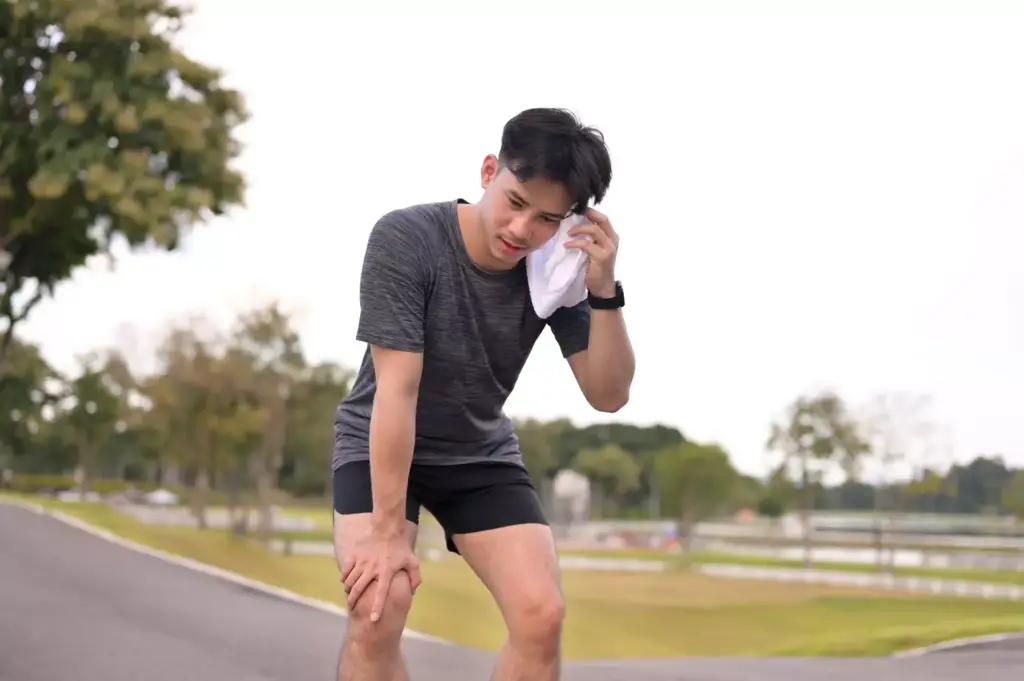
Dyspnea on exertion, or exertional shortness of breath, is when you find it hard to breathe when you’re active. It affects people differently, based on their health and fitness level.
The Sensation of Breathlessness During Activity
Feeling out of breath when you’re active can feel very different for everyone. LİV HOSPİTAL says dyspnea is when you feel like you can’t get enough air. It might feel like your chest is tight or you’re gasping for air. This feeling can be sudden or last a long time and gets worse with more activity.
Normal vs. Abnormal Breathing During Exercise
It’s important to know the difference between normal and abnormal breathing when you exercise. Normal breathing gets harder as you work out more but goes back to normal when you rest. But abnormal breathing stays hard even at low effort and doesn’t always go back to normal after resting. It might also come with other symptoms like chest pain or feeling dizzy.
| Characteristics | Normal Breathing | Abnormal Breathing |
|---|---|---|
| Effort | Breathing becomes more labored with increased exercise intensity | Breathing is labored even at low exercise intensity |
| Response to Rest | Returns to normal after resting | May not return to normal after resting |
| Associated Symptoms | None or minimal | May be accompanied by chest pain, dizziness, or wheezing |
Dyspnea on Exertion Meaning: Medical Definition and Terminology
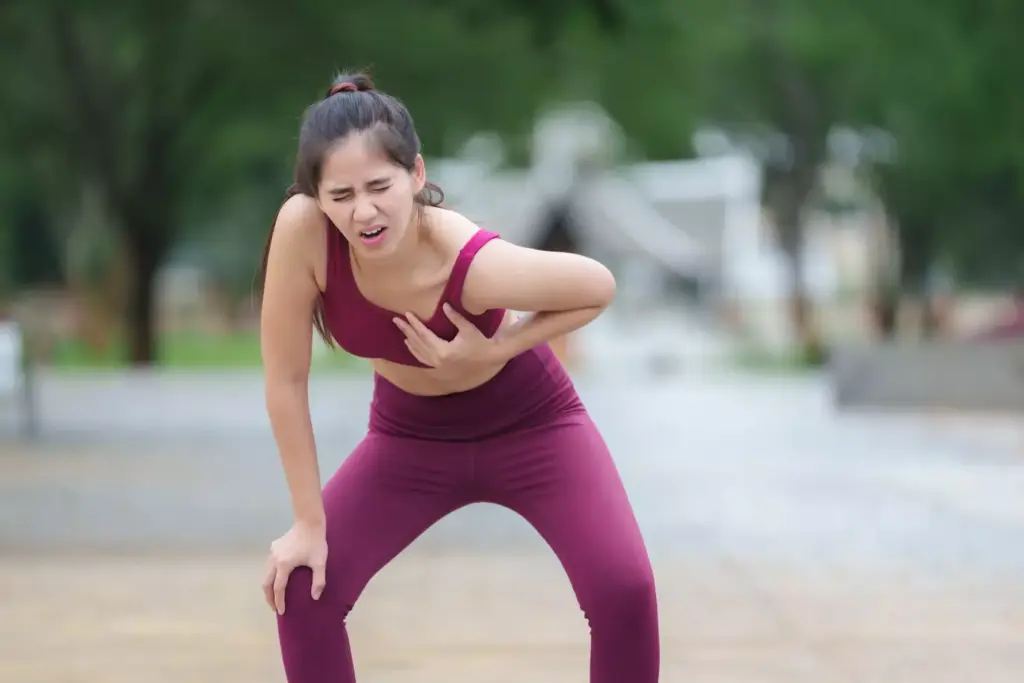
Dyspnea on exertion is when you feel short of breath when you’re active. It can make simple tasks hard. This condition affects many people’s lives.
Clinical Definition of Exertional Dyspnea
Exertional dyspnea is feeling breathless or hard to breathe when you’re active. Medical News Today says it’s linked to heart and lung problems.
This feeling can range from mild to very severe. Doctors need to understand this to help their patients.
How Medical Professionals Classify Breathing Difficulties
Doctors sort out breathing problems based on how bad they are. They use different scales to measure this. These include:
- The New York Heart Association (NYHA) Functional Classification
- The Medical Research Council (MRC) Dyspnea Scale
- The Borg Rating of Perceived Exertion (RPE) Scale
These tools help doctors see how bad the breathing problem is. For example, the NYHA helps doctors know how bad heart failure is.
Knowing about dyspnea on exertion helps doctors create better treatment plans. Accurate diagnosis is key to better health and a better life.
Physiological Mechanisms Behind Shortness of Breath During Activity
To understand shortness of breath during activity, we need to look at how our breathing changes. When we exercise, our muscles need more oxygen. Our body responds by making us breathe faster.
How Normal Breathing Works
Normal breathing is a complex process. It involves the lungs, diaphragm, and other muscles working together. At rest, our breathing is slow and deep, happening 12-20 times a minute.
The autonomic nervous system controls our breathing. It makes the diaphragm move up and down. This lets air in and out of the lungs. The oxygen then goes to our body’s tissues.
What Changes During Physical Exertion
When we exert ourselves, our body needs more oxygen. Our breathing gets faster to meet this need. Our respiratory muscles work harder to take in more oxygen.
Our heart also beats faster during exercise. This pumps more blood to our muscles. But it also strains our heart and lungs. This can cause shortness of breath, more so for those who don’t exercise often.
The University of Utah Health says dyspnea can come from many sources. “Dyspnea is a complex symptom that can arise from multiple physiological mechanisms, including respiratory, cardiac, and muscular factors.”
“Dyspnea is a complex symptom that can arise from multiple physiological mechanisms, including respiratory, cardiac, and muscular factors.”
| Physiological Change | Effect on Breathing |
|---|---|
| Increased oxygen demand | Increased breathing rate |
| Increased cardiac output | Increased blood flow to muscles |
| Respiratory muscle fatigue | Sensation of shortness of breath |
Understanding shortness of breath during activity helps us see how different factors work together. It’s caused by many things, like more oxygen needed, heart output, or muscle fatigue. Dyspnea on exertion is a symptom that needs attention and evaluation.
What Does Dyspnea on Exertion Mean?
Feeling short of breath when you’re active is a sign of dyspnea on exertion. This condition needs medical help. It’s when you feel breathless or have trouble breathing while doing physical activities.
Dyspnea on exertion is seen as a symptom, not a disease. It suggests there might be a health problem that needs fixing. Many health issues, like heart and lung diseases, can cause it.
The terms “dyspnea on exertion” and “exertional dyspnoea” mean the same thing. They describe feeling breathless upon exertion. Knowing what dyspnea on exertion is helps find the cause and get the right medical care.
Dyspnea on exertion shows up in different ways for everyone. Some feel it when they do hard activities like running. Others get breathless even when they’re just walking. Realizing how important dyspnea on exertion is helps manage its effects on daily life.
Understanding dyspnea on exertion means you can take steps to find and treat any underlying issues. It’s key for keeping healthy, even more so for those with heart or lung problems.
Prevalence and Demographics of Breathing Difficulties
Millions worldwide suffer from exertional dyspnea, which affects their daily life. It’s important to understand who is most affected. This knowledge helps in creating better health strategies for everyone.
Statistics on Dyspnea in the General Population
Recent studies show that 1 in 4 adults over 40 may face heart or lung issues. These issues lead to shortness of breath when exerting oneself. This highlights the big impact of dyspnea on older adults.
We’ve gathered data to show how common dyspnea on exertion is in different groups:
| Age Group | Prevalence of Dyspnea on Exertion |
|---|---|
| 40-59 years | 15% |
| 60-79 years | 25% |
| 80 years and above | 35% |
Risk Factors and Vulnerable Groups
Some groups face a higher risk of developing dyspnea on exertion. These include people with heart or lung diseases, obesity, or those who are not physically active.
Key risk factors for dyspnea on exertion include:
- Age over 40
- Smoking history
- Physical inactivity
- Obesity
- Pre-existing heart or lung conditions
Knowing who is at risk is key to early detection and treatment of dyspnea on exertion. Healthcare providers can then focus on helping these groups more effectively.
Cardiovascular Causes of Dyspnea on Exertion
Heart problems like heart failure and coronary artery disease often cause breathing issues when you’re active. We’ll look into how these heart issues lead to breathing problems during exercise.
Heart Failure and Cardiac Dysfunction
Heart failure happens when the heart can’t pump enough blood. This leads to fluid in the lungs, causing shortness of breath when you’re active. We’ll talk about the different types of heart failure and how they affect breathing.
Types of Heart Failure:
- Left-sided heart failure
- Right-sided heart failure
- Biventricular heart failure
Coronary Artery Disease
Coronary artery disease narrows or blocks the arteries that supply blood to the heart. This can reduce the heart’s function during exercise, causing shortness of breath. We’ll look at how coronary artery disease leads to breathing problems during activity.
Key factors contributing to coronary artery disease include:
- High blood pressure
- High cholesterol
- Smoking
- Diabetes
Valvular Heart Disease
Valvular heart disease affects the heart valves, disrupting blood flow. Conditions like aortic stenosis or mitral regurgitation can cause breathing issues during exercise. We’ll explore the different types of valvular heart disease and their impact on breathing.
Diagnosing and treating these heart conditions is key to reducing symptoms of shortness of breath. Understanding the causes helps doctors create better treatment plans for their patients.
Respiratory Conditions Leading to Exertional Shortness of Breath
Respiratory conditions are a big deal for millions worldwide. They affect how we breathe when we’re active. We’ll look at lung diseases and disorders that make breathing hard during exercise.
Chronic Obstructive Pulmonary Disease (COPD)
COPD is a lung disease that gets worse over time. It’s mainly caused by smoking, but also by pollution and genes. Symptoms include shortness of breath, wheezing, and chronic cough. People with COPD find it harder to breathe when they’re active because their lungs can’t get enough oxygen.
Asthma and Exercise-Induced Bronchoconstriction
Asthma is a long-term inflammation of the airways. It can cause wheezing, coughing, and shortness of breath. Exercise-induced bronchoconstriction (EIB) makes airways narrow during or after exercise, causing asthma-like symptoms. Proper management includes pre-exercise medication and avoiding triggers.
Interstitial Lung Diseases
Interstitial lung diseases (ILDs) are disorders that cause inflammation and scarring in lung tissue. This scarring makes it hard for lungs to exchange oxygen and carbon dioxide. Treatment depends on the specific type of ILD and may include medication and oxygen therapy.
Pulmonary Embolism
A pulmonary embolism happens when a blood clot blocks blood flow in the lungs. It can cause sudden and severe shortness of breath. Prompt medical attention is key for effective treatment, which usually involves anticoagulant medication.
Knowing about these respiratory conditions is key to managing shortness of breath during exercise. By finding and treating the cause, people can live better lives and do more physical activities.
Other Medical Causes of Breathing Difficulty During Exercise
Many medical issues can make it hard to breathe when you exercise. These include problems with the blood, body shape, and muscles. We’ll look at how anemia, obesity, and neuromuscular conditions can cause shortness of breath.
Anemia and Blood Disorders
Anemia means you don’t have enough red blood cells. These cells carry oxygen to your body’s tissues. When you exercise, your body needs more oxygen, but anemia makes it hard to get it. The University of Utah Health says anemia can cause breathing trouble when you’re active.
Key effects of anemia on exertion:
- Reduced oxygen delivery to muscles
- Increased fatigue
- Shortness of breath during physical activity
Obesity and Deconditioning
Being overweight can also make it hard to breathe when you exercise. Extra weight, like belly fat, can make it harder to breathe. If you’re not active, it can make breathing problems worse.
Here’s how obesity affects breathing during exercise:
| Factor | Effect on Breathing | Impact During Exercise |
|---|---|---|
| Excess body weight | Increased work of breathing | Enhanced dyspnea |
| Abdominal obesity | Impaired lung expansion | Increased shortness of breath |
| Deconditioning | Reduced physical fitness | Earlier onset of fatigue and dyspnea |
Neuromuscular Conditions
Diseases like muscular dystrophy and ALS can harm the muscles you use to breathe. This can lead to trouble breathing when you’re active. These conditions can weaken the diaphragm and other muscles needed for breathing.
Effects of neuromuscular conditions on breathing:
- Weakness of respiratory muscles
- Impaired lung expansion and contraction
- Increased risk of respiratory failure
In conclusion, many health issues can cause breathing problems when you exercise. Knowing about these conditions is key to getting the right treatment.
Diagnostic Approaches for Evaluating Dyspnea on Exertion
Diagnosing dyspnea on exertion requires a detailed process. It includes looking at medical history, physical exams, and special tests. We use different methods to find out why someone gets short of breath when they’re active.
Initial Medical Assessment
The first step is a detailed medical check-up. We take a close look at the patient’s medical history to find any past health issues. We also do a physical exam to check for heart or lung problems.
We ask about when the shortness of breath started, how long it lasts, and how bad it is. We also want to know what makes it better or worse. This helps us figure out what might be causing it and what tests we need next.
Pulmonary Function Tests
Pulmonary function tests (PFTs) are key for checking lung health. They measure how well the lungs work, including how much air they can hold and how well they exchange gases.
Some tests we use are:
- Spirometry: This measures how much air you can breathe in and out.
- Lung Volume Measurements: These show how big your lungs are and how much air they can hold.
- Diffusing Capacity: This test checks how well your lungs can move gases into your blood.
Cardiac Evaluation Methods
Checking the heart is important for finding heart-related causes of shortness of breath. We use different tests to see how well the heart works and what it looks like.
| Test | Description |
|---|---|
| Echocardiogram | This uses sound waves to create images of the heart and check its function. |
| Electrocardiogram (ECG) | It records the heart’s electrical activity to spot problems like irregular heartbeats or blockages. |
| Cardiac Stress Test | This test checks how the heart handles stress, usually by exercising or using medicine to raise the heart rate. |
Exercise Stress Testing
Exercise stress testing is a helpful tool for diagnosing shortness of breath. It tracks the heart’s activity and blood pressure while the person exercises, often on a treadmill or stationary bike.
This test shows how the heart reacts to exercise and can spot any issues that might be causing symptoms.
By combining these diagnostic steps, we can find the cause of shortness of breath during exercise. Then, we can create a treatment plan to help the patient.
Treatment Strategies for Managing Exertional Dyspnea
Understanding the causes of exertional dyspnea is key to effective treatment. We will look at various strategies to manage this condition. This can greatly improve the lives of those affected.
Addressing the Underlying Cause
The first step is to find and treat the cause of exertional dyspnea. This might include heart failure, COPD, or anemia. Treating the root cause can help reduce shortness of breath during activity.
Treatment Approaches:
- Managing heart conditions through medication and lifestyle changes
- Treating respiratory diseases with appropriate medications and therapies
- Addressing anemia through iron supplements or other treatments
Medication Options
Many medications can help with exertional dyspnea, depending on the cause. For COPD and asthma, bronchodilators and corticosteroids are often used. For heart conditions, beta-blockers and ACE inhibitors are prescribed.
| Condition | Medication | Purpose |
|---|---|---|
| COPD, Asthma | Bronchodilators, Corticosteroids | Relax airway muscles, reduce inflammation |
| Heart Failure | Beta-blockers, ACE inhibitors | Reduce heart workload, lower blood pressure |
| Anemia | Iron supplements | Increase red blood cell count |
Oxygen Therapy
Oxygen therapy is helpful for severe respiratory or cardiac conditions. It increases blood oxygen levels, reducing shortness of breath during activity.
Pulmonary Rehabilitation
Pulmonary rehabilitation is a program for chronic lung diseases. It includes exercise, education, and support. This can improve health and reduce symptoms.
Components of Pulmonary Rehabilitation:
- Exercise training to improve endurance
- Breathing techniques and strategies
- Education on managing lung disease
- Nutritional counseling
Combining these strategies can lead to significant symptom improvement. It can greatly enhance the quality of life for those with exertional dyspnea.
Lifestyle Modifications and Prevention Strategies
To manage dyspnea on exertion, making lifestyle changes is key. By changing our daily habits and environment, we can lessen dyspnea symptoms.
Exercise Recommendations for People with Dyspnea
Exercise is vital for managing dyspnea on exertion. Regular physical activity boosts heart health and endurance. Start with low-intensity activities like walking or swimming and gradually increase the intensity.
Adding breathing exercises to your routine is also beneficial. Techniques like diaphragmatic breathing can enhance lung function and respiratory health.
Breathing Techniques and Strategies
Breathing techniques are essential for managing dyspnea on exertion. Paced breathing and diaphragmatic breathing help manage breathing during physical activity.
- Paced breathing involves slow, deep breaths to regulate breathing.
- Diaphragmatic breathing uses the diaphragm to improve lung expansion and respiratory efficiency.
Nutritional Considerations
Eating a balanced diet is vital for health and managing dyspnea on exertion. Nutritional considerations include staying hydrated and eating fruits and vegetables. Avoid foods that can trigger or worsen respiratory issues.
| Nutritional Element | Benefit |
|---|---|
| Hydration | Helps maintain respiratory function and overall health |
| Fruits and Vegetables | Rich in antioxidants and essential nutrients |
| Avoiding Trigger Foods | Reduces the risk of exacerbating respiratory issues |
Smoking Cessation and Environmental Factors
Quitting smoking is a critical step in managing dyspnea on exertion. Stopping smoking improves respiratory health and overall well-being. Also, avoiding environmental pollutants and irritants can reduce dyspnea symptoms.
By adopting these lifestyle changes and prevention strategies, individuals can manage dyspnea on exertion better and improve their quality of life.
Conclusion: Living with and Managing Dyspnea on Exertion
Understanding and managing dyspnea on exertion is key to a better life for those who face it. We’ve looked into what dyspnea on exertion is, how it works, and why it happens. This includes its definition, how it affects the body, and its possible causes.
We’ve also talked about how to diagnose and treat it. By finding and fixing the root cause and making lifestyle changes, people can handle their symptoms better. This helps them feel better overall.
At Liv Hospital, we aim to give top-notch healthcare to international patients. Our team creates custom treatment plans for each patient. This ensures they get the care and support they need to manage their dyspnea on exertion well.
By teaming up with healthcare experts and making smart lifestyle choices, people can manage dyspnea on exertion. This improves their quality of life greatly.
What is dyspnea on exertion?
Dyspnea on exertion is when you feel hard to breathe or short of breath while moving or exercising. It can point to many health problems.
What causes dyspnea on exertion?
Many things can cause it, like heart problems like heart failure or coronary artery disease. Also, lung issues like COPD, asthma, or pulmonary embolism can cause it too.
How is dyspnea on exertion diagnosed?
Doctors use many steps to find out why you’re feeling this way. They look at your health history, do a physical check, and run tests. They might also do an exercise test to see what’s going on.
What are the treatment options for managing dyspnea on exertion?
Doctors can treat it by fixing the root cause, using medicines, and oxygen therapy. They might also suggest exercise, breathing exercises, and healthy eating. Quitting smoking is also key.
Can dyspnea on exertion be prevented?
Some causes can’t be stopped, but living healthy can help. Eating right, exercising, and not smoking can lower your risk.
How can I manage dyspnea on exertion?
It’s about treating it, making lifestyle changes, and managing it yourself. Follow your doctor’s plan, stay active but not too much, use breathing exercises, and eat well.
What is the significance of understanding dyspnea on exertion?
Knowing about it helps find health problems early and get the right treatment. It improves your life quality. It’s about recognizing symptoms and getting help when needed.
What does exertional dyspnea mean?
Exertional dyspnea is another name for feeling hard to breathe when you’re active or exercising.
Is shortness of breath upon exertion a normal response?
It’s normal to breathe harder when you exercise. But, if it’s too hard or feels wrong, it might be a sign of a health issue. It’s important to know the difference.
References
-
- Medical News Today. (n.d.). Dyspnea on exertion: Definition, causes, treatment, and more. Retrieved from https://www.medicalnewstoday.com/articles/dyspnea-on-exertion Medical News Today
- Healthline. (n.d.). Shortness of breath on exertion. Retrieved from https://www.healthline.com/health/shortness-of-breath-on-exertion Healthline
- MD Searchlight. (n.d.). Dyspnea on exertion. Retrieved from https://mdsearchlight.com/lung-disease-respiratory-health/dyspnea-on-exertion MD Searchlight
- Hashmi, M. F. (2023). Dyspnea. In NCBI Bookshelf. Retrieved from https://www.ncbi.nlm.nih.gov/books/NBK499965/ NCBI



 Departments
 Related Videos
 Our Doctors
 News
News