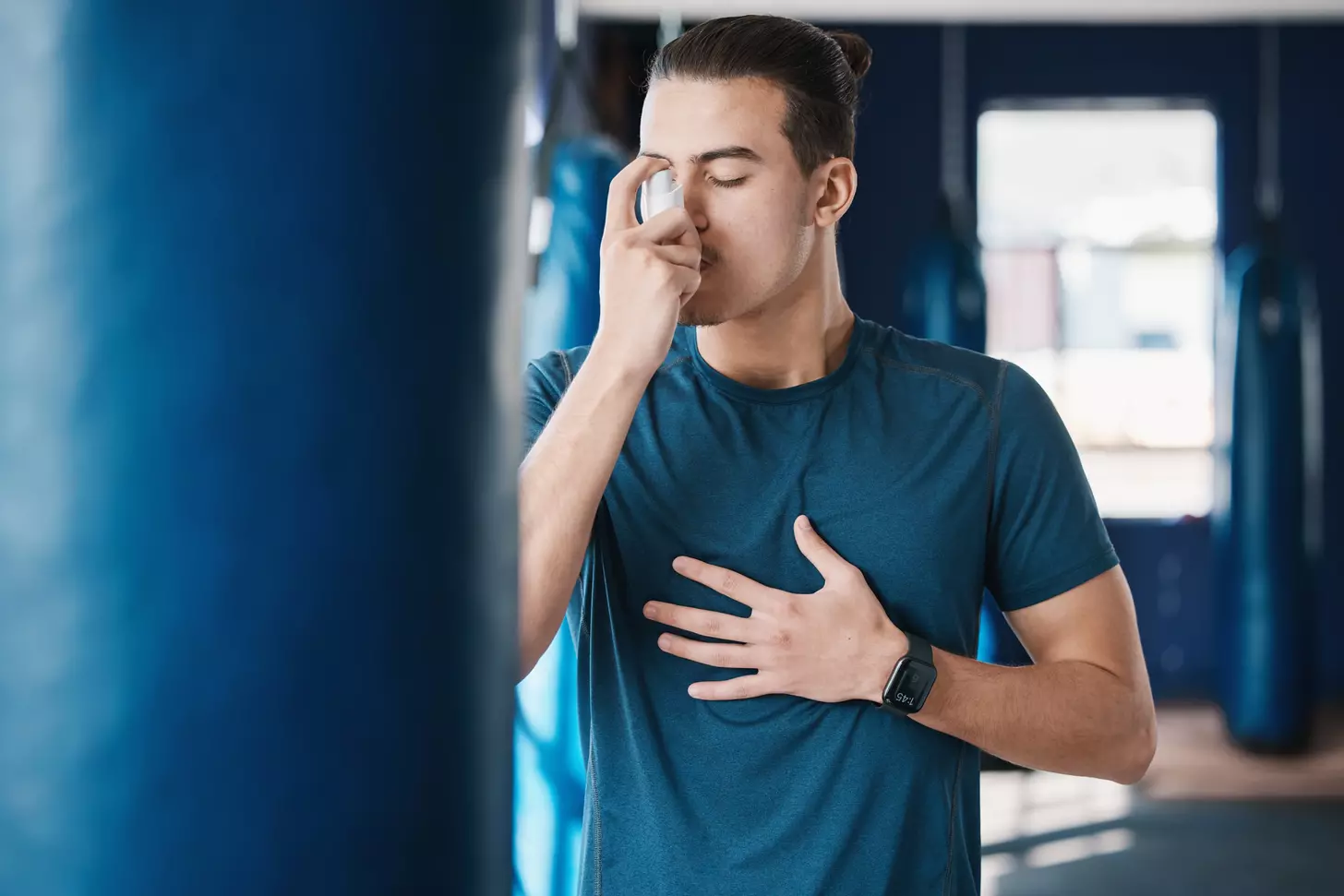
Feeling breathless even with mild activity is common. Dyspnea on exertion, or shortness of breath during physical activity, can signal health issues. At Liv Hospital, we focus on addressing this symptom with a detailed and patient-centered approach.
Dyspnea on exertion is when you feel uncomfortable breathing during effort. It’s hard to breathe or feel like you can’t breathe fast or deep enough during exercise.
Understanding dyspnea of exertion is key for managing and treating it. Our team at Liv Hospital is dedicated to top-notch healthcare. We offer complete support for international patients.
Key Takeaways
- Dyspnea on exertion is a symptom that can indicate underlying health issues.
- It is characterized by shortness of breath during physical activity.
- Liv Hospital offers a thorough approach to managing dyspnea on exertion.
- Understanding the causes is vital for effective treatment.
- Our team is committed to providing world-class care for international patients.
Understanding Dyspnea on Exertion

Dyspnea on exertion is when you find it hard to breathe while doing physical activities. It can be mild or severe and often points to health problems.
Definition and Medical Terminology
Dyspnea is what a person feels when they can’t breathe well. It’s serious if it happens during activities that most people can handle. The term “dyspnea on exertion” describes breathing trouble during physical effort. Knowing the medical terms helps understand the condition better.
For those with dyspnea with exertion, it can be very upsetting. It might mean there’s a health issue that needs doctor’s care.
Prevalence and Significance
Dyspnea on exertion is a common sign of health problems, like heart or lung issues. For example, it can be linked to dyspnea on exertion caused by heart or lung problems. How common it is varies, but it often means there’s a health issue.
Feeling difficulty breathing on exertion can really affect your life. It’s important to know why it happens and what it means.
The Physiology of Normal and Abnormal Breathing During Exercise
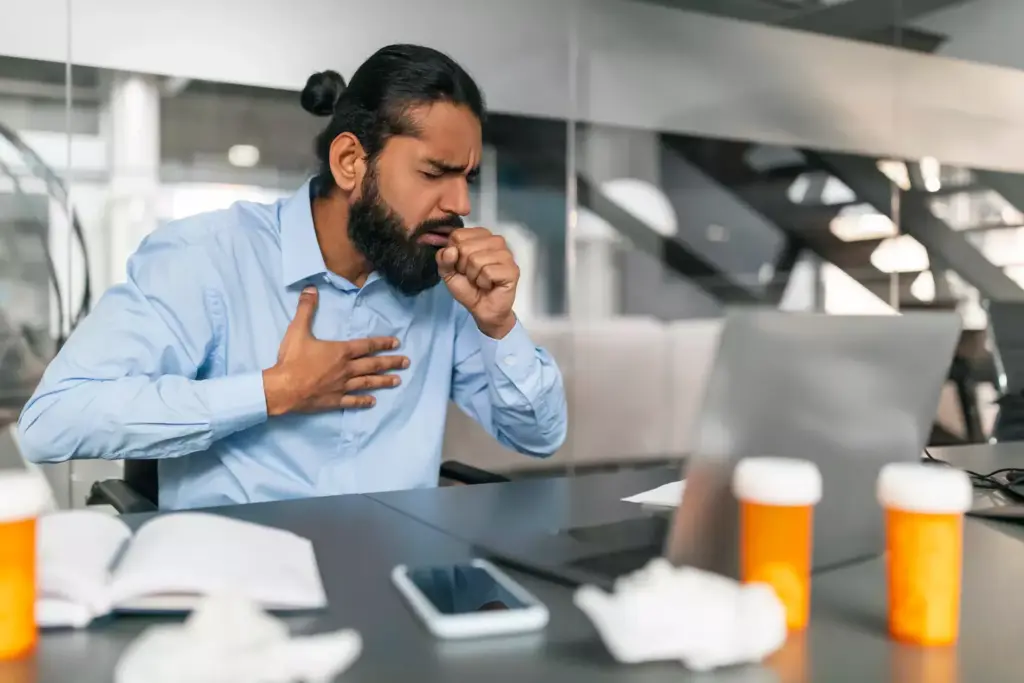
When we exercise, our breathing system gets better at getting oxygen to our muscles. But, if it doesn’t work right, we might feel dyspnea on exertion.
Some people get a bit breathless when they work out hard. But how much breathlessness varies. It depends on things like age, sex, weight, fitness level, and how motivated we are.
How Respiratory System Responds to Physical Activity
Our body needs more oxygen when we’re active. So, our heart and lungs work harder. The brain controls how fast and deep we breathe, based on oxygen, carbon dioxide, and pH levels in our blood.
This helps us take in more oxygen and get rid of more carbon dioxide. It supports our muscles when they’re working hard. In healthy people, breathing gets better to match the effort of exercise.
Pathophysiological Mechanisms of Exertional Dyspnea
But, some people with exertional dyspnea face problems that affect their breathing during exercise. These issues can be in the lungs, heart, or other parts of the body. They make it hard to get enough oxygen or get rid of carbon dioxide when we’re active.
For example, diseases like COPD or heart failure can really limit how well our body responds to exercise. This leads to feeling breathless.
It’s key to understand these problems to figure out why someone feels dyspnea on exertion. This is why a full medical check-up is important for those who have this symptom.
Recognizing Symptoms of Dyspnea with Exertion
Dyspnea on exertion can feel different for everyone. It’s important to know how to spot the signs. This condition makes you feel short of breath when you’re active.
Common Descriptions and Patient Experiences
People with dyspnea might say they feel short of breath or have trouble breathing. They might even feel like they’re suffocating. These feelings can tell us a lot about their health.
Common reasons for dyspnea include cardiovascular diseases and pulmonary conditions like asthma or COPD. It can also happen if your body doesn’t get enough oxygen, like with anemia.
Doctors need to understand these descriptions to help their patients. For example, heart problems can make it hard for the heart to get enough oxygen when you exercise.
Measuring Severity of Breathlessness
It’s key to measure how bad the breathlessness is. Doctors use scales like the Borg Scale or the Medical Research Council (MRC) Dyspnea Scale. These tools help them see how much dyspnea affects your life and how well you can exercise.
By knowing how severe the dyspnea is, doctors can create better treatment plans. This might mean managing asthma or COPD, or improving heart health.
Cardiovascular Causes of Exertional Shortness of Breath
Cardiovascular diseases are a big worry when it comes to shortness of breath during exercise. These diseases affect millions of people worldwide. We will look at heart failure, coronary artery disease, and valvular heart disease as causes of exertional shortness of breath.
Heart Failure and Cardiac Dysfunction
Heart failure means the heart can’t pump enough blood. This makes it hard to breathe when you’re active. Cardiac dysfunction can come from high blood pressure, diabetes, and coronary artery disease.
Studies show that shortness of breath during exercise can be a sign of serious health issues. Even if you don’t have known heart or lung disease, it’s a warning sign.
Coronary Artery Disease
Coronary artery disease happens when the heart’s blood supply gets blocked. This can cause shortness of breath during exercise. It’s a big risk for heart attacks and other heart problems.
Symptoms of CAD can be different, but often include chest pain and shortness of breath when you’re active. Finding and treating CAD early can make a big difference.
Valvular Heart Disease
Valvular heart disease affects the heart valves, leading to blood flow problems. Stenosis or regurgitation makes the heart work harder, causing shortness of breath during exercise.
| Condition | Description | Symptoms |
|---|---|---|
| Heart Failure | Inability of the heart to pump enough blood | Dyspnea on exertion, fatigue |
| Coronary Artery Disease | Narrowing or blockage of coronary arteries | Angina, dyspnea on exertion |
| Valvular Heart Disease | Dysfunction of heart valves | Dyspnea, palpitations, chest pain |
It’s key to know the heart-related reasons for shortness of breath during exercise. This helps doctors give the right treatment. By finding the cause, they can make a plan to help you feel better.
Pulmonary Conditions Leading to Dyspnea on Exertion
Pulmonary conditions like COPD, asthma, and interstitial lung diseases can cause breathing trouble. These issues affect the lungs and airways, making it hard to breathe when active. We’ll look at how these conditions impact breathing and health.
Chronic Obstructive Pulmonary Disease (COPD)
COPD is a lung disease that gets worse over time. It’s caused by smoking, lung irritants, and some genes. Symptoms include shortness of breath, wheezing, and a chronic cough.
Key Features of COPD:
- Airflow limitation
- Chronic inflammation
- Exacerbations
| COPD Stage | Characteristics | Symptoms |
|---|---|---|
| Mild | Minimal airflow limitation | Occasional shortness of breath |
| Moderate | Noticeable airflow limitation | Wheezing, chronic cough |
| Severe | Significant airflow limitation | Frequent exacerbations, significant shortness of breath |
Asthma and Exercise-Induced Bronchoconstriction
Asthma is a chronic airway disease that causes wheezing, coughing, and shortness of breath. Exercise-induced bronchoconstriction (EIB) is when airways narrow during or after exercise, often linked to asthma.
Management of Asthma and EIB:
- Use of inhalers
- Avoiding triggers
- Monitoring lung function
Interstitial Lung Diseases
Interstitial lung diseases (ILDs) affect the tissue and space around lung air sacs. They can cause scarring and inflammation, leading to breathing trouble during exertion.
Common Types of ILDs:
- Idiopathic pulmonary fibrosis
- Sarcoidosis
- Connective tissue disease-associated ILD
Understanding these pulmonary conditions is key to managing breathing trouble. Accurate diagnosis and proper treatment can greatly improve life quality for those affected.
Other Medical Causes of Breathless Upon Exertion
Heart and lung issues are common, but other medical factors can also cause breathlessness. Knowing these causes is key for proper diagnosis and treatment.
Anemia and Reduced Oxygen Transport
Anemia is a big reason for feeling out of breath when you’re active. It happens when the blood doesn’t have enough red blood cells or hemoglobin. This makes it hard for the body to get enough oxygen, leading to breathlessness.
Treatment of anemia can help a lot. This might include iron supplements, changing your diet, or finding and treating the cause of anemia. These steps can make it easier to exercise.
Obesity and Deconditioning
Being overweight can also make it hard to breathe when you’re active. It puts extra stress on your heart and lungs. Plus, being out of shape, or deconditioned, can make it even harder to breathe.
Weight management is important. This means eating right and exercising. Physical conditioning programs can also help. They improve your health and make it easier to breathe when you’re active.
Neuromuscular and Psychological Factors
Some diseases, like muscular dystrophy, can affect breathing muscles. This can cause breathlessness. Also, anxiety or panic can make you feel like you can’t breathe when you’re active.
Dealing with these issues needs a team effort. This includes physical therapy, counseling, and sometimes medicine. These steps help manage symptoms and improve life quality.
Understanding and treating all these causes of breathlessness is important. It helps healthcare providers give better care. This improves patient outcomes and quality of life.
When Dyspnea Exercise Intolerance Becomes Concerning
It’s normal to feel short of breath when we’re really active. But if this feeling doesn’t go away, it’s a sign to worry. Dyspnea on exertion, or shortness of breath when we exercise, can happen to anyone. Yet, some signs might mean there’s a serious problem.
Warning Signs That Require Medical Attention
Knowing when to see a doctor is key. If you suddenly or severely feel out of breath, it’s urgent. Add chest pain, dizziness, or nausea to the mix, and it’s even more serious. These symptoms could point to heart or lung issues.
- Chest pain or discomfort during exercise
- Dizziness or lightheadedness
- Severe or sudden onset of dyspnea
- Nausea or vomiting
- Palpitations or irregular heartbeat
These signs might mean you have heart failure, coronary artery disease, or COPD. Spotting them early and getting medical help is vital. It helps manage and treat the problem quickly.
Prognostic Implications
The outlook for dyspnea on exertion depends on the cause. For heart failure patients, it’s a bad sign. For those with COPD, it means worse health and higher risk of death.
| Condition | Prognostic Implication |
|---|---|
| Heart Failure | Poor prognosis, increased mortality |
| COPD | Increased morbidity and mortality |
| Coronary Artery Disease | Increased risk of cardiac events |
A study in a top medical journal found a link. Exertional dyspnea in heart disease patients raises the risk of bad outcomes. This shows why it’s so important to get checked out and treated right away.
“The presence of exertional dyspnea in patients with cardiovascular disease is associated with a higher risk of adverse outcomes.”
If you’re worried about your symptoms, don’t hesitate to see a doctor. Catching and treating the cause early can make a big difference. It can help you feel better and live longer.
Diagnostic Approach to Dyspnea of Exertion
When patients have trouble breathing when they exert themselves, we need to find the cause. At Liv Hospital, we aim for the best care and use the latest methods. This means we do a detailed check to find out why.
Initial Evaluation
We start by looking at the patient’s medical history and doing a physical check. Understanding their symptoms, past health, and lifestyle helps us guess what might be wrong. We also use scales to see how bad their breathing is.
A thorough check might show signs of heart or lung problems. For example, swelling in the legs or neck could mean heart failure. Or, wheezing might point to COPD or asthma.
Specialized Testing
To really understand why patients have trouble breathing, we use special tests. Cardiopulmonary exercise testing (CPET) shows how well they can exercise. It helps us figure out what’s going on.
We also do echocardiography, pulmonary function tests (PFTs), and electrocardiography (ECG). These tests check the heart, lungs, and heart rhythm.
Advanced Diagnostic Procedures
Sometimes, we need more detailed tests to find the exact problem. High-resolution computed tomography (HRCT) scans give us clear pictures of the lungs. This helps us spot lung diseases.
We might also do cardiac catheterization to check the heart. These tests help us make a plan just for the patient.
Our detailed approach helps us find the cause of breathing trouble. Then, we can make a plan to help them. This is part of our goal to offer top-notch care to everyone, including international patients.
Conclusion: Management Strategies and Treatment Options
Managing dyspnea on exertion needs a full approach. It must tackle the root cause and boost the patient’s life quality. At Liv Hospital, we focus on giving each patient personal care and support.
What works for one patient might not work for another. Treatment can range from medicines to lifestyle changes. For example, heart failure patients might get drugs to reduce fluid and improve heart function. Those with COPD might need bronchodilators and pulmonary rehab.
We make treatment plans that fit each patient’s needs. We use the newest methods in treating dyspnea on exertion. This way, we help patients do better in exercise and feel better overall.
What is dyspnea on exertion?
Dyspnea on exertion is when you feel hard to breathe or short of breath while doing physical activities.
What are the common causes of exertional dyspnea?
Many things can cause exertional dyspnea. These include heart problems, lung diseases, and even being overweight. Other causes include muscle or mental health issues.
How is the severity of breathlessness measured?
To measure how bad breathlessness is, doctors use scales like the Borg Scale. These tools help figure out how much it affects your daily life.
When should I seek medical attention for dyspnea on exertion?
If you suddenly feel very short of breath or have chest pain, get help right away. Also, if your breathing problems get worse or stop you from doing things, see a doctor.
What diagnostic tests are used to evaluate dyspnea on exertion?
Doctors use tests like ECGs and chest X-rays to check for dyspnea. They might also do stress tests or other special tests to find the cause.
How is dyspnea on exertion treated?
Treatment depends on what’s causing the problem. It might include changing your lifestyle, taking medicine, or going to pulmonary rehab. The goal is to make you feel better and live better.
Can dyspnea on exertion be a sign of a serious underlying condition?
Yes, it can be a sign of serious issues like heart failure or COPD. These need quick medical help and careful management.
What is the difference between dyspnea on exertion and shortness of breath at rest?
Dyspnea on exertion happens when you’re active. Shortness of breath at rest means you’re not moving but can’t breathe well. This might mean a bigger problem.
How can I manage dyspnea on exertion?
To manage it, find and treat the cause, make lifestyle changes, and follow a doctor’s plan. This can help you feel better and live better.
References
- Medical News Today. (n.d.). Dyspnea on exertion: Definition, causes, treatment, and more. Retrieved from https://www.medicalnewstoday.com/articles/dyspnea-on-exertion Medical News Today
- MD Searchlight. (n.d.). Dyspnea on Exertion. Retrieved from https://mdsearchlight.com/lung-disease-respiratory-health/dyspnea-on-exertion/ MD Searchlight
- V. M. Paris, et al. (2019?). Dyspnea on exertion is an independent predictor of mortality in patients with no baseline cardiovascular or respiratory disease. European Heart Journal, 41(Suppl_2), ehaa946.3084/6002330. https://academic.oup.com/eurheartj/article/41/Supplement_2/ehaa946.30846002330 OUP Academic
- “Dyspnea on Exertion: Is It the Heart or the Lungs?” (n.d.). JAMA (The Journal of the American Medical Association). Retrieved from https://jamanetwork.com/journals/jama/fullarticle/379021 JAMA Network
- Healthline. (n.d.). What You Should Know About Shortness of Breath on Exertion. Retrieved from https://www.healthline.com/health/shortness-of-breath-on-exertion healthline.com