
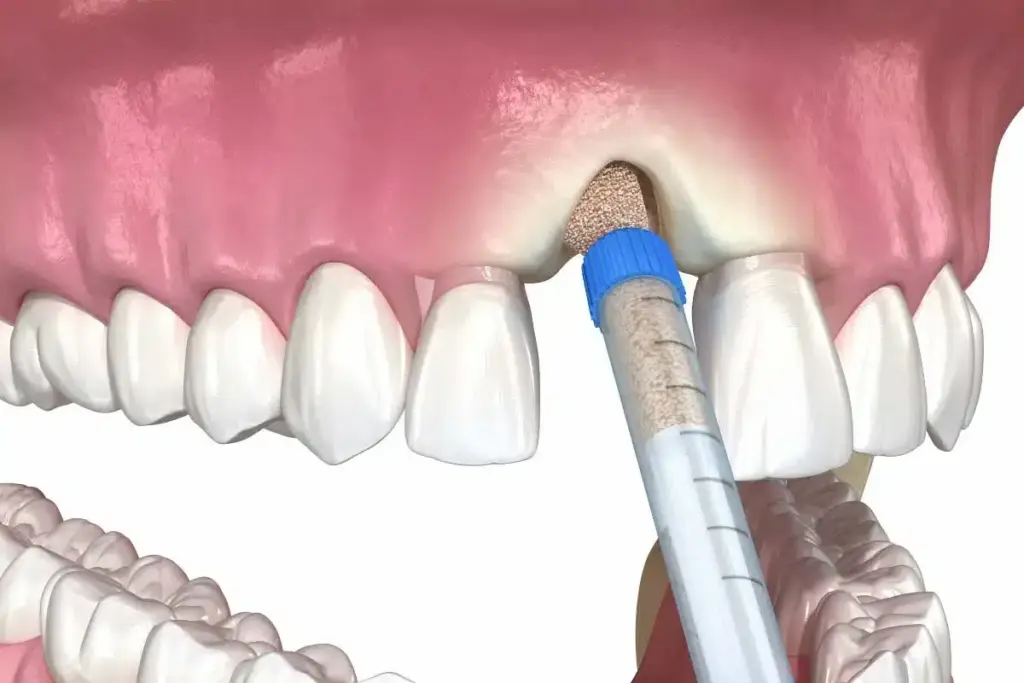
Knowing what a graft is is key for those facing reconstructive surgery. It’s about moving healthy tissue to fix or replace damaged body parts. This brings hope and healing to those with severe burns, injuries, or diseases.
Dictionary.com says “graft” means moving living tissue in surgery. This can be the patient’s own tissue, tissue from another person, or even animal tissue.
We’ll look into how grafting helps in healthcare. It’s used for skin grafts on burns, bone grafts for dental implants, and for heart disease through coronary artery bypass grafting.
Key Takeaways
- A graft is a surgical procedure involving the transplantation of healthy tissue.
- Grafting can involve using the patient’s own tissue, a donor’s tissue, or animal-derived tissue.
- It is used in various medical applications, including reconstructive surgery and tissue replacement.
- Grafting offers a transformative solution for patients dealing with severe injuries or diseases.
- Understanding grafting is essential for patients undergoing reconstructive surgery or tissue replacement procedures.
What Does Graft Mean in Medical Context?
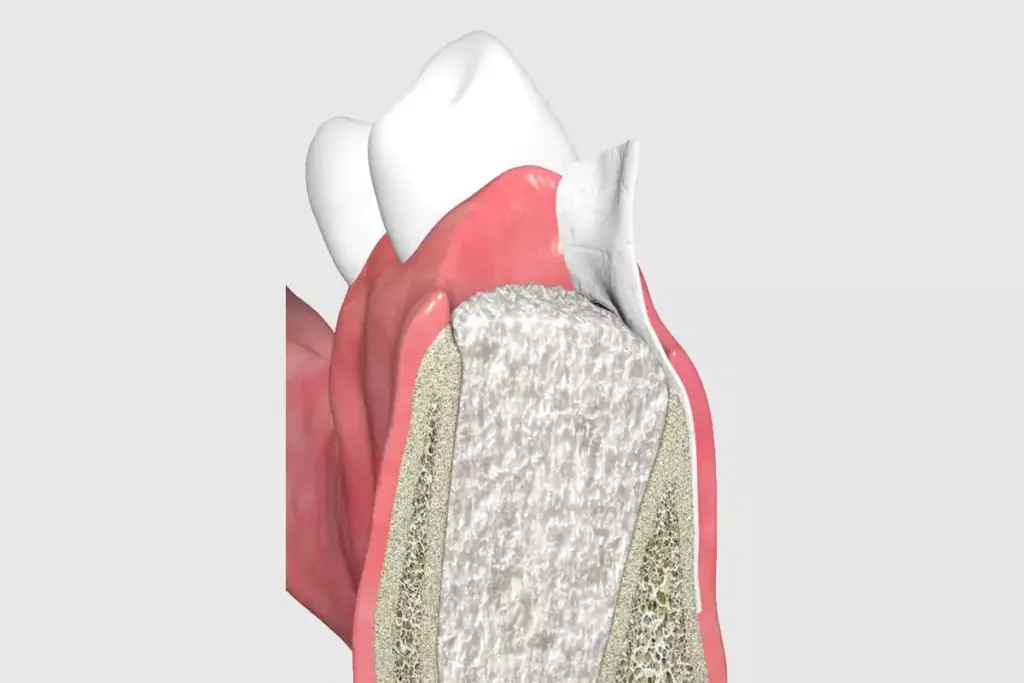
In medicine, grafting means moving healthy tissue to a damaged area. This is key for treating many health issues, like burns, fractures, and heart disease. The tissue is attached to the damaged area, where it grows and blends with the surrounding tissue.
Surgical Definition of Grafting
In surgery, grafting is moving tissue from one part of the body to another or from a donor. The Oxford Advanced American Dictionary says “graft” means “to take a piece of skin, bone, etc. from a living body and attach it to a damaged part.” This shows the need for careful and precise grafting.
We do grafting surgeries to fix damaged tissues, bring back function, and better patients’ lives. The surgery needs careful planning, exact execution, and after-care to make sure the graft works well.
Biological Process Behind Grafting
The grafting process involves growing new tissue and creating a new blood supply. When tissue is grafted, it doesn’t have its original blood supply. But, a new blood supply grows into the tissue over time, helping it heal.
The type of graft used can be different; it can be an autograft (using the patient’s own tissue), an allograft (using tissue from a human donor), or a xenograft (using tissue from an animal). Each has its own benefits and drawbacks, and the choice depends on the medical need and the patient.
Types of Grafts and Their Applications
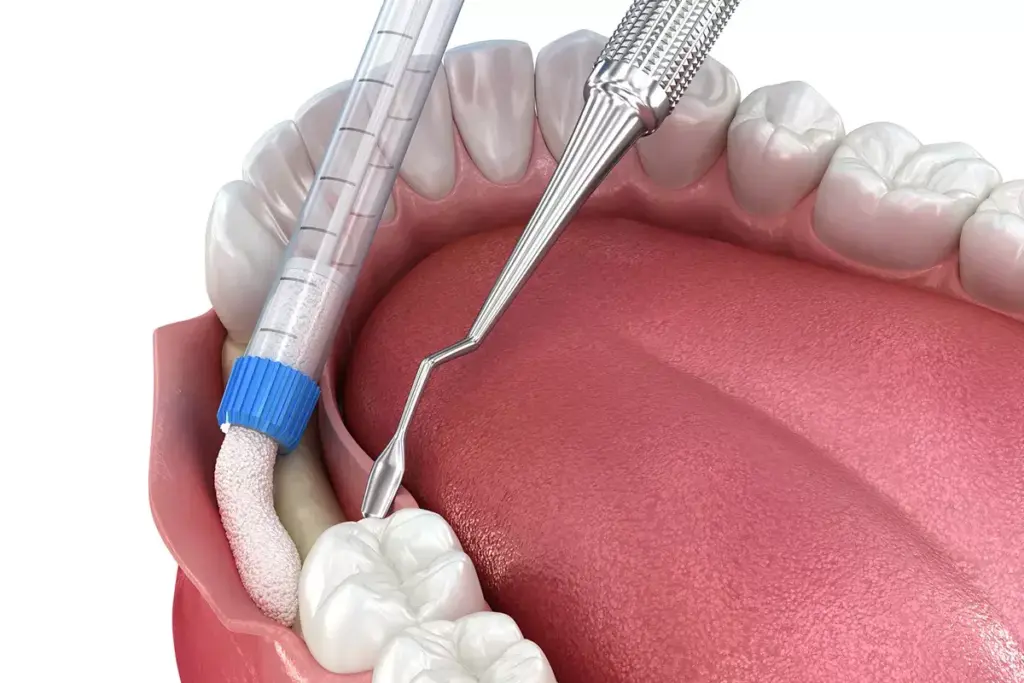
Grafting is a surgery that moves tissue from one part of the body to another or from a donor. The choice of graft depends on the medical condition, the patient’s health, and the surgeon’s opinion.
Autografts: Using Your Own Tissue
An autograft uses the patient’s own tissue. It’s the best choice because it lowers the chance of rejection and heals faster. Autografts are used for skin grafting on burns and wounds, bone grafting for dental implants and fractures, and ligament grafting for knee repairs.
A study on NCBI shows autografts work well in surgeries. They are biocompatible and have fewer complications.
Allografts: Tissue from Human Donors
Allografts use tissue from donors. They are chosen when autografts aren’t possible or more tissue is needed. Allografts are used in orthopedic, cardiovascular, and dermatology surgeries. Though they have a higher rejection risk, screening and processing reduce this.
Doctors say allografts are a good option when autografts can’t be used. They open up more possibilities for complex surgeries.
Xenografts: Tissue from Animal Sources
Xenografts use animal tissue. They are used when human tissue isn’t available. Xenografts help with severe burns and some heart surgeries. They carry a higher risk of rejection and animal diseases, but can be lifesaving.
“The use of xenografts can provide a temporary solution for patients with severe burns, allowing for wound coverage and reducing the risk of infection until an autograft can be performed.”
Here’s a quick look at the different grafts and their uses:
| Type of Graft | Source of Tissue | Common Applications |
| Autograft | Patient’s own tissue | Skin grafting, bone grafting, ligament grafting |
| Allograft | Human donor tissue | Orthopedic surgery, cardiovascular surgery, dermatology |
| Xenograft | Animal tissue | Severe burns, certain cardiac surgeries |
In conclusion, knowing about grafts is key for doctors and patients. Understanding the pros and cons of each type helps make better treatment choices.
Conclusion
Grafting is a complex medical technique. It involves transplanting healthy tissue to fix or replace damaged tissue. We’ve looked at different graft types, like autografts, allografts, and xenografts. We’ve also seen how they’re used in many medical situations.
Grafting is key because it helps fix and heal different parts of the body. By understanding grafting, we see its value in treating many health issues.
The graft meaning goes beyond just surgery. It also covers the biological process behind it. Grafting can greatly improve patient outcomes and life quality. This makes it a critical part of today’s healthcare.
To sum up, grafting is a vital and flexible medical technique. It has changed how we treat many health problems. Its uses keep growing, giving hope to patients all over the world.
FAQ
What is a graft?
A graft is a surgical method where healthy tissue is moved to fix or replace damaged tissue.
What are the different types of grafts?
There are three main graft types: autografts, allografts, and xenografts. Autografts use the patient’s own tissue. Allografts come from another person. Xenografts come from animals.
What is autografting?
Autografting uses the patient’s own tissue. This reduces the chance of rejection. It’s often used in skin and bone grafts.
What is the biological process behind grafting?
The grafting process starts with tissue regeneration and a new blood supply. This helps the grafted tissue blend with the surrounding tissue and heal.
What are the advantages and disadvantages of allografts?
Allografts come from human donors. They’re available and versatile. But, there’s a risk of rejection and disease transmission.
When are xenografts used?
Xenografts use animal tissue. They’re used temporarily or in specific medical cases, like skin grafts for burns.
What are the applications of grafting in medicine?
Grafting is used in many medical areas. It helps with orthopedic, cardiovascular, and dermatology issues. It treats burns, fractures, and heart disease.
What does graft mean in a medical context?
In medicine, grafting means transplanting healthy tissue to fix or replace damaged tissue. It helps with healing and tissue growth.
What is grafting used for?
Grafting treats various medical issues. It’s used for burns, fractures, and heart disease. It transplants healthy tissue to repair damaged areas.
What is the definition of grafting?
Grafting is a complex medical technique. It involves transplanting healthy tissue to fix or replace damaged tissue. This promotes healing and tissue growth.
World Health Organization. Evidence-Based Medical Guidance. Retrieved from
https://www.who.int/news-room/fact-sheets/detail/burns



 Departments
 Related Videos
 Our Doctors
 News
News