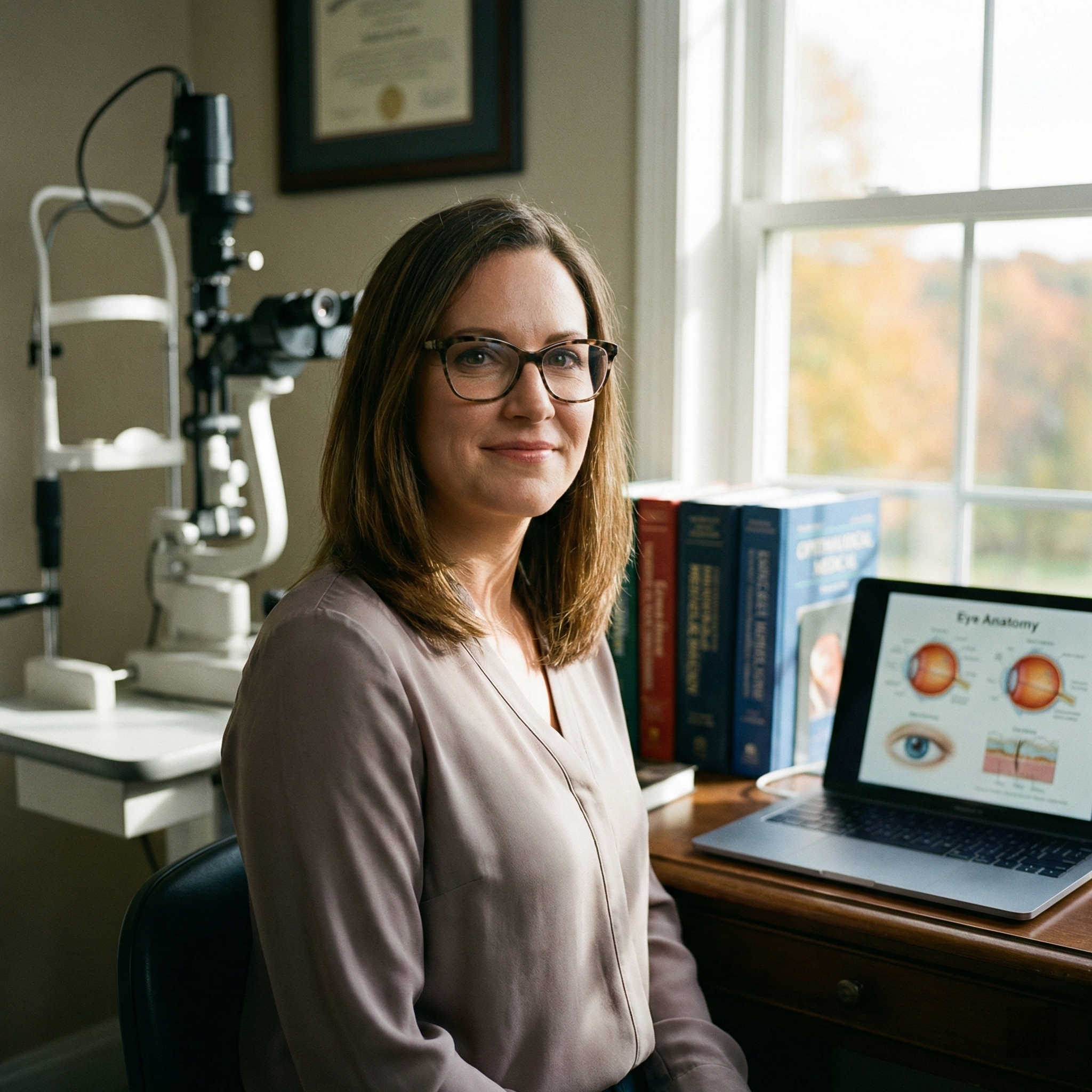
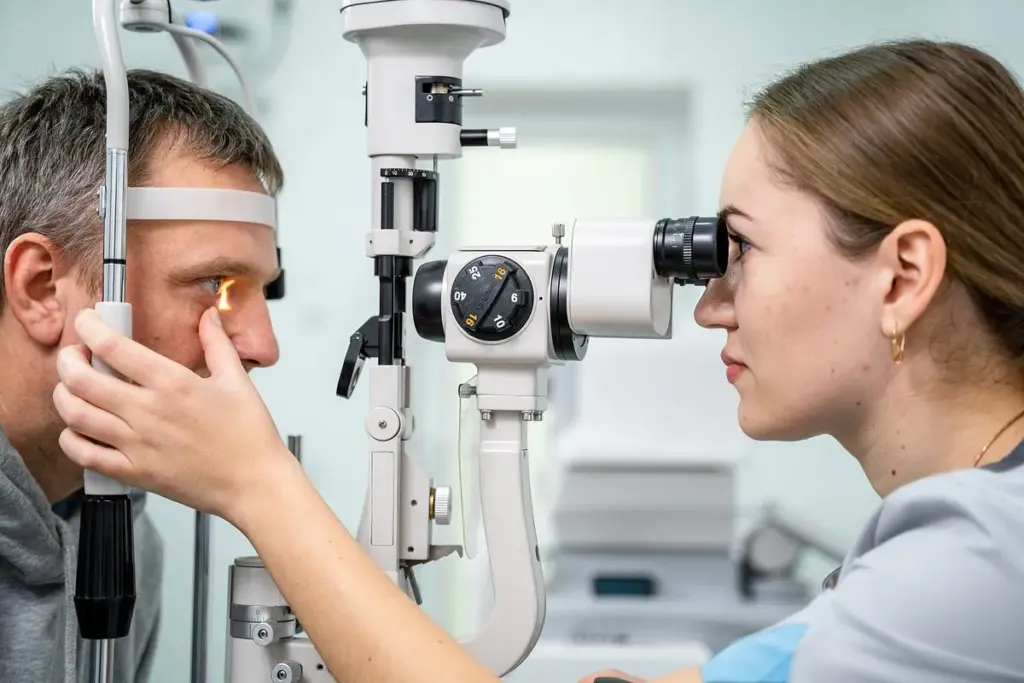
Ophthalmology is a branch of medicine that focuses on eye diseases and disorders. Our eyes are essential for seeing the world, connecting with others, and enjoying life. As we get older or our vision changes, knowing about ophthalmology is key to keeping our quality of life.
Ophthalmology offers many services, from simple eye exams to complex surgeries. At places like Liv Hospital, they combine the latest medical knowledge with caring for patients. This ensures your eyes and vision get the best care.
Keeping our eyes healthy is very important, and ophthalmology is at the heart of this. Ophthalmologists give detailed care to help patients keep their vision and stay healthy.
Key Takeaways
- Ophthalmology is a medical specialty that deals with eye diseases and disorders.
- It encompasses a wide range of services, including routine eye exams and complex surgical procedures.
- Understanding ophthalmology is vital for preserving quality of life.
- Institutions like Liv Hospital provide patient-centered care, blending academic protocols with compassionate attention.
- Ophthalmologists play a vital role in maintaining eye health and preserving vision.
What Does Ophthalmology Mean: The Study of Eye Medicine
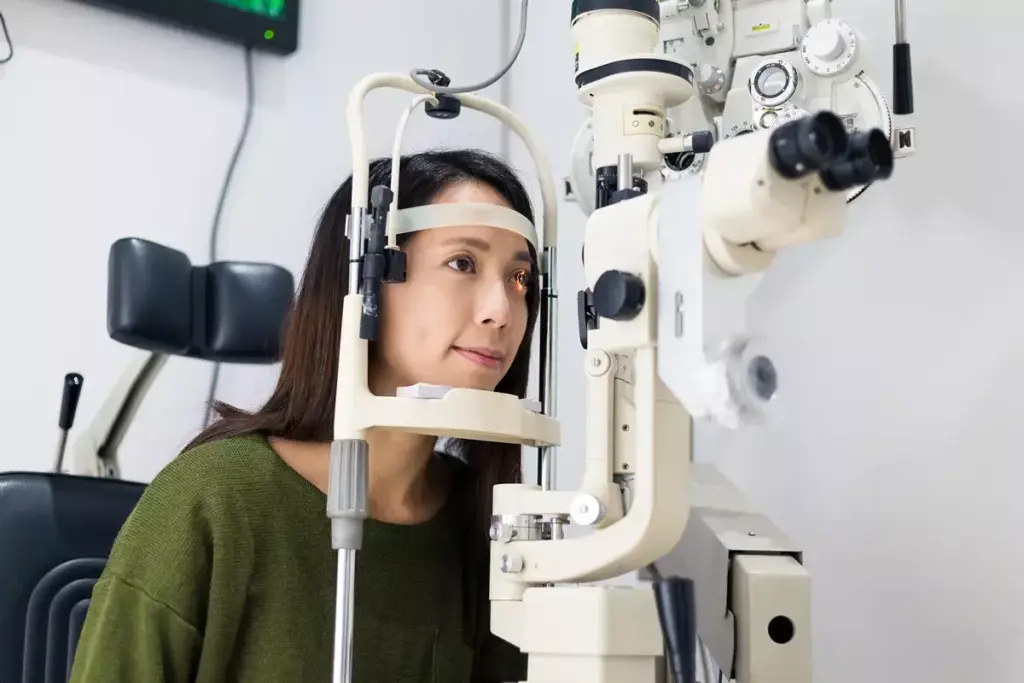
Ophthalmology is a branch of medicine that deals with eye disorders. It requires a lot of knowledge and training. This field offers many services, from simple eye exams to complex surgeries.
Etymology and Definition of the Medical Specialty
The word “ophthalmology” comes from Greek. “Ophthalmos” means eye, and “logos” means study or science. So, ophthalmology is the study of eyes. An ophthalmologist is a doctor who specializes in eye care.
Ophthalmologists can diagnose and treat many eye problems. This includes inherited retinal diseases (IRDs), age-related macular degeneration (AMD), and cataracts. They can give eye exams, prescribe medicine, and perform surgery.
— A leading ophthalmologist
Ophthalmology vs. Optometry: Understanding the Difference
Ophthalmologists and optometrists both work in eye care, but they have different roles. An optometrist does primary vision care like eye exams and glasses prescriptions. But they can’t do surgery.
| Service | Ophthalmologist | Optometrist |
| Eye Exams | Yes | Yes |
| Surgical Procedures | Yes | No |
| Prescription Medication | Yes | Limited |
The table shows ophthalmologists can do more, like surgery and prescribe medicine. They are best for complex eye care needs.
In summary, ophthalmology is key in eye care. Knowing the difference between ophthalmologists and optometrists helps when you need advanced eye care.
Becoming an Ophthalmologist: Education and Training
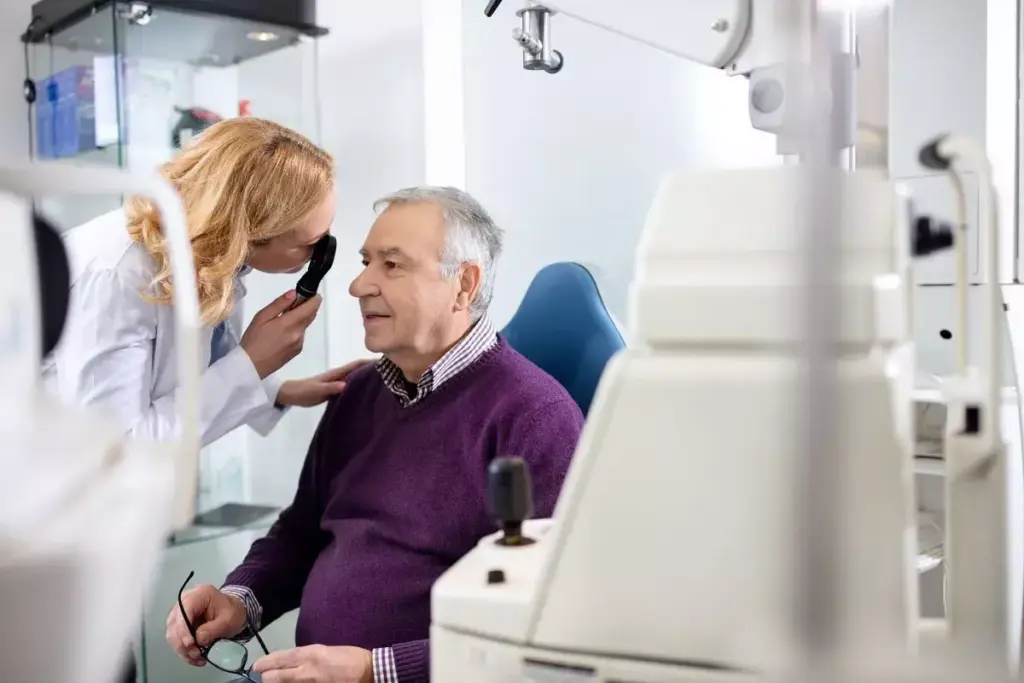
Starting your journey to become an ophthalmologist is a big step. It’s a path filled with challenges and rewards. We’ll walk you through the education and training needed to excel in this field.
Academic Requirements and Medical School
First, you need a four-year undergraduate degree in a science field. This lays a solid foundation in biology, chemistry, and physics. Then, you head to medical school for four years.
Medical school dives deep into the human body and how to treat diseases. It’s here that students learn the basics of medicine, essential for ophthalmology.
Medical school also includes clinical rotations. These hands-on experiences introduce students to various medical fields, including ophthalmology. It’s a chance to see the real work of an ophthalmologist and understand eye care’s complexities.
Residency, Fellowship, and Specialization
After medical school, a four-year ophthalmology residency follows. This is a critical time for in-depth training in eye disorders. Residents work with seasoned ophthalmologists, refining their skills. Residency is a period of intense learning and growth.
For extra specialization, like corneal surgery or pediatric ophthalmology, fellowships are available. These last from one to two years. They allow ophthalmologists to focus on specific areas and offer advanced care.
Ophthalmologists must keep up with new developments in their field. This means ongoing education and training. Staying current is key to being a successful ophthalmologist.
The Complete Scope of Ophthalmology Practice
Ophthalmology is a medical field that focuses on eye care. It includes preventing, diagnosing, and treating eye diseases. Keeping your eyes healthy is key to your overall health, and we make sure you get the care you need.
Oftalmologia or ophthalmology offers a wide range of services. These services help keep your vision sharp. From simple eye exams to complex surgeries, ophthalmologists are ready to help with all your eye needs.
Preventive Care and Diagnostic Services
Preventive care is a big part of ophthalmology. Regular eye exams can catch eye problems early. This way, we can treat them before they get worse.
We use advanced tools for eye exams. These tools help us see if there are any issues. This way, we can make a plan to fix them.
Medical and Surgical Eye Treatments
Ophthalmologists can treat eye problems with medicine or surgery. They might use medicine for glaucoma or dry eye. Or, they might do surgery for cataracts or LASIK.
Surgical interventions are needed for some problems. For example, cataract surgery replaces a cloudy lens with an artificial one. We make sure you get the right treatment for your eye problem.
Common Eye Conditions: From Cataracts to Glaucoma
Cataracts and glaucoma are common eye issues. Cataracts make the lens cloudy, while glaucoma damages the optic nerve. Both can hurt your vision.
Knowing how to treat these conditions is important. Surgery can fix cataracts and help people see clearly again. For glaucoma, catching it early and treating it can stop vision loss.
In summary, ophthalmology covers a lot. It includes preventive care, diagnostics, and treatments for many eye problems. Understanding what opthal means and what ophthalmologists do helps patients see the value of good eye care.
Conclusion
Ophthalmology is key to keeping our eyes healthy and our vision clear. Our team is all about top-notch care and putting patients first. We listen, explain, and guide you every step of the way.
By understanding what ophthalmology means, you can take steps to protect your eyes. This knowledge helps you seek the right care when you need it.
We offer world-class eye care to everyone, including international patients. Our focus is on preventing eye problems, diagnosing issues, and treating them with surgery or medicine. Ophthalmologists are here to give you personalized care and advice every step of the way.
FAQ
What does ophthalmology mean?
Ophthalmology is a medical field that focuses on eye health. It includes everything from routine eye checks to complex surgeries. This field helps diagnose and treat eye problems.
What is the difference between ophthalmology and optometry?
Ophthalmology is a medical field that requires a lot of training. Ophthalmologists can handle complex eye issues and perform surgery. Optometry, on the other hand, deals with basic eye care like vision tests and some diagnoses. But, optometrists can’t do surgery.
What kind of education and training is required to become an ophthalmologist?
To become an ophthalmologist, you need a lot of education and training. This includes going to college, medical school, and then specialized training through residency and fellowship programs.
What services are included in the comprehensive scope of ophthalmology practice?
Ophthalmology offers a wide range of services. This includes preventive care, diagnostic tests, medical treatments, and surgeries like cataract removal and glaucoma treatment.
What are some common eye conditions treated by ophthalmologists?
Ophthalmologists treat many common eye problems. These include cataracts, glaucoma, and other conditions that can affect your vision and quality of life.
Why is early detection and treatment important in ophthalmology?
Catching and treating eye problems early is key. It helps keep your vision sharp and improves your overall quality of life. Many eye conditions can be managed or treated if caught early.
What is the significance of ophthalmology in maintaining eye health?
Ophthalmology is essential for eye health and vision preservation. It helps people take care of their eyes and seek help when needed. This way, they can protect their vision and eye health.
References
National Center for Biotechnology Information. Evidence-Based Medical Insight. Retrieved from https://pubmed.ncbi.nlm.nih.gov/22386172



 Departments
 Related Videos
 Our Doctors
 News
News