At Liv Hospital, we make sure to explain complex medical terms clearly. Orthopedics is a part of medicine that deals with the musculoskeletal system. It prevents, diagnoses, and treats disorders, injuries, and diseases.
We know how important musculoskeletal health is for our overall well-being. Our team of experts is committed to giving advanced, ethical, and multidisciplinary orthopedic care. We use the latest medical technology and treatment methods.
Knowing what orthopedics means helps patients make better choices about their care. Our patient-centered approach means we support individuals fully during their treatment.
Key Takeaways
- Orthopedics is a medical specialty focusing on musculoskeletal health.
- Liv Hospital provides world-class orthopedic care with international expertise.
- Our approach is patient-centered, ensuring complete support.
- We use the latest advancements in medical technology and treatment protocols.
- Understanding orthopedics helps patients navigate their care options effectively.
The Definition and Scope of Orthopedic Medicine
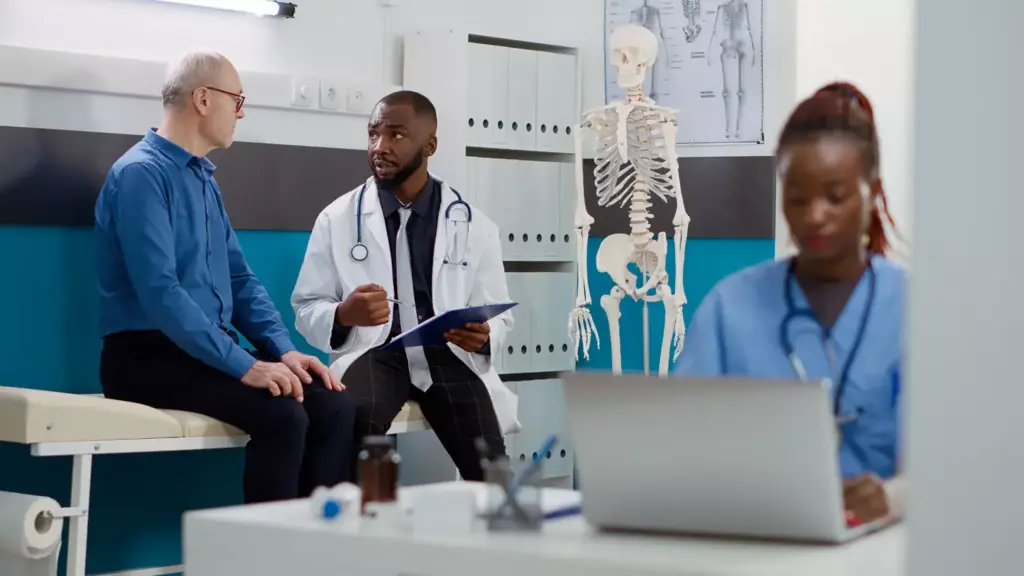
Orthopedic medicine aims to fix or prevent deformities, restore function, and ease pain in the musculoskeletal system. It is key for keeping us mobile and living well, more so as we get older or suffer injuries.
Core Definition of Orthopedics in Medical Context
The word “orthopedics” comes from Greek words “orthos,” meaning straight, and “paideia,” meaning upbringing. It started with fixing deformities in kids, but now it helps adults with musculoskeletal problems too.
The Musculoskeletal System: What Orthopedics Addresses
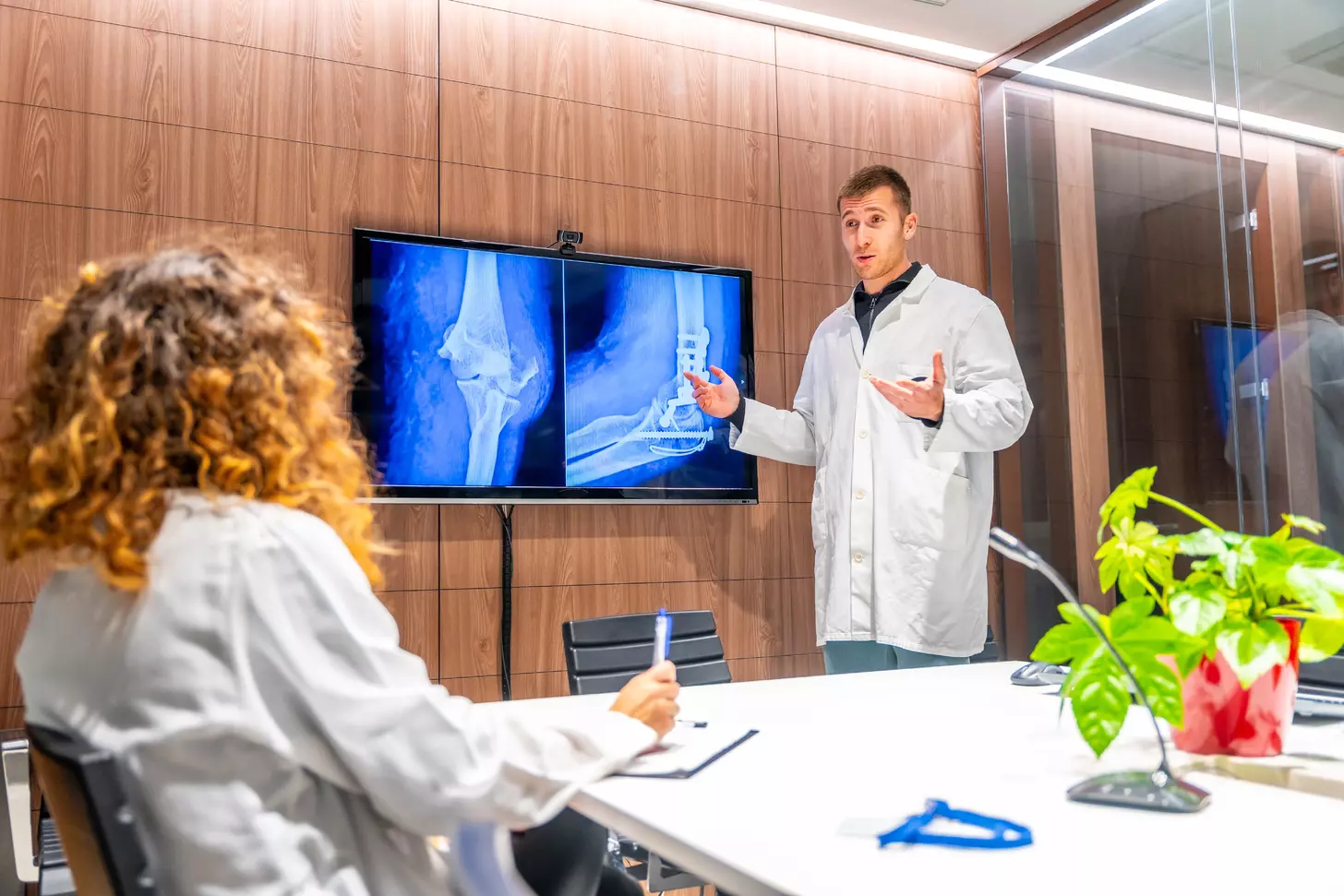
The musculoskeletal system, made up of bones, joints, muscles, and soft tissues, is what orthopedics focuses on. Specialists deal with fractures, arthritis, sports injuries, and birth defects. They use physical exams, imaging, and lab tests to find and treat problems.
Orthopedic care goes beyond surgery. It includes non-surgical treatments like physical therapy, medicine, and changing lifestyle habits. This wide range of care helps patients get better, feel less pain, and live better lives.
Historical Origins of Orthopedic Medicine
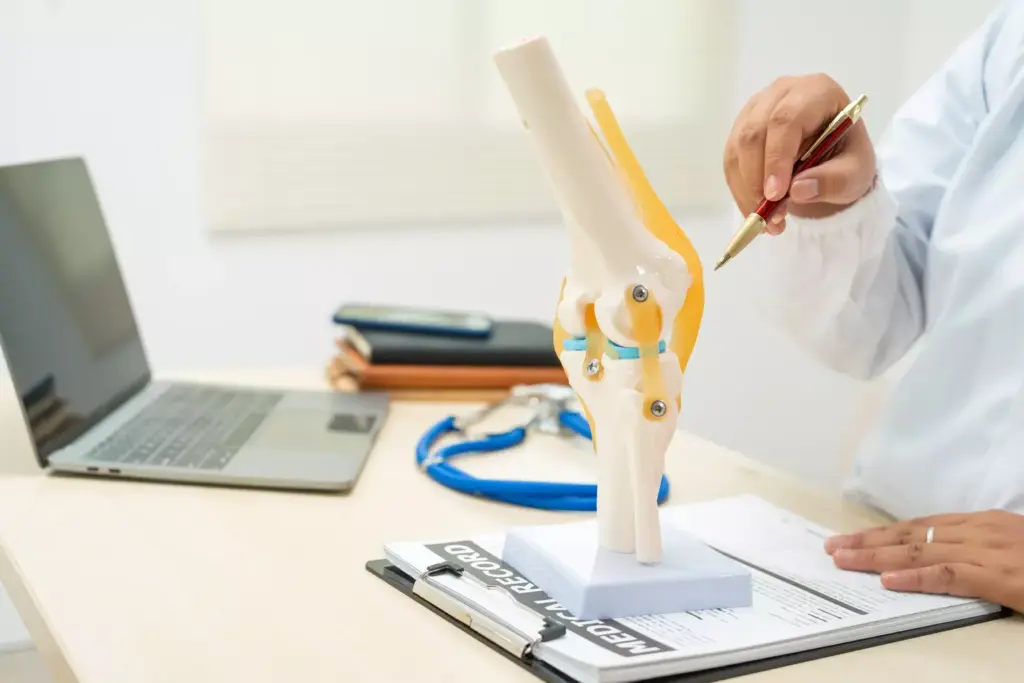
To understand orthopedic medicine, we must look at its roots. The word “orthopedic” comes from Greek. It combines “orthos,” meaning straight, and “paideia,” meaning education. This shows the field’s early goal of fixing skeletal problems, mainly in kids.
Etymology: From Greek Roots to Modern Usage
The mix of “orthos” and “paideia” points to orthopedic medicine’s focus on fixing and teaching. At first, it was all about treating and preventing skeletal issues in young ones. Now, it covers all ages and many musculoskeletal problems.
With better technology and knowledge, orthopedics has grown. Today, specialists can handle everything from broken bones to arthritis.
Evolution from Pediatric Focus to Comprehensive Care
Orthopedic medicine started with kids and skeletal issues. But, as we learned more, it grew. Now, it includes care for all ages, from preventing problems to treating them.
Orthopedic medicine has changed a lot. It’s now key in treating many conditions. This has greatly improved people’s lives all over the world.
Orthopedic Meaning Medical: A Detailed Explanation
Orthopedic medicine is key in treating musculoskeletal problems. It uses surgery and non-surgery methods. This helps improve patients’ lives and health.
Primary Goals of Orthopedic Treatment
Orthopedic treatment aims to reduce pain and improve function. It also aims to enhance patients’ quality of life. We tailor treatments to meet each patient’s needs.
Key objectives include:
- Relieving pain and discomfort
- Restoring mobility and function
- Preventing future musculoskeletal issues
- Enhancing patient education and self-management
Preventive, Diagnostic, and Therapeutic Approaches
Orthopedic care includes many preventive, diagnostic, and treatment methods. We use advanced tools to find and treat musculoskeletal problems. Then, we create treatment plans for each patient.
Diagnostic approaches include:
- Imaging studies (X-rays, MRI, CT scans)
- Physical examinations and assessments
- Patient history and symptom analysis
We offer treatments from physical therapy and medicine to surgery. This depends on the condition’s severity.
| Treatment Approach | Description | Common Applications |
|---|---|---|
| Conservative Management | Non-surgical treatments focusing on symptom relief and functional restoration | Mild to moderate musculoskeletal conditions, initial treatment for many conditions |
| Surgical Interventions | Operative procedures to repair or replace damaged musculoskeletal tissues | Complex fractures, severe joint degeneration, certain spinal disorders |
Distinguishing Orthopedics from Other Medical Fields
Orthopedics focuses on the musculoskeletal system. It’s different from other medical fields. Orthopedic specialists have special skills in treating musculoskeletal disorders.
Orthopedics combines surgery and non-surgery treatments. This approach helps treat many musculoskeletal problems. It ensures patients get the best care for their condition.
Key Branches and Specializations Within Orthopedics
Orthopedics is a wide field with many branches. Each branch focuses on different needs in the musculoskeletal system. Orthopedic care is customized for various musculoskeletal conditions.
Orthopedic Surgery
Orthopedic surgery is key, dealing with surgeries for damaged or diseased musculoskeletal tissues. Orthopedic surgeons do many procedures, from fixing fractures to complex reconstructions. They need great skill and knowledge of the musculoskeletal system.
Sports Medicine
Sports medicine is vital in orthopedics, focusing on sports injuries. Sports medicine physicians help athletes with injuries and create conditioning programs. They aim for a safe return to sports.
Joint Replacement
Joint replacement is a big part of orthopedics, replacing damaged or arthritic joints with prosthetics. It’s for those with severe joint pain not helped by other treatments. Joint replacement surgery can greatly improve life for those with bad joint conditions.
Spine Surgery
Spine surgery is complex, focusing on spine disorders and injuries. Spine surgeons do detailed procedures to fix spinal problems. Their goal is to ease pain and improve spinal function.
Knowing the different orthopedic branches is key for those with musculoskeletal issues. It helps patients find the right care. For more on medical specializations, check out different types of oncology.
Common Conditions Treated by Orthopedic Specialists
Orthopedic medicine helps people with musculoskeletal issues. It makes them more mobile and improves their life quality. Specialists use many treatments, from non-surgical to surgical, to help patients.
Fractures and Traumatic Injuries
Orthopedic doctors treat fractures and injuries well. These can happen from accidents, falls, or sports. They focus on treating fractures and helping with recovery.
We use new imaging and treatments for complex injuries. Our goal is to fix the injury, reduce pain, and avoid long-term problems.
Arthritis and Joint Disorders
Arthritis and joint problems are big in orthopedic care. They cause pain, stiffness, and limit movement. Orthopedic doctors treat different arthritis types, like osteoarthritis and rheumatoid arthritis.
Treatment can include medicine, physical therapy, and changing lifestyle. Sometimes, surgery is needed to fix or replace joints.
| Condition | Treatment Approaches | Goals of Treatment |
|---|---|---|
| Fractures | Casting, surgery, rehabilitation | Restore function, alleviate pain |
| Arthritis | Medication, physical therapy, surgery | Reduce pain, improve mobility |
| Sports Injuries | Physical therapy, arthroscopic surgery, rehabilitation | Restore function, prevent future injuries |
Sports-Related Injuries
Sports injuries often need orthopedic help. These can be from sudden trauma or overuse. Specialists help athletes get back to sports safely.
Treatment might include surgery, physical therapy, and special rehab programs. These are made for each athlete’s needs.
Congenital and Developmental Disorders
Orthopedic doctors also treat congenital and developmental issues. Early treatment is key to avoid long-term problems. They use bracing, physical therapy, and surgery to treat these conditions.
Understanding orthopedic meaning medical helps us see the wide range of care orthopedic specialists offer. Their knowledge in treating musculoskeletal issues is vital for keeping people mobile and improving their life quality.
Orthopedic Treatment Approaches and Interventions
Orthopedic care includes many treatments, from simple to complex surgeries. Each patient’s needs are different. The choice between non-surgical and surgical treatments depends on the condition’s severity, the patient’s health, and their preferences.
Non-Surgical Treatments
Non-surgical treatments are often the first step for musculoskeletal issues. These may include:
- Physical Therapy: Customized exercise programs to improve mobility and strength.
- Medications: Pain relief medications, anti-inflammatory drugs, and corticosteroid injections.
- Lifestyle Modifications: Dietary changes, weight management, and ergonomic adjustments.
These treatments aim to reduce pain, improve function, and enhance quality of life without surgery.
Surgical Interventions
When non-surgical treatments fail, surgery may be needed. Common orthopedic surgeries include:
- Joint Replacement: Replacing damaged joints with prosthetic ones, such as in hip or knee replacements.
- Arthroscopy: Minimally invasive surgery to diagnose and treat joint problems.
- Osteotomy: Cutting and realigning bones to correct deformities or improve alignment.
We consider surgery when the benefits are greater than the risks, and the patient’s condition requires it.
In conclusion, orthopedic treatments vary and are tailored to each patient. Understanding “what is orthopedic mean” in treatment helps patients make informed choices.
The Orthopedic Care Team: Professionals and Their Roles
Orthopedic care is a team effort. Experts from different fields work together to treat musculoskeletal issues. This team ensures patients get the best care, from start to finish.
Orthopedic Surgeons
Orthopedic surgeons are doctors who focus on surgery for bone and joint problems. They do operations like joint replacements and fracture repairs. Orthopedic surgeons are key in the care team, often the first point of contact for surgery.
Physiatrists (Physical Medicine and Rehabilitation Specialists)
Physiatrists are doctors who help patients with injuries or chronic pain. They aim to improve function and quality of life without surgery. Physiatrists lead in rehabilitation, working with others to create treatment plans.
Allied Health Professionals in Orthopedic Care
Allied health professionals are essential in orthopedic care. Physical therapists help patients regain strength and mobility. Occupational therapists help patients adapt to their conditions. Nurses provide vital care and support, connecting patients with the team.
Multidisciplinary Collaboration in Orthopedic Care
Good orthopedic care needs teamwork. Orthopedic surgeons, physiatrists, and others work together. This ensures patients get care that meets their specific needs.
Orthopedic medicine involves many professionals. Knowing their roles helps patients understand their care better. It makes navigating the healthcare system easier.
Modern Advances in Orthopedic Medicine
Modern orthopedics is leading the way in medical progress. It offers better care with new technology and research. This field is changing fast, thanks to innovations that help patients live better lives.
Technological Innovations
New tech is changing orthopedic care. Robotic surgery is making operations more precise and quick. Also, new imaging like 3D scans and MRI help doctors diagnose and treat better.
Digital health tools, like wearables and apps, let patients track their health. They also talk better with their doctors.
Regenerative Medicine Approaches
Orthopedics is also advancing in regenerative medicine. Methods like stem cell therapy and PRP therapy help heal and grow new tissue. These options might mean fewer surgeries for patients.
We aim to keep up with these new treatments. This way, our patients get the best care available.
International Standards and Academic Protocols
Following global standards and research is key for top-notch care. We stick to strict guidelines to ensure our treatments are backed by science. This keeps our care up to date with the world’s best practices.
Liv Hospital shows this dedication by competing globally and using the latest research. This ensures we offer top orthopedic care to all our patients.
Future Directions in Orthopedic Care
We expect even more progress in orthopedics soon. Research and new tech will lead to personalized medicine and AI in care. These advancements will change how we treat patients.
As we grow, our focus stays on caring for each patient. We aim to meet their unique needs with compassion and understanding.
| Advancements | Description | Benefits |
|---|---|---|
| Robotic-Assisted Surgery | Precision surgery assisted by robotic systems | Reduced recovery time, enhanced precision |
| Regenerative Medicine | Treatments promoting tissue healing and regeneration | Potential reduction in need for invasive surgeries |
| Digital Health Technologies | Wearable devices and mobile apps for patient monitoring | Improved patient engagement and communication |
Conclusion: The Evolving Significance of Orthopedics in Healthcare
Orthopedics is a key part of medicine that keeps getting better. New treatments and technologies are always coming out. Knowing what orthopedic means helps us see its importance in fixing musculoskeletal problems and helping patients get better.
The term “orthopedic definition medical” covers a wide range of practices. These practices help prevent, diagnose, and treat musculoskeletal conditions. At Liv Hospital, we use the latest medical technology and treatments to give top-notch orthopedic care.
We understand how important orthopedics is in healthcare. It greatly affects patients’ lives. By understanding what orthopedic care is, we can see how it helps people get the medical help they need.
We at Liv Hospital are all about supporting international patients. Our team works together to give patients the best care. As orthopedics keeps growing, we’re committed to leading the way in medical innovation. This helps us improve care for patients everywhere.
What does orthopedic mean in medical terms?
Orthopedic refers to the branch of medicine that deals with the musculoskeletal system. This includes bones, joints, muscles, and nerves. It focuses on diagnosing, treating, and preventing disorders and injuries.
What is the definition of orthopedics?
Orthopedics is a medical specialty that cares for the musculoskeletal system. It addresses a wide range of conditions. This includes fractures, arthritis, sports injuries, and congenital disorders.
What is the scope of orthopedic medicine?
Orthopedic medicine covers preventive, diagnostic, and therapeutic approaches. It manages musculoskeletal disorders. It uses both non-surgical and surgical interventions.
What are the primary goals of orthopedic treatment?
The main goals of orthopedic treatment are to relieve pain and restore function. It aims to improve the quality of life for patients with musculoskeletal disorders.
What are the common conditions treated by orthopedic specialists?
Orthopedic specialists treat many conditions. This includes fractures, arthritis, sports-related injuries, and congenital disorders. They use various treatment approaches based on the condition and patient needs.
What is the difference between orthopedic surgery and other surgical specialties?
Orthopedic surgery focuses on musculoskeletal disorders. Other surgical specialties may deal with different body systems or regions.
What are the key branches and specializations within orthopedics?
Orthopedics has key branches like orthopedic surgery, sports medicine, joint replacement, and spine surgery. Each requires specialized training and expertise.
What is the role of orthopedic surgeons in patient care?
Orthopedic surgeons play a key role in patient care. They provide surgical interventions and manage musculoskeletal disorders. They often work as part of a multidisciplinary team.
How has orthopedic medicine evolved over time?
Orthopedic medicine has evolved a lot. It started with correcting skeletal deformities in children. Now, it’s a medical specialty for all ages, addressing many musculoskeletal issues.
What are some modern advances in orthopedic medicine?
Modern orthopedic medicine includes technological innovations and regenerative medicine. It also adopts international standards and academic protocols. These advancements improve patient care and outcomes.
What is the significance of multidisciplinary collaboration in orthopedic care?
Multidisciplinary collaboration is vital in orthopedic care. It ensures patients get complete and coordinated treatment. This team includes orthopedic surgeons, physiatrists, and allied health professionals.
References
- Merriam-Webster. (n.d.). Orthopedics [Definition]. In Merriam-Webster.com dictionary. Retrieved October 16, 2025, from https://www.merriam-webster.com/dictionary/orthopedicUR Medicine / University of Rochester Medical Center. (n.d.). The Orthopedic Treatment Team: What is orthopedics? Retrieved October 16, 2025, from https://www.urmc.rochester.edu/encyclopedia/content?