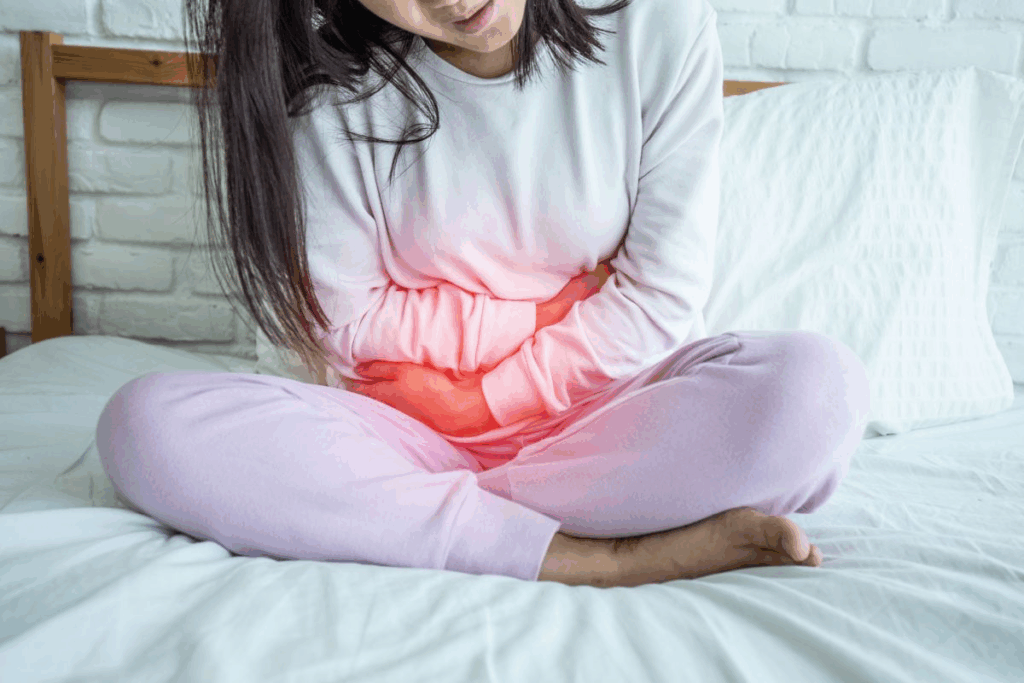
Ovarian cysts are fluid-filled sacs that form on or inside the ovaries. They affect many women during their reproductive years. These cysts are remarkably common and often harmless, but they can cause discomfort and disrupt menstrual cycles.
Many women experience pelvic pain, bloating, or changes in their menstrual pattern. Understanding the connection between ovarian cysts and these symptoms is vital to their health. At Liv Hospital, we bring internationally-recognized expertise and compassionate care to evaluate and manage ovarian health.
Key Takeaways
- Ovarian cysts are common and often do not cause symptoms.
- They can cause pelvic pain and disrupt menstrual cycles.
- Understanding the connection between ovarian cysts and symptoms is vital for health.
- Liv Hospital offers expert care for ovarian health.
- Early evaluation and management can alleviate symptoms.
Understanding Ovarian Cysts: Types and Prevalence

Ovarian cysts are fluid-filled sacs on the ovaries. They are common in women’s health. It’s important to know about their types and how common they are.
Definition and Common Types of Ovarian Cysts
Ovarian cysts are mainly divided into two types: functional and pathological. Functional cysts are the most common. They are usually harmless and short-lived. They are linked to the menstrual cycle and often go away on their own.
Pathological cysts are less common but can be more serious. They are not tied to the menstrual cycle. They can be either benign or cancerous.
How Common Are Ovarian Cysts?
Ovarian cysts are common in women of childbearing age. Studies show many women will get ovarian cysts at some point.
Research says up to 18% of women get ovarian cysts. Most are not noticed and go away without treatment.
Risk Factors for Developing Ovarian Cysts
Several factors can increase the chance of getting ovarian cysts. These include hormonal imbalances, a history of cysts, and conditions like PCOS.
Risk Factor | Description |
Hormonal Imbalance | Changes in hormone levels can cause functional ovarian cysts. |
History of Ovarian Cysts | Women who’ve had cysts before are more likely to get them again. |
Polycystic Ovary Syndrome (PCOS) | A hormonal disorder that raises the risk of multiple cysts. |
Knowing these risk factors can help find and manage ovarian cysts early.
What Does Ovarian Cyst Pain Feel Like?

Ovarian cyst pain can feel different for everyone. It’s important to know what it feels like to spot symptoms early. We’ll look at the usual pain, where it hurts, and how it’s different from other pelvic pain.
Typical Pain Characteristics and Sensations
Ovarian cyst pain can feel like a dull ache or sharp cramps in the lower belly or pelvis. The pain can be constant or come and go, often tied to your period.
Some women might feel:
- Sharp, stabbing pain
- Dull, aching sensation
- Cramping like menstrual cramps
- Pain when doing things like exercising or having sex
Location and Radiation of Pain
The pain from an ovarian cyst usually hurts on one side of the lower belly or pelvis. The pain can spread to the lower back or down the leg on the same side as the cyst.
In some cases, the pain might spread across the whole lower belly or pelvis. Where and how the pain spreads can tell you about the cyst’s size and any problems it might cause.
Differentiating Ovarian Cyst Pain from Other Pelvic Pain
It can be hard to tell if you have ovarian cyst pain or other pelvic pain because the symptoms can be similar. But, there are clues that can help figure out if it’s ovarian cyst pain:
Characteristic | Ovarian Cyst Pain | Other Pelvic Pain |
Location | Typically unilateral, lower abdomen | Can be bilateral, variable locations |
Nature of Pain | Dull ache or sharp cramp | Varies widely (burning, aching, etc.) |
Relation to Menstrual Cycle | Often related to menstrual cycle | Variable relation to menstrual cycle |
Doctors say knowing the details of pelvic pain is key to getting the right diagnosis and treatment. This shows how important it is to understand the differences in pain to get the right help.
Factors That Influence Ovarian Cyst Pain Intensity
The pain from ovarian cysts can vary a lot. Knowing what affects this pain is key for women to understand their symptoms better. This knowledge helps them get the right medical care.
Size and Type of Cyst
The size and type of cyst greatly affect the pain. Large cysts can put pressure on nearby areas, causing discomfort. For example, a big cyst can press on the bladder or bowel, leading to frequent urination or constipation. The type of cyst, like a functional or pathological cyst, also changes how much pain you feel.
There are several types of ovarian cysts:
- Functional cysts (follicular or corpus luteum cysts)
- Dermoid cysts
- Cystadenomas
- Endometriomas
Each cyst type has its own traits that can impact pain levels. For instance, endometriomas, linked to endometriosis, can cause a lot of pain because of the growth of endometrial tissue outside the uterus.
Individual Pain Tolerance
How much pain you can handle is also a big factor. People’s pain thresholds vary, which changes how they feel and report pain. Some women might find the pain okay, while others might find it very hard to bear.
Several things can affect your pain tolerance:
- Genetic predisposition
- Previous experiences with pain
- Psychological factors like stress and anxiety
- Overall health and well-being
Presence of Complications
Complications with ovarian cysts can make pain much worse. Issues like cyst rupture or torsion can cause sudden, severe pain. A ruptured cyst can lead to peritonitis, a painful inflammation of the peritoneum. A twisted cyst can cut off blood to the ovary, causing severe pain and serious problems if not treated quickly.
It’s important to know the signs of complications. Look out for:
- Sudden and severe pelvic pain
- Nausea and vomiting
- Fever
- Abdominal tenderness
Understanding these factors helps women and doctors manage ovarian cyst pain better. It also ensures any complications are treated quickly.
Signs of a Ruptured Ovarian Cyst
It’s important to know the signs of a ruptured ovarian cyst. This is because a ruptured cyst can cause sudden and severe symptoms. These symptoms need immediate medical care.
Sudden and Severe Pain Patterns
The pain from a ruptured cyst is sharp and intense. It feels like a stabbing in the lower abdomen, usually on one side. This pain can be very strong and might spread to the lower back or thighs.
Key characteristics of the pain include:
- Sudden onset
- Severe intensity
- Localized to one side of the lower abdomen
- Possible radiation to the lower back or thighs
Additional Symptoms of Cyst Rupture
Other signs can also point to a ruptured cyst. These include:
- Nausea and vomiting
- Fainting or dizziness
- Rapid heartbeat
- Low blood pressure
- Abdominal tenderness or guarding
It’s essential to note that the severity and combination of symptoms can vary from person to person.
When to Seek Emergency Care
If you notice any of these, get medical help right away:
- Severe abdominal pain that doesn’t subside
- Vaginal bleeding that is heavy or accompanied by pain
- Signs of shock, such as fainting, dizziness, or rapid heartbeat
- Fever above 101.5°F (38.6°C)
Prompt medical evaluation is critical in cases of suspected ovarian cyst rupture. Waiting too long can cause serious problems. These include infection, internal bleeding, and adhesions.
We stress the need to listen to your body and seek help when needed. If you’re worried about your symptoms, talk to a healthcare professional.
Can You Physically Feel an Ovarian Cyst?
Many women wonder if they can feel an ovarian cyst. The answer depends on several factors. These include the cyst’s size, location, and the woman’s body type.
External vs. Internal Sensations
Ovarian cysts can cause both external and internal sensations. Internal sensations may include feelings of pressure or discomfort in the pelvic area. External sensations can manifest as palpable masses or tenderness in the lower abdomen.
We will explore these sensations in more detail to understand how they relate to ovarian cysts.
Palpable Symptoms of Large Cysts
Large ovarian cysts are more likely to cause noticeable symptoms. These can include:
- A feeling of fullness or bloating in the abdomen
- Palpable masses or lumps in the pelvic area
- Discomfort or pain during certain activities or positions
To better understand the relationship between cyst size and symptoms, let’s examine the following table:
Cyst Size | Common Symptoms |
Small (<3 cm) | Often asymptomatic, occasional mild pelvic discomfort |
Medium (3-6 cm) | Pelvic pressure, mild pain, possible menstrual irregularities |
Large (>6 cm) | Noticeable bloating, palpable masses, significant pain, possible urinary or bowel symptoms |
As shown in the table, larger cysts are associated with more pronounced symptoms. These include palpable masses and significant discomfort.
In conclusion, while not all ovarian cysts can be physically felt, larger cysts are more likely to cause noticeable sensations. Understanding these symptoms is key for early detection and proper medical care.
The Connection Between Ovarian Cysts and Menstrual Cycles
Ovarian cysts and menstrual cycles are closely linked. This connection involves many factors that affect hormone levels. The type, size, and hormonal changes caused by cysts can change menstrual cycles.
How Cysts Affect Hormonal Balance
Ovarian cysts can upset the body’s hormone balance. Functional cysts, tied to the menstrual cycle, can alter estrogen and progesterone levels. This leads to irregular periods and other menstrual issues.
The hormonal shifts caused by cysts are key to understanding their impact on menstrual cycles.
Functional Cysts vs. Pathological Cysts
Functional cysts are tied to the menstrual cycle and often go away on their own. They can change menstrual cycles by affecting hormone levels.
Pathological cysts, on the other hand, are not tied to the menstrual cycle. They might signal an underlying issue. These cysts can also affect menstrual cycles, but in different ways than functional cysts.
PCOS and Its Effect on Menstruation
Polycystic Ovary Syndrome (PCOS) is marked by multiple ovarian cysts, hormone imbalance, and irregular periods. Women with PCOS often have irregular periods, including missed or delayed periods, due to ovulation issues.
The hormone imbalance in PCOS leads to various menstrual problems. This makes it a major factor in the link between ovarian cysts and menstrual cycles.
Can Ovarian Cysts Cause Irregular Periods?
Ovarian cysts and menstrual irregularities are topics of growing interest. These fluid-filled sacs on the ovaries can disrupt normal function. This leads to changes in menstrual cycles.
Mechanisms Behind Menstrual Irregularities
Ovarian cysts can affect menstrual regularity in several ways. Hormonal imbalance is a key factor. Certain cysts, like functional cysts, can produce hormones that alter the menstrual cycle. Large cysts can also put pressure on the ovaries, disrupting their function.
Conditions like Polycystic Ovary Syndrome (PCOS) are linked to ovarian cysts. PCOS causes menstrual irregularities, hormonal imbalance, and ovulation problems. It’s characterized by multiple small cysts on the ovaries.
Types of Cysts Most Likely to Affect Periods
Not all ovarian cysts impact menstrual cycles the same way. Functional cysts, like follicular and corpus luteum cysts, are closely tied to the menstrual cycle. They can lead to irregularities by affecting hormone production.
Pathological cysts, such as dermoid cysts or cystadenomas, are less directly linked to hormonal changes. They may not cause menstrual irregularities unless they’re large enough to disrupt the ovaries mechanically.
Research on Cyst-Related Menstrual Changes
Studies show ovarian cysts are linked to menstrual irregularities. A study in the Journal of Clinical Ultrasound in Medicine found women with cysts had more irregular periods than those without.
Type of Cyst | Likelihood of Causing Irregular Periods | Hormonal Influence |
Functional Cysts | High | Yes, directly related to menstrual cycle |
Pathological Cysts | Low to Moderate | No direct influence, unless large |
PCOS-related Cysts | High | Yes, associated with hormonal imbalance |
It’s important to understand the type of ovarian cyst and its impact on menstrual regularity. Women with irregular periods and suspecting cysts should see a healthcare provider. They can get a proper diagnosis and personalized care.
Can Ovarian Cysts Delay or Stop Your Period?
Women with ovarian cysts might see changes in their menstrual cycles. These changes can include delayed or missed periods. This is because cysts can affect hormone levels, which in turn can mess with menstrual regularity.
Delaying Menstruation
Ovarian cysts, like functional cysts, can change hormone levels. This can delay menstruation. The delay depends on the cyst’s type and size.
A follicular cyst can grow and make estrogen. This can delay your period. Sometimes, the cyst might burst or go away, bringing back regular cycles.
Causes of Missed Periods
Missed periods can also happen with ovarian cysts. This is more common with bigger cysts or those that really mess with hormone levels. Polycystic Ovary Syndrome (PCOS) is a condition with many small cysts. It can lead to irregular or missed periods.
Cyst Type | Effect on Menstruation | Common Symptoms |
Follicular Cysts | Delayed periods | Pelvic pain, bloating |
Corpus Luteum Cysts | Irregular bleeding | Pelvic pain, delayed periods |
PCOS | Missed or irregular periods | Infertility, weight gain, acne |
Distinguishing Cyst Effects from Pregnancy
It’s important to tell the difference between cyst effects and pregnancy. Both can cause missed or delayed periods. If you think you might be pregnant, take a test.
“If you’re having irregular periods and suspect it’s due to ovarian cysts, consult a healthcare provider for proper diagnosis and treatment. They can help determine the cause and recommend appropriate care.”
Keep track of your menstrual cycles and any symptoms. This info is key for your healthcare provider to figure out what’s going on.
Other Menstrual Symptoms Associated with Ovarian Cysts
Ovarian cysts can cause many menstrual symptoms, not just irregular periods. These symptoms can affect a woman’s reproductive health in different ways. Changes in menstrual flow and pain are common, impacting a woman’s quality of life.
Changes in Flow and Duration
Ovarian cysts can change how much and how long you bleed during your period. Some women might bleed more or less than usual. Others might find their periods shorter or longer than before.
Medical Expert, “Changes in menstrual flow are a big concern for women with ovarian cysts. It’s important to talk to a healthcare provider about these symptoms.”
These changes happen because of hormonal shifts caused by the cysts. For example, functional cysts, which are common, can affect hormone levels. This leads to changes in menstrual flow.
Increased Menstrual Pain
Women with ovarian cysts often experience more menstrual pain. This pain can be mild or severe and may feel in the lower abdomen, back, or thighs. A study in the Journal of Women’s Health found that women with cysts are more likely to have painful menstruation.
The cyst can make the uterus contract harder, causing more pain. If a cyst ruptures, it can cause sudden, severe pain. This needs immediate medical help.
Spotting Between Periods
Spotting between periods can also be a sign of ovarian cysts. Hormonal imbalances or the cyst itself can irritate the uterine lining, causing spotting.
The American College of Obstetricians and Gynecologists says, “Spotting or irregular bleeding can be a sign of an underlying issue like an ovarian cyst.” Women with these symptoms should see a healthcare provider to find out the cause and get the right treatment.
Knowing about these symptoms can help women manage their reproductive health better. They can seek medical care when needed.
Additional Symptoms That May Accompany Ovarian Cysts
Ovarian cysts can cause a range of symptoms that affect a woman’s health in different ways. Menstrual problems are common, but cysts can also lead to other issues. These can affect a woman’s overall well-being.
Urinary Frequency and Bladder Pressure
Large ovarian cysts can press on the bladder. This can cause you to need to urinate more often or have trouble emptying your bladder. It can also lead to discomfort and more bathroom trips.
In some cases, women might experience urine leakage. This happens because the cyst puts pressure on the muscles that support the bladder.
Common urinary symptoms associated with ovarian cysts include:
- Frequent urination
- Difficulty starting or stopping urine flow
- Feeling of incomplete bladder emptying
- Urinary incontinence
Digestive Symptoms and Bloating
Ovarian cysts can also affect your digestion. Their size and location can put pressure on your digestive tract. This can cause bloating, constipation, or discomfort in your abdomen.
Digestive issues related to ovarian cysts may include:
- Bloating and gas
- Constipation or changes in bowel movements
- Abdominal discomfort or pain
- Feeling of fullness or heaviness
Pain During Intercourse
Pain during sex is another symptom of ovarian cysts. The pain can be due to the cyst’s size and location. It can make sex uncomfortable and affect your relationships.
Fatigue and Other Systemic Symptoms
Women with ovarian cysts may also feel tired, nauseous, or generally unwell. These symptoms can be caused by the cyst’s hormonal effects or the body’s reaction to it. Large or complicated cysts can make you feel very unwell.
Systemic symptoms can include:
- Fatigue or tiredness
- Nausea or general feeling of being unwell
- Changes in appetite
It’s important to know about these symptoms to diagnose and manage ovarian cysts well. If you’re experiencing any of these, see a healthcare provider for help.
Diagnosis and Medical Evaluation of Ovarian Cysts
Learning about how to diagnose ovarian cysts can ease worries and help decide on treatment. If you think you might have an ovarian cyst, getting a detailed medical check is important. It helps figure out what kind of cyst you have and what to do next.
When to See a Doctor
If you have ongoing or bad pelvic pain, bloating, or trouble peeing, see a doctor. These signs might mean you have an ovarian cyst. Seeing a doctor early is important for managing it right.
Common Diagnostic Procedures
To find out if you have an ovarian cyst, doctors use a few methods:
- Pelvic Examination: A hands-on check to see how big and sore the ovaries are.
- Ultrasound: A test that uses sound waves to show pictures of the ovaries. It helps spot cysts and learn about them.
- Blood Tests: To see if there are tumor markers or hormone levels that suggest certain cysts.
Differentiating Cysts from Other Conditions
It’s hard to tell if you have an ovarian cyst just by how you feel. Many other health issues can cause similar symptoms. So, a complete check-up is key.
“Accurate diagnosis is vital for managing ovarian cysts well. It makes sure the treatment fits the problem and avoids extra steps.”
Questions Your Doctor May Ask
Your doctor will ask you questions to understand your symptoms and health history. They might ask:
- When did your symptoms start?
- Have you noticed any changes in your menstrual cycle?
- Is there a family history of ovarian cysts or other reproductive problems?
Sharing all the details helps your doctor make a correct diagnosis. They can then create a good treatment plan for you.
Treatment Options and Self-Care Strategies
Managing ovarian cysts well depends on the right treatment. Knowing the options and self-care tips is key. This helps in dealing with ovarian cysts effectively.
Medical Interventions and Medications
Many women start with medical help for ovarian cysts. Pain relief like ibuprofen or acetaminophen is used first. Hormonal treatments, like birth control pills, may also be given. They help with menstrual cycles and prevent new cysts.
Table: Common Medications for Ovarian Cyst Management
Medication Type | Purpose | Examples |
Pain Relief | Manage pain associated with ovarian cysts | Ibuprofen, Acetaminophen |
Hormonal Treatments | Regulate menstrual cycles and prevent new cysts | Birth control pills |
Surgical Options for Cyst Removal
When cysts are big, don’t go away, or cause a lot of pain, surgery is needed. The surgery type depends on the situation. It can be a small laparoscopic surgery or a bigger open surgery.
We will talk more about surgery and what it means for recovery and risks.
Pain Management Techniques
Managing pain is very important for women with ovarian cysts. Medication is not the only answer. Heat therapy, relaxation, and acupuncture can also help.
Lifestyle Modifications for Symptom Relief
Changing your lifestyle can also help with symptoms. Eating right, staying active, and keeping a healthy weight can make a big difference. These changes can improve your overall health and well-being.
By using these treatment options and self-care tips, women can manage their ovarian cysts better. This improves their quality of life.
Conclusion
Ovarian cysts are a common issue that can affect women’s health, including their menstrual cycles. We’ve looked into the different types of ovarian cysts, their symptoms, how they’re diagnosed, and treatment options.
Ovarian cysts can cause a variety of symptoms, like pelvic pain and irregular periods. They can even stop menstruation in some cases. So, can ovarian cysts cause no period? Yes, they can, mainly if they affect hormone levels.
It’s important for women to understand how ovarian cysts relate to menstrual health. This knowledge helps them manage their symptoms better. We aim to give women the information they need to get the right medical care and make smart health choices.
Our final thoughts on ovarian cysts highlight the need for awareness and quick medical help. If you’re dealing with symptoms or concerns about ovarian cysts, see a healthcare professional. They can offer personalized advice and care.
FAQ
Can ovarian cysts cause irregular periods?
Yes, ovarian cysts can lead to irregular periods. The cyst’s type and how it affects hormones play a role.
What does ovarian cyst pain feel like?
Pain from ovarian cysts can be a dull ache or sharp stabbing in the lower abdomen. It often happens on one side. The pain’s intensity can change and may be constant or come and go.
Can you physically feel an ovarian cyst?
You can feel larger ovarian cysts as a mass or lump in your abdomen. But, smaller cysts are usually not noticeable. You might feel pressure, bloating, or discomfort inside.
Can ovarian cysts delay or stop your period?
Yes, certain ovarian cysts can delay or stop your period. This is more common with hormonal imbalances, like in PCOS or functional cysts.
Can a cyst on the ovary cause urinary frequency?
Yes, larger ovarian cysts can press on the bladder. This can lead to needing to urinate more often or urgently.
Do ovarian cysts cause missed periods?
Ovarian cysts can lead to missed periods, mainly if they disrupt hormone balance. This is often seen in PCOS or with large functional cysts.
Can an ovarian cyst cause late period?
Yes, ovarian cysts can make periods late. This is often due to hormonal imbalances caused by the cyst.
What are the symptoms of ovarian cysts beside pain?
Symptoms include bloating, digestive issues, pain during sex, and needing to urinate more often. You might also see changes in your menstrual cycles, like irregular periods or spotting.
How are ovarian cysts diagnosed?
Doctors use a pelvic exam, ultrasound, and sometimes CT scans or MRI to diagnose ovarian cysts.
Can ovarian cysts be treated without surgery?
Yes, many ovarian cysts can be managed without surgery. This includes watchful waiting, hormonal treatments, or pain management. Surgery is needed for large, complex, or persistent cysts.
References
National Health Service (NHS). Ovarian Cysts: Pain Characteristics and Menstrual Irregularities. Retrieved from https://www.nhs.uk/conditions/ovarian-cysts/